 Bullish Portfolio
Introduction to Value Averaging and Dollar-Cost Averaging
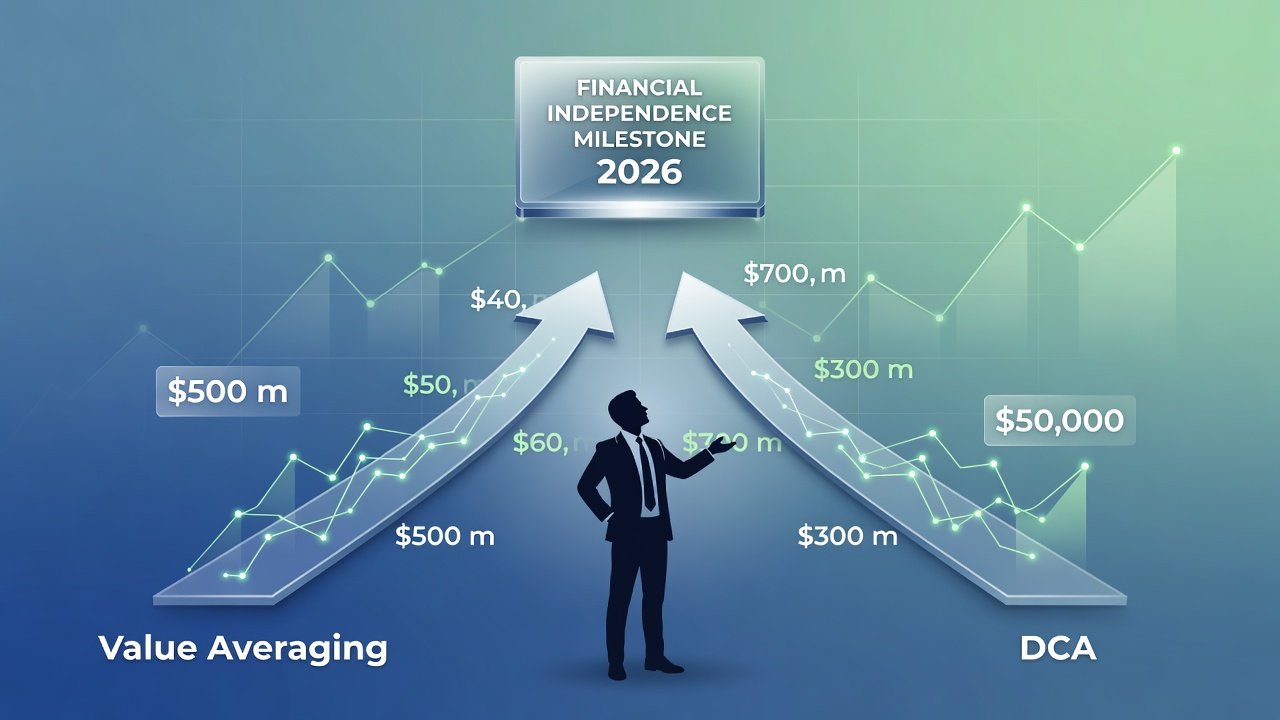
Investors pursuing financial independence (FI) in 2026 often rely on systematic investment approaches to build wealth through compounding. Two prominent strategies stand out: dollar-cost averaging (DCA) and value averaging. While both reduce the impact of market volatility, value averaging offers potential for superior compounding by adjusting contribution amounts based on portfolio performance. This article explores their mechanics, provides concrete math examples, reviews historical backtests, and delivers practical guidance for 2026 FI goals. Compounding remains the cornerstone of long-term wealth creation. By reinvesting returns, even modest differences in strategy can significantly alter timelines to financial independence. Understanding these methods helps investors choose approaches aligned with risk tolerance and market conditions. Many beginners start with simple habits but later refine them as portfolios grow and market experience accumulates.
Core Mechanics of Dollar-Cost Averaging
Dollar-cost averaging involves investing a fixed dollar amount at regular intervals regardless of market price. This disciplined habit lowers average cost per share over time as more units are purchased during dips. DCA suits beginners because it requires minimal ongoing decisions and removes emotional timing attempts. The strategy works by spreading purchases across market cycles, ensuring that investors participate in both rising and falling prices without attempting to predict peaks or troughs. Over extended periods, this consistency builds positions steadily while mitigating the regret associated with large lump-sum investments made at inopportune times.
Mathematical Example of DCA
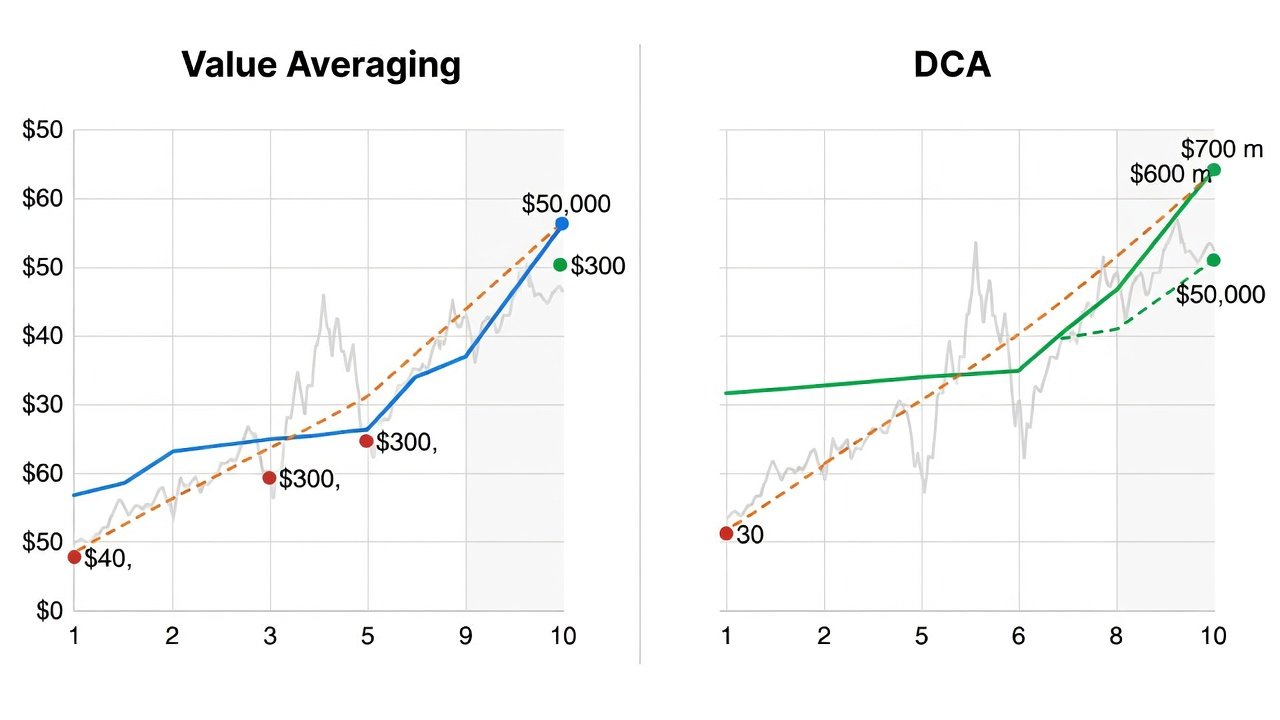
Assume an investor contributes $500 monthly to an index fund. In month one the price is $50 per share, yielding 10 shares. In month two the price drops to $40, yielding 12.5 shares. Over six months the average cost basis falls below the average market price, illustrating volatility reduction through consistent purchases. Extending this example across a full year demonstrates how total shares accumulated exceed what a single large purchase at the annual average price would achieve, highlighting the averaging effect in action.
Core Mechanics of Value Averaging
Value averaging requires setting a target portfolio growth path, often monthly. When the portfolio underperforms the target, the investor contributes more; when it outperforms, contributions decrease or stop. This dynamic adjustment aims to buy low and sell high more aggressively than DCA, potentially enhancing compounding returns. The method builds on the principle that larger investments during undervalued periods accelerate growth, while smaller ones during overvalued periods preserve capital for future opportunities. It demands more active monitoring but rewards disciplined execution with potentially faster wealth accumulation.
Mathematical Example of Value Averaging
Suppose the target is a $600 monthly increase in portfolio value. If the market rises and the portfolio grows $700 naturally, the investor adds nothing that month. If it grows only $300, the investor adds $300 to reach the target. This flexibility directs larger sums into undervalued periods. In a multi-year simulation, the cumulative effect shows higher total shares owned compared to fixed contributions because excess growth periods free up capital for later deployment during corrections.
Historical Backtests and Performance Comparison
Backtests on major indices like the S&P 500 over multi-decade periods show value averaging often outperforms DCA in total returns, though with higher contribution variability. During volatile decades, value averaging captured more shares during downturns, accelerating compounding. Investors should review data from sources such as Investopedia for detailed studies. Additional analysis of periods including the 2008 financial crisis and the 2020 market disruption reveals that value averaging reduced the time to reach specific portfolio milestones by reallocating capital efficiently. In contrast, DCA provided steadier but slower progress in recovery phases. These historical patterns suggest value averaging can shorten paths to financial independence when paired with adequate liquidity buffers.
Implementation Steps for Beginners
- Define your FI target date and required portfolio growth rate for 2026.
- Select low-cost index funds or ETFs aligned with your risk profile.
- Calculate monthly targets for value averaging or fixed amounts for DCA.
- Automate contributions via brokerage tools while monitoring quarterly adjustments.
- Rebalance annually to maintain asset allocation.
- Track performance against benchmarks using simple spreadsheets to identify when strategy tweaks become necessary.
Beginners benefit from starting with paper trading for three to six months to internalize the mechanics before committing real capital. Integration with existing retirement accounts requires verifying contribution limits and tax treatment to avoid unintended penalties.
Risk Considerations and Portfolio Integration
Value averaging demands greater cash reserves for larger contributions during market declines, increasing sequence-of-returns risk if liquidity is insufficient. DCA offers predictability but may lag in strong bull markets. Integrate either strategy into a diversified portfolio by pairing with emergency funds and tax-advantaged accounts. Review guidance from Bogleheads for community-tested integration methods. Additional considerations include monitoring inflation-adjusted returns and adjusting targets annually to reflect changing life circumstances such as income growth or new expenses. Diversification across asset classes further reduces the impact of any single strategy's shortcomings.
Real-World Scenarios Accelerating Wealth Building
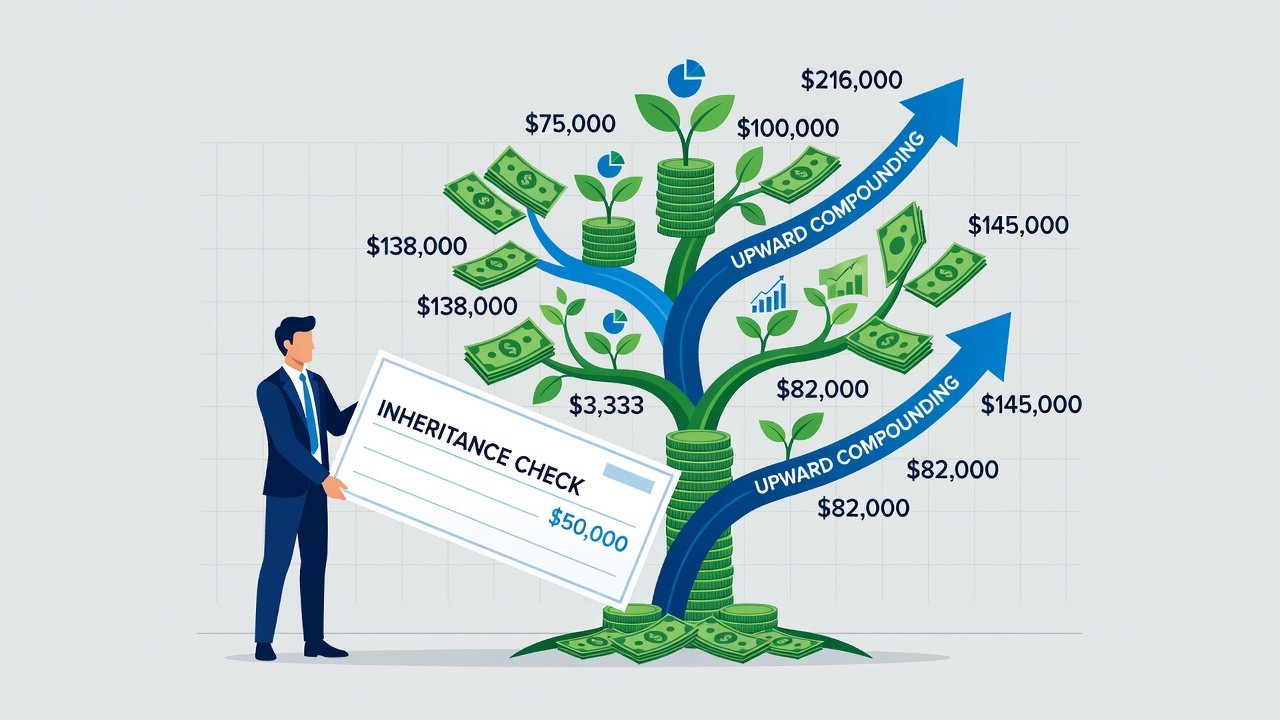
Consider an investor starting with $50,000 in 2024 aiming for FI by 2035. Switching from DCA to value averaging during a 2025 correction could shorten the timeline by 12–18 months through opportunistic purchases. Another scenario involves pairing value averaging with salary increases to boost targets dynamically. A third example features a mid-career professional who combines both methods initially, using DCA for core holdings and value averaging for satellite positions in growth sectors. These cases illustrate how hybrid approaches can balance simplicity with performance optimization while navigating economic cycles leading into 2026.
Decision Framework for Choosing a Strategy
Evaluate your cash flow stability, emotional tolerance for variable contributions, and market outlook. Value averaging suits those with flexible income and higher risk capacity seeking faster compounding. DCA remains ideal for steady earners prioritizing simplicity. Test both via paper trading before committing capital. Consider personal factors such as job security, family obligations, and overall net worth when deciding. A hybrid model may appeal to investors who want the discipline of DCA for baseline savings alongside targeted value averaging during identified opportunities.
Common FAQs on Switching Methods Mid-Journey
- Can I switch from DCA to value averaging? Yes, by gradually introducing target-based adjustments while maintaining core holdings.
- Does value averaging work in sideways markets? It still provides benefits through disciplined rebalancing but may require patience.
- What tools help track value averaging targets? Spreadsheets or portfolio apps with custom formulas simplify calculations.
- How often should targets be reviewed? Quarterly reviews allow for timely adjustments without excessive tinkering.
- Are there tax implications when switching? Consult a tax advisor since contribution changes may affect taxable events in non-retirement accounts.
Both strategies support 2026 FI objectives when applied consistently with a long-term mindset. Regular education through authoritative resources ensures investors stay informed as markets evolve.

No comments yet. Be the first!