 Bullish Portfolio
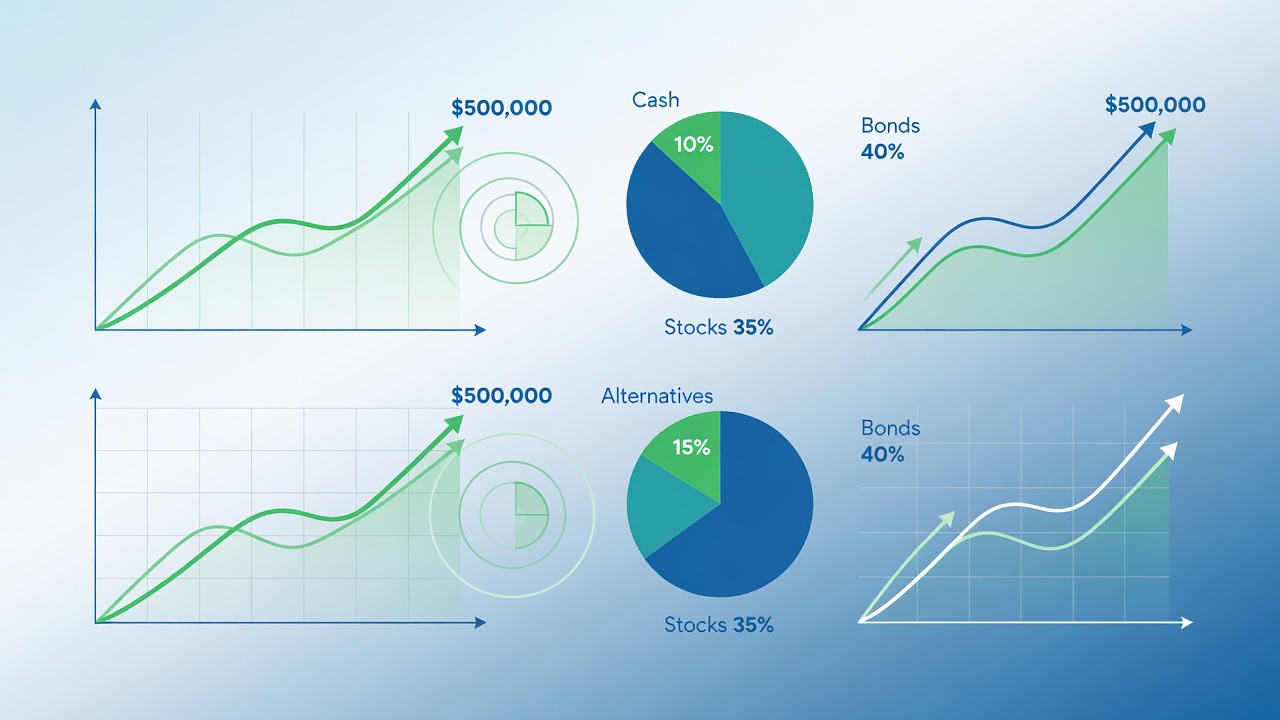
Introduction to Portfolio Rebalancing for Long-Term Wealth
Portfolio rebalancing is a powerful yet often overlooked strategy that helps investors maintain their desired asset allocation while capitalizing on market fluctuations. By systematically adjusting holdings, you can enhance compounding returns over time and move closer to financial independence. This comprehensive guide explores the core mechanics of rebalancing, its profound impact on long-term wealth building, and practical approaches to optimizing investment performance without excessive risk. Whether you are a beginner or an advanced investor, understanding rebalancing frequency guidelines, threshold-based versus time-based methods, tax implications, and real-world applications can transform your portfolio into a more efficient wealth-building engine.
Understanding the Core Mechanics of Rebalancing
Rebalancing involves periodically buying and selling assets to restore a portfolio to its target allocation. For example, if stocks outperform bonds, your portfolio may become overweight in equities, increasing risk. Rebalancing sells portions of the outperforming assets and buys underperformers, enforcing the discipline of buying low and selling high. This process directly supports compounding by locking in gains from winners and reinvesting in undervalued areas, creating a more resilient growth trajectory. Without rebalancing, drift can erode returns and expose investors to unintended volatility. The mechanics extend beyond simple percentage adjustments; they incorporate considerations for transaction costs, liquidity, and correlation shifts among asset classes over market cycles.
How Rebalancing Boosts Compounding Returns
Compounding thrives on consistent, disciplined growth. Rebalancing prevents any single asset class from dominating, which can lead to higher volatility and potential drawdowns. By maintaining target allocations, investors benefit from the mathematical power of compounding across a balanced risk spectrum. Over decades, this discipline can meaningfully enhance annualized returns by mitigating sequence-of-returns risk during retirement drawdown phases. Consider how unchecked equity overweighting might amplify losses in bear markets, derailing the steady accumulation that compounding requires. Rebalancing acts as a governor, ensuring the portfolio remains aligned with the investor's risk tolerance and time horizon.
Time-Based vs. Threshold-Based Rebalancing Methods
Investors typically choose between two primary approaches. Time-based rebalancing reviews and adjusts the portfolio on a fixed schedule such as quarterly or annually. This method is simple and predictable but may result in unnecessary trades during calm markets. Threshold-based rebalancing triggers adjustments only when allocations deviate by a set percentage, commonly 5 percent. This is more responsive to market moves and can reduce transaction costs. Many experts combine both methods for optimal results, using calendar checks as a safety net while allowing threshold triggers for efficiency. A hybrid approach often outperforms pure strategies by balancing responsiveness with cost control.
Recommended Rebalancing Frequency Guidelines
Frequency depends on portfolio size, costs, and market conditions. Annual rebalancing suits most long-term investors, while quarterly checks work well for larger portfolios or those using low-cost ETFs. Avoid over-rebalancing, as frequent trades can incur taxes and fees that erode compounding benefits. Market volatility plays a key role; during periods of high fluctuation, more frequent monitoring may be warranted, whereas stable bull markets allow for longer intervals. Investors should also factor in personal life events such as inheritance or major withdrawals that might necessitate off-cycle adjustments.
Navigating Tax Implications of Rebalancing
Tax-aware rebalancing is critical for taxable accounts. Strategies include harvesting losses to offset gains or directing new contributions toward underweight assets to minimize selling. For retirement accounts, tax implications are minimal, allowing more aggressive rebalancing. Investors must consider capital gains rates, dividend treatment, and wash-sale rules when executing trades. Resources like the IRS official site provide current guidance on these matters. In taxable accounts, prioritizing tax-efficient ETFs or municipal bonds within fixed-income allocations can further optimize after-tax returns.
Step-by-Step Portfolio Rebalancing Instructions
- Define your target allocation based on risk tolerance and goals.
- Calculate current percentages across asset classes using up-to-date valuations.
- Identify deviations exceeding your threshold or scheduled review date.
- Determine trades needed, prioritizing tax-efficient methods and new contributions where possible.
- Execute trades and document changes for future reference and performance tracking.
- Review overall performance and repeat on your chosen schedule while adjusting for life changes.
Real-World Examples with Sample Portfolios
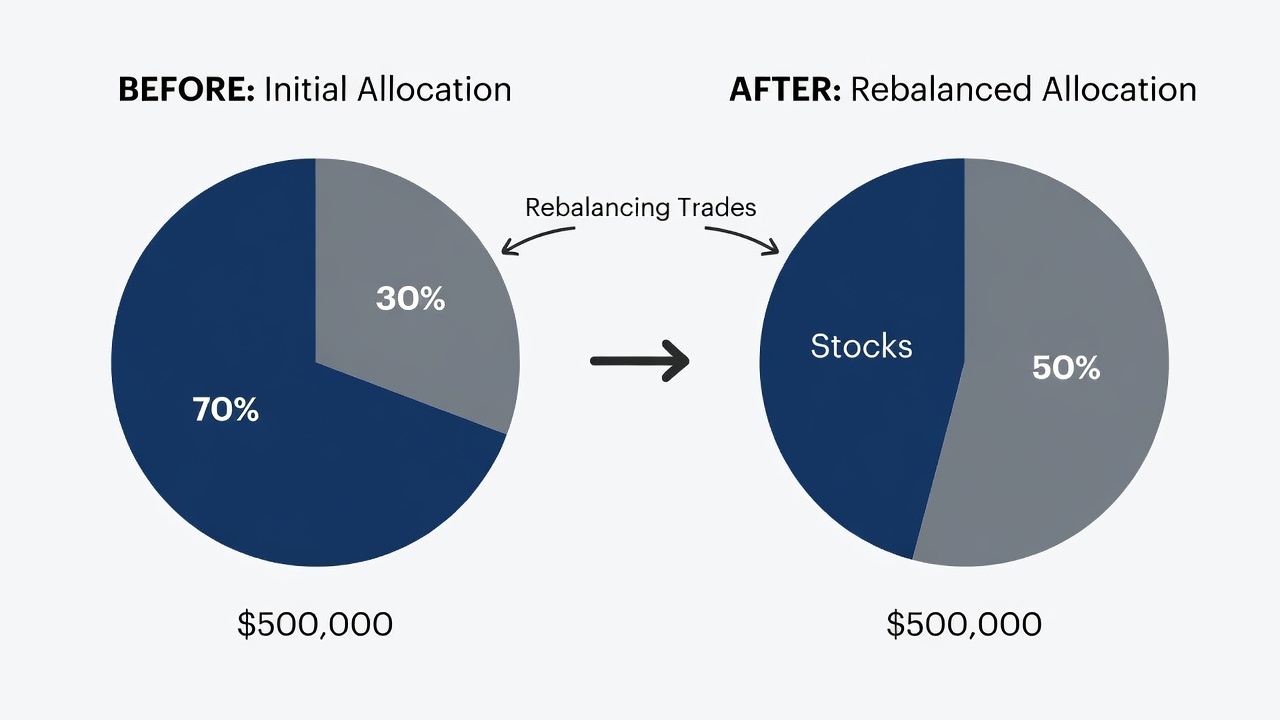
Imagine a $500,000 portfolio targeting 70 percent equities and 30 percent bonds. After a bull market, equities rise to 82 percent. Rebalancing sells portions of stocks and buys bonds to restore balance, locking in gains and repositioning for future compounding. Before-and-after comparisons often reveal reduced maximum drawdowns during subsequent corrections. Another example involves a retiree using a 50/50 allocation who rebalances annually, using new contributions to avoid selling during volatile periods. A third scenario features a young investor with a 90/10 stock-bond mix who employs threshold rebalancing at 5 percent deviations, resulting in fewer but more impactful trades over a 15-year horizon.
Before-and-After Comparisons and Behavioral Benefits
Comparing portfolios with and without rebalancing highlights the advantages. A drifting portfolio may deliver higher short-term returns but at the cost of elevated risk. Rebalanced versions typically show smoother equity curves and better adherence to the original risk profile. Behaviorally, rebalancing instills discipline, countering the emotional urge to chase recent winners or flee recent losers. This psychological edge supports long-term adherence to an investment plan.
Tools and Software for Effective Rebalancing
Modern investors can leverage spreadsheets, portfolio trackers, or automated platforms to simplify the process. Many brokerage accounts offer built-in rebalancing alerts, while dedicated software can model tax impacts and suggest optimal trades. When selecting tools, prioritize those that integrate with your existing accounts and provide clear visualizations of allocation drift.
Common Pitfalls and How to Avoid Them
Beginners often rebalance too frequently or ignore taxes. Advanced investors may overcomplicate thresholds or neglect correlation changes among holdings. Always align rebalancing with your overall investment policy statement and consider costs versus benefits. Another frequent mistake is failing to update target allocations as life circumstances evolve, such as nearing retirement.
Frequently Asked Questions
How often should beginners rebalance?
Start with annual reviews to build discipline without overtrading.
Does rebalancing work in all market conditions?
Yes, it enforces buy-low, sell-high behavior regardless of trends.
What role do robo-advisors play?
Many automate rebalancing at low cost, making the strategy accessible to a wider audience.
Should international holdings affect rebalancing decisions?
Yes, currency fluctuations and regional performance can create additional drift that requires attention.
Conclusion
Mastering portfolio rebalancing transforms it from a maintenance task into a strategic tool for accelerated compounding and financial independence. By understanding methods, timing, and tax considerations, investors can build resilient portfolios that deliver superior long-term results. Implement these steps consistently to unlock enhanced wealth-building potential.
No comments yet. Be the first!