 Bullish Portfolio

Introduction: Expanding Beyond Traditional Markets for Financial Independence
Financial independence (FI) relies on building wealth that grows reliably over decades through compounding returns. While stocks and ETFs dominate most portfolios, overlooked asset classes such as farmland, fine art, and collectibles offer unique diversification benefits. These alternatives can reduce correlation with public markets and potentially accelerate long-term growth when integrated thoughtfully. Many investors focus solely on equities because of their liquidity and accessibility, yet historical patterns demonstrate that adding non-correlated assets improves portfolio resilience during market volatility. This comprehensive guide examines historical performance data, detailed risk profiles compared to traditional investments, step-by-step acquisition strategies, tax implications, and real-world investor examples. It also provides an expanded beginner checklist and addresses common concerns around liquidity and valuation challenges to help readers make informed decisions aligned with long-term compounding principles.
Farmland as a Compounding Asset
Farmland delivers returns through crop yields, land appreciation, and rental income. Historical data from the U.S. Department of Agriculture shows consistent annual appreciation alongside income generation, often with lower volatility than equities during economic downturns. Investors appreciate farmland because it provides both income and capital growth, allowing returns to compound steadily over time without the daily price swings seen in stock markets. Compared to stocks, farmland exhibits lower correlation to market swings, making it valuable for FI portfolios seeking stability. Risks include weather variability, commodity price fluctuations, and operational challenges, but these can be mitigated through diversified holdings or professional management. For example, choosing properties across multiple regions reduces exposure to localized droughts or pests.
Step-by-Step Acquisition of Farmland
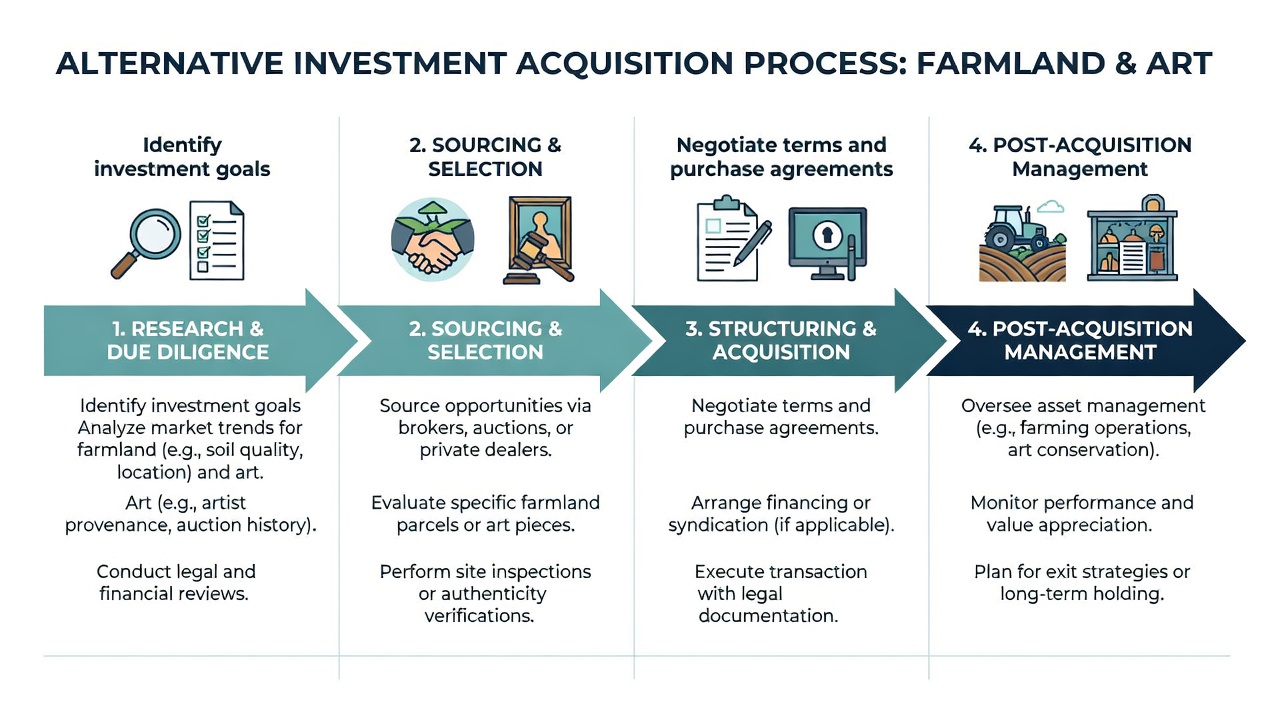
- Research regional soil quality, water rights, and crop suitability using public agricultural reports from reliable sources.
- Evaluate REITs or crowdfunding platforms for indirect exposure with lower capital requirements and professional oversight.
- Consult legal experts for purchase agreements, zoning regulations, and leasing structures that protect long-term ownership rights.
- Secure financing through specialized agricultural lenders and conduct thorough environmental assessments to avoid hidden liabilities.
- Monitor performance via yield reports and soil health metrics annually, adjusting crop rotations or tenant agreements as needed.
Fine Art for Long-Term Wealth Building
Fine art has historically appreciated over multi-decade periods, driven by scarcity and cultural demand. Blue-chip works from established artists provide a store of value that often performs independently of stock market cycles. Over time, carefully selected pieces can generate substantial compounding returns as global demand for cultural heritage increases. Risks involve authentication issues, storage costs, and subjective valuation. However, institutional-grade pieces tracked by recognized indices demonstrate resilience during recessions. Proper due diligence, including provenance verification and condition reports, significantly reduces these risks for patient investors focused on financial independence.
IRS guidelines outline capital gains treatment for art sales, emphasizing the importance of proper documentation and record-keeping.
Acquisition Methods for Fine Art
- Attend reputable auctions or work with established galleries for verified provenance and transparent pricing history.
- Use fractional ownership platforms to access high-value pieces with smaller investments while sharing costs with other collectors.
- Partner with art advisors for due diligence on condition reports and market comparables from recent sales data.
- Arrange secure storage and insurance through specialized providers experienced in climate-controlled environments.
Collectibles: Tangible Assets with Compounding Potential
Collectibles such as rare coins, vintage watches, and classic automobiles combine utility with appreciation. Performance varies by category, but well-curated collections have shown resilience through inflation and market turbulence when selected for rarity and condition. Additional categories like antique furniture or limited-edition memorabilia can further diversify exposure. Key risks include fakes, shifting collector tastes, and high transaction costs. Diversification across sub-categories and regular expert appraisals help manage these factors effectively. Investors often start with items they personally enjoy to maintain long-term interest while pursuing financial returns.
Risk Comparisons to Traditional Markets
Traditional stock and ETF investments offer high liquidity but experience significant drawdowns during bear markets. In contrast, farmland tends to maintain value through physical utility and essential food production. Fine art and collectibles provide emotional and aesthetic returns alongside financial ones, though they require specialized knowledge. Overall portfolio risk decreases when these assets are added in modest allocations because their price movements rarely align with equity indices. This diversification supports steadier compounding over 20- to 30-year FI timelines.
Historical Performance Data and 2026 Opportunities
Long-term studies reveal that quality farmland has delivered positive returns in most decades, often outperforming inflation. Fine art indices show strong growth during periods of economic expansion and wealth concentration. Collectibles perform best when rarity increases over time. In 2026, opportunities include precision agriculture technologies that boost yields on existing land and blockchain-based provenance systems that enhance transparency for art and collectibles. These innovations align well with compounding goals by improving both income potential and exit liquidity.
Tax Considerations Across Asset Classes
Tax treatment differs significantly from stocks. Farmland may qualify for favorable agricultural deductions and depreciation benefits, while art and collectibles often face higher long-term capital gains rates upon sale. Investors should consult tax professionals for entity structuring, such as using LLCs or trusts, to optimize outcomes. Regular reviews of current IRS publications help ensure compliance with rules on qualified dividends versus collectible gains. Additional planning around estate taxes and charitable contributions can further enhance net compounding results.
Real-World Investor Examples
One FI enthusiast allocated 10% of net worth to Midwest farmland via a REIT structure, achieving steady rental income that compounded alongside land value growth over 18 years. Another built a diversified art portfolio through gallery relationships, later selling select pieces to fund early retirement milestones without disrupting stock holdings. A third investor focused on rare coins, using auction proceeds to purchase additional farmland and create a self-reinforcing cycle of asset growth. These cases highlight patient capital allocation and the power of non-correlated returns over extended periods.
Beginner Checklist for Alternative Assets
- Assess overall portfolio allocation limits, typically keeping alternatives between 5% and 15% to maintain balance.
- Verify liquidity needs and ensure an emergency fund covers at least two years of expenses before committing capital.
- Build knowledge through reputable industry reports, academic studies, and consultations with specialized advisors.
- Start small with indirect vehicles such as funds or REITs before moving to direct ownership of physical assets.
- Establish robust record-keeping systems for valuations, maintenance expenses, and transaction history.
- Review insurance and security measures for physical assets, including climate control and theft prevention.
- Rebalance annually to keep alternative allocations aligned with overall FI targets and risk tolerance.
FAQ: Addressing Liquidity and Valuation Challenges
How liquid are these assets compared to stocks?
Farmland and art typically require months or years for full liquidation, unlike daily-traded equities. Indirect vehicles such as REITs or fractional platforms improve accessibility but may carry ongoing management fees.
What methods exist for accurate valuation?
Appraisals by certified experts, recent auction results, and published indices provide reliable benchmarks. Regular third-party valuations help track compounding progress accurately and support tax reporting.
Are there 2026-relevant opportunities in these markets?
Emerging trends include sustainable farmland practices that qualify for government incentives and digital provenance tracking for art and collectibles that improves buyer confidence and liquidity.
How do these assets handle inflation over long periods?
Physical assets like farmland and rare collectibles often preserve purchasing power because their scarcity or productive capacity tends to rise with broader price levels, supporting real compounding returns.
Conclusion
Incorporating overlooked assets like farmland, fine art, and collectibles can meaningfully enhance compounding within an FI strategy. By understanding performance history, risks, acquisition steps, and tax rules, investors position themselves for more robust, diversified wealth accumulation over time. Thoughtful implementation of these hidden gems transforms a standard portfolio into a resilient engine for financial independence.


No comments yet. Be the first!