 Bullish Portfolio

Introduction to Generational Wealth Through Compounding
Building wealth that lasts across generations requires more than saving—it demands harnessing the exponential power of compounding returns over decades. In 2026, families are increasingly focused on strategies that extend investment timelines beyond a single lifetime. This approach transforms modest contributions into substantial legacies while navigating inflation, taxes, and family dynamics. Compounding works by reinvesting earnings to generate further growth, creating a snowball effect that accelerates over time. When applied across family structures, it can secure financial independence for children and grandchildren. The key lies in starting early, choosing efficient vehicles, and educating the next generation on disciplined financial habits.
Many families overlook how small, consistent actions today create outsized results decades later. Understanding these principles helps avoid common mistakes and positions wealth as a lasting family asset rather than a one-time transfer.
Understanding the Mechanics of Long-Term Compounding
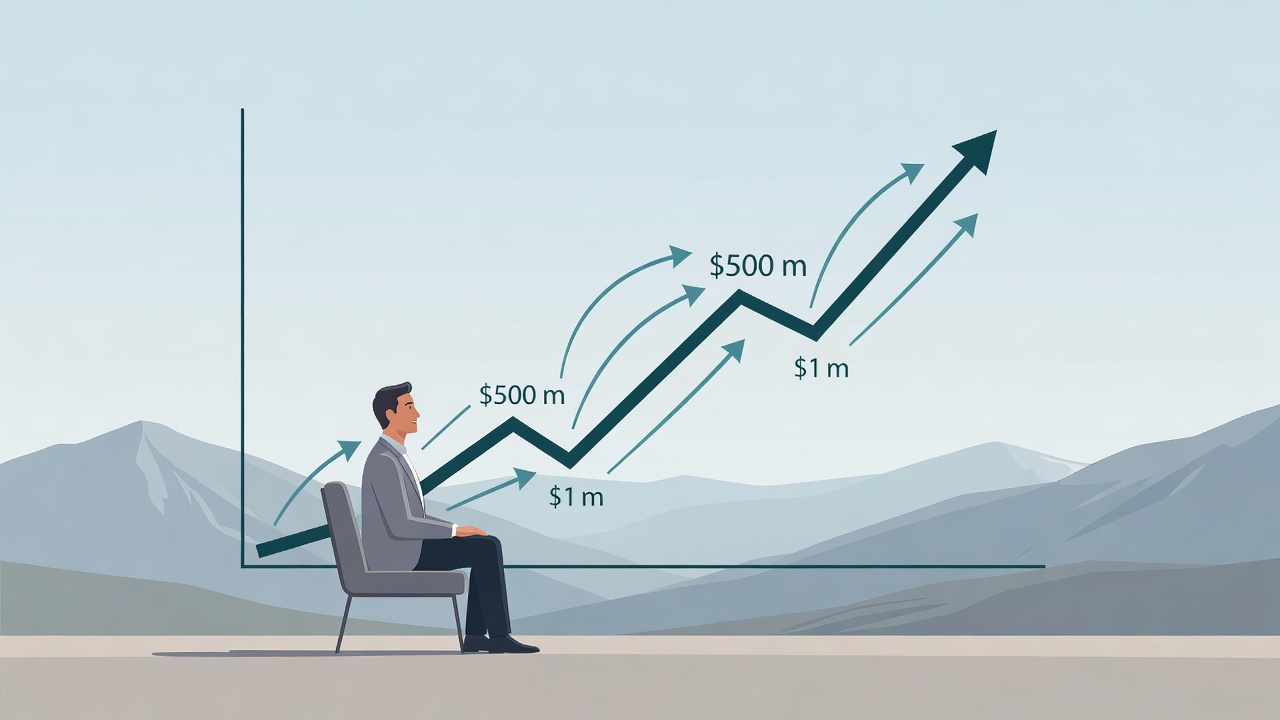
Compounding accelerates wealth when returns are reinvested consistently. For generational planning, timelines spanning 50–100 years magnify results dramatically. Consider a family portfolio growing at an average annual rate: even small differences in returns compound into life-changing sums over multiple decades. The process begins with an initial principal that generates returns, which are then added back to the principal for the next period of growth.
Real-world examples highlight this principle clearly. A family that invests steadily in diversified equities can watch the balance grow exponentially rather than linearly. Projections should account for variables like market volatility and withdrawal rates to maintain sustainability across generations. Families benefit from modeling different scenarios to see how reinvestment frequency and rate differences impact outcomes over 70 or more years.
Setting Up Generational Trusts for Lasting Impact
Trusts serve as foundational tools for protecting and transferring wealth. Irrevocable trusts, dynasty trusts, and generation-skipping trusts allow assets to grow tax-efficiently while specifying distribution rules. These structures minimize estate taxes and shield assets from creditors or poor financial decisions by beneficiaries.
Practical steps include consulting an estate attorney to draft documents tailored to family goals. Funding the trust with appreciating assets maximizes compounding potential. Regular reviews ensure alignment with evolving tax laws and family circumstances. Families should also consider trustee selection carefully, choosing individuals or institutions with expertise in long-term asset management and impartial decision-making.
Teaching Children Investing Basics for Continuity
Financial literacy is essential for preserving wealth across generations. Parents can introduce concepts through age-appropriate activities: opening custodial accounts, discussing stock ownership, and simulating portfolio decisions. This hands-on education fosters responsible stewardship and reduces the likelihood of wealth being squandered quickly.
Key lessons cover diversification, risk tolerance, and the importance of patience. Families that prioritize education reduce the risk of wealth dissipation in subsequent generations. Start with simple explanations for younger children using everyday examples, then progress to more complex topics like asset allocation and tax implications as they mature. Regular family meetings about investments can reinforce these lessons and encourage open dialogue.
Using Tax-Efficient Vehicles to Extend Timelines
Tax-advantaged accounts such as Roth IRAs, 529 plans, and health savings accounts enable compounding without annual tax drag. For multi-generational use, consider strategies like Roth conversions and strategic gifting that keep more capital invested longer. These vehicles help families minimize the impact of taxes on growth, allowing the full power of compounding to work uninterrupted.
Official guidance from IRS resources helps families navigate contribution limits and withdrawal rules. Combining these vehicles with brokerage accounts creates layered protection against tax erosion. Another authoritative reference is available at SEC investor education pages, which offers insights into regulatory protections for long-term investment vehicles.
Calculating Multi-Decade Projections with Examples
Accurate projections require modeling tools that factor in inflation, fees, and varying returns. Use spreadsheet software or financial calculators to run scenarios: compare a moderate equity return versus a more conservative fixed-income approach over 80 years to see the dramatic difference in outcomes. Families should update these models annually based on actual performance and changing economic conditions.
Example one: A family starts with an initial sum and adds regular contributions over decades. Over 70 years, disciplined compounding can multiply this into amounts that support education, homes, and businesses for descendants. Example two: Different inheritance structures are compared side-by-side to illustrate how trust-based approaches often outperform direct transfers due to reduced tax leakage. Adjust assumptions annually to reflect current market conditions and personal circumstances.

Comparing Different Inheritance Approaches
Direct bequests offer simplicity but expose assets to probate and taxes. In contrast, trusts provide control and tax advantages. Life insurance policies and donor-advised funds add flexibility for charitable goals alongside family wealth transfer.
Each method has trade-offs that families must evaluate carefully. Direct transfers are easiest to execute but offer less protection. Trust structures deliver greater control yet require more upfront planning and ongoing administration. Life insurance can provide liquidity without market risk, while donor-advised funds allow families to combine wealth building with philanthropic intentions. Hybrid strategies often deliver the best balance of protection and growth for most families.
Addressing Common Pitfalls and Expanded FAQs
Successful generational planning requires awareness of potential obstacles. Inflation can silently erode purchasing power, beneficiary conflicts may arise without clear instructions, and over-distribution can deplete principal faster than expected. Families should also watch for changes in tax legislation that could affect trust structures.
- Inflation Erosion: Maintain allocations to growth assets to outpace rising costs over generations.
- Beneficiary Planning: Update designations regularly and consider contingent beneficiaries to avoid unintended distributions.
- Over-Distribution: Set clear guidelines in trust documents to prevent rapid depletion.
- Market Timing Mistakes: Encourage long-term holding rather than reactive trading within family portfolios.
FAQ 1: How does inflation affect compounding? Inflation reduces purchasing power, so portfolios must target real returns above inflation rates through diversified growth assets.
FAQ 2: What if beneficiaries are not financially savvy? Include spendthrift provisions and staggered distributions in trust structures to protect assets while providing guidance.
FAQ 3: Can compounding work with conservative investments? Yes, but timelines lengthen; balance safety with growth to meet family needs across decades.
FAQ 4: How often should families review their wealth plans? Conduct annual reviews and major updates after life events such as births, marriages, or significant market shifts.
FAQ 5: What role does insurance play in generational strategies? Insurance products can provide tax-free liquidity and protect against premature loss of key family members who manage investments.
Conclusion
Generational wealth building through compounding demands foresight, education, and disciplined execution. By implementing trusts, tax-efficient strategies, and family financial literacy programs, families position themselves for enduring prosperity. Start today to give future generations the gift of financial independence and the tools to continue growing that legacy.

No comments yet. Be the first!