 Bullish Portfolio
Understanding ESG and Traditional Investing in 2026
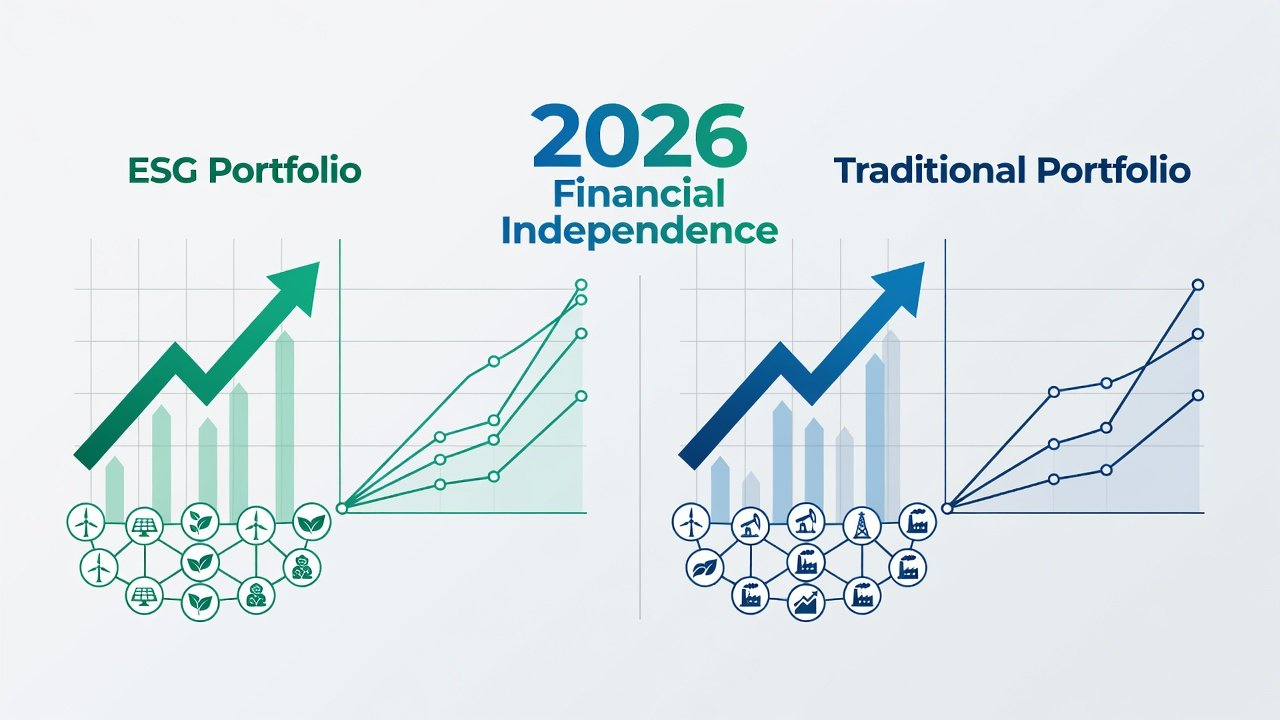
Financial independence seekers often weigh ethical considerations against pure performance. ESG investing integrates environmental, social, and governance factors into portfolio decisions, while traditional approaches focus solely on financial metrics. Both paths aim for strong compounding returns, but their 2026 trajectories differ based on market cycles and risk management. Compounding returns accelerate wealth building when reinvested consistently over decades, turning modest annual gains into substantial portfolios that support early retirement or reduced work years. Readers targeting FI need strategies that balance growth with sustainability, especially as global regulations evolve and investor preferences shift toward responsible capital allocation.
This guide examines real-world data from recent cycles to clarify which approach delivers superior long-term results. By analyzing risk-adjusted yields and how ESG criteria shape outcomes, investors can make informed choices that align with both financial goals and personal values without unnecessary trade-offs.
Performance Analysis: 2026 Data and Risk-Adjusted Returns
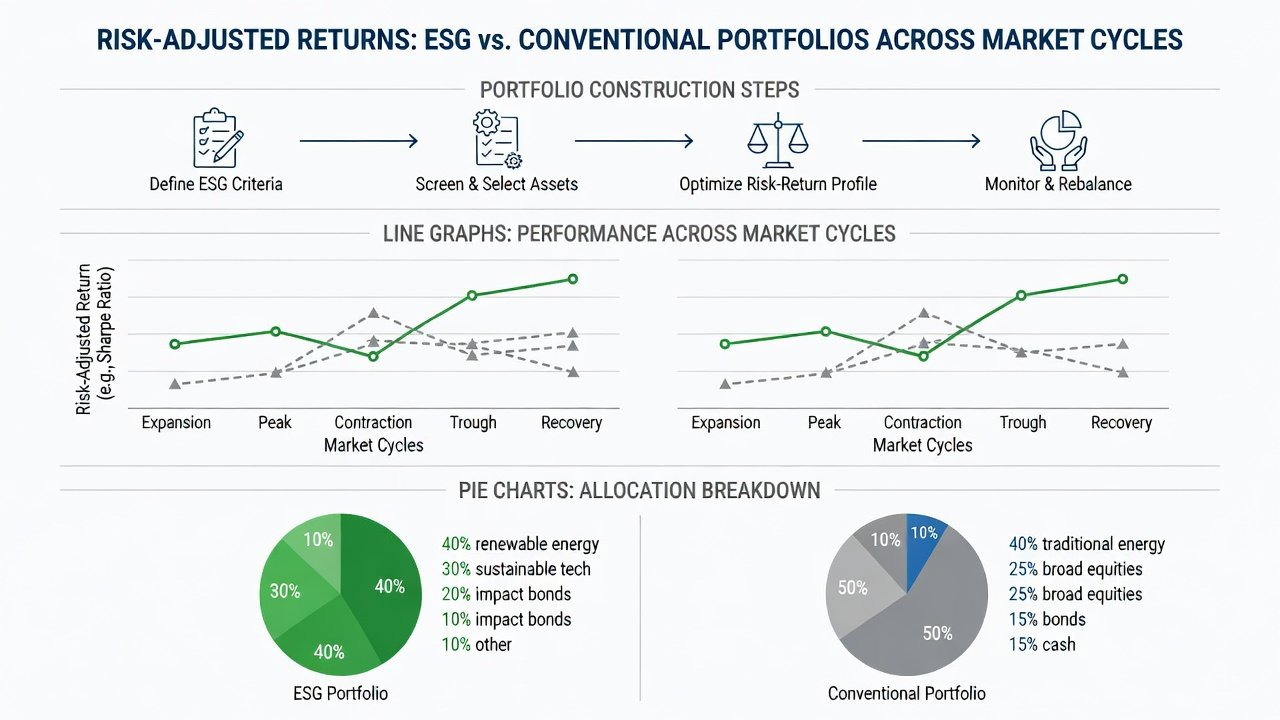
Market cycles from 2020 through 2025 show ESG portfolios often matching or exceeding traditional benchmarks on a risk-adjusted basis. Factors like climate resilience and strong governance reduced volatility during downturns. Traditional portfolios benefited from broad market exposure but faced higher drawdowns in sectors exposed to regulatory shifts. In the 2022 inflation surge, for instance, companies with robust ESG practices demonstrated better access to capital and supply chain stability, leading to steadier earnings trajectories that supported ongoing compounding.
Side-by-side projections for 2026 highlight how ESG criteria influence compounding. Portfolios emphasizing clean energy and ethical supply chains demonstrated resilience amid inflation pressures. Traditional heavy allocations in fossil fuels and legacy industries sometimes lagged when policy changes accelerated. Risk-adjusted metrics, such as Sharpe ratios, frequently favored ESG when measuring returns per unit of volatility, underscoring the value of forward-looking screens in volatile environments.
SEC resources provide regulatory context for both styles. Investors should review filings to assess how ESG disclosures affect company valuations over multi-year horizons, ensuring portfolios remain positioned for sustained wealth building through 2026 and beyond.
Portfolio Construction Steps for Superior Compounding
Building an effective portfolio starts with clear goals. Define your FI timeline and risk tolerance first. Next, allocate across asset classes while screening for ESG alignment or traditional value metrics. The process requires ongoing attention to maintain momentum toward financial independence.
- Assess current holdings for exposure to high-impact sectors, identifying overlaps or gaps that could hinder compounding returns.
- Incorporate broad ETFs that meet your criteria for either style, focusing on low-cost vehicles that minimize drag on long-term growth.
- Rebalance quarterly to maintain target allocations and capture compounding, adjusting for any drift caused by market movements.
- Monitor external factors like interest rate shifts from the Federal Reserve, which can influence both ESG and traditional asset classes differently.
- Stress-test the portfolio against historical downturns to ensure resilience, incorporating diversification across geographies and industries.
Practical examples from the 2022-2023 rate-hike cycle show disciplined rebalancing preserved gains in both ESG and traditional setups. Investors who avoided panic selling during volatility benefited from subsequent recoveries, illustrating how structured construction supports wealth building even in uncertain times.
Side-by-Side Return Projections and Integration Tactics
Projections based on recent performance patterns suggest ESG portfolios may deliver competitive compounding in 2026, particularly in sectors benefiting from sustainability trends. Traditional portfolios offer straightforward beta exposure that can outperform in broad bull markets. Integration tactics involve blending the two: use traditional index funds as a core holding for cost efficiency while adding ESG-focused satellites for thematic exposure. This hybrid approach maximizes compounding returns by balancing stability with targeted growth opportunities, directly supporting paths to financial independence.
Decision Framework: Choosing Your Path
Use this simple framework to decide between approaches. Score each option on expected return, risk level, and alignment with personal values. ESG scores higher when ethical consistency supports long-term conviction. Traditional scores higher for pure market-beta exposure without screens.
- High-growth tolerance favors traditional diversification for rapid accumulation phases.
- Values-driven investors prefer ESG for reduced regret risk during market swings.
- Hybrid models blend both for balanced compounding that adapts to changing conditions.
Recent cycles prove neither style guarantees outperformance every year. The key is consistent execution aligned with your FI objectives and regular review of how each choice impacts overall wealth building.
Common Pitfalls to Avoid in ESG and Traditional Strategies
Many investors overlook hidden costs or fail to rebalance adequately, eroding compounding potential. Another frequent mistake is chasing short-term trends without considering long-term horizon needs. Over-concentration in popular ESG themes like renewables can increase volatility, while traditional portfolios may suffer from outdated sector biases. Always diversify and maintain a disciplined process to prevent these issues from derailing progress toward financial independence.
FAQ on Fees, Rebalancing, and Integration
How do fees impact compounding in ESG versus traditional portfolios?
Expense ratios matter over decades. Lower-cost vehicles in either category preserve more returns for compounding. Review fund prospectuses annually and compare total ownership costs to ensure they do not significantly detract from wealth building goals.
What rebalancing schedule works best?
Quarterly or semi-annual reviews prevent drift while minimizing transaction costs. Automated tools help maintain discipline without emotional interference, supporting steady growth trajectories.
Can ESG and traditional strategies integrate effectively?
Yes. Core-satellite structures place traditional holdings in the core and targeted ESG positions in satellites for optimized risk-adjusted growth and enhanced compounding returns.
How often should investors review ESG criteria?
Annual reviews suffice for most, but major regulatory changes or company events warrant immediate assessment to keep portfolios aligned with both ethics and performance targets.
Conclusion
Both ESG and traditional investing can fuel strong 2026 compounding toward financial independence when executed with discipline. Focus on your risk profile, rebalancing habits, and long-term horizon rather than short-term style debates. Consistent application of sound principles drives wealth building regardless of the chosen path, allowing investors to achieve ethical high-growth outcomes without sacrificing returns.
No comments yet. Be the first!