 Bullish Portfolio
Introduction to Compounding Returns and Financial Independence
Compounding returns represent one of the most powerful forces in wealth building, allowing your investments to grow exponentially over time as earnings generate additional earnings. For those targeting financial independence (FI) by 2026, understanding and applying this principle is essential. This guide provides a comprehensive roadmap, including calculations, asset selection, portfolio examples, automation steps, and strategies to avoid common pitfalls. Financial independence means having sufficient passive income to cover living expenses without relying on active employment. By focusing on long-term compounding rather than short-term gains, individuals can build sustainable wealth even in volatile markets. The magic of compounding lies in its ability to accelerate growth the longer your money remains invested, turning modest contributions into substantial portfolios over time. Many successful investors attribute their achievements to starting early and remaining consistent rather than attempting to time the market perfectly.
The Power of Starting Early and Consistent Contributions
Time is the most critical factor in compounding. Even small differences in starting age can lead to dramatically different outcomes by 2026. For instance, someone beginning with regular contributions in their early thirties will benefit from more compounding cycles compared to someone starting later. Consistency amplifies this effect because each contribution immediately begins earning returns that then compound on prior gains. Delaying action reduces the total number of compounding periods available before your target year, making it harder to reach FI goals without significantly larger monthly investments later on.
Calculating Projected Returns Over Time
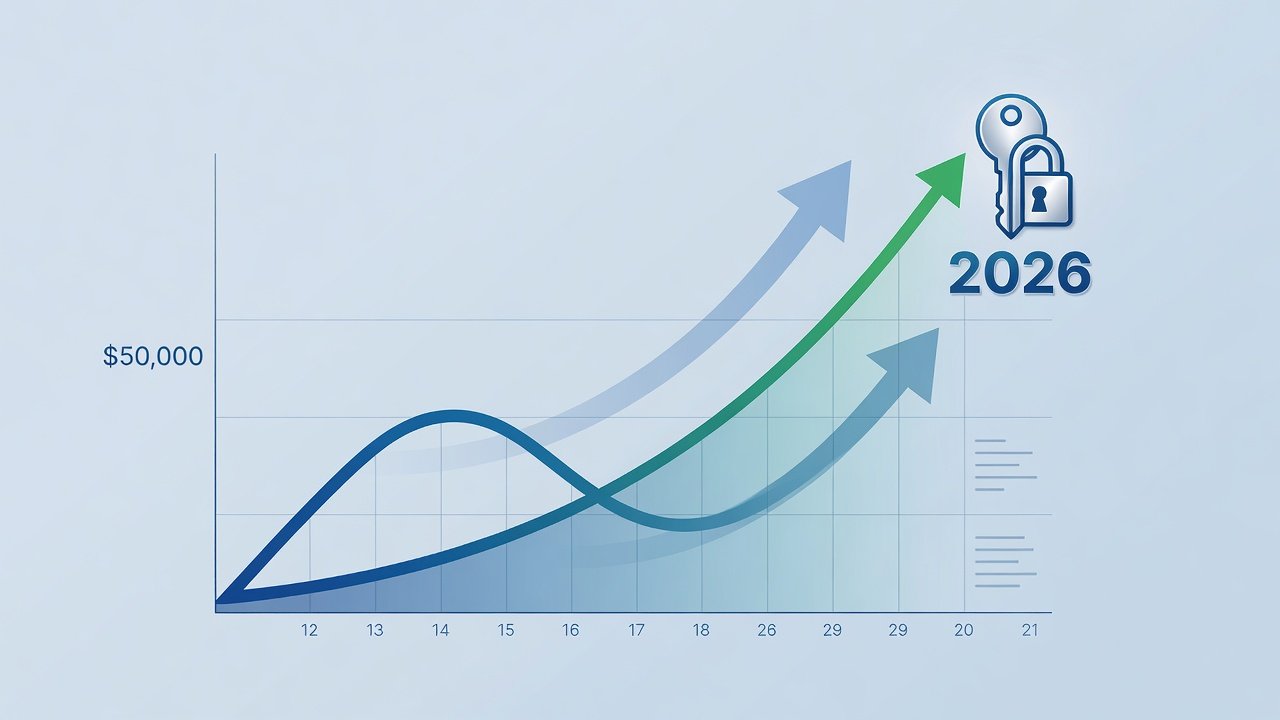
To set realistic FI goals, start by projecting future portfolio values using the compound interest formula: Future Value = Present Value × (1 + Rate)^Time. For example, an initial $50,000 investment at an average 7% annual return over 10 years grows significantly due to compounding. Use online calculators from reputable sources or spreadsheets to model scenarios with varying contribution amounts and rates of return. Adjust for inflation to ensure projections reflect real purchasing power. Break down your timeline to 2026 by estimating monthly contributions needed alongside expected market returns. Review historical data from broad indexes to inform your assumptions, but remember past performance does not guarantee future results. Consider running multiple scenarios including conservative 5% returns, moderate 7% returns, and optimistic 9% returns to prepare for different market environments. Factor in taxes on taxable accounts separately when modeling net growth.
Selecting Suitable Asset Classes for Steady Compounding
Choose asset classes that balance growth potential with risk management. Equities, particularly broad-market index funds and ETFs, have historically delivered strong long-term compounding. Bonds provide stability, while real estate investment trusts (REITs) add diversification. Avoid high-fee products that erode returns over decades. Focus on low-cost, tax-efficient vehicles such as index funds tracking the S&P 500 or total stock market. International diversification can further enhance compounding by capturing global growth opportunities. Within equities, consider blending large-cap, mid-cap, and small-cap exposure for broader participation in economic growth. Fixed-income allocations should emphasize high-quality government and corporate bonds to minimize credit risk while generating steady interest that can be reinvested.
Real-World Portfolio Examples for Different Risk Levels
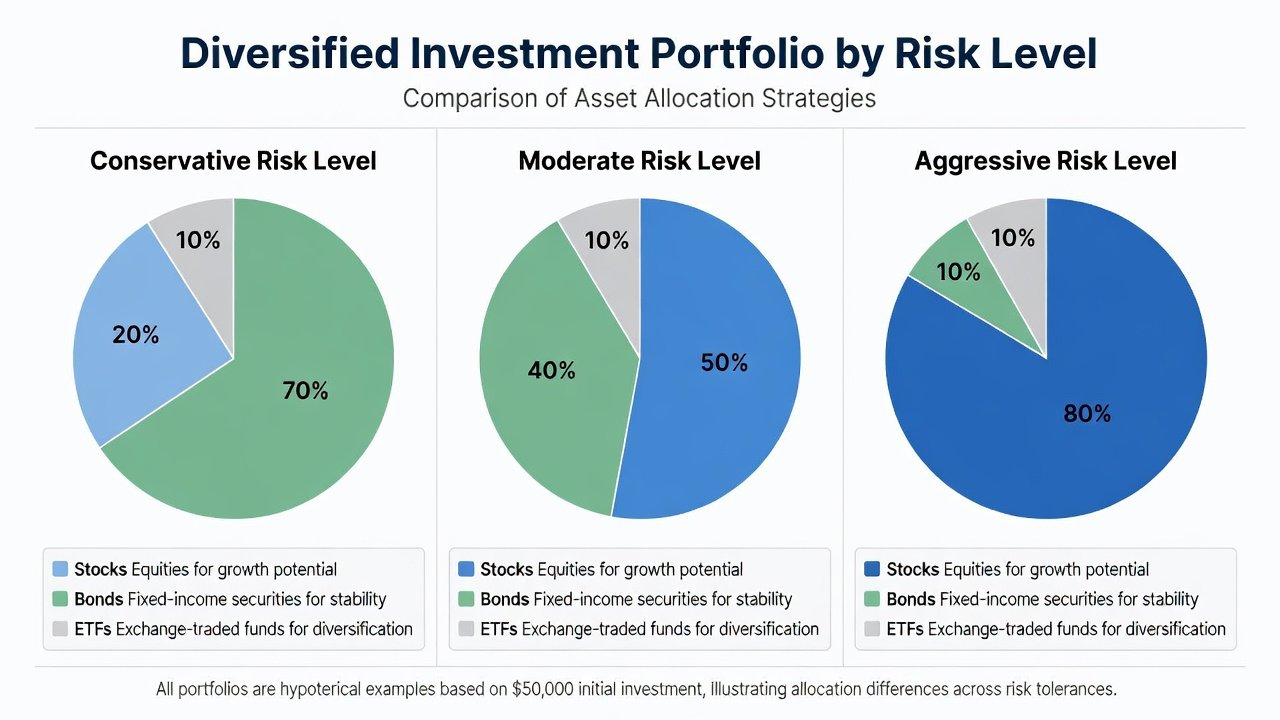
Conservative investors might allocate 60% bonds and 40% equities for steady compounding with lower volatility. Moderate portfolios often use 60% equities and 40% bonds, while aggressive ones favor 80-100% equities for maximum long-term growth. Rebalance annually to maintain target allocations. Conservative portfolios suit those nearing FI who prioritize capital preservation. Moderate allocations work well for mid-career individuals balancing growth with some stability. Aggressive portfolios suit younger investors with longer horizons who can tolerate short-term fluctuations. Within each category, include sub-allocations such as 20% international equities in moderate portfolios or 10% REITs in aggressive ones to improve diversification and potential returns.
Step-by-Step Guide to Setting Up Automated Contributions
1. Open a brokerage or retirement account with low fees. 2. Set up automatic transfers from your paycheck or bank account on payday. 3. Allocate contributions according to your target asset mix. 4. Enable dividend reinvestment to maximize compounding. 5. Review and adjust contributions quarterly as income changes. Consistency matters more than timing the market. Even small automated amounts compound powerfully over years. Choose platforms that allow fractional share purchases to ensure every dollar is invested immediately. Set contribution amounts as a fixed percentage of income to scale automatically with raises. Monitor for any transaction fees that could accumulate and reduce net compounding benefits over time.
Tracking Progress Toward FI Goals
Use net worth tracking apps or simple spreadsheets to monitor asset growth monthly. Calculate your FI number by multiplying annual expenses by 25 (the 4% safe withdrawal rule). Track savings rate as a percentage of income and project when your portfolio will support your lifestyle. Establish quarterly review sessions to compare actual growth against projections and adjust contribution levels or asset allocation if needed. Include all accounts such as taxable brokerage, retirement plans, and emergency funds when calculating overall progress. Celebrate milestones like reaching certain net worth thresholds to maintain motivation throughout the multi-year journey.
Common Pitfalls Versus Successful Habits
Pitfalls include chasing hot stocks, ignoring fees, panic selling during downturns, and neglecting tax-advantaged accounts. Successful habits involve maintaining a long-term perspective, automating investments, diversifying broadly, and continuously educating yourself through reliable resources. Another common pitfall is lifestyle inflation where increased income leads to higher spending instead of higher savings rates. Successful investors counteract this by automating raises directly into investments. Overtrading and attempting to predict short-term market moves also destroys compounding by incurring costs and taxes. In contrast, buy-and-hold approaches with periodic rebalancing preserve returns and minimize decision fatigue.
FAQ on Taxes and Market Volatility
How do taxes affect compounding returns?
Taxes can significantly reduce net returns. Utilize tax-advantaged accounts like IRAs and 401(k)s to defer or eliminate taxes on growth. Consult IRS guidelines for current contribution limits and rules.
How should I handle market volatility?
Stay invested through downturns to allow compounding to recover losses over time. Maintain an emergency fund separate from your investment portfolio and avoid emotional decisions. Consider dollar-cost averaging to smooth entry points.
What if I start later than planned?
Even starting later allows meaningful progress through higher contribution rates and optimized asset allocation. Focus on maximizing savings rate and minimizing unnecessary expenses to accelerate catch-up contributions.
How does inflation impact my FI timeline?
Inflation erodes purchasing power, so model real returns after inflation in your projections. Select investments with historical returns that have outpaced inflation over long periods to protect your future lifestyle.
Conclusion
Building wealth through compounding returns requires discipline, patience, and a structured plan. By calculating projections, selecting appropriate assets, automating contributions, and avoiding common mistakes, you can position yourself for financial independence by 2026 and beyond. Start today with consistent action, and let time and compounding work in your favor. Regular education and periodic plan reviews will help adapt to changing circumstances while staying focused on long-term objectives.
No comments yet. Be the first!