 Bullish Portfolio
Introduction to AI-Driven Compounding for Financial Independence
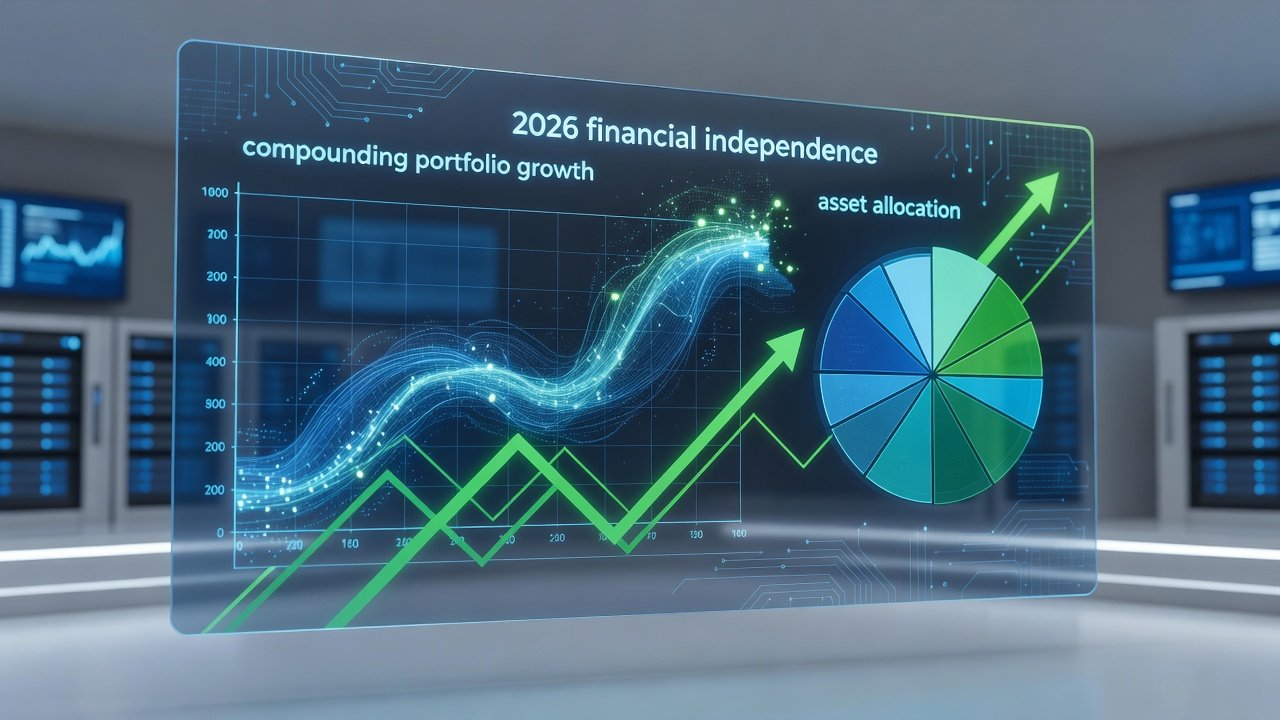
Financial independence (FI) seekers in 2026 are increasingly turning to artificial intelligence to accelerate wealth building through optimized compounding. Compounding returns remain the cornerstone of long-term growth, where reinvested gains generate exponential results over decades. AI portfolio tools enhance this process by automating asset allocation, predicting market shifts, and minimizing emotional decision-making that often derails manual strategies. In an era of volatile markets and complex global economies, these tools provide a systematic edge that traditional methods struggle to match consistently.
This comprehensive guide examines how emerging AI platforms integrate with brokerages to deliver measurable improvements in risk-adjusted returns. Readers will find practical comparisons, detailed step-by-step implementation examples, and real-world case studies demonstrating faster paths to FI milestones. Whether you are just beginning your FI journey or refining an existing portfolio, understanding these technologies can transform your approach to wealth accumulation.
The Power of Compounding Returns in FI Strategies
Compounding works by earning returns on both principal and accumulated interest. For FI aspirants targeting 25x annual expenses, even small improvements in annual returns compound dramatically. Historical data shows that consistent 7-8% real returns can turn modest savings into substantial nest eggs within 20-30 years. The magic lies in time: the longer your capital remains invested and reinvested, the more pronounced the growth curve becomes.
AI tools amplify this effect through dynamic rebalancing and predictive analytics that adjust portfolios based on evolving economic indicators. Rather than relying on static buy-and-hold approaches, AI systems continuously evaluate opportunities to maintain optimal exposure. SEC resources emphasize the importance of disciplined, long-term investing, principles that AI now executes at scale with greater precision and speed than human oversight alone permits.
How AI Portfolio Tools Optimize Asset Allocation
Predictive analytics form the core of modern AI platforms. These systems analyze vast datasets including macroeconomic trends, earnings reports, and sentiment indicators to forecast optimal allocations across equities, bonds, and alternatives. Risk-adjusted compounding improves when AI identifies undervalued assets or reduces exposure ahead of volatility spikes. For example, during periods of rising interest rates, an AI model might shift toward defensive sectors like utilities or consumer staples while trimming growth stocks.
Key features include automated tax-loss harvesting, dividend reinvestment scheduling, and scenario modeling for different market regimes. Brokerage integrations with major providers allow seamless execution without manual intervention. Users can set custom parameters such as maximum drawdown limits or target allocation bands, after which the AI handles day-to-day execution. This level of granularity helps maintain compounding momentum even when markets deviate from historical norms.
Comparing Leading AI Portfolio Platforms
Several platforms stand out for 2026 FI users due to robust integrations and performance tracking. Evaluation criteria include automation depth, historical backtested metrics, user interface simplicity, and data security protocols. Platforms offering real-time adjustments and multi-asset support generally outperform static robo-advisors. Integration with popular brokerages enables automatic syncing of holdings, reducing the friction of manual transfers.
Users report enhanced compounding when platforms incorporate alternative data sources such as satellite imagery for supply chain analysis or natural language processing of earnings calls. When selecting a tool, consider factors like mobile accessibility, reporting dashboards, and the ability to incorporate personal financial goals beyond pure market data.
Step-by-Step Setup for AI Portfolio Automation
- Assess current portfolio and define FI timeline and risk tolerance. Begin by calculating your FI number based on projected annual expenses and desired withdrawal rate.
- Select a platform with direct brokerage API connections. Verify compatibility with your existing accounts to avoid transfer fees or delays.
- Link accounts and enable automated rebalancing rules. Set initial parameters such as target equity-to-bond ratios and maximum sector concentrations.
- Configure predictive models for target asset classes. Input your specific FI milestones so the AI can prioritize growth versus preservation phases.
- Monitor initial performance and adjust parameters quarterly. Review AI recommendations against your personal comfort level before fully automating.
Beginners benefit from platforms with guided onboarding that import existing holdings and suggest baseline allocations aligned with FI goals. Taking time during setup prevents costly misalignments later.
Case Studies: Accelerating FI Milestones
One investor using AI-driven allocation reached their FI number three years ahead of schedule by capturing additional compounding through opportunistic small-cap exposure during market dips. The system identified undervalued companies in emerging sectors and automatically increased positions while maintaining overall risk parameters. This approach added meaningful alpha without requiring constant monitoring.
Another case involved a mid-career professional who reduced portfolio drawdowns by 15% via AI risk signals, preserving capital for accelerated contributions. During a simulated recession scenario, the tool shifted 20% of holdings into short-duration bonds and cash equivalents, then redeployed into equities at lower valuations. These examples highlight how automation frees time while improving outcomes compared to manual oversight, allowing users to focus on career advancement or side income rather than daily market watching.
Manual vs AI-Enhanced Strategies Comparison
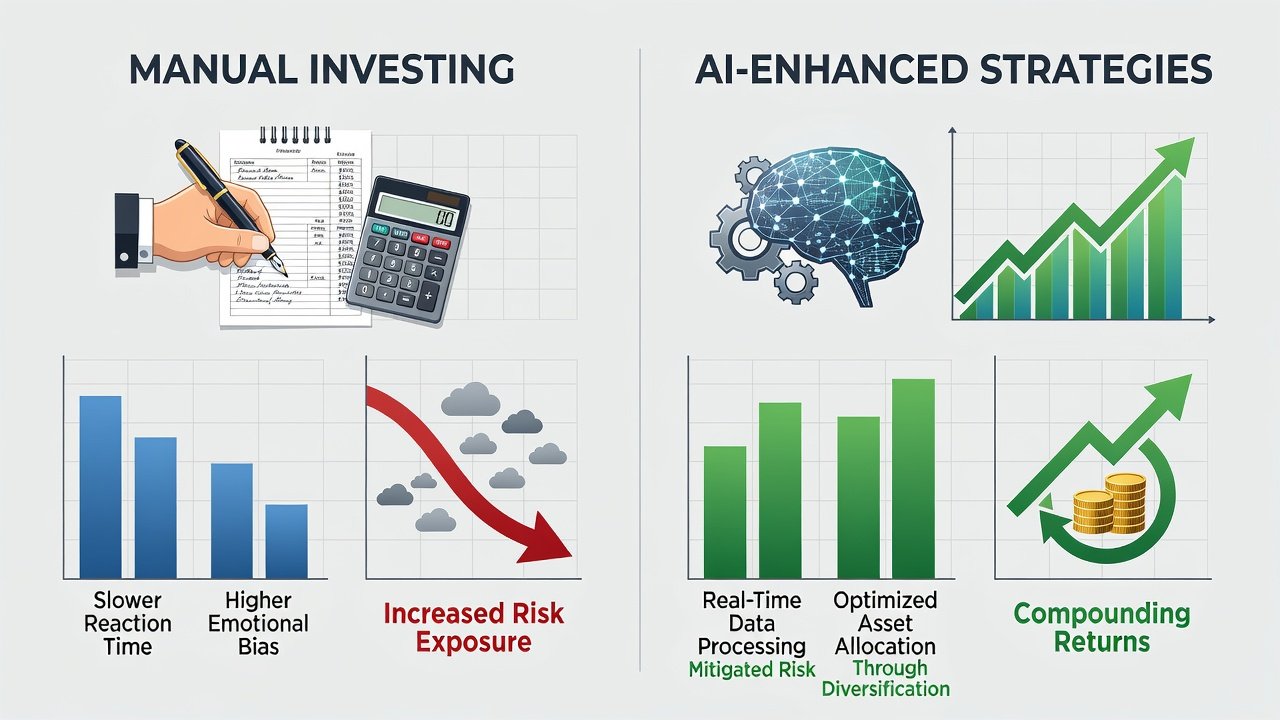
| Aspect | Manual Approach | AI-Enhanced Approach |
|---|---|---|
| Rebalancing | Quarterly or annual review | Real-time dynamic adjustments |
| Analytics | Basic spreadsheet tracking | Predictive modeling with alternative data |
| Risk Management | Fixed percentage rules | Adaptive scenario simulations |
| Tax Efficiency | Manual harvesting | Automated year-round optimization |
| Time Commitment | 5-10 hours monthly | Under 1 hour monthly oversight |
| Data Sources | Limited to public filings | Multi-source including sentiment and macro indicators |
Common Pitfalls and How AI Mitigates Them
Many FI seekers fall into behavioral traps such as panic selling during downturns or over-concentration in familiar assets. AI tools counteract these tendencies by enforcing predetermined rules and providing objective data visualizations. Another frequent mistake involves neglecting tax implications until year-end; automated platforms handle harvesting opportunities continuously.
By incorporating machine learning models trained on decades of market data, these systems also reduce the impact of recency bias that affects human decision-makers. Users who combine AI insights with occasional human review achieve the best balance of discipline and flexibility.
FAQs on AI Portfolio Tools for 2026
What are typical costs for these platforms?
Fees vary by assets under management and feature level, often structured as percentage-based or subscription models. Prospective users should review current terms directly with providers as of late 2026.
How is data security handled?
Reputable platforms employ bank-level encryption, two-factor authentication, and regular third-party audits. Always verify SOC 2 compliance before linking accounts. Federal Reserve guidance on financial data protection provides additional context for evaluating vendor practices.
Are beginner-friendly options available?
Yes, several tools offer simplified interfaces with preset FI-focused portfolios and educational resources for new users transitioning from manual methods.
Can AI tools replace financial advisors entirely?
While powerful for execution and analytics, many users still consult human advisors for complex tax or estate planning needs that fall outside pure portfolio optimization.
How long does it take to see results from AI automation?
Improvements in efficiency and risk control can appear within the first quarter, but the true benefits of enhanced compounding typically manifest over multiple years as the portfolio grows.
Conclusion
AI portfolio tools represent a significant evolution in achieving financial independence through superior compounding. By leveraging predictive analytics, automation, and seamless integrations, investors can systematically enhance returns while managing risk more effectively than traditional approaches allow. Start with a platform matching your experience level, implement the setup steps outlined, and monitor progress toward your 2026 FI targets. With disciplined use, these technologies can meaningfully shorten the path to financial freedom while reducing the stress associated with manual portfolio management.

No comments yet. Be the first!