 Bullish Portfolio
Introduction to Compounding for Financial Independence
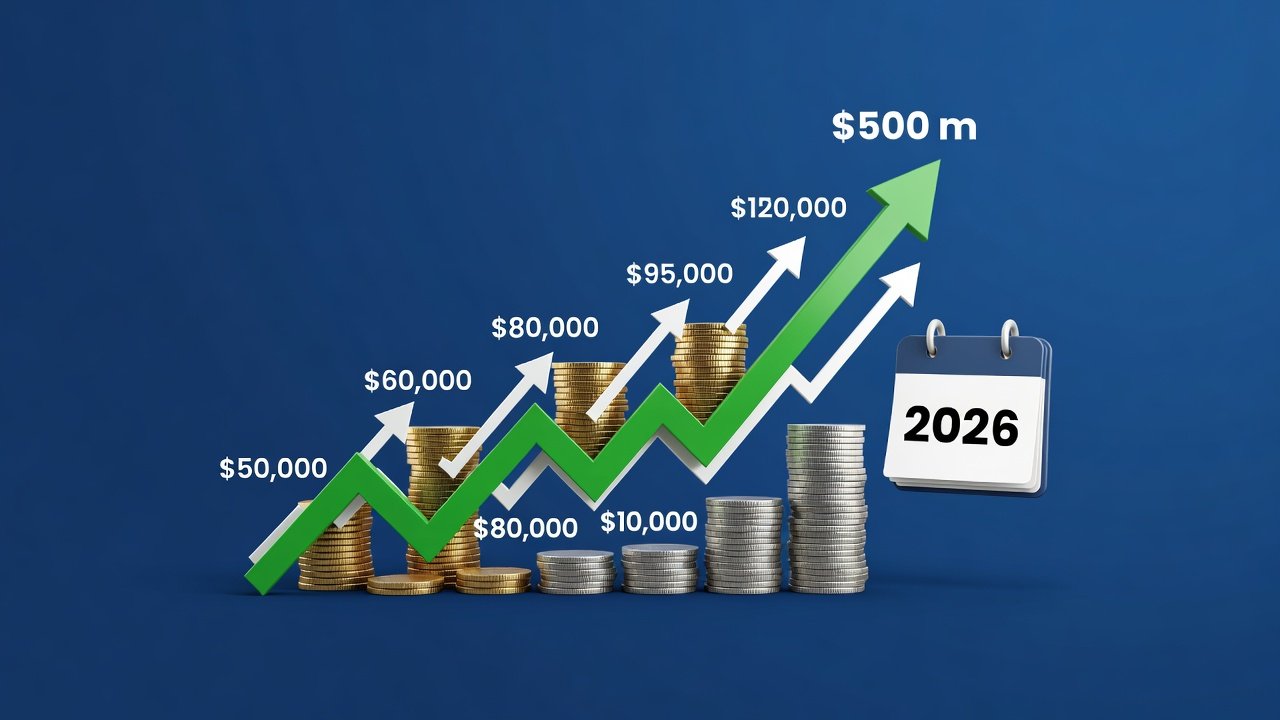
Compounding returns remain one of the most powerful tools for accelerating wealth building toward financial independence (FI). By 2026, individuals who apply consistent strategies can see exponential growth in their portfolios through disciplined habits rather than timing the market. This guide focuses on practical, real-world application for beginner to intermediate investors seeking FI. The process starts with understanding that even modest returns, when left to grow over multiple years, create substantial outcomes due to the snowball effect where gains generate further gains. Many people overlook the importance of starting now, regardless of current age or savings level, because time is the most critical factor in successful compounding. Historical market data shows that diversified equity portfolios have delivered average annual returns around 7 percent after inflation over long periods, but the real advantage comes from pairing those returns with regular contributions and full reinvestment. This article breaks down the mechanics, provides income-specific roadmaps, compares common vehicles, offers projection examples, highlights avoidable mistakes, and answers frequent questions to help readers build a personalized plan.
Core Principles of Compounding Returns
At its heart, compounding involves earning returns on both your initial investment and the accumulated gains over time. The key drivers include time in the market, consistent contributions, and reinvestment of dividends or interest. Starting early maximizes the effect, but even mid-career investors can benefit by increasing contribution rates and minimizing fees. Another essential principle is patience during market volatility. Short-term dips do not derail long-term compounding as long as the investor remains invested and continues adding capital. Understanding the difference between nominal and real returns also matters because inflation erodes purchasing power. Investors should aim for vehicles that historically outpace inflation while keeping costs low. Behavioral discipline plays a major role too. Avoiding emotional decisions like panic selling during downturns preserves the compounding trajectory. Finally, tax efficiency enhances net compounding by reducing the drag from annual tax bills on gains and dividends.
Consistent Contributions
Regular additions to your investment accounts create a steady base for compounding. For example, automating monthly transfers ensures discipline regardless of market conditions. Setting up automatic payroll deductions or bank transfers removes the temptation to skip months. Even small increases, such as directing a portion of every raise into investments, compound the benefits significantly over a decade.
Reinvestment Tactics
Reinvesting all earnings rather than withdrawing them accelerates growth. Use dividend reinvestment plans (DRIPs) where available to automatically purchase additional shares. In brokerage accounts, enable automatic reinvestment for mutual funds and ETFs to avoid cash drag. This tactic ensures every dollar stays working in the market rather than sitting idle.
Step-by-Step Implementation by Income Level
Implementation varies by earnings. Lower-income earners should prioritize high-yield savings or low-cost index funds, while higher earners can diversify across multiple vehicles and maximize tax-advantaged space. The first step for anyone is calculating current monthly expenses to determine the FI number, typically 25 times annual spending. Next, inventory all existing accounts and debts. High-interest debt should be paid down before aggressive investing, but low-interest debt can often coexist with investing if the expected return exceeds the rate. Then select appropriate accounts, beginning with employer-sponsored plans to capture any matching contributions. After that, fund individual retirement accounts and taxable brokerage accounts as needed. Automation is critical at every stage. Use budgeting apps to track progress and adjust contribution percentages quarterly. For those earning under $60,000 annually, focus on building an emergency fund first, then direct 10 to 15 percent of income into low-cost total market funds. Mid-level earners between $80,000 and $120,000 can target 20 percent or higher savings rates and consider backdoor Roth strategies if income limits apply. Higher earners above $150,000 should maximize 401(k) and HSA contributions before using taxable accounts, while also exploring real estate or small business opportunities that generate additional compounding streams.
Comparing Compounding Vehicles
Different assets offer varying compounding potential and risk profiles. Broad-market index funds and ETFs typically provide reliable long-term growth with low costs and built-in diversification across hundreds of companies. Individual stocks may compound faster in winning cases but carry higher volatility and the risk of permanent loss if a company fails. Bonds offer stability and predictable income but lower expected returns, making them better for preserving capital close to the FI date. Real estate through REITs provides another avenue for income reinvestment and inflation protection, though liquidity is lower than stocks. Tax-advantaged accounts like Roth IRAs allow tax-free growth, which supercharges compounding compared to taxable accounts where dividends and capital gains are taxed annually. Investors should match vehicles to their time horizon and risk tolerance. A younger person with 20 years until FI can allocate more to equities, while someone five years away might shift toward a balanced mix. Learn more from Investopedia on vehicle selection. For tax implications, consult resources at IRS.gov. Additional guidance on economic factors appears at FederalReserve.gov.
Timeline Projections with Real-World Examples
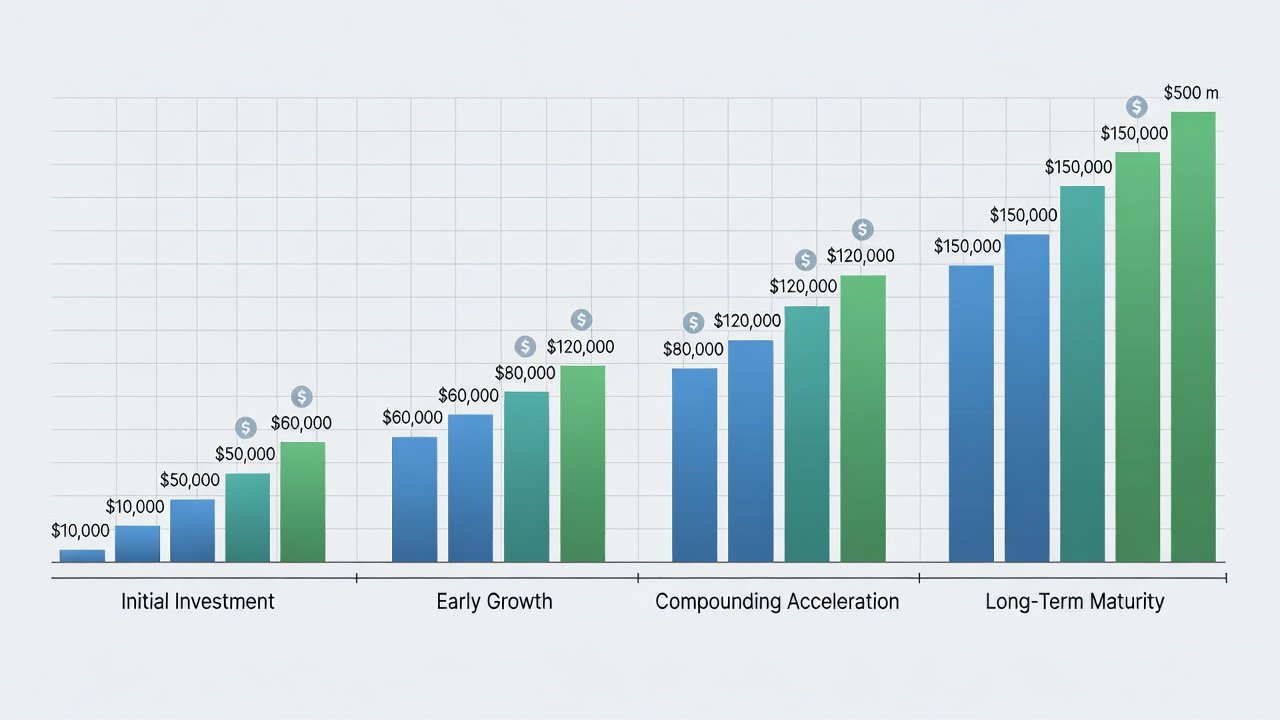
Consider a $10,000 initial investment growing at 7 percent annually with $500 monthly additions. After five years, the portfolio could exceed $50,000 depending on market performance. Extending the same plan to ten years yields roughly $95,000. These projections assume consistent behavior and average historical returns for diversified equity portfolios. A higher earner starting with $30,000 and contributing $1,500 monthly at the same rate reaches over $250,000 in ten years. Lower-income examples show that even $200 monthly contributions from a $10,000 base can reach $40,000 in ten years. The key variable is maintaining the contribution schedule through market cycles. Projections improve dramatically when contribution rates increase by just 1 percent annually. Tools like compound interest calculators help visualize different scenarios and adjust plans in real time.
Common Pitfalls to Avoid
- Withdrawing gains prematurely disrupts compounding and triggers taxes or penalties in retirement accounts.
- Chasing high-risk assets without diversification increases the chance of large losses that take years to recover.
- Ignoring fees erodes returns over decades; even 1 percent in annual expenses can reduce final wealth by 20 percent or more.
- Failing to adjust for inflation misrepresents real growth and leads to under-saving.
- Over-concentrating in a single stock or sector amplifies downside risk during sector-specific downturns.
- Neglecting to rebalance periodically allows allocations to drift, increasing unintended risk exposure.
FAQ
How long does it take to reach FI through compounding?
Timelines depend on starting capital, contribution rate, and returns. Many achieve FI in 15-25 years with disciplined 20 percent or higher savings rates and average market returns. Those who start with larger nest eggs or aggressive contribution increases can compress the timeline to under 15 years.
What risks affect compounding projections?
Market downturns, inflation spikes, unexpected expenses, and lifestyle creep can slow progress. Diversification across asset classes, maintaining an emergency fund, and periodic plan reviews mitigate these risks effectively.
Can beginners start compounding effectively?
Yes, by focusing on low-cost index funds, automating contributions from day one, and educating themselves on basic principles through reputable sources. Starting small is far better than waiting for perfect conditions.
Should I adjust my strategy as I approach 2026?
Yes. As the target year nears, gradually reduce equity exposure and increase stability to protect accumulated gains while still allowing some growth.
How do taxes impact long-term compounding?
Taxes reduce net returns each year in taxable accounts. Using tax-advantaged accounts defers or eliminates this drag, allowing more capital to compound over time.
Conclusion
Applying these compounding steps positions you for meaningful wealth accumulation by 2026. Focus on consistency, reinvestment, and ongoing education to stay on track toward financial independence. Regular reviews and small adjustments compound just as powerfully as the investments themselves, creating a sustainable path to FI.
No comments yet. Be the first!