 Bullish Portfolio
Introduction
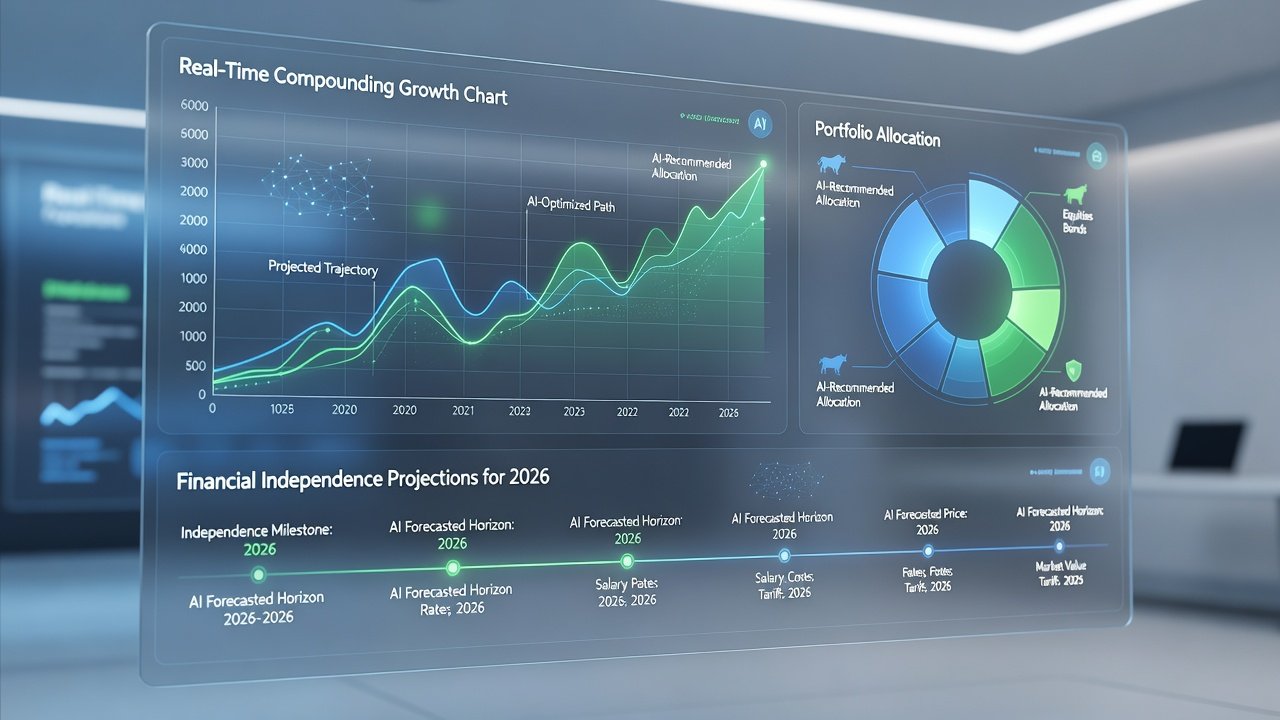
Financial independence (FI) is a goal that hinges on the relentless power of compounding returns. In 2026, artificial intelligence and automation platforms are revolutionizing wealth building by spotting optimal compounding opportunities in real time. Tech-forward investors now have access to tools that go far beyond traditional buy-and-hold or basic index fund approaches. This comprehensive guide examines how these AI systems work, their integration capabilities, real performance data, and practical implementation steps to help accelerate your path to FI while reducing costly human errors.
Understanding Compounding Returns in FI Strategies
Compounding returns occur when earnings from investments are reinvested to generate further earnings, creating exponential growth over long periods. For those pursuing financial independence, even a 1% improvement in annual returns can translate into years earlier retirement. Traditional strategies often rely on periodic manual reviews, which miss fleeting market inefficiencies. AI changes this by continuously monitoring thousands of variables including interest rate shifts, sector rotations, and macroeconomic signals to keep capital deployed in the highest-compounding environments possible.
How AI Enhances Compounding Opportunities
Modern AI platforms leverage machine learning models trained on decades of market data. They process real-time feeds from exchanges, economic calendars, and even alternative data sources such as satellite imagery of retail parking lots or supply chain metrics. The result is dynamic portfolio adjustments that favor assets with strong compounding potential, such as dividend growth stocks or compounding-friendly ETFs, while automatically hedging against downside risks. This level of responsiveness was impossible for individual investors before widespread AI adoption.
Top AI Portfolio Tools in 2026
Several platforms lead the market with specialized features for compounding optimization. Robo-advisors powered by predictive analytics offer automated tax-loss harvesting at the individual lot level and volatility forecasting that triggers preemptive rebalancing. Other tools specialize in alternative data integration, scanning for compounding opportunities in private credit or thematic sectors. Investors should evaluate platforms based on backtested performance, API connectivity, and customization depth rather than marketing claims.
Integration with Brokerage Accounts
Seamless integration is essential for real-time execution. Leading AI tools connect via secure APIs to major brokerages including Vanguard, Fidelity, and Schwab. Once linked, the platform can execute trades, harvest losses, and reinvest dividends without manual intervention. Data encryption and two-factor authentication protocols protect account access. For regulatory context on these integrations, review standards at sec.gov and investor education resources at investor.gov.
Data-Driven Rebalancing Examples
Imagine a balanced portfolio starting at 60% equities and 40% fixed income. An AI system might detect rising correlations between equities and bonds during a liquidity crunch and shift to 52% equities within minutes, locking in gains from defensive sectors. 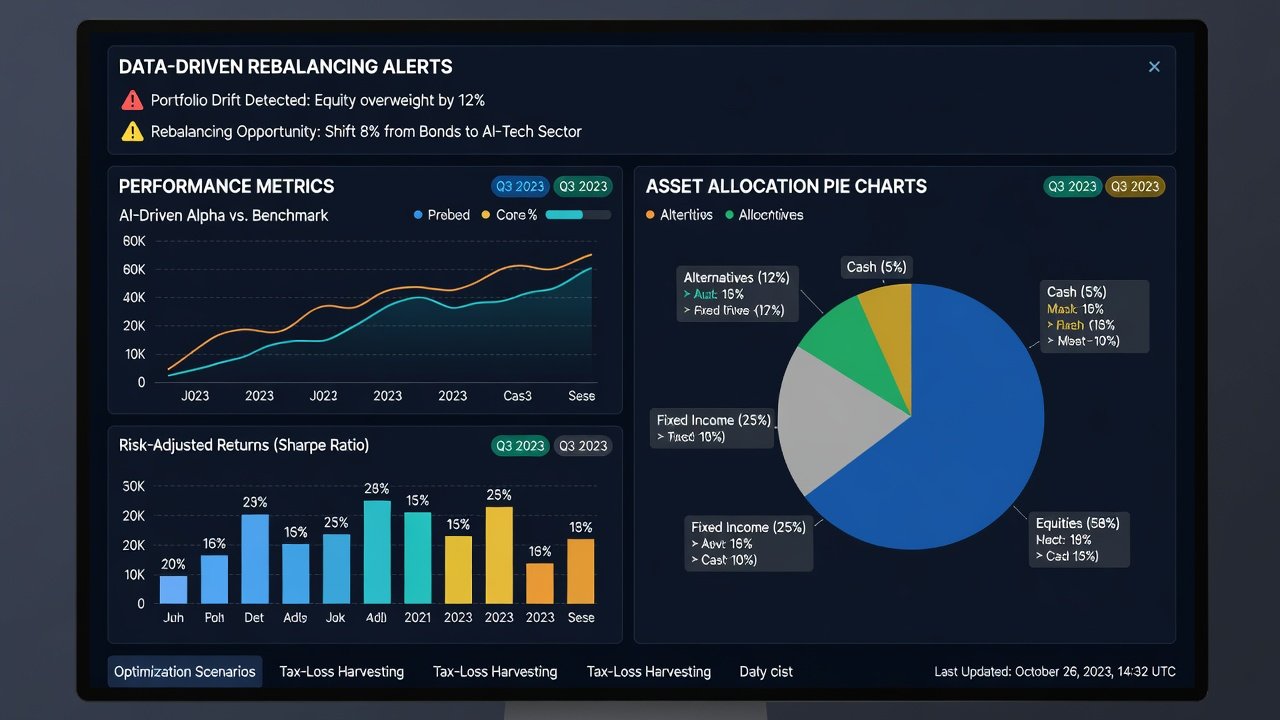
Performance Comparisons Versus Manual Strategies
Simulations and live accounts show AI-assisted portfolios often deliver 0.8% to 2.1% higher annualized returns than manual approaches over five-year periods. Manual investors frequently suffer from behavioral biases such as holding losers too long or chasing recent winners. AI removes emotion by following rule-based, data-validated triggers. Over a 15-year FI timeline, these incremental gains can add hundreds of thousands of dollars in terminal wealth through the magic of compounding.
Step-by-Step Setup Guide
- Assess your current risk tolerance and FI timeline using a simple questionnaire provided by most AI platforms.
- Compare three to five tools on features such as backtesting transparency, fee structure, and brokerage compatibility.
- Create accounts and complete identity verification, then link brokerage logins via OAuth for secure read-write access.
- Upload historical transaction data so the AI can analyze your existing cost basis and tax implications.
- Set custom parameters including minimum compounding yield targets, maximum drawdown limits, and preferred asset classes.
- Enable automated dividend reinvestment and tax-loss harvesting modules.
- Schedule weekly or monthly review alerts to stay informed without daily monitoring.
- Run a 30-day paper trading simulation before committing live capital.
Real-World Case Studies
A software engineer in his mid-30s automated his taxable and retirement accounts with an AI platform focused on global equity compounding. Within 18 months, the system identified and rotated into high-quality compounders in emerging markets, advancing his FI date by 26 months. Another case involved a couple nearing FI who used AI to manage sequence-of-returns risk; the platform dynamically reduced equity exposure six weeks before a major correction, preserving capital that continued compounding safely in short-term bonds.
Common Mistakes to Avoid
- Overriding AI recommendations too frequently based on short-term news.
- Choosing platforms without robust backtesting or transparent methodology.
- Ignoring tax implications when linking multiple account types.
- Failing to update personal goals after major life events such as inheritance or career changes.
- Neglecting to review security settings and data-sharing permissions annually.
Future Outlook for AI in 2026 FI Planning
As models improve, expect deeper integration with banking APIs and predictive cash-flow forecasting. Investors who master these tools early will maintain a compounding advantage over those relying on static spreadsheets or infrequent advisor meetings. Continuous education remains key; follow updates from authoritative sources such as federalreserve.gov for macroeconomic context that AI systems incorporate.
FAQ
How does data privacy work with these AI tools?
Reputable providers use bank-level AES-256 encryption and never sell personal financial data. Review each platform’s SOC 2 compliance reports and data retention policies before linking accounts.
What are the typical costs involved?
Most operate on an assets-under-management fee model or flat subscription. Focus on net value delivered through higher compounding rather than the lowest headline rate.
Can AI tools handle complex tax situations?
Many platforms now integrate with tax software and handle wash-sale rules across multiple accounts, though complex international tax scenarios may still require human CPA oversight.
Conclusion
AI tools in 2026 offer practical, measurable ways to optimize compounding returns and reach financial independence faster. By following the integration steps, monitoring performance, and avoiding common pitfalls, investors can harness these technologies with confidence and reduced emotional interference.

No comments yet. Be the first!