 Bullish Portfolio
Introduction to AI Portfolio Tools for Compounding Returns
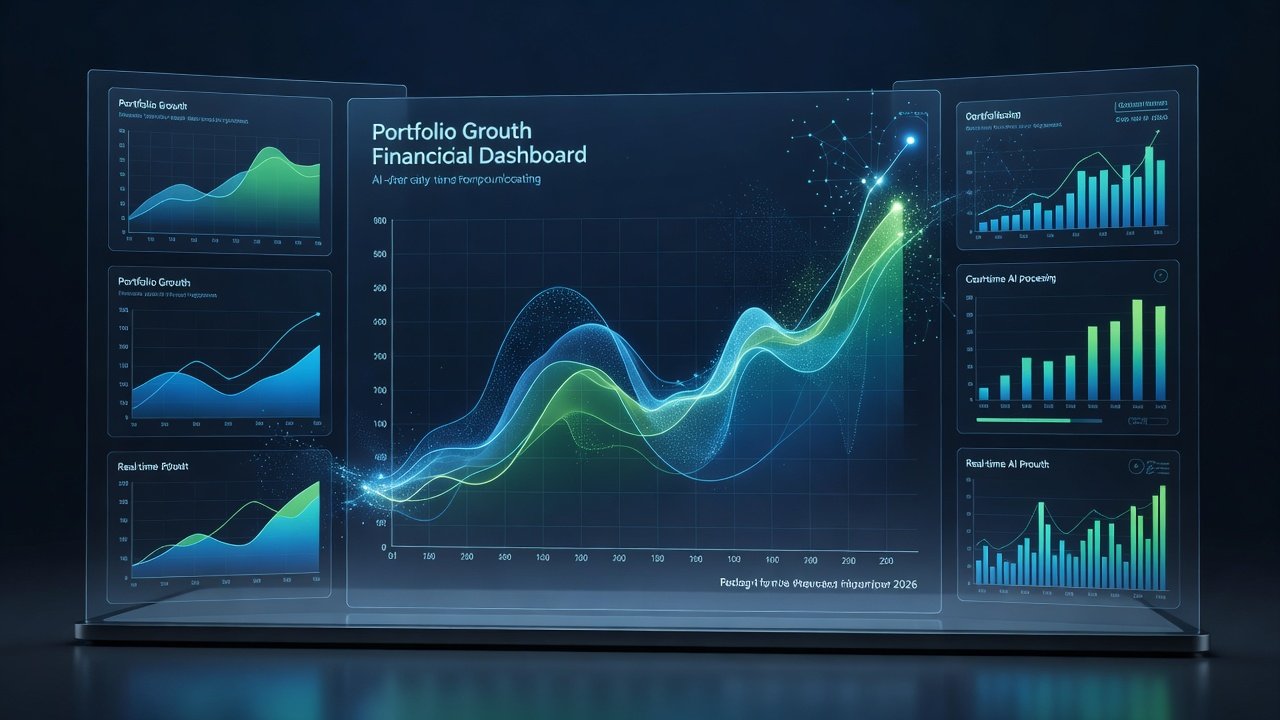
In 2026, investors pursuing financial independence are increasingly relying on AI portfolio tools to automate and enhance compounding returns. These advanced platforms use machine learning algorithms to optimize asset allocation, execute dynamic rebalancing, and reduce the impact of emotional biases that frequently undermine long-term investment success. By emphasizing compounding frequency—such as daily, weekly, or monthly reinvestment cycles—these tools enable users to accelerate wealth accumulation far more effectively than traditional manual approaches. Compounding itself operates on the principle of reinvesting earnings to generate further returns over extended periods, and AI amplifies this effect through predictive modeling and real-time adjustments based on market conditions. This comprehensive guide examines the leading tools available, their integrations with major brokerages, performance benchmarks versus manual strategies, detailed case studies, actionable setup processes, essential tracking metrics, risk-based selection criteria, and answers to frequent questions about security and operations.
The shift toward AI-driven solutions reflects broader advancements in financial technology, allowing even novice investors to implement sophisticated strategies previously reserved for professionals. Whether your goal is early retirement or building generational wealth, understanding how these tools leverage compounding can provide a decisive edge in 2026 and beyond.
Leading AI Portfolio Tools in 2026
Prominent platforms in this space include Wealthfront, which employs AI for sophisticated tax-loss harvesting and automated portfolio rebalancing to maximize after-tax compounding. Betterment focuses on goal-oriented algorithms that align investments with specific financial independence timelines while optimizing for consistent growth. Emerging options from established providers incorporate predictive analytics to forecast economic trends and adjust holdings proactively, often prioritizing high-frequency compounding mechanisms like automatic dividend reinvestment. Each tool differs in its approach to risk assessment and asset diversification, yet all aim to sustain momentum in returns through intelligent automation rather than static buy-and-hold tactics.
Users benefit from features such as scenario modeling that simulates various compounding frequencies, helping individuals visualize long-term outcomes under different market environments. These platforms continuously scan thousands of data points to identify opportunities that manual investors might overlook, such as subtle shifts in sector performance or interest rate changes.
Integration with Major Brokerages
Effective integration remains crucial for seamless adoption. Leading AI tools connect directly to platforms like Fidelity and Vanguard through secure application programming interfaces. This connectivity supports automatic fund transfers, real-time account syncing, and coordinated rebalancing without requiring users to transfer assets out of their preferred brokerage. For instance, an investor can maintain existing holdings at Vanguard while overlaying AI management for optimized compounding. Setup typically begins with account authorization, followed by configuring risk parameters and activating features like recurring investment schedules that align with desired compounding intervals. Security protocols, including multi-factor authentication, ensure data remains protected throughout the process. Many users report that these integrations eliminate manual oversight needs, freeing time for other aspects of financial planning.
Performance Comparisons Against Manual Methods
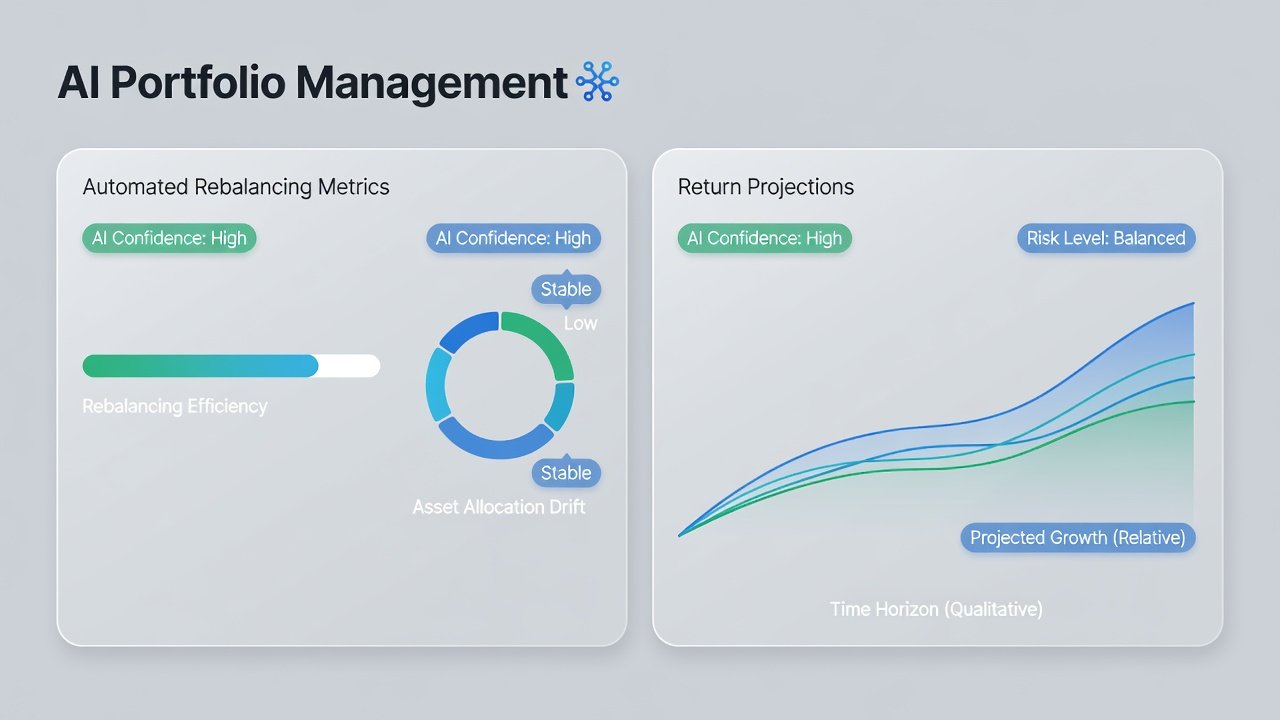
Comparative analyses consistently demonstrate that AI-managed portfolios achieve superior results through enhanced compounding efficiency. Manual strategies often suffer from delayed rebalancing and behavioral errors during volatility, leading to suboptimal growth trajectories. In contrast, AI systems process extensive datasets to maintain precise allocations, frequently resulting in annualized returns that exceed manual efforts by meaningful margins. A typical balanced manual portfolio might experience drag from infrequent adjustments, whereas AI versions sustain steadier compounding by executing trades at optimal moments. Real-world tracking shows reduced tax liabilities and lower opportunity costs, underscoring the value of automation for long-term financial independence objectives.
Real-World Case Studies
One illustrative example involves a mid-career professional who adopted an AI tool in late 2025. By enabling weekly compounding through automated reinvestments and dynamic risk adjustments, the portfolio demonstrated accelerated growth compared to prior self-managed equity selections, reaching key milestones ahead of schedule. Another case features a pre-retirement couple who utilized AI-driven shifts toward defensive assets during periods of uncertainty, thereby safeguarding accumulated gains while preserving the benefits of ongoing compounding. A third scenario highlights a young investor starting with modest capital who leveraged predictive features to concentrate on growth-oriented holdings, resulting in compounding velocity that outpaced peer benchmarks over an 18-month period. These examples illustrate how tailored AI interventions can align compounding strategies with individual timelines and risk profiles.
Step-by-Step Setup Guides
Beginning the process requires careful preparation. First, evaluate your existing holdings and define clear financial independence targets using the platform's assessment tools. Next, select a compatible AI solution and establish secure connections to your brokerage accounts. Configure compounding preferences by choosing reinvestment frequencies that match your cash flow patterns. Activate advanced AI capabilities such as volatility-based rebalancing and predictive allocation shifts. Finally, conduct a 30-day review period to fine-tune settings based on initial performance data. Throughout each phase, maintain detailed records of decisions to support ongoing optimization and tax reporting needs.
Key Metrics to Track
Effective monitoring involves several core indicators. Annualized return rates reveal overall compounding success, while Sharpe ratios assess performance relative to risk exposure. Tracking portfolio drift percentages helps ensure allocations remain aligned with targets. Tax efficiency metrics highlight the impact of automated harvesting features, and compounding frequency logs demonstrate how often returns are reinvested to fuel further growth. Regular review of these data points enables proactive adjustments that sustain momentum toward financial independence goals.
- Annualized return rate and its consistency over multiple periods
- Compounding frequency impact on net growth
- Sharpe ratio measuring risk-adjusted outcomes
- Tax efficiency and realized loss harvesting totals
- Portfolio drift and deviation from target allocations
Tips for Selecting Tools Based on Risk Tolerance
Conservative investors should prioritize platforms offering robust downside protection through conservative allocation models and frequent stress testing. Those with moderate tolerance may prefer balanced AI features that blend growth and stability. Aggressive users benefit from tools emphasizing higher-volatility opportunities with rapid compounding cycles. Always examine historical backtesting results, utilize customizable sliders for risk calibration, and begin with limited allocations to validate performance. Avoid selecting solely on marketing claims; instead, cross-reference user experiences and independent evaluations to ensure alignment with personal objectives.
Common Mistakes to Avoid
Many beginners overlook the importance of aligning compounding frequency with personal liquidity needs, leading to unnecessary cash drag. Another frequent error involves ignoring integration limitations with certain brokerages, which can complicate transfers. Failing to review AI assumptions periodically may result in outdated strategies during shifting economic conditions. Additionally, neglecting to diversify across multiple tools or asset classes can concentrate risk unnecessarily. By addressing these pitfalls early, users maximize the reliability of their automated compounding processes.
Addressing Common FAQs
How secure is my data with these tools?
Established providers implement encryption standards comparable to major financial institutions and adhere to oversight from the SEC. Account access remains fully under user control, with options for granular permission settings and regular security audits.
What are the typical costs involved?
Expense structures generally consist of asset-based fees scaled to portfolio size, allowing accessibility for a wide range of investors committed to long-term compounding strategies.
Can these tools handle international investments?
Many platforms now include global asset classes within their AI optimization frameworks, enabling broader diversification while maintaining compounding efficiency across borders.
How often should I review my AI-managed portfolio?
Quarterly check-ins are recommended to confirm alignment with evolving goals, although the underlying algorithms operate continuously without requiring daily intervention.
Conclusion
AI portfolio tools have become essential instruments for maximizing compounding returns in 2026. Through intelligent automation, seamless brokerage integrations, and data-driven decision support, they empower investors to pursue financial independence with greater precision and consistency. By following structured setup processes, monitoring key metrics, and choosing platforms suited to individual risk levels, users can harness the full potential of frequent compounding for sustained wealth growth. Begin exploring these solutions today to position your portfolio for superior long-term outcomes.

No comments yet. Be the first!