 Bullish Portfolio
Introduction: Protecting Retirement Savings from Inflation in 2026
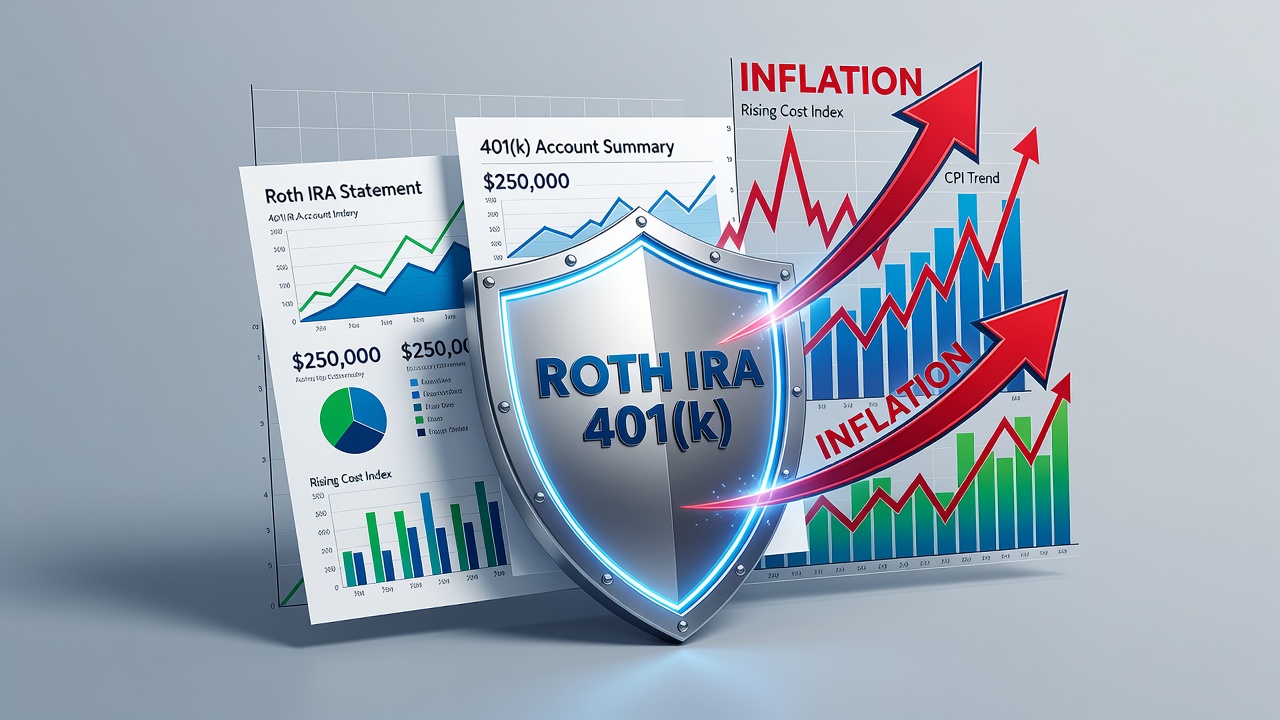
Inflation erodes the real value of retirement savings, making it essential for investors to adopt proactive strategies in Roth IRAs and 401(k) plans. As economic conditions evolve, maintaining purchasing power requires a mix of inflation-protected securities, diversified holdings, and disciplined contribution planning. This guide explores practical techniques tailored for 2026, helping mid-career professionals build resilient portfolios that can withstand rising costs over decades. Effective inflation-proofing starts with understanding how different account types respond to rising prices and implementing targeted allocations that balance growth with protection.
Investors often overlook how inflation compounds over time, turning modest annual increases into significant shortfalls by retirement. By focusing on assets that adjust with or outpace inflation, individuals can safeguard their future lifestyle without drastically altering their overall investment philosophy.
Why Inflation Matters for Roth IRAs and 401(k)s
Rising costs directly impact retirement income needs. Roth IRAs offer tax-free withdrawals, which can amplify the benefits of inflation-hedging assets, while traditional 401(k)s provide tax-deferred growth but face different withdrawal tax implications. Both require careful management to counteract inflation's effects over decades. Historical periods of elevated inflation have shown that portfolios heavy in nominal bonds or cash equivalents suffer the most, losing real returns even when nominal gains appear positive. In contrast, accounts that incorporate inflation-linked instruments tend to preserve purchasing power more effectively. Mid-career investors, typically in their 40s and 50s, have the longest time horizons and thus the greatest exposure to cumulative inflation effects, making early adjustments critical for long-term success.
TIPS Allocation Strategies for 2026
Treasury Inflation-Protected Securities (TIPS) adjust principal and interest payments based on inflation metrics, providing a direct hedge. Allocate 10-20% of fixed-income portions to TIPS within these accounts for balanced protection without sacrificing too much growth potential. These securities are particularly valuable because their principal increases with the Consumer Price Index, ensuring that both the base amount and coupon payments rise in line with actual price changes. Investors can access TIPS through individual bonds or low-cost ETFs held inside Roth IRAs or 401(k) plans, where tax advantages further enhance net returns.
Step-by-Step TIPS Integration
- Assess current bond holdings for inflation exposure by reviewing duration and real yield metrics.
- Reallocate a portion to TIPS ETFs or individual bonds available through brokerage options in retirement plans, starting with a modest percentage to test performance.
- Monitor real yields and adjust annually, considering economic indicators such as CPI releases and Federal Reserve policy shifts.
- Reinvest any inflation adjustments automatically to compound the protective effect over time.
Learn more about TIPS from TreasuryDirect.
Real Asset Diversification Techniques
Beyond TIPS, incorporate real assets like REITs, commodities, and infrastructure funds. These holdings historically perform well during inflationary periods by passing along increased costs to consumers. Real estate investment trusts benefit from rising rents and property values, while commodity exposure through broad-based ETFs can capture price increases in energy, metals, and agricultural products. Infrastructure investments, such as those in utilities and transportation networks, often include contractual adjustments tied to inflation indices.
- REITs for real estate exposure that generates income streams resistant to erosion
- Commodity ETFs tracking energy and metals for direct price participation
- Global infrastructure investments that provide stable cash flows with built-in escalators
- Consider blending domestic and international real assets to reduce single-market concentration risk
Place 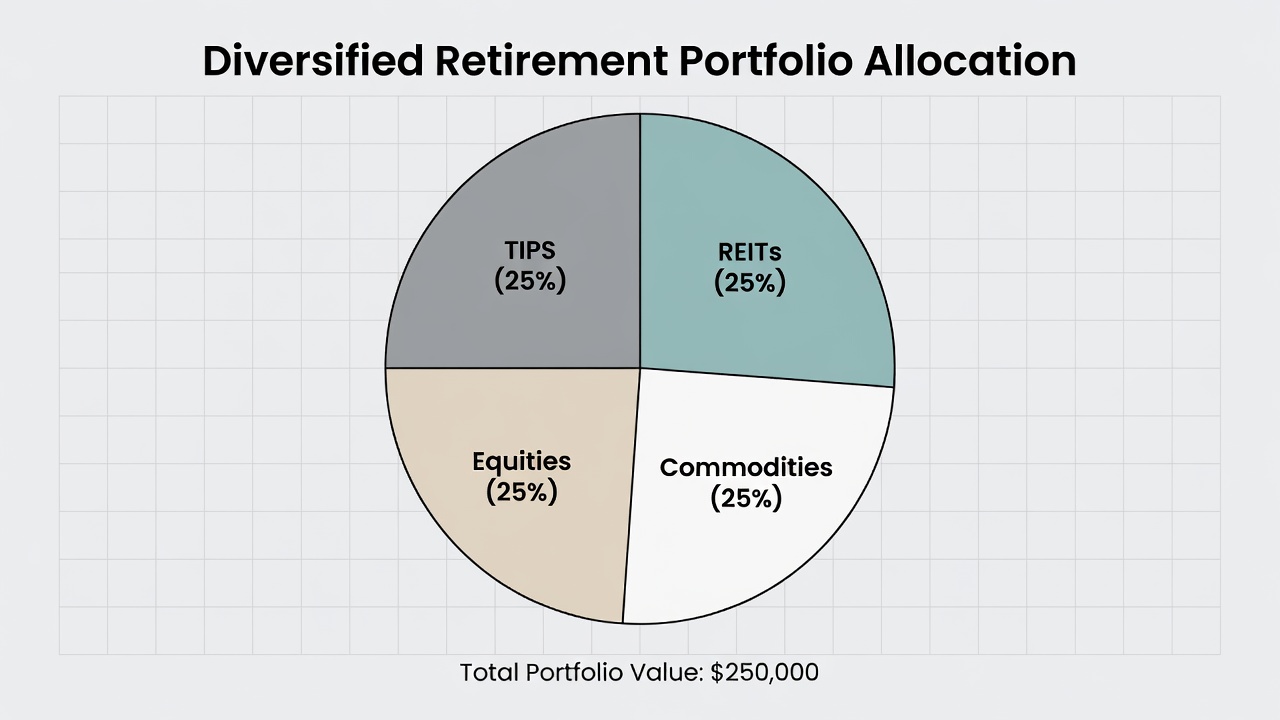
Contribution Adjustments and 2026 Considerations
Maximize contributions where possible while accounting for updated annual limits. Focus on front-loading early in the year to benefit from compounding. Review employer matches in 401(k)s and consider backdoor Roth strategies if income limits apply. For mid-career investors, increasing elective deferrals during high-earning years can create a larger base that benefits from inflation-hedging allocations. Additionally, reviewing catch-up contribution eligibility as one approaches age 50 provides extra room to accelerate savings growth in inflation-protected vehicles.
Rebalancing Examples for Mid-Career Investors
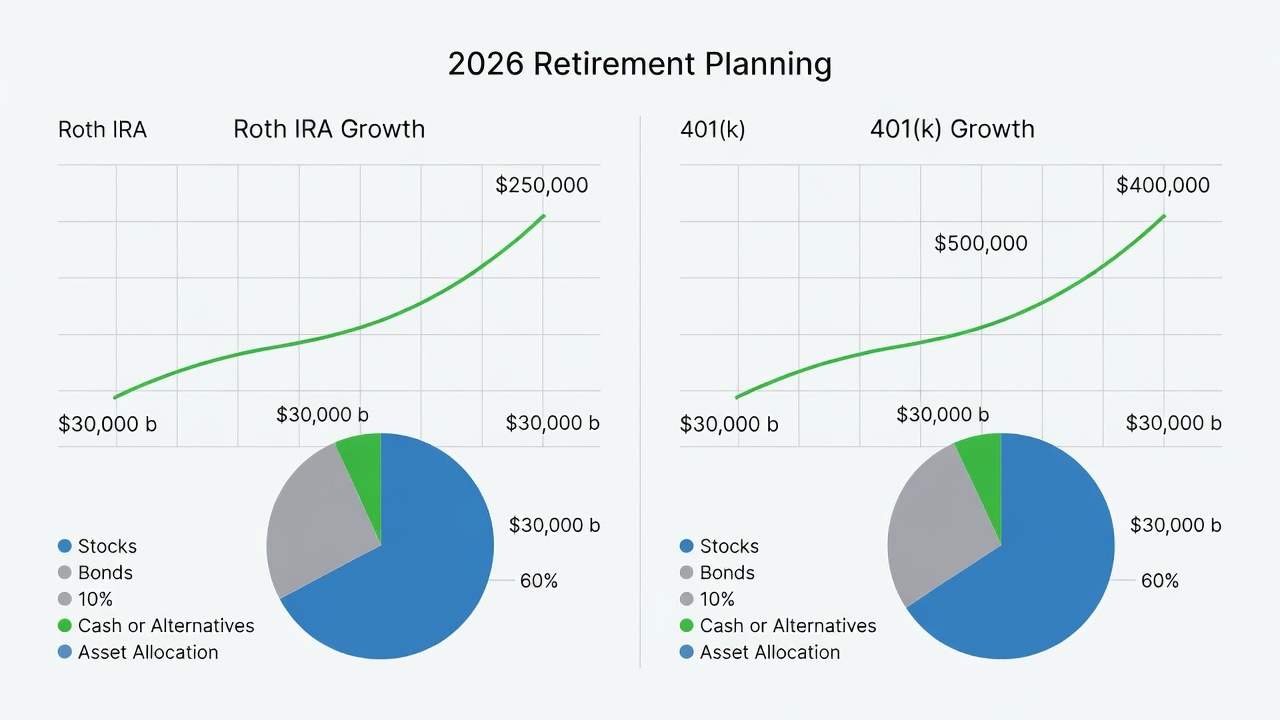
Consider a 45-year-old with a $250,000 portfolio: Start with 60% equities, 25% bonds, 15% alternatives. After inflation spikes, shift 5% from equities to TIPS and real assets quarterly. Track performance quarterly and rebalance when allocations drift more than 5%. Another example involves a 52-year-old investor with concentrated equity positions: gradually reduce stock exposure by 2% per quarter while increasing TIPS holdings, using tax-advantaged space in a Roth IRA to avoid realizing gains. A third scenario shows a couple in their late 40s splitting contributions between spousal Roth IRAs and a 401(k), directing new inflows toward real asset funds until target weights are achieved. These examples illustrate how systematic rebalancing maintains inflation resilience without emotional decision-making.
Risk Comparisons Between Account Types
Roth IRAs allow tax-free growth on inflation hedges, reducing long-term tax drag. 401(k)s offer higher contribution ceilings but tax withdrawals may diminish net inflation protection. Evaluate RMD rules and conversion opportunities. Roth accounts provide greater flexibility for holding volatile inflation hedges because qualified distributions escape taxation, whereas traditional 401(k) withdrawals are taxed as ordinary income, potentially eroding the real value of gains from TIPS or commodities. Conversion ladders can bridge the gap for those seeking to move assets into Roth environments before retirement, though investors must weigh immediate tax costs against future inflation-adjusted benefits.
Common Inflation Pitfalls: FAQ
What happens if I ignore inflation in my retirement plan?
Your savings lose purchasing power, potentially requiring delayed retirement or reduced lifestyle quality in later years.
Are TIPS suitable for all investors?
They work best in taxable or tax-advantaged accounts during high-inflation environments but can lag in deflationary periods when nominal bonds outperform.
How often should I review my strategy?
Conduct annual reviews or after major economic shifts, using tools from IRS.gov for contribution rules.
Should I avoid all equities during inflationary times?
No, selective equity exposure in sectors like energy and materials can complement real assets, provided overall portfolio risk remains controlled.
What role do international holdings play?
Global diversification helps mitigate domestic inflation spikes by accessing economies with different inflation cycles and currency dynamics.
Case Study: Mid-Career Investor Success
A 48-year-old professional diversified 15% into TIPS and commodities in 2025, resulting in portfolio resilience through subsequent inflation. Rebalancing every six months preserved gains and maintained target risk levels while generating steady real returns. In a separate case, a 51-year-old couple implemented quarterly contribution increases tied to salary growth, directing incremental amounts into infrastructure funds within their Roth IRAs. Over three years, their combined accounts outperformed a static allocation benchmark by maintaining exposure to inflation-adjusted income sources. These real-world illustrations demonstrate the power of consistent application rather than reactive changes.
Conclusion
Implementing these inflation-proof strategies ensures Roth IRA and 401(k) portfolios retain value through 2026 and beyond. Combine TIPS, real assets, and disciplined rebalancing for optimal results. Consult a financial advisor for personalized application and reference BLS.gov for inflation data as well as SEC.gov for investment education resources.

No comments yet. Be the first!