 Bullish Portfolio

Introduction to Alternative Assets in Retirement Accounts
Investors in 2026 are increasingly looking beyond traditional stocks and bonds to diversify their retirement portfolios. Roth IRAs and 401(k)s offer powerful tax advantages, but many people do not realize these accounts can hold alternative assets when structured correctly. This guide explores IRS-compliant options including real estate investment trusts (REITs), precious metals, and private equity, with a focus on 2026 market conditions and contribution rules. Alternative assets can help hedge against inflation and market volatility while potentially boosting long-term returns. However, they come with unique rules, higher fees, and liquidity considerations that every investor must understand before proceeding. Retirement planning in the current environment benefits from thoughtful diversification because equity markets can experience prolonged periods of uncertainty. By incorporating non-traditional holdings, savers can create more resilient portfolios that perform across different economic cycles.
IRS Rules Governing Alternative Assets in Roth IRAs and 401(k)s
The Internal Revenue Service permits a wide range of investments in retirement accounts as long as they meet prohibited transaction rules under IRC Section 4975. Self-directed Roth IRAs and certain 401(k) plans allow holdings such as REITs, gold and silver bullion meeting purity standards, and interests in private equity funds. Traditional stocks remain the most common choice, but alternatives provide true diversification. Key restrictions include avoiding investments in collectibles, life insurance, and transactions that benefit disqualified persons such as yourself or close family members. Always consult the latest IRS guidance at IRS.gov before making decisions. Additional oversight comes from the Department of Labor for plans subject to ERISA, which emphasizes fiduciary standards when selecting custodians or investments. Investors should also review resources from SEC.gov to understand disclosure requirements for private offerings.
2026 Contribution Limits and Market Context
The IRS updates contribution limits annually to reflect inflation and economic conditions. For 2026, limits have been adjusted upward, allowing higher tax-advantaged savings compared with prior years. These changes create an opportunity to allocate more capital toward alternative assets within your Roth IRA or 401(k). Market conditions in mid-2026 show continued strength in real assets, making now an ideal time to review your allocation strategy. Rising interest in infrastructure and sustainable real estate projects has increased the availability of suitable alternative vehicles that fit within retirement accounts.
Setting Up a Self-Directed Account
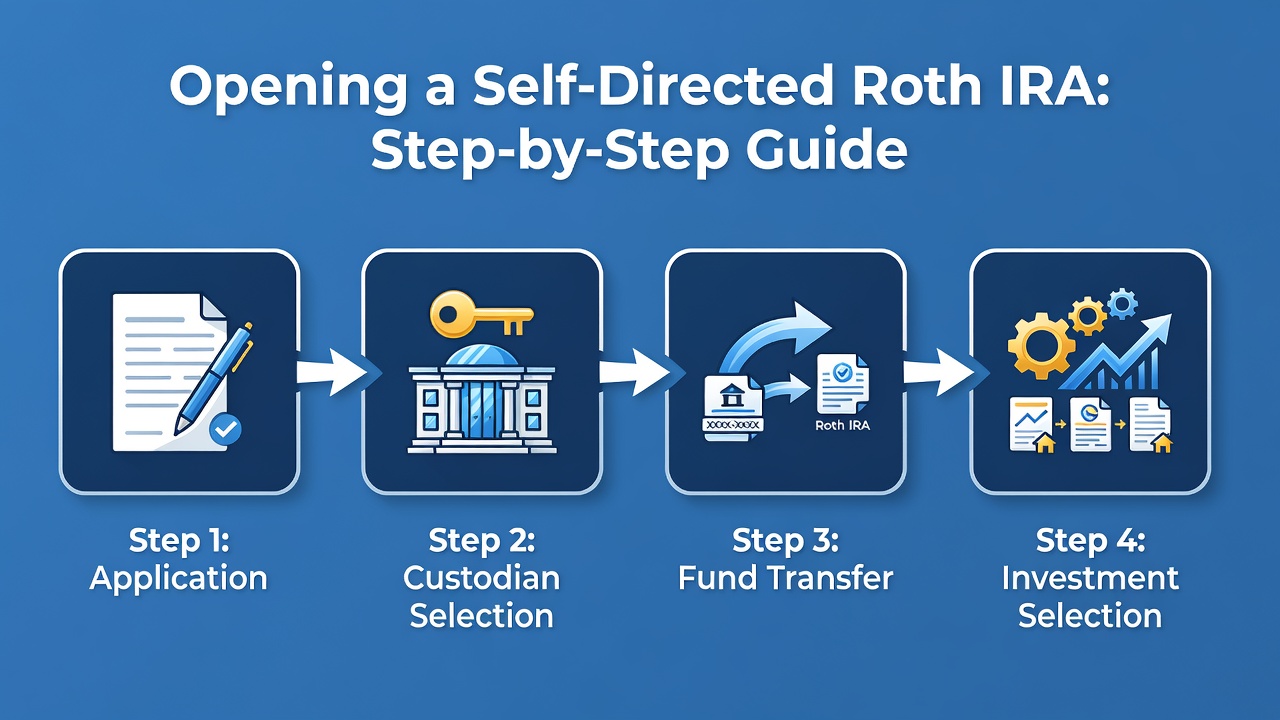
Most standard brokerage 401(k)s and IRAs do not offer alternative assets. You will need a self-directed account through a specialized custodian. Here are the practical steps with detailed considerations for each phase:
- Confirm your plan allows self-direction or open a new self-directed Roth IRA after comparing custodian fees, minimum balances, and supported asset types. Look for providers that have experience with the specific alternatives you intend to purchase.
- Choose a custodian experienced with alternative assets and verify they accept the specific investments you want by requesting their approved asset list and asking about any restrictions on private equity or precious metals storage.
- Complete the application and transfer or roll over existing funds, ensuring the process avoids taxable distributions by following direct rollover procedures.
- Fund the account and begin due diligence on individual opportunities, including reviewing offering documents, third-party valuations, and sponsor backgrounds.
Working with a knowledgeable custodian reduces the risk of accidental prohibited transactions and streamlines reporting requirements such as Form 5498.
Comparing REITs, Precious Metals, and Private Equity
REITs provide exposure to commercial and residential real estate without direct property management. They can be publicly traded for liquidity or privately held for potentially higher yields and different risk characteristics. Precious metals such as gold and silver offer inflation protection and are permitted when they meet IRS fineness requirements; these assets are typically stored at approved depositories. Private equity allows participation in early-stage or established companies, often through funds that pool investor capital and target specific sectors like technology or renewable energy. Each option carries different risk profiles. REITs are sensitive to interest rates and property markets, metals can experience price swings, and private equity typically involves longer lock-up periods and higher minimum investments. Real-world allocation might include a publicly traded REIT ETF for easy access alongside a private real estate fund for income generation.
Risk Comparisons and Allocation Strategies
A balanced approach might allocate 10-20% of a retirement portfolio to alternatives depending on age, risk tolerance, and time horizon. For example, a 45-year-old investor could place 8% in a REIT-focused fund, 7% in physical gold held by the custodian, and 5% in a private equity vehicle targeting infrastructure projects. A younger investor with higher risk capacity might increase private equity exposure to 10% while reducing metals holdings. Review performance during recent market cycles to understand how these assets behave when equities decline. Diversification across multiple alternatives reduces concentration risk and can smooth overall portfolio volatility. Consider rebalancing annually to maintain target percentages as asset values fluctuate.
Due Diligence Checklist
- Verify the asset meets IRS eligibility standards by checking custodian guidelines and consulting tax professionals.
- Review all fees including custodian charges, transaction costs, and ongoing management expenses to understand the full cost impact.
- Assess liquidity and exit options before committing capital so you are prepared for unexpected needs or opportunities.
- Confirm the investment sponsor has a strong track record and regulatory compliance history through background checks and references.
- Consult a tax advisor or financial planner familiar with self-directed accounts to identify any state-specific rules or reporting obligations.
Mistakes to Avoid When Investing in Alternatives
Common errors include selecting investments without proper valuation support, ignoring unrelated business taxable income rules on leveraged holdings, and failing to maintain clear separation between personal and account finances. Another frequent issue is underestimating storage and insurance costs for physical metals. Investors should also avoid rushing into deals promoted solely through high-pressure sales tactics without independent analysis.
Real-World Allocation Examples
Consider a couple in their early fifties who rolled over traditional 401(k) balances into self-directed Roth IRAs. They allocated 12% to a diversified REIT portfolio generating quarterly distributions, 6% to gold bullion for inflation hedging, and 4% to a private equity fund focused on healthcare companies. Over a three-year period, this mix provided steady income and capital appreciation while reducing overall equity market exposure. Another example involves a younger professional who used catch-up contributions to increase private equity holdings, accepting longer lockups in exchange for potential higher growth.
Frequently Asked Questions
Can I hold physical real estate in my Roth IRA?
Direct ownership of physical property is possible in a self-directed Roth IRA but requires careful compliance to avoid prohibited transactions. Most investors prefer REITs for simplicity and lower administrative burden.
What are common tax pitfalls with alternative assets?
Using retirement funds for personal benefit, investing in prohibited assets, or failing to follow UBIT rules on leveraged investments can trigger taxes and penalties. Always maintain clear separation between personal and account activities and file any required forms on time.
Are contribution limits different for self-directed accounts?
No. The same annual limits apply regardless of whether you hold traditional or alternative assets, though the account type and income eligibility still determine Roth contribution qualifications.
How do I handle valuations for illiquid alternatives?
Most custodians require annual independent appraisals for non-publicly traded assets to satisfy IRS reporting. Budget for these costs as part of ongoing account maintenance.
Conclusion
Alternative assets can enhance diversification in your Roth IRA or 401(k) when used within IRS guidelines. By understanding eligibility, following proper setup procedures, and applying disciplined due diligence, investors can position their retirement portfolios for 2026 and beyond. Start with small allocations, monitor performance, and adjust as market conditions evolve. Professional guidance from custodians, tax advisors, and financial planners helps ensure compliance and maximizes the benefits of these strategies over the long term.

No comments yet. Be the first!