 Bullish Portfolio

Introduction to Maximizing 401k Matches in 2026
Employer-sponsored 401k plans remain one of the most powerful tools for building retirement wealth, especially when you fully leverage the free money offered through matching contributions. In 2026, understanding match formulas, vesting rules, and how these interact with Roth IRA contributions can significantly boost your long-term savings. This guide provides actionable steps to prioritize contributions, calculate effective match rates, and adjust mid-year without leaving funds behind. Retirement planning requires a strategic approach that goes beyond simply enrolling in a plan, as many employees unknowingly forfeit thousands of dollars in potential matches each year by not optimizing their deferral rates or failing to coordinate multiple accounts effectively.
Understanding Common 401k Match Formulas
Employers use various formulas to determine matches. The most frequent is a dollar-for-dollar match up to a certain percentage of your salary, followed by a partial match on additional contributions. For example, a plan might offer 100% match on the first 4% of pay deferred and 50% on the next 2%. Knowing your specific formula is essential because it directly impacts how much you need to defer to capture the maximum match. Some companies use tiered structures where the match percentage decreases as your contribution increases, while others apply a flat percentage across all eligible deferrals up to an annual cap. It is important to review your plan documents or contact HR to confirm the exact structure, as many plans also impose caps based on total compensation, so high earners may need to adjust expectations accordingly. Additionally, certain plans tie matches to company performance or profitability, which can introduce variability year to year.
Review your plan documents or contact HR to confirm the exact structure. Many plans also impose caps based on total compensation, so high earners may need to adjust expectations accordingly.
Vesting Schedules and Their Impact
Vesting determines when matched funds become fully yours. Some plans use immediate vesting, while others follow graded or cliff schedules over three to six years. If you anticipate changing jobs, a longer vesting period could mean forfeiting unvested matches. Always factor your expected tenure into contribution decisions. Graded vesting typically allows partial ownership each year, such as 20% per year over five years, whereas cliff vesting requires staying until a specific milestone before any match vests. Employees in high-turnover industries should pay close attention to these schedules and consider how job mobility might affect their retirement nest egg.
Calculating Your Effective Match Rate
To evaluate the true value of a match, divide the total employer contribution by your total deferral. This reveals the effective rate, which often exceeds 50% on matched amounts, making it an unbeatable return. Use online calculators or spreadsheets to model scenarios based on your salary and deferral percentage. For instance, if your employer matches 50 cents on the dollar up to 6% of pay, your effective rate on those contributions is 50%, far surpassing typical market returns. Tracking this rate helps prioritize 401k contributions over other savings vehicles in the early stages of your career.
IRS retirement plan resources offer official guidance on contribution rules and limits that apply across plans.
Step-by-Step Prioritization Strategy
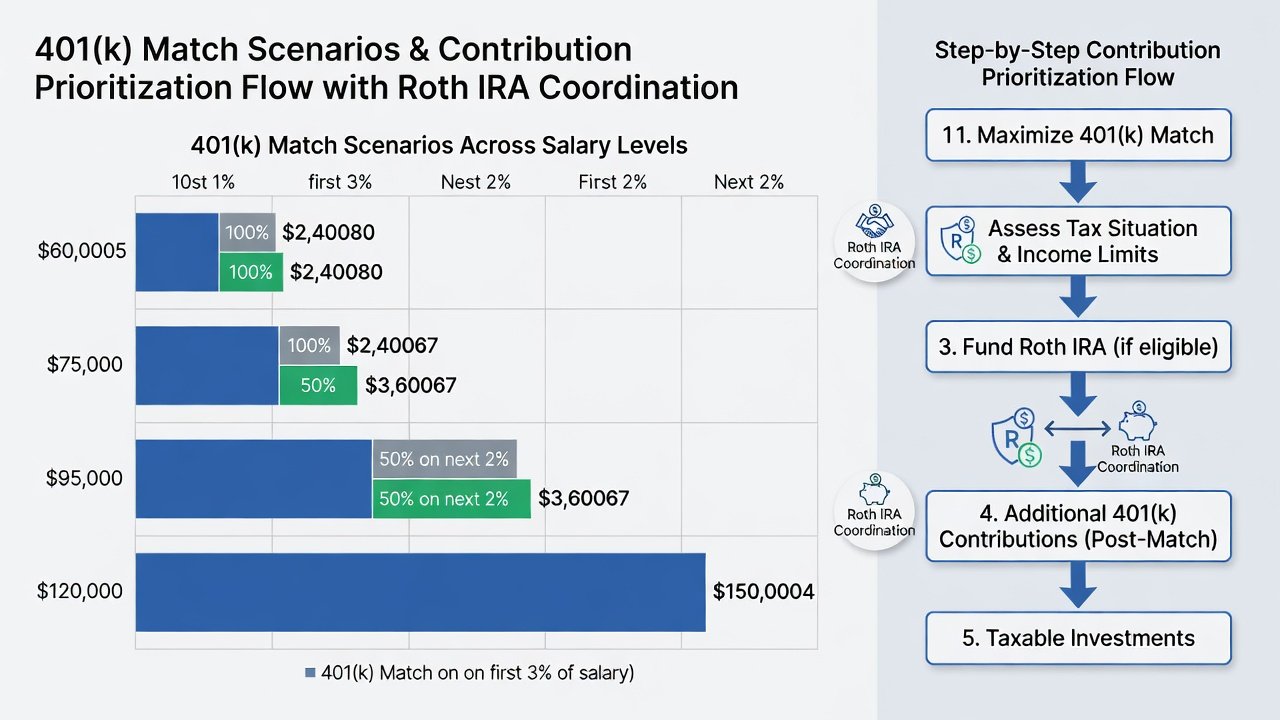
- Contribute enough to capture 100% of the employer match first.
- Maximize Roth IRA contributions if eligible, focusing on tax-free growth.
- Return to the 401k for additional pre-tax or Roth 401k deferrals if the plan allows.
- Consider backdoor Roth strategies if income limits apply.
- Reassess annually or after major life events such as marriage, home purchase, or career changes.
Mid-Year Adjustments to Deferral Percentages
Life changes such as raises, bonuses, or new expenses often require mid-year tweaks. Most plans allow percentage changes at any time. Increase your deferral after a raise to maintain the same take-home pay while boosting savings. Track contributions quarterly to ensure you hit match thresholds without exceeding annual caps. To make an adjustment, log into your plan portal or submit a form to payroll, and confirm the change takes effect on the next pay cycle. Setting calendar reminders every quarter can prevent missed opportunities, especially if your employer offers true-up matches at year-end that reconcile any shortfalls from earlier months.
Coordinating 401k Matches with Roth IRA Limits
Roth IRAs provide tax-free withdrawals in retirement, complementing the tax-deferred nature of traditional 401k matches. Balance the two by securing the match first, then directing remaining savings to a Roth IRA for diversified tax treatment. This approach optimizes both immediate free money and future tax advantages. When income levels rise, consider how Roth conversions or backdoor contributions might fit into the overall strategy without triggering unexpected tax bills. Coordination also involves monitoring contribution deadlines, as Roth IRA contributions for a given tax year must be made by the following April deadline.
Practical Examples for Different Salary Levels
Consider a $75,000 earner with a 50% match on the first 6% deferred: contributing 6% yields a 3% match worth a meaningful annual boost. For a $120,000 salary under the same formula, the match rises proportionally. Higher earners may see diminishing returns once they surpass the match cap and should shift focus to Roth accounts. A mid-level professional earning $95,000 who increases deferral from 3% to 6% could double their employer match while only modestly impacting take-home pay. These examples illustrate the importance of running personalized projections rather than relying on generic advice.
Tax Implications and Long-Term Strategy
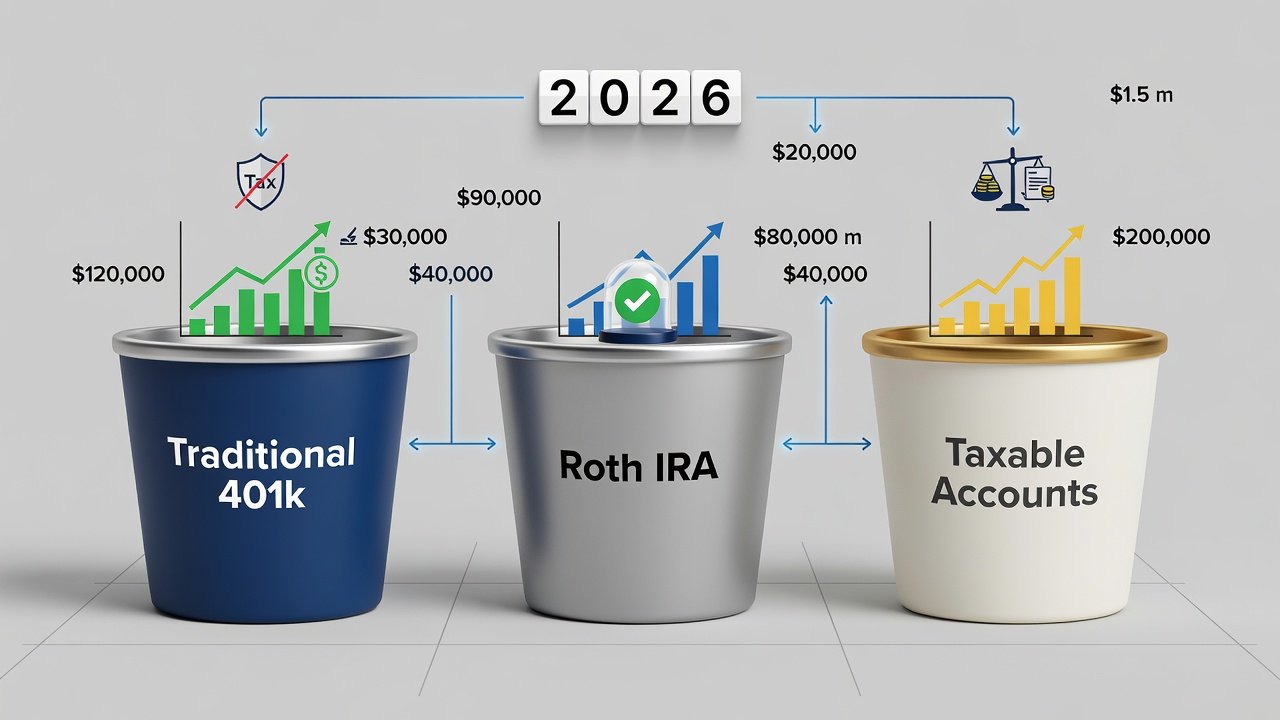
Employer matches are typically made on a pre-tax basis, reducing your taxable income in the contribution year while growing tax-deferred until withdrawal. When coordinating with Roth accounts, consider the future tax bracket implications of mixing pre-tax and after-tax savings. Diversification across account types can provide flexibility in retirement for managing required minimum distributions and overall tax liability. Consulting a tax advisor ensures alignment with evolving tax laws that may affect 2026 planning.
Comparison of Match Scenarios
| Salary | Deferral % | Match Received | Effective Rate | Notes |
|---|---|---|---|---|
| $60,000 | 5% | $2,400 | 80% | Strong starting point for new savers |
| $90,000 | 6% | $3,600 | 67% | Optimal for mid-career balance |
| $150,000 | 4% | $4,800 | 80% | High earners should layer Roth IRA next |
| $200,000 | 3% | $4,500 | 75% | Focus shifts to after-tax options post-match |
Common Pitfalls and How to Avoid Them
- Over-contributing beyond the match without considering overall tax strategy, which can lead to liquidity issues.
- Ignoring vesting when planning job changes, resulting in lost employer funds.
- Failing to update deferrals after compensation changes or life events.
- Missing coordination between 401k and Roth IRA contribution windows, causing missed tax advantages.
- Assuming all plans offer the same match structure without verifying details annually.
Monitoring and Tracking Your Progress
Establish a system for quarterly reviews of contribution statements, match credits, and vesting status. Use spreadsheet trackers or personal finance apps to project year-end totals and simulate different deferral scenarios. This habit ensures you stay on course and can make informed adjustments before the end of the plan year.
Short FAQ
What happens if I leave my job mid-year? You keep all your contributions and any vested matches, but unvested amounts may be forfeited depending on your plan's schedule.
Can I still get the match if I max out my Roth IRA first? Prioritize the 401k match before funding a Roth IRA to avoid missing free money that no other account can replicate.
How do I find my plan's match formula? Check your summary plan description or ask your benefits administrator for the most current details.
Should I reduce contributions if my employer changes the match? Re-evaluate your overall savings rate and consider maintaining the new level if it still supports your retirement goals.
Are there penalties for adjusting contributions too often? Most plans allow unlimited changes, but confirm with your administrator to avoid any administrative restrictions.
For more details on retirement accounts, visit Department of Labor employee benefits guidance.
Conclusion
Maximizing your 401k match in 2026 requires understanding your plan details, timing contributions wisely, and balancing Roth IRA opportunities. By following the prioritization steps and examples above, you can capture all available free money while building a diversified retirement portfolio. Start by reviewing your current deferral rate today and adjust as needed throughout the year to ensure steady progress toward your financial goals.

No comments yet. Be the first!