 Bullish Portfolio

Introduction to ESG Integration in 2026 Portfolios
Embedding environmental, social, and governance (ESG) criteria into portfolio management has become essential for investors seeking improved diversification amid evolving 2026 market dynamics. By incorporating ESG factors, portfolios can better balance risk, generate competitive returns, and align with personal or institutional values. This approach moves beyond traditional metrics to consider long-term sustainability impacts that influence asset performance across global markets.
Investors today face heightened regulatory scrutiny and shifting consumer preferences that favor responsible investing. Effective ESG integration helps mitigate exposure to companies with poor sustainability practices while uncovering opportunities in green technologies and ethical supply chains. The result is often a more resilient allocation strategy that performs well across economic cycles, including inflationary pressures and geopolitical tensions expected in 2026.
Furthermore, ESG integration supports better risk management by identifying hidden vulnerabilities such as supply chain disruptions from climate events or governance failures leading to litigation. Institutional and retail investors alike are increasingly demanding transparency, making this strategy a cornerstone of modern portfolio construction. Data from leading providers shows consistent outperformance in risk-adjusted terms when ESG factors are thoughtfully applied.
Selecting Relevant ESG Metrics for Portfolio Construction
Choosing the right ESG metrics starts with aligning them to specific investment objectives. Common indicators include carbon footprint for environmental impact, diversity and inclusion scores for social factors, and board independence ratios for governance quality. Investors should prioritize data from verified sources to ensure accuracy and comparability across holdings in different regions and sectors.
Practical selection involves screening for material issues relevant to each sector. For example, energy companies require strong emissions tracking, while technology firms benefit from data privacy assessments. Using frameworks from established organizations streamlines this process and reduces subjective bias in evaluations, allowing for consistent application across equity, fixed income, and alternative assets.
One effective method is to combine quantitative scores with qualitative analysis. This hybrid approach captures both measurable outcomes and forward-looking commitments, such as net-zero targets or community engagement programs. Regular metric reviews help adapt to new regulations and emerging risks, including those related to biodiversity and human rights in supply chains. Investors can also integrate third-party ratings from agencies like Sustainalytics or MSCI to enhance robustness.
Recalibrating Allocation Weights with ESG Considerations
Once metrics are selected, the next step is adjusting portfolio weights to favor high-ESG performers without sacrificing diversification. This often means reducing exposure to laggards in carbon-intensive industries and increasing allocations to leaders in renewable energy or sustainable agriculture. The goal is maintaining broad sector coverage while tilting toward responsible assets that demonstrate long-term resilience.
Rebalancing should occur periodically, typically quarterly, based on updated ESG data and market movements. Tools like optimization software can model scenarios that incorporate ESG constraints alongside traditional risk-return parameters. This ensures the portfolio remains efficient under multiple conditions, including stress tests for climate scenarios or social unrest events.
Real-world examples from institutional investors show that modest ESG tilts—such as 10-20% overweight in top-rated companies—can enhance Sharpe ratios over time. However, extreme shifts risk concentration, so gradual implementation paired with ongoing monitoring is advisable. Consider a case where a pension fund shifted 15% of its equity sleeve into ESG leaders in 2025, resulting in reduced volatility during subsequent market corrections while preserving upside participation.
Benchmarking ESG Portfolios Against Conventional Strategies
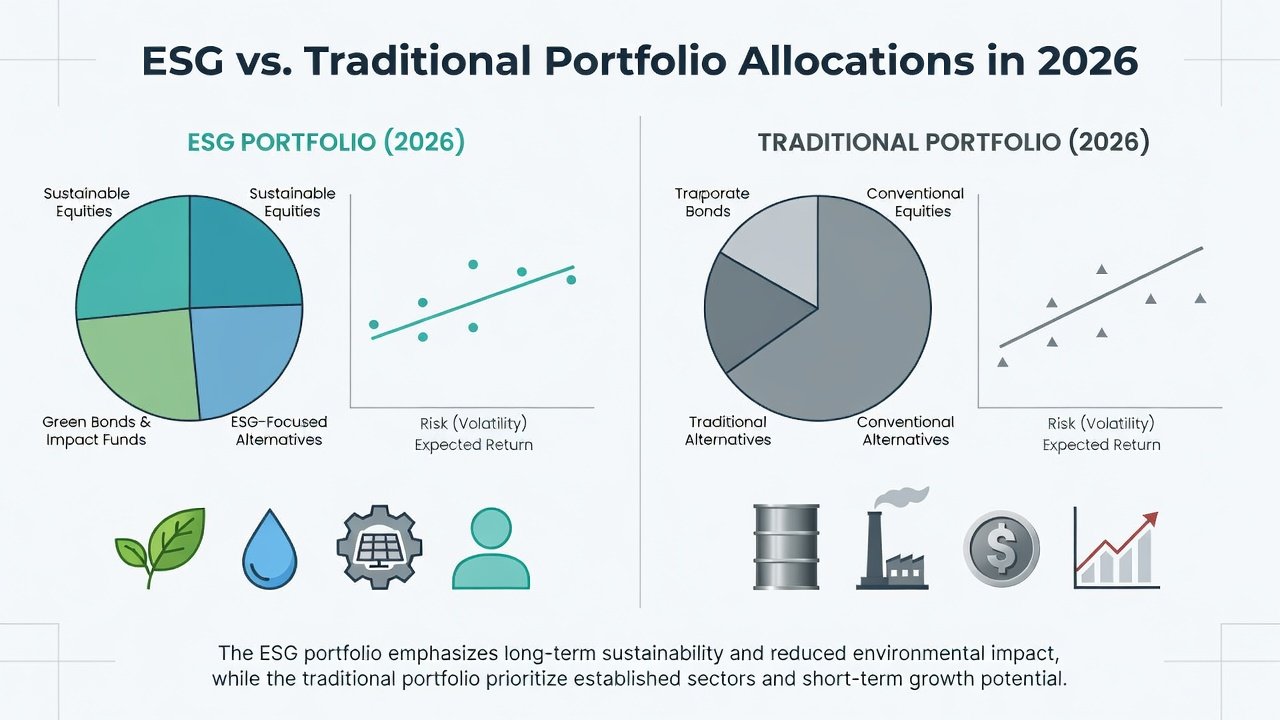
Comparing ESG-integrated portfolios to traditional benchmarks reveals performance nuances. Data from recent periods indicates that well-constructed ESG strategies often match or exceed broad market indices during volatility, thanks to lower downside risk from avoided controversies. For instance, portfolios emphasizing governance strength have shown resilience in regulatory-heavy environments prevalent in 2026.
Key benchmarks include MSCI ESG Leaders or FTSE4Good indices. Investors should track metrics like tracking error and information ratio to quantify how ESG adjustments deviate from conventional allocations. These comparisons highlight whether the sustainable approach delivers true alpha or merely similar returns with added values alignment, helping refine strategies over multi-year horizons.
Long-term studies suggest ESG portfolios can reduce volatility by 5-15% in certain asset classes. This stems from avoiding companies exposed to stranded assets or reputational damage. Benchmarking also informs tactical decisions, such as when to increase ESG exposure during market recoveries or sector rotations driven by policy changes.
Actionable Steps for Implementing ESG Integration
- Conduct a current portfolio audit using third-party ESG ratings to identify gaps and opportunities, reviewing holdings across all asset classes for material ESG risks.
- Define clear investment policy statements that incorporate ESG thresholds and exclusion criteria, ensuring alignment with fiduciary duties and beneficiary expectations.
- Partner with asset managers specializing in sustainable strategies for access to proprietary research and proprietary screening methodologies that go beyond public data.
- Implement ongoing education for stakeholders to maintain commitment during short-term underperformance periods, using case studies and performance attribution reports.
- Utilize impact measurement tools to report on both financial and non-financial outcomes to beneficiaries, including annual sustainability reports that detail progress toward goals.
These steps create a repeatable process that evolves with market conditions. Starting small with core holdings allows testing before scaling across the entire portfolio, reducing implementation friction and building internal buy-in.
Performance Comparisons and Risk-Return Insights
Side-by-side analysis of ESG versus conventional portfolios in 2026 conditions demonstrates comparable total returns with superior risk-adjusted metrics. Sustainable funds have particularly excelled in equity segments focused on clean energy transitions and social impact themes. Fixed-income allocations benefit from green bonds that offer competitive yields alongside positive environmental impact, often showing lower credit spreads during periods of economic uncertainty.
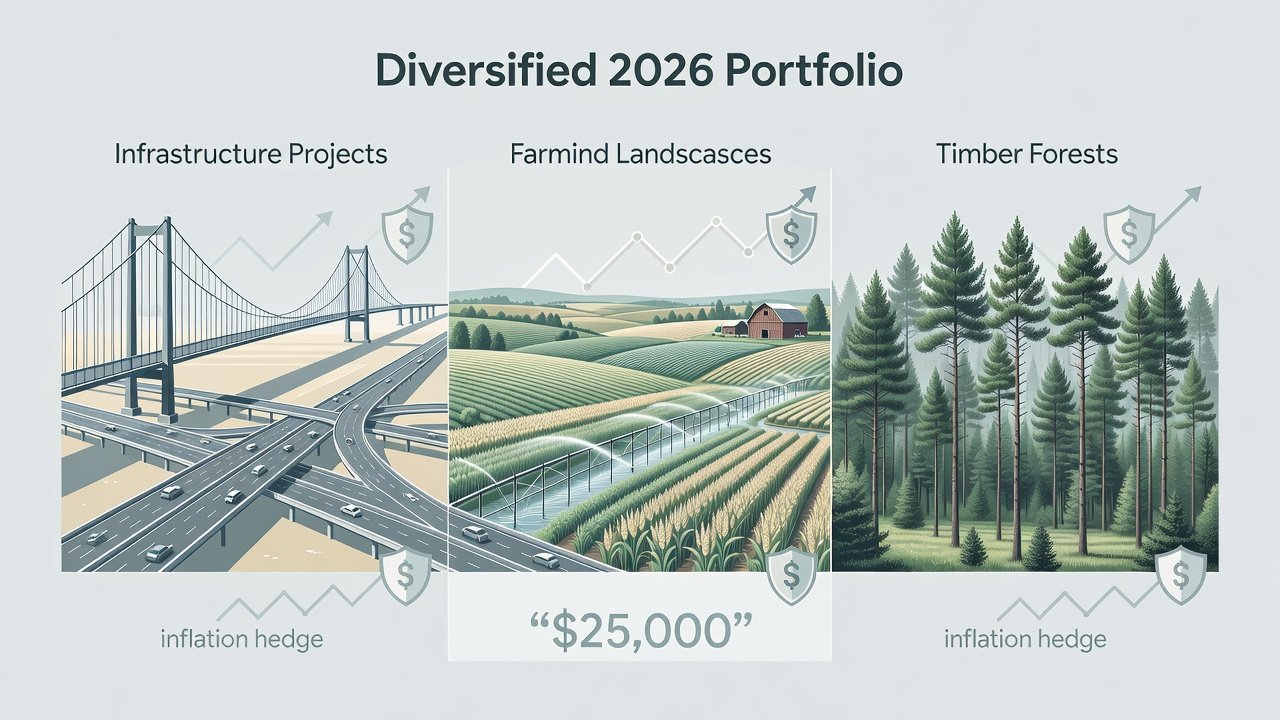
Investors should examine drawdown periods specifically, where ESG strategies often limit losses due to higher-quality underlying companies with stronger balance sheets and ethical practices. Diversification benefits also improve when including alternative ESG assets like sustainable infrastructure funds or impact private equity. Overall, the evidence supports ESG integration as a diversification enhancer rather than a performance drag, particularly when combined with active engagement strategies.
Overcoming Common Implementation Challenges
Many investors encounter hurdles such as inconsistent data quality across providers or short-term performance pressures. Addressing these requires building internal capabilities through training and leveraging technology platforms that aggregate multiple ESG datasets. Another frequent challenge is balancing exclusionary screens with broad diversification, which can be mitigated by using best-in-class approaches rather than strict negative screening.
Regulatory uncertainty in certain jurisdictions also demands flexibility in policy design. Engaging with industry associations and monitoring updates from bodies like the SEC helps maintain compliance while pursuing alpha opportunities. Successful programs often incorporate scenario analysis to test resilience against future ESG-related shocks.
Concise FAQ on Regulatory and Measurement Concerns
How do evolving regulations affect ESG integration in 2026?
Regulations such as those from the SEC emphasize standardized disclosures, requiring funds to substantiate ESG claims. Investors must stay updated via official channels to ensure compliance and avoid greenwashing penalties that could impact fund flows.
What are reliable methods for measuring ESG impact?
Standardized frameworks from UN PRI and World Bank provide consistent scoring. Combining these with third-party verifiers yields robust, auditable results suitable for reporting and benchmarking.
Can small investors access advanced ESG tools?
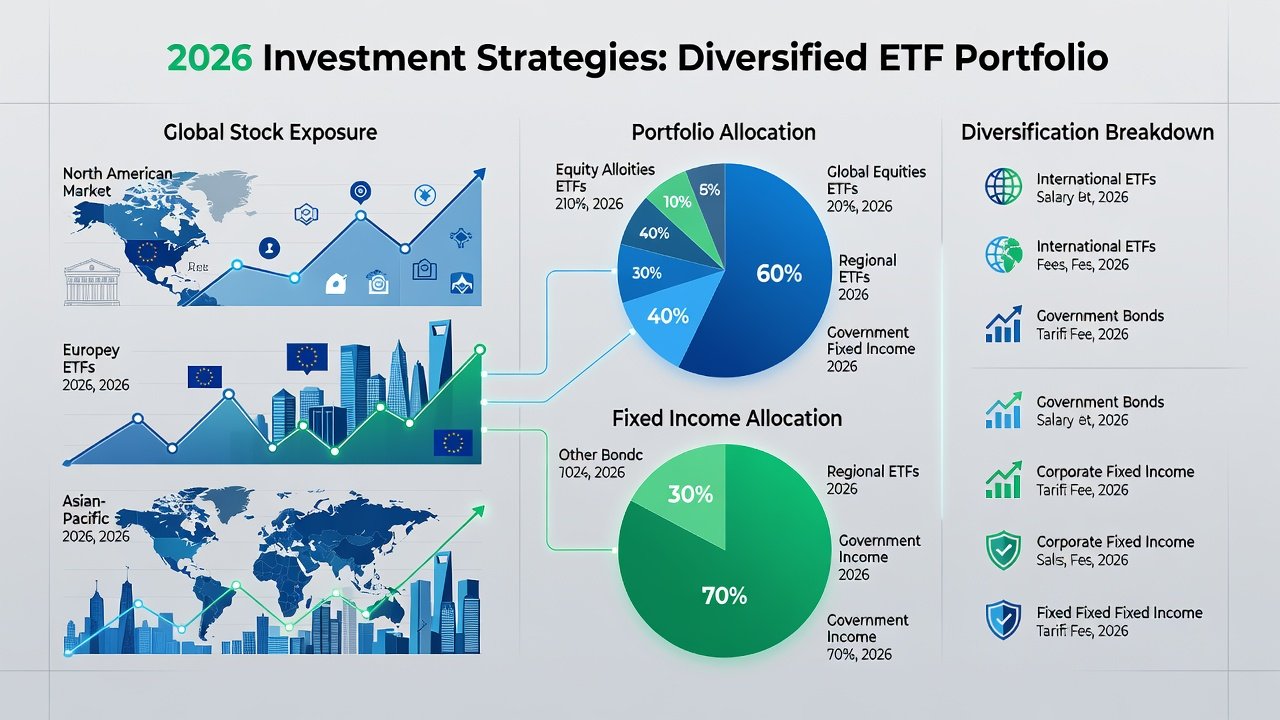
Yes, many brokerages now offer ESG-screened ETFs and robo-advisors with built-in sustainability filters, making professional-grade integration accessible without high minimums or complex infrastructure.
How should investors handle data inconsistencies across ESG rating agencies?
Investors can average scores from multiple providers or focus on material issues identified through their own analysis, supplemented by direct company engagement to clarify discrepancies and improve data reliability over time.
Conclusion
ESG integration represents a forward-thinking tactic for 2026 portfolio diversification that delivers both financial resilience and values alignment. By thoughtfully selecting metrics, recalibrating weights, and rigorously benchmarking, investors position themselves for sustainable success. Implementing these strategies with discipline turns ESG from a compliance exercise into a genuine competitive advantage that enhances long-term outcomes across diverse market environments.
No comments yet. Be the first!