 Bullish Portfolio
Introduction to Currency Hedging in 2026 Portfolios
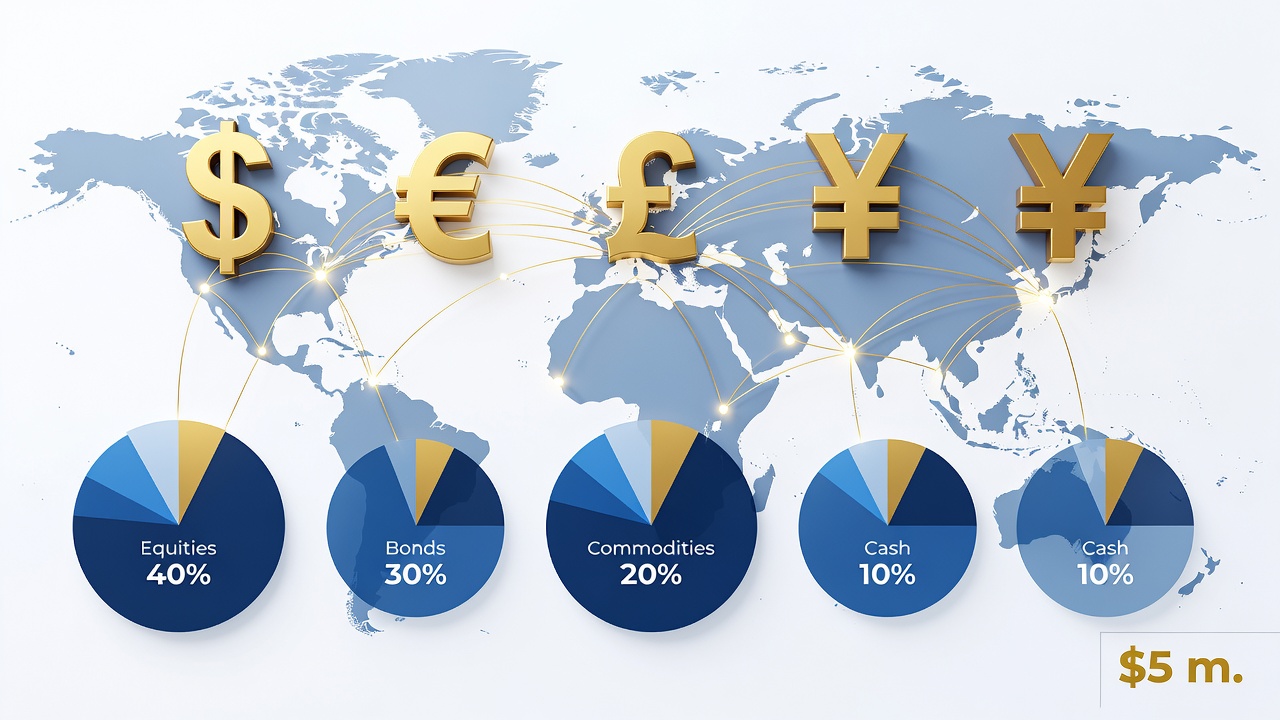
As global markets evolve in 2026, investors face heightened currency volatility driven by shifting monetary policies and geopolitical events. Integrating currency hedging into asset allocation helps safeguard international holdings without sacrificing growth potential. This approach enhances diversification by mitigating forex risks that can erode returns on foreign equities, bonds, and real assets. Effective hedging allows portfolios to maintain exposure to global opportunities while controlling downside from exchange rate fluctuations. Whether managing equities in Europe or fixed income in Asia, strategic use of derivatives provides a buffer against unpredictable moves. In today’s interconnected economy, currency movements often account for a significant portion of total return variability in cross-border investments, making proactive management essential for long-term success.
Portfolio managers increasingly view hedging not as an optional overlay but as a core component of risk budgeting. By neutralizing unwanted currency exposures, investors isolate the true performance of underlying assets such as corporate earnings growth or bond yields. This clarity supports better decision-making when rebalancing across regions or asset classes.
Why Currency Hedging Matters for 2026 Asset Allocation
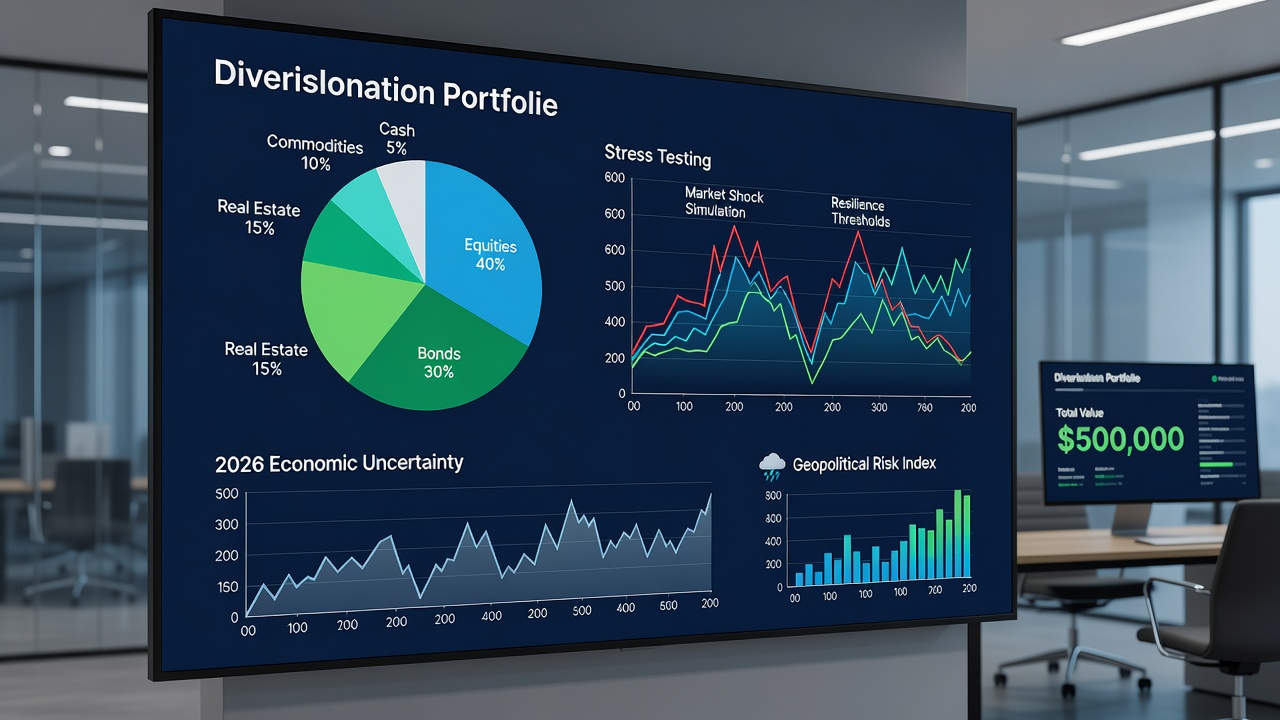
Global asset allocation benefits from exposure to multiple economies, yet currency swings often overshadow underlying asset performance. In 2026, factors like divergent central bank actions and trade dynamics amplify these risks. Hedging tactics reduce this noise, letting investors focus on fundamentals rather than exchange rates. Without hedging, a strengthening domestic currency can turn positive foreign returns negative. Conversely, hedging locks in gains and stabilizes portfolio volatility, supporting more consistent long-term outcomes. Historical patterns show that unhedged international equity allocations can experience annualized volatility increases of 5 to 10 percentage points solely from currency fluctuations during periods of monetary policy divergence.
Investors allocating to emerging markets face even greater exposure because many local currencies exhibit higher beta to global risk sentiment. Hedging these positions preserves the intended diversification benefits while limiting tail-risk events that could force premature liquidation of positions.
Key Hedging Tools: Forwards, Options, Swaps, and ETFs
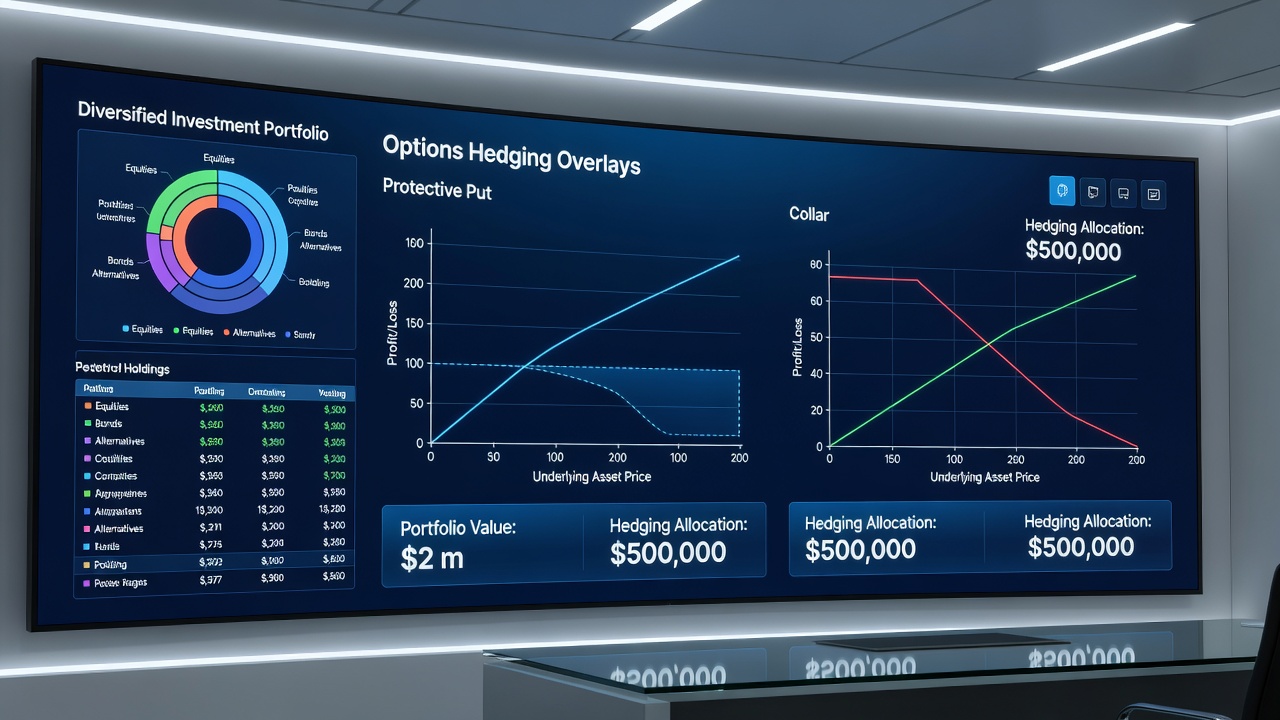
Investors rely on several instruments to implement currency hedges. Forward contracts allow locking in exchange rates for future transactions, providing certainty for known cash flows. Currency options offer flexibility, granting the right but not the obligation to exchange at a set rate, useful for asymmetric protection. Currency swaps facilitate longer-duration hedges by exchanging principal and interest payments in different currencies over multiple periods. Hedged ETFs provide a convenient, liquid vehicle for retail and institutional investors alike, embedding the hedge directly into the fund structure.
Each instrument carries distinct advantages. Forwards deliver precise, zero-premium protection but require rolling at maturity. Options allow participation in favorable moves at the cost of premiums. Swaps suit fixed-income portfolios with predictable cash flows. Understanding liquidity, counterparty risk, and margin requirements helps match tools to specific portfolio needs.
Step-by-Step Implementation Guide
- Assess current currency exposures across all international holdings by calculating the net long or short position in each foreign currency relative to the portfolio’s base currency.
- Define risk tolerance and hedging ratio, typically 30-70% of foreign assets depending on volatility forecasts and correlation assumptions.
- Select appropriate instruments based on liquidity needs, tenor matching, and market conditions such as implied volatility levels.
- Execute hedges through prime brokers or electronic platforms, ensuring documentation complies with regulatory requirements like Dodd-Frank reporting where applicable.
- Monitor hedge effectiveness using metrics such as basis risk and roll yield, then rebalance periodically as market values and exchange rates shift.
- Document the hedging policy in the investment policy statement to maintain consistency across market cycles.
Regular review ensures hedges remain aligned with evolving allocations and prevents drift that could reintroduce unintended currency risk.
Real-World Portfolio Examples with Before-and-After Comparisons
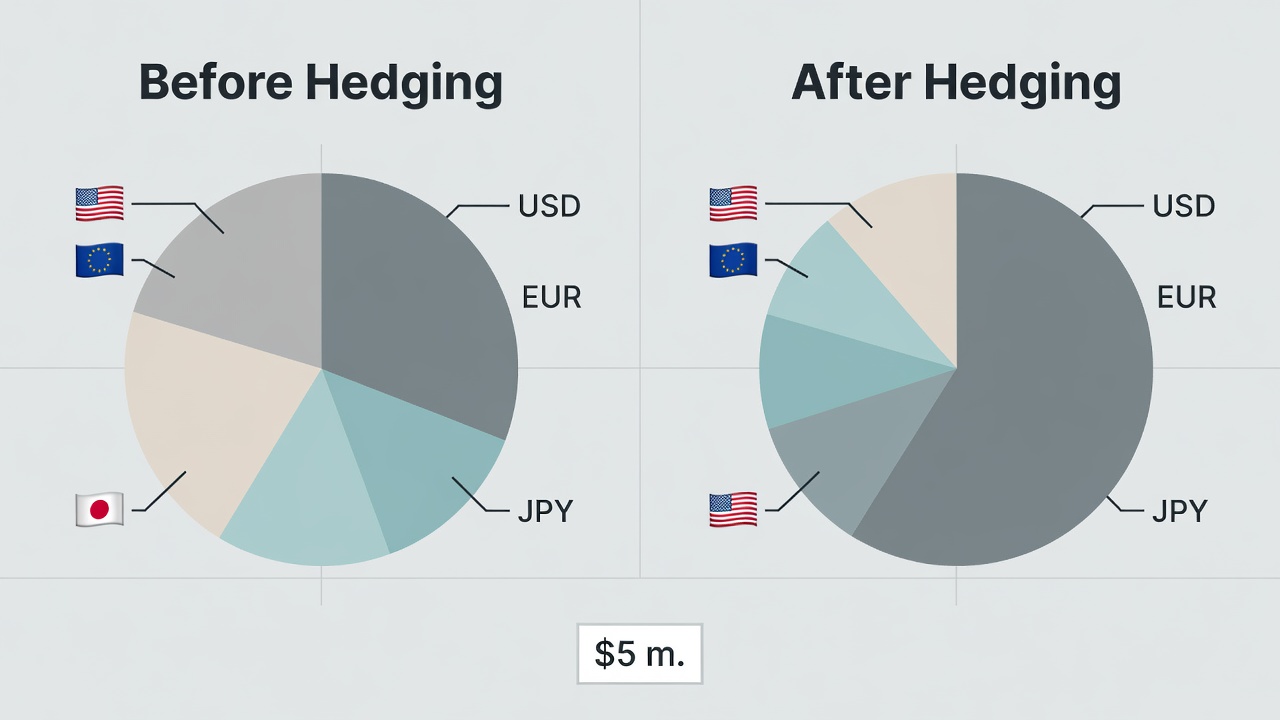
Consider a diversified portfolio with 40% international equities and bonds denominated in euros, yen, and pounds. Before hedging, a 10% adverse currency move could reduce overall returns by 4%. After applying forward contracts to 50% of foreign exposure, the same move limits impact to 2%, preserving capital for reinvestment. A second example involves a balanced allocation across USD, EUR, and JPY assets totaling $5 million. Pre-hedge volatility reaches 15% annualized; post-hedge, it drops to 9%, improving risk-adjusted metrics while retaining upside participation. A third case examines an emerging-market equity sleeve hedged with options during a period of rapid local-currency depreciation. The strategy capped losses at 6% versus an unhedged decline of 14%, demonstrating how selective hedging can protect capital without eliminating all participation in currency appreciation scenarios.
Common Mistakes to Avoid When Implementing Currency Hedges
Many investors over-hedge by protecting 100% of exposure, which can eliminate beneficial currency moves and increase costs through unnecessary rolling. Others ignore correlation shifts between asset returns and currency pairs, leading to ineffective hedges. Failing to account for hedge accounting rules may create earnings volatility even when economic exposure is well managed. Neglecting liquidity in exotic currency pairs often results in wide spreads that erode the intended protection. Finally, treating hedging as a one-time decision rather than an ongoing process allows drift that reintroduces risk over time.
Costs, Tax Implications, and Performance Metrics
Understanding expenses is essential. Bid-ask spreads on forwards and premiums on options add to total costs, varying by currency pair and tenor. Tax treatment differs by jurisdiction, with gains often taxed as ordinary income or capital gains depending on holding periods and instrument type. Performance evaluation uses metrics like Sharpe ratio improvements and tracking error reduction. Successful hedging typically lowers standard deviation without materially altering expected returns over full market cycles. Investors should also monitor carry costs arising from interest-rate differentials between currencies.
Frequently Asked Questions
What are the main costs associated with currency hedging?
Costs include transaction spreads, option premiums, and potential opportunity costs if the hedged currency moves favorably. These vary but remain a key consideration in net return calculations.
How do taxes impact hedged positions?
Tax rules treat derivative gains differently across regions. Consult local regulations or advisors, as some jurisdictions offer favorable treatment for certain hedging activities.
Can hedging improve long-term performance metrics?
Yes, by reducing volatility and drawdowns, hedging often enhances risk-adjusted returns, though it may cap some upside in strong currency environments.
Should all international allocations be hedged equally?
No. Hedging ratios should reflect the volatility of each currency, its correlation with the underlying assets, and the investor’s overall risk budget.
How frequently should hedges be reviewed?
Most institutional policies recommend monthly or quarterly reviews, with more frequent monitoring during periods of elevated volatility or significant portfolio rebalancing.
Conclusion
Currency hedging represents a vital tactic for robust 2026 global asset allocation. By combining forwards, options, swaps, and disciplined processes, investors protect diversification benefits while navigating forex challenges. Thoughtful implementation, ongoing monitoring, and awareness of costs deliver more resilient portfolios prepared for market shifts. International Monetary Fund resources, Federal Reserve data, and Bank for International Settlements publications provide valuable context for ongoing strategy refinement.
No comments yet. Be the first!