 Bullish Portfolio
Introduction to Geopolitical Risks in 2026 Portfolio Management
Geopolitical uncertainties continue to shape global markets in 2026, influencing everything from supply chains to currency valuations and commodity prices. Investors face a complex landscape where events such as trade disputes, sanctions regimes, and regional conflicts can trigger rapid shifts in asset values. Effective portfolio management in this environment demands proactive identification of risks combined with robust diversification strategies. This comprehensive guide explores practical methods for identifying key risk factors and implementing resilient asset allocation approaches that have demonstrated effectiveness in volatile conditions. By focusing on real-world applications, investors can build portfolios that not only survive but thrive amid uncertainty.
Key Geopolitical Risk Factors to Monitor
Trade wars remain a primary concern, with escalating tariffs between major economies disrupting international commerce and increasing costs for businesses worldwide. Sanctions on key nations further complicate access to critical resources, technology, and markets, often leading to secondary effects on allied economies. Additional factors include ongoing regional conflicts that affect energy supplies, regulatory shifts in emerging markets that alter investment rules overnight, and energy security issues that can trigger sudden market swings across multiple asset classes. Effective portfolio management begins with regular assessment of these elements through reliable data sources and scenario planning exercises.
Practical Tools for Risk Identification
- Track indices from international organizations to gauge trade policy changes and their potential ripple effects on global supply chains.
- Monitor sanctions lists published by government bodies for compliance impacts that could force sudden divestments or reclassifications of holdings.
- Use geopolitical risk indices that aggregate news and economic indicators to quantify overall tension levels and spot emerging threats early.
- Incorporate satellite data and shipping analytics for real-time visibility into trade route disruptions and resource flows.
These tools allow investors to move beyond reactive measures toward anticipatory portfolio adjustments that preserve capital during turbulent periods.
Diversification Across Regions and Asset Classes
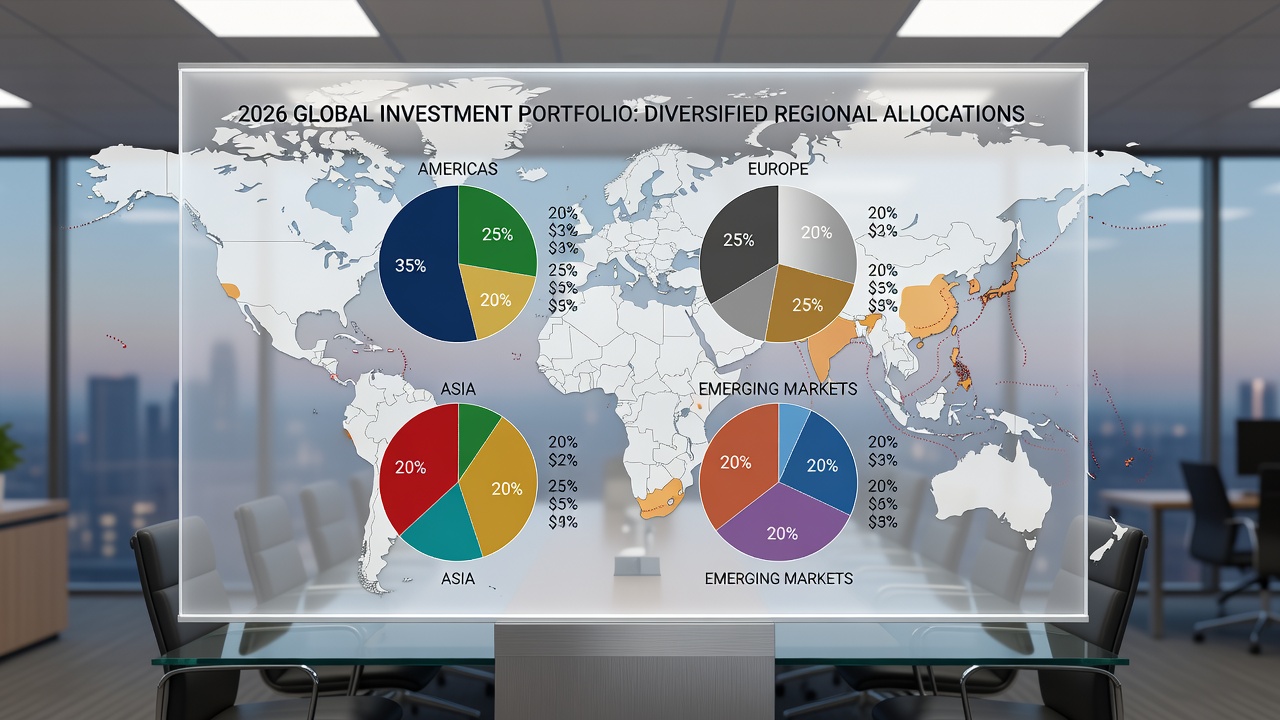
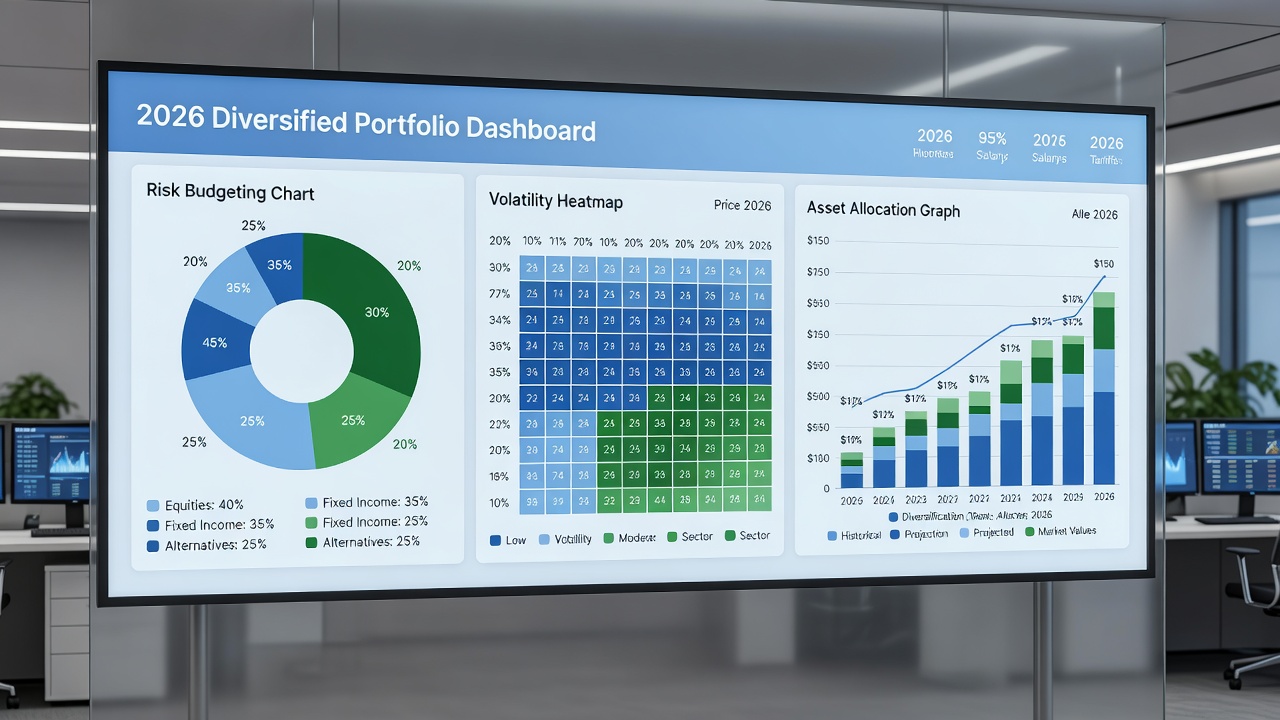
Spreading investments across multiple geographies reduces exposure to any single country's political instability or policy reversals. Recommended allocations include balanced exposure to North America for stability, Europe for regulatory diversity, Asia-Pacific for growth potential, and select emerging markets for higher returns with managed risk. Within asset classes, combining equities from defensive sectors, fixed income instruments like sovereign bonds, commodities such as precious metals, and alternative investments like infrastructure and real estate further mitigates volatility. This multi-layered approach helps portfolios withstand localized shocks while capturing global growth opportunities. Investors should also consider currency hedging to protect against exchange rate fluctuations driven by geopolitical events.
International Monetary Fund resources offer detailed analyses of regional economic interdependencies that inform allocation decisions and highlight potential contagion risks.
Step-by-Step Implementation Guide
Follow these detailed steps to build a geopolitically resilient portfolio that incorporates both quantitative analysis and qualitative judgment:
- Conduct a comprehensive risk audit of current holdings by mapping each asset to specific geopolitical exposures and stress-testing against historical events.
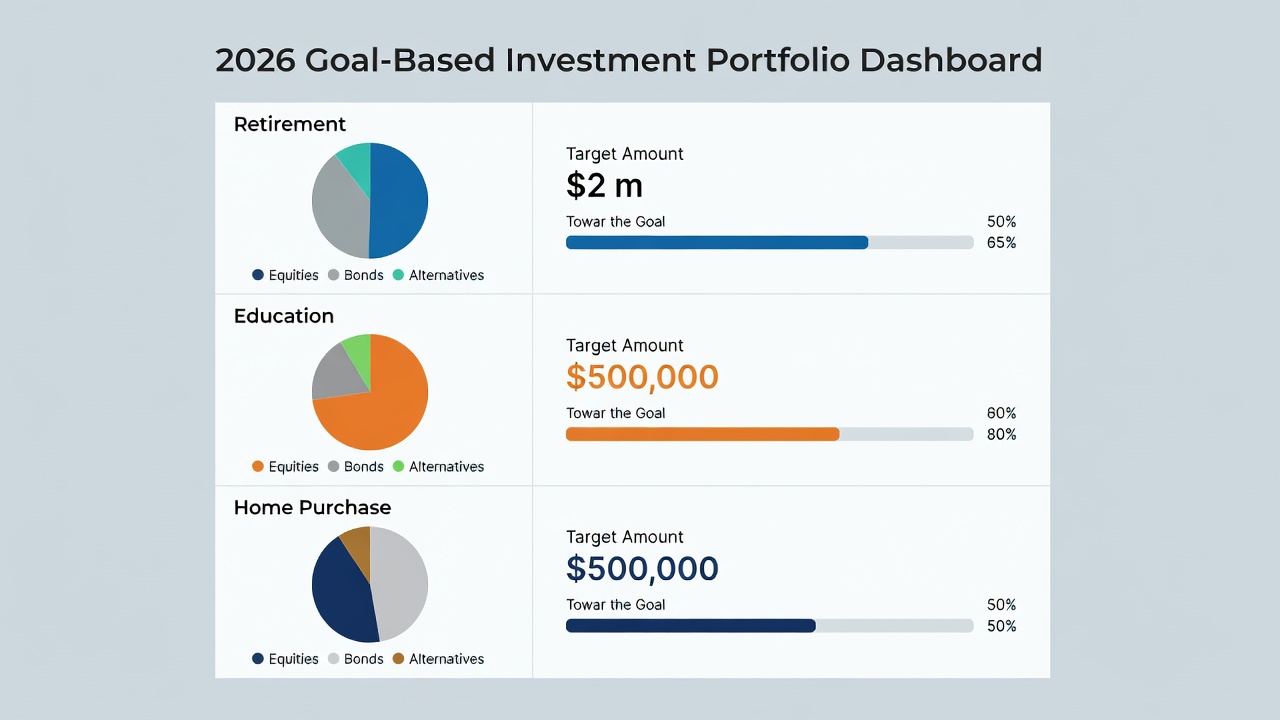
- Set target allocations based on personal risk tolerance, investment time horizon, and liquidity needs while incorporating buffers for unexpected events.
- Select low-cost vehicles such as broad-market ETFs and index funds for efficient regional and sector exposure without excessive fees.
- Implement automatic rebalancing rules that trigger quarterly or after predefined geopolitical triggers, such as a 20 percent rise in a conflict risk index.
- Incorporate hedging instruments like options contracts or volatility products for targeted downside protection during high-tension periods.
- Document all decisions and review the overall strategy annually to incorporate new data sources or lessons from recent market reactions.
Case Studies of Resilient Portfolios
During recent trade tensions, portfolios with approximately 30 percent allocation to non-correlated assets like gold, infrastructure, and short-duration bonds outperformed pure equity strategies by maintaining steadier returns and limiting drawdowns to under 10 percent. One institutional example involved shifting from concentrated U.S. technology exposure to a diversified blend including European defensive equities, Asian consumer staples, and Latin American agricultural commodities, resulting in significantly lower volatility during major sanctions announcements. Another case featured a family office that added exposure to neutral jurisdictions and alternative assets, which helped preserve purchasing power when currency markets reacted sharply to diplomatic escalations. These real-world examples underscore the importance of proactive adjustments over rigid, static holdings that fail to adapt.
Traditional Versus Adaptive Strategies Compared
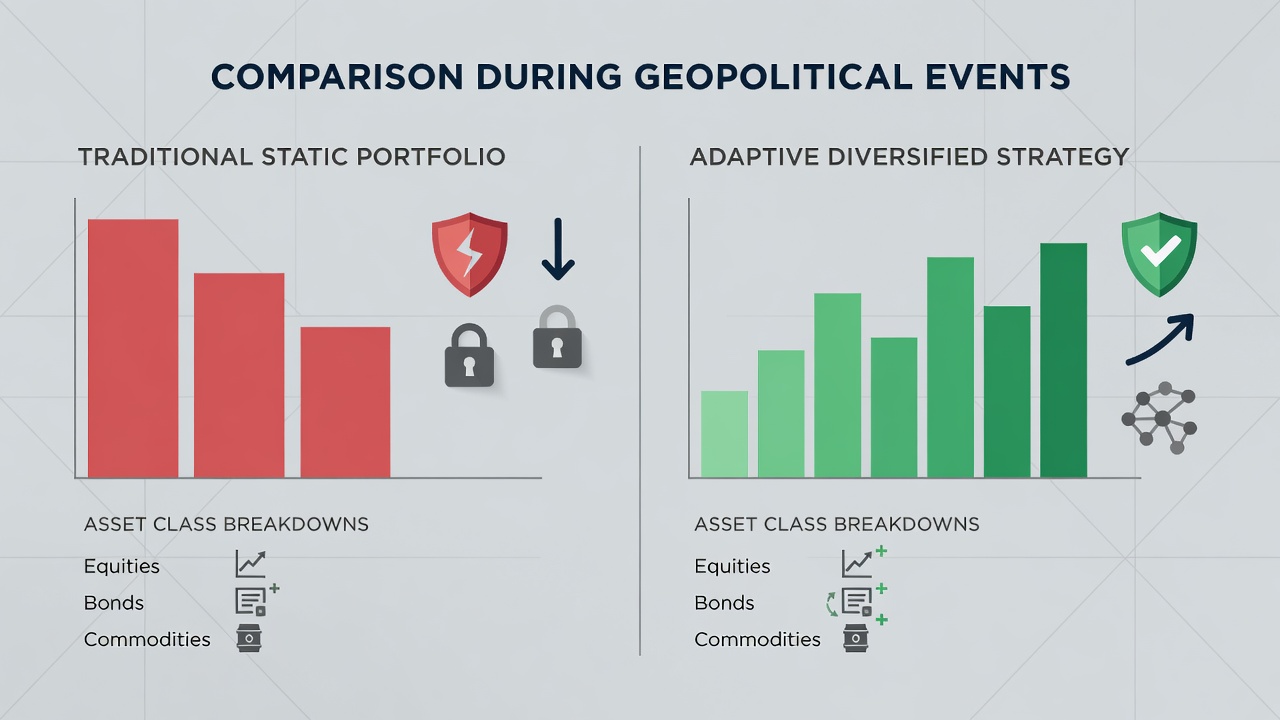
Traditional buy-and-hold approaches often falter when geopolitical events accelerate market shifts, leading to prolonged underperformance and emotional decision-making during crises. Adaptive strategies, by contrast, use dynamic thresholds to trigger reallocation, such as reducing emerging market exposure when conflict indicators rise above historical averages or increasing allocations to safe-haven assets during tariff escalations. Investors benefit from blending both methods by maintaining core long-term positions in high-quality assets while layering tactical overlays that respond to real-time developments. This hybrid model provides the discipline of traditional investing with the flexibility needed in 2026's unpredictable environment.
World Bank economic outlooks provide benchmarks for comparing strategy performance across multiple economic and geopolitical cycles.
Monitoring Indicators and Dynamic Adjustments
Key indicators to watch include oil price spikes above recent baselines, major currency fluctuations exceeding 5 percent in a month, and diplomatic event calendars that signal upcoming negotiations or summits. Set automated alerts through portfolio management platforms for threshold breaches and conduct full portfolio reviews on a monthly basis. This ongoing vigilance allows dynamic adjustments without overreacting to short-term noise or media hype. Best practices include maintaining a written policy for adjustment triggers and consulting multiple independent data sources to avoid confirmation bias.
Best Practices and Common Mistakes to Avoid
Successful investors maintain diversified holdings across uncorrelated assets, regularly stress-test portfolios against plausible geopolitical scenarios, and avoid over-concentration in any single region or sector. Common pitfalls include ignoring secondary effects of sanctions, failing to account for currency impacts, and making emotional reallocations based on headlines rather than data. Another frequent error is neglecting liquidity needs during periods of market stress when certain assets become difficult to sell without significant discounts.
OECD economic surveys provide additional context on policy responses that can influence long-term investment outcomes.
Conclusion
Successful 2026 portfolio management requires continuous attention to geopolitical developments paired with disciplined diversification and adaptive rebalancing. By applying the outlined tactics, investors can position their holdings for both protection during downturns and opportunity during recoveries in uncertain times.
FAQs
How often should geopolitical indicators be reviewed?
Weekly scans combined with deeper monthly analyses help capture evolving risks without excessive trading costs or unnecessary portfolio turnover.
What asset classes perform best during sanctions periods?
Commodities, certain defensive equities in stable sectors, and government bonds issued by politically neutral jurisdictions have historically shown resilience during sanctions episodes.
Can small investors apply these advanced tactics?
Yes, through accessible ETF products, low-cost index funds, and robo-advisors that incorporate geopolitical risk screens into their allocation models and rebalancing algorithms.
What role does currency hedging play in geopolitical diversification?
Currency hedging protects against exchange rate volatility triggered by political events, preserving the intended asset allocation and reducing unexpected losses in international holdings.
How can investors prepare for sudden trade policy changes?
Maintain flexibility through shorter-duration bonds, liquid alternatives, and regular scenario planning exercises that model the impact of new tariffs or trade restrictions on portfolio returns.
No comments yet. Be the first!