 Bullish Portfolio

Introduction to 2026 Asset Allocation Strategies
As economic landscapes evolve in 2026, intermediate investors must move beyond basic diversification to achieve superior risk-adjusted returns. This guide explores cutting-edge methods for portfolio construction, focusing on dynamic adjustments amid shifting global conditions. Effective asset allocation remains the cornerstone of long-term wealth preservation and growth. Investors today face unique challenges including persistent inflation pressures, evolving monetary policies, and rapid technological disruptions across industries. These factors make traditional static allocations less effective, requiring a more nuanced approach that blends strategic foundations with responsive tactics.
By evaluating correlations across asset classes and incorporating international exposures, investors can build resilient portfolios. Tactical overlays based on macroeconomic signals further enhance outcomes. This article provides actionable frameworks, model comparisons, and real-world applications to help readers implement these ideas confidently. The goal is to equip intermediate investors with tools that go beyond textbook examples and deliver practical results in current market environments.
Evaluating Cross-Asset Correlations in Modern Markets
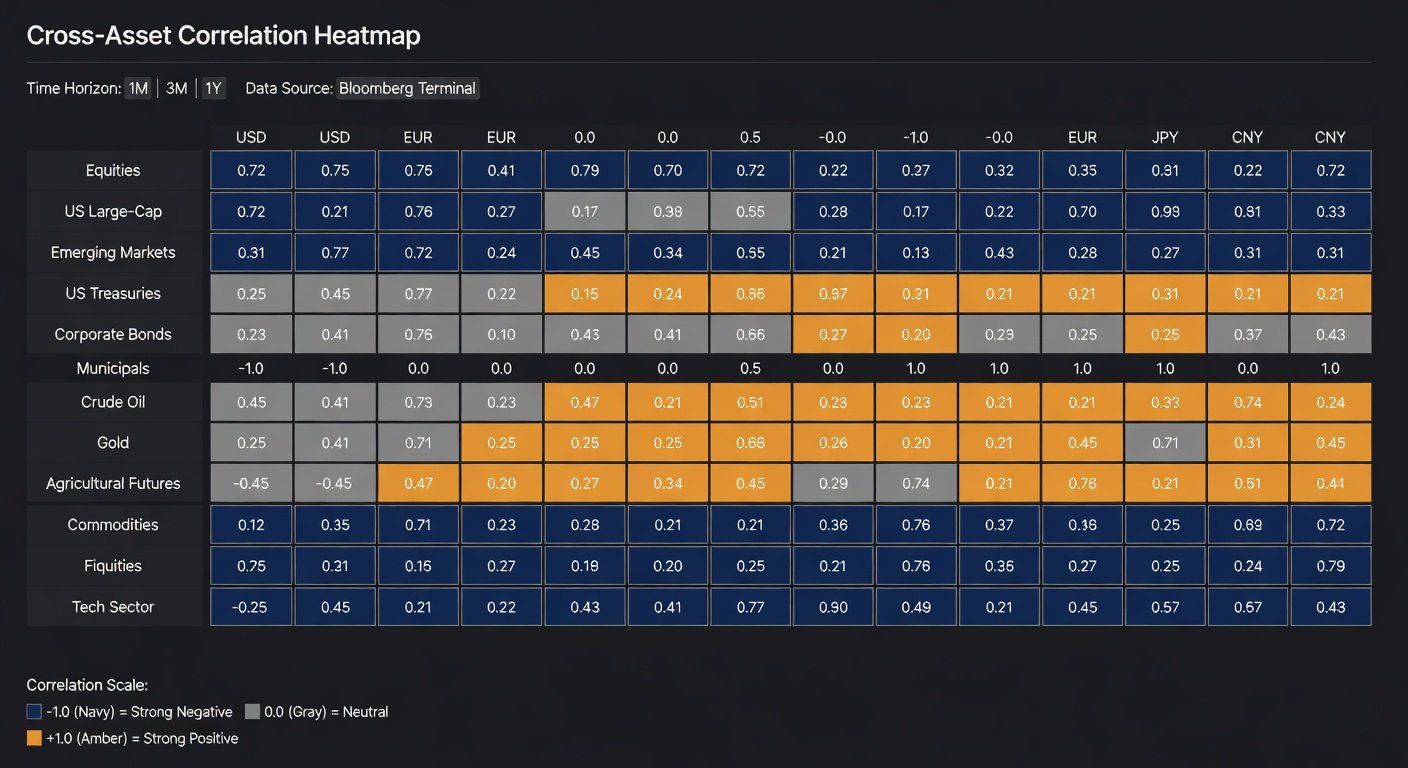
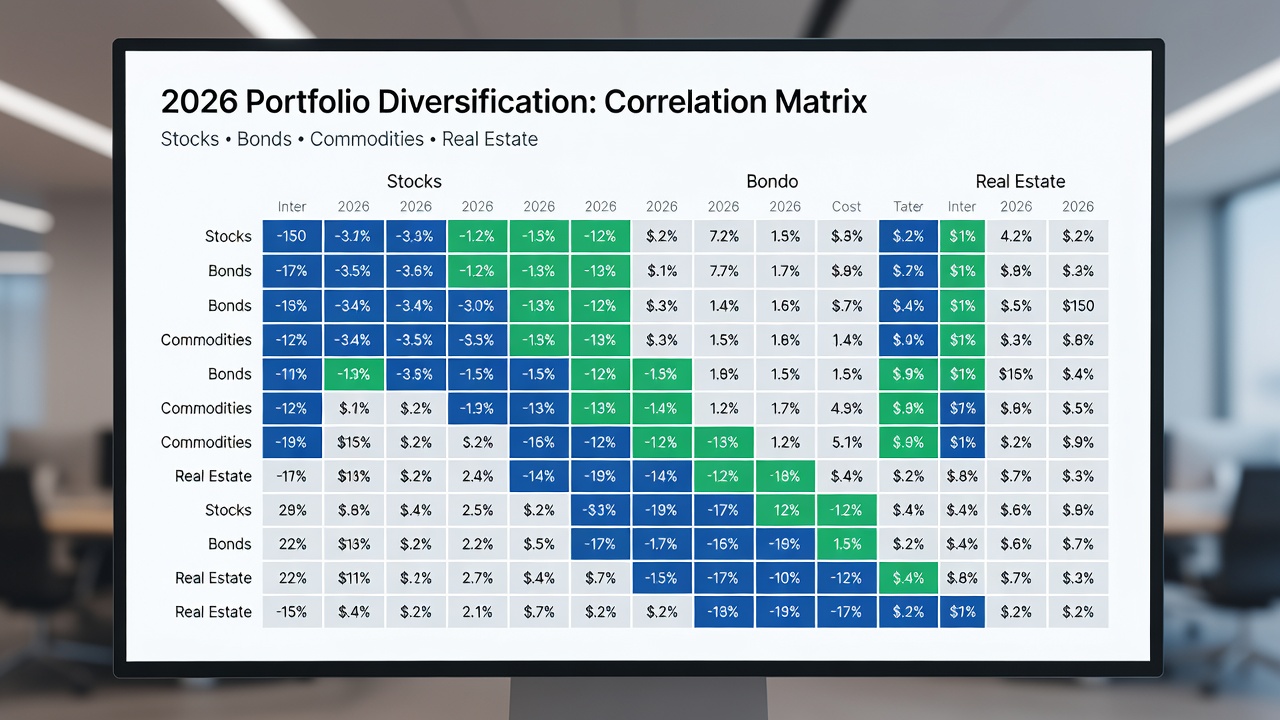
Understanding correlations is essential for true diversification. In 2026, traditional relationships between equities, fixed income, and alternatives continue to fluctuate due to inflation dynamics and geopolitical factors. Investors should analyze rolling correlation matrices to identify periods of convergence and divergence. Historical data shows that assets once considered reliable diversifiers can suddenly move in tandem during crises, underscoring the need for ongoing vigilance rather than one-time analysis.
For example, equity-bond correlations have shown increased variability. Regular monitoring allows for proactive rebalancing. Tools such as covariance analysis help quantify these interactions and optimize weightings. Advanced practitioners often layer in alternative data sources like sentiment indicators from news feeds or satellite imagery of economic activity to refine their correlation estimates.
Practical Steps for Correlation Analysis
- Collect historical data spanning multiple market cycles from reliable financial databases.
- Compute pairwise correlations using statistical software or platforms, focusing on both short-term and long-term windows.
- Identify low-correlation assets like commodities or real estate investment trusts that can offset equity volatility.
- Stress-test the portfolio against scenarios such as rising rates or recession to reveal hidden vulnerabilities.
- Document assumptions and update models quarterly to reflect new economic realities.
Incorporating Global Opportunities for Enhanced Diversification
Domestic bias limits potential. Expanding into emerging markets, developed international equities, and global fixed income provides access to varied growth drivers. Currency hedging decisions and regional economic outlooks should guide allocations. Investors benefit from exposure to different monetary regimes and demographic trends that domestic markets alone cannot offer.
Key regions include Asia-Pacific for technology exposure and Europe for value opportunities. Allocations to these areas help mitigate home-country risks. IMF resources offer valuable economic forecasts for global positioning, while World Bank data provides deeper insights into emerging market infrastructure and development projects that can inform allocation choices.
Applying Tactical Shifts Based on Economic Indicators
Tactical asset allocation overlays allow responsive adjustments. Monitor indicators such as GDP growth, unemployment rates, and central bank policies to tilt exposures. For instance, favoring defensive sectors during slowdown signals can preserve capital. Other useful signals include manufacturing PMI readings, consumer confidence surveys, and yield curve shapes that historically precede economic turning points.
Implementation involves rules-based triggers rather than discretionary timing. Combine with strategic core holdings for balanced execution. Federal Reserve publications serve as authoritative sources for policy signals that can inform these tactical decisions in real time.
Comparing Popular Allocation Models
Several frameworks suit different risk profiles and require careful evaluation before adoption:
- Mean-variance optimization: Maximizes returns for a given risk level using historical volatilities and expected returns, though it can be sensitive to input assumptions.
- Risk parity: Equalizes risk contributions across assets, reducing equity dominance and often delivering smoother returns across market regimes.
- Factor-based models: Emphasizes exposures to value, momentum, and quality premiums, allowing targeted tilts based on current market conditions.
- Black-Litterman approach: Combines market equilibrium with investor views to produce more stable optimized portfolios.
Each model has trade-offs. Risk parity often performs well in volatile environments, while factor approaches excel in trending markets. Investors should backtest multiple models against their specific time horizons and constraints.
Step-by-Step Implementation Guide
Follow this process to apply advanced allocation in a structured manner:
- Define investment objectives and risk tolerance through detailed questionnaires and scenario planning.
- Construct a strategic baseline using diversified ETFs or mutual funds that cover core asset classes.
- Incorporate correlation data and global assets by selecting low-cost vehicles with broad geographic reach.
- Apply tactical rules tied to economic releases, setting clear thresholds for when to adjust weights.
- Rebalance quarterly or upon threshold breaches while accounting for transaction costs and tax implications.
- Review performance against benchmarks and adjust models based on forward-looking economic projections.
This disciplined approach minimizes behavioral errors and keeps the portfolio aligned with evolving conditions.
Real-World Case Studies
Consider an investor who shifted 15% into global infrastructure during early 2026 signals of infrastructure spending. This move improved diversification and returns by capturing growth in transportation and energy projects across multiple continents. The allocation was supported by analysis of government budgets and supply chain trends, leading to outperformance versus a pure domestic equity tilt.
Another example involves using alternative data to reduce correlation exposure ahead of policy changes. A mid-sized portfolio reduced equity overlap by increasing allocations to timberland and private credit, which demonstrated lower correlations during subsequent rate volatility. These case studies highlight the value of data-driven decisions over emotional responses and show measurable improvements in drawdown protection.
Common Execution Challenges and FAQs
Investors often face hurdles such as data access, emotional biases, and transaction costs. Overcoming these requires discipline and professional tools along with regular education on market mechanics.
Frequently Asked Questions
How often should correlations be reassessed? Quarterly reviews are recommended, with more frequent checks during market stress to capture rapid shifts in relationships.
What role do alternatives play? They provide non-traditional return streams that lower overall portfolio volatility and improve Sharpe ratios over full market cycles.
Is tactical allocation suitable for all investors? It works best for those with intermediate experience and access to research, while beginners may prefer rules-based systematic approaches.
How do global opportunities affect taxes? Consider tax-advantaged accounts or consult advisors for cross-border implications including withholding taxes on dividends.
What software tools assist with these strategies? Popular platforms offer correlation matrices, optimization engines, and economic indicator dashboards suitable for individual investors.
How can behavioral biases be mitigated? Establish written investment policies and use automated rebalancing to reduce the impact of fear and greed on decisions.
By integrating these strategies, investors position portfolios for resilience in 2026 and beyond while continuously refining their approach based on new data and experiences.

No comments yet. Be the first!