 Bullish Portfolio
Introduction to REIT Sector Rotation in 2026
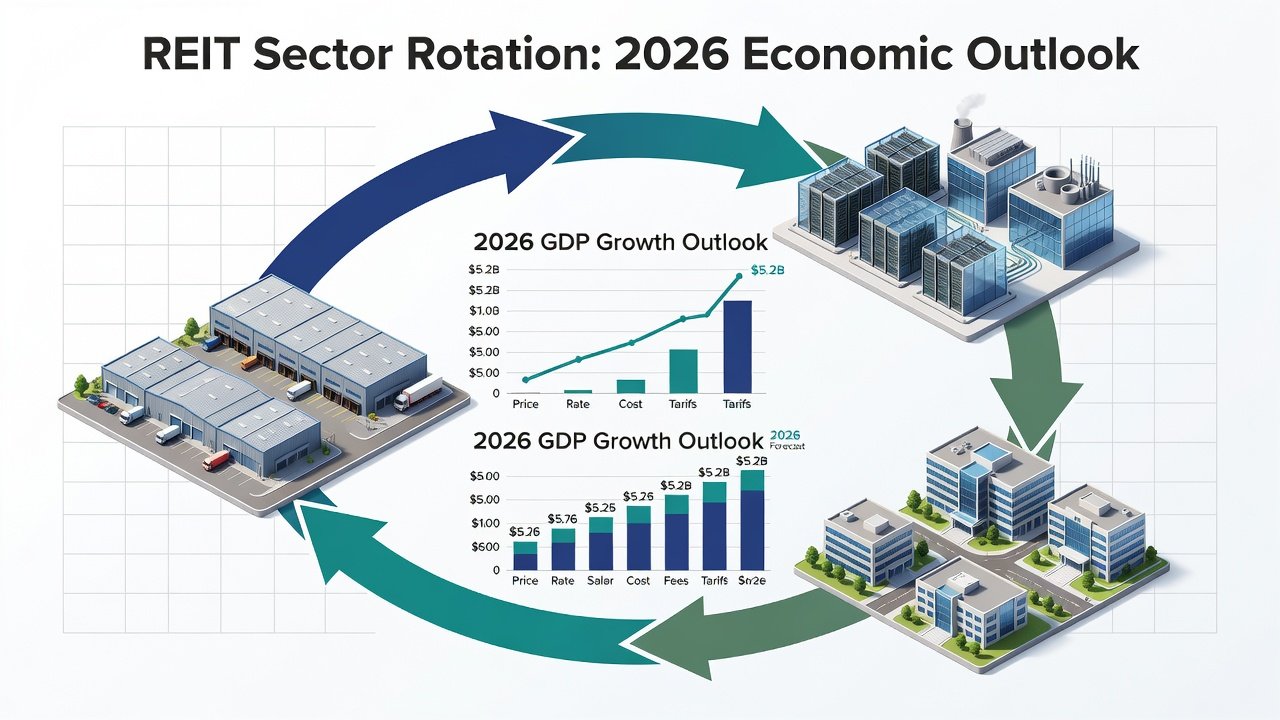
REIT sector rotation involves strategically shifting allocations among real estate investment trust categories based on economic cycles to maximize passive income. In 2026, with evolving interest rate environments and technological demands, investors can leverage fresh data-driven tactics beyond basic approaches. This method targets higher dividend yields while maintaining portfolio stability through careful timing and rebalancing. Advanced investors recognize that sector performance correlates with macroeconomic indicators like GDP growth, inflation, and employment data. By rotating into outperforming areas such as industrial, data center, and healthcare REITs, portfolios can achieve more consistent returns over time.
The concept extends traditional sector rotation by incorporating real-time data analytics and forward-looking economic forecasts specific to 2026 conditions. Investors who master these techniques often see improved income streams without significantly increasing overall risk exposure. This guide provides comprehensive coverage including correlations, timing mechanisms, step-by-step rebalancing processes, and concrete portfolio illustrations.
Understanding Sector Performance Correlations
Correlations between REIT sectors reveal opportunities for rotation that can enhance yields. Industrial REITs often thrive during e-commerce booms and supply chain expansions, showing positive links to manufacturing output and logistics demand. Data center REITs benefit from AI and cloud computing growth, correlating with technology infrastructure spending and digital transformation trends. Healthcare REITs provide defensive stability, tied to aging demographics and steady medical demand regardless of broader economic fluctuations.
Historical patterns indicate low correlations between industrial and healthcare sectors during economic expansions, allowing meaningful diversification benefits. Data centers may exhibit moderate positive correlation with industrial properties in growth phases but diverge during periods of regulatory change in tech. Investors should monitor these relationships using public economic data sources to anticipate shifts and position portfolios accordingly for passive income optimization.
Timing Signals Based on Economic Indicators
Effective rotation relies on signals from key indicators that influence each sector differently. Rising interest rates may favor data centers with long-term leases and predictable cash flows, while falling rates boost industrial properties sensitive to borrowing costs for expansion. Track metrics such as the Federal Reserve's rate decisions, unemployment figures, and inflation readings for precise entry and exit points throughout 2026.
Practical signals include monitoring PMI readings above 50 for industrial strength and data center occupancy rates exceeding 90 percent. Combine these with inflation reports and employment trends to time moves into healthcare during periods of economic uncertainty. Additional indicators like housing starts and consumer spending data further refine timing decisions for higher passive income stability.
Federal Reserve Economic DataAllocation Rebalancing Steps
Follow these structured steps for effective rebalancing:
- Assess current portfolio weights and yields across sectors using detailed performance tracking.
- Analyze upcoming economic releases and sector-specific trends for rotation triggers.
- Adjust allocations gradually, targeting 5-10 percent shifts per quarter to avoid market impact.
- Reinvest dividends strategically into underweighted sectors showing strong forward indicators.
- Review tax implications and transaction costs before executing any trades.
- Document all changes and set review dates for ongoing monitoring.
This disciplined process ensures adjustments remain aligned with 2026 market conditions while supporting long-term passive income objectives.
Real-World Portfolio Examples
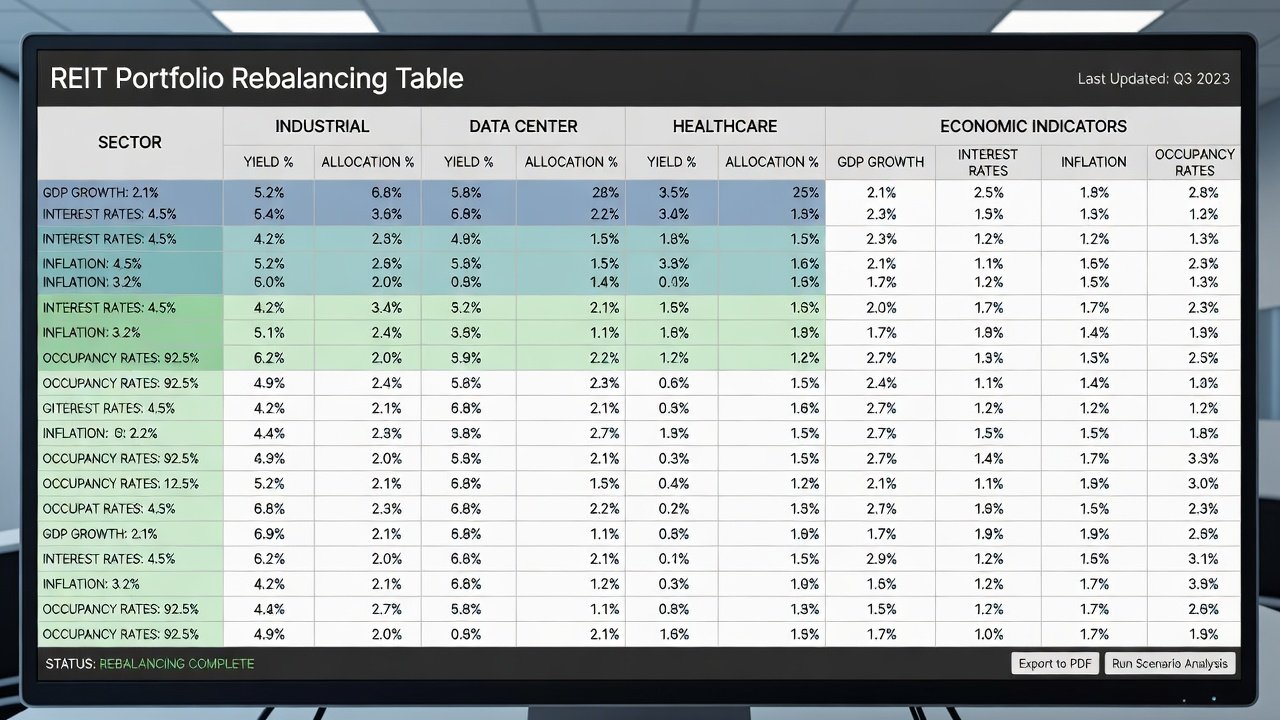
Consider a sample starting portfolio with 40 percent industrial, 30 percent data center, and 30 percent healthcare REITs focused on dividend generation. After detecting strong data demand signals from rising tech infrastructure investments, rotate to 30 percent industrial, 45 percent data center, and 25 percent healthcare. This adjustment typically leads to improved overall distributions through higher contributions from data center holdings with favorable lease structures.
Another detailed example involves shifting during healthcare demand surges driven by demographic trends, increasing that allocation to 40 percent for added stability while trimming industrial exposure amid slowing logistics growth to 25 percent and maintaining 35 percent in data centers. These rotations demonstrate how targeted moves can enhance income consistency across varying economic scenarios.
A third illustration shows quarterly rebalancing in response to PMI fluctuations, resulting in sustained yield advantages compared to static allocations over multi-year periods.
Practical Tools: Spreadsheets and Checklists
Readers can implement rotations using customizable spreadsheets that track sector yields, correlation matrices, indicator thresholds, and projected income changes. Include columns for allocation percentages, recent performance metrics, and automated alerts for rebalancing opportunities. Downloadable checklists should cover monthly economic data reviews, quarterly correlation updates, risk tolerance assessments, and documentation of all rotation decisions to maintain focus on passive income goals.
These tools enable systematic application of strategies without relying on guesswork, making advanced techniques accessible for consistent execution.
Yield Outcome Comparisons Before and After Shifts
Pre-rotation portfolios often show blended yields centered on defensive levels with moderate variability. Post-rotation examples highlight noticeable gains from timely moves into high-demand sectors, particularly when data center allocations increase during periods of strong digital growth. These comparisons underscore the tangible benefits of proactive strategies for 2026 investors seeking optimization beyond basic buy-and-hold approaches.
Common Mistakes to Avoid
Investors frequently err by over-rotating in response to short-term noise rather than sustained signals. Another pitfall involves neglecting tax consequences of frequent trades or failing to account for sector-specific risks like regulatory changes in healthcare. Always maintain a long-term perspective and use checklists to prevent emotional decision-making that could undermine passive income stability.
Conclusion
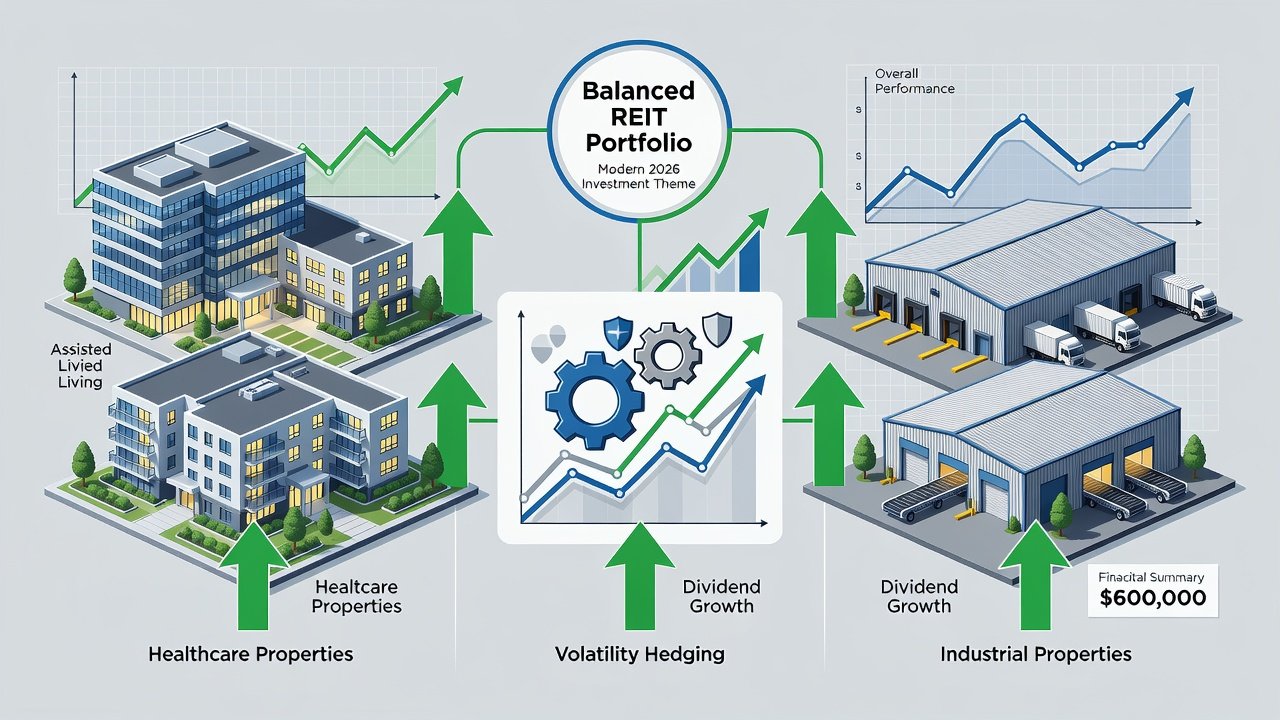
Mastering REIT sector rotation empowers advanced investors to enhance passive income through informed, data-backed decisions. By applying these tactics with industrial, data center, and healthcare REITs, portfolios gain resilience and higher yields in evolving markets while supporting reliable income generation.
FAQs on Risks and Tax Implications
What are the main risks of REIT sector rotation? Primary risks include market timing errors, liquidity constraints during volatile periods, and unexpected economic shifts that alter sector performance. Proper diversification and gradual adjustments help mitigate these challenges effectively.
How do taxes affect REIT rotations? REIT dividends are frequently taxed as ordinary income, and frequent trades may trigger short-term capital gains liabilities. Strategic holding periods and tax-advantaged accounts can optimize after-tax returns for passive income seekers.
Is sector rotation suitable for all investors? It aligns best with those possessing intermediate knowledge and time for monitoring, seeking active management within passive income frameworks. Beginners should consider starting with broader diversification before advancing to rotation tactics.
What role do correlations play in successful rotations? Low or negative correlations between sectors enable risk reduction while pursuing higher yields through strategic shifts, making correlation analysis essential for stable outcomes.
How often should portfolios be reviewed for rotation opportunities? Monthly indicator checks combined with quarterly rebalancing reviews provide an effective cadence for most investors aiming to balance responsiveness with transaction efficiency.

No comments yet. Be the first!