 Bullish Portfolio
Introduction to Industrial REITs for Passive Income
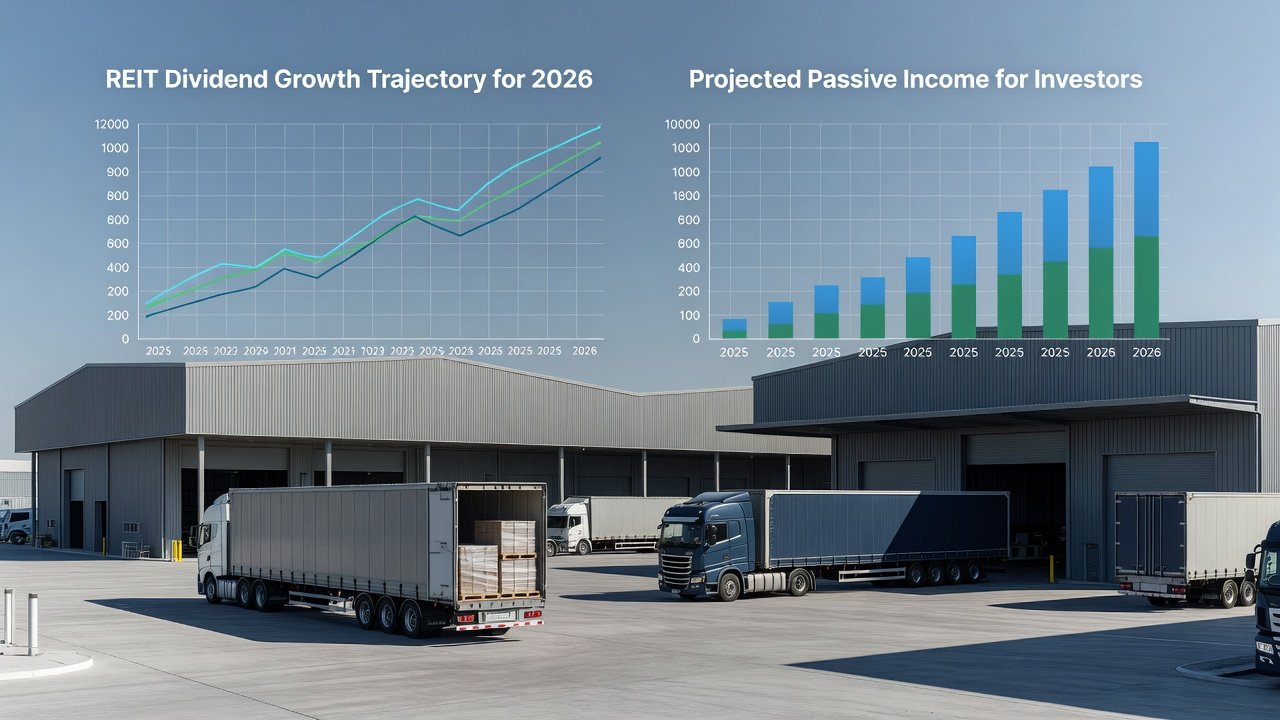
Industrial real estate investment trusts (REITs) have emerged as a cornerstone for investors seeking reliable passive income streams amid evolving supply-chain dynamics in 2026. With e-commerce continuing to drive demand for logistics and warehouse facilities, these REITs offer exposure to tangible assets that generate rental income distributed as dividends. This guide provides a practical, data-driven approach to identifying high-performing industrial REITs while building a diversified portfolio focused on long-term growth and stability. Investors benefit from the sector's resilience, as industrial properties often feature long-term leases and high occupancy. Understanding the nuances between logistics and warehouse sub-sectors helps optimize returns in a shifting economic landscape. Supply chain disruptions from recent years have accelerated nearshoring trends, creating new opportunities for industrial REITs positioned near ports and major highways. As online retail sales continue their upward trajectory, demand for modern distribution centers remains robust, supporting consistent occupancy and rent growth across the sector.
Passive income seekers appreciate industrial REITs because they typically deliver higher yields than traditional office or retail properties while exhibiting lower volatility. The sector benefits from structural tailwinds including the growth of third-party logistics providers and the expansion of manufacturing facilities returning to domestic shores. This comprehensive framework will walk through essential evaluation criteria, real-world portfolio construction examples, and ongoing monitoring strategies to help you build holdings capable of generating steady cash flow through 2026 and beyond.
Key Metrics for Evaluating Industrial REITs
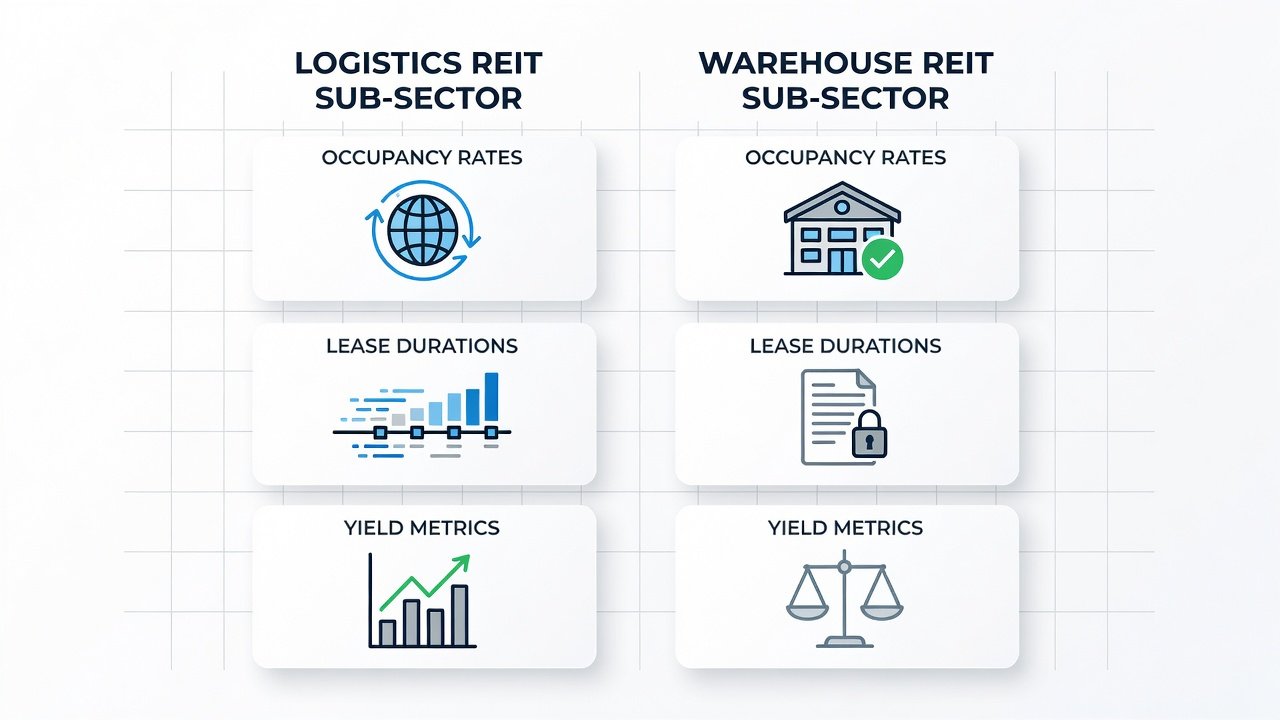
Selecting top performers requires analyzing several critical metrics. Occupancy rates indicate how effectively a REIT utilizes its properties, with top industrial REITs typically maintaining rates above 95%. Lease durations provide visibility into future cash flows; longer weighted average lease terms (WALTs) reduce turnover risk and support predictable income. Yield sustainability is essential for passive income. Examine funds from operations (FFO) growth and dividend payout ratios to ensure distributions remain covered. E-commerce tailwinds, measured through tenant diversification and proximity to major distribution hubs, further bolster performance. Additional metrics worth tracking include same-store net operating income growth, debt-to-EBITDA ratios, and the percentage of leases containing annual rent escalators. Practical tools for monitoring include SEC filings and industry reports from authoritative sources such as the U.S. Securities and Exchange Commission and NAREIT. Investors can also reference government data releases from agencies tracking industrial production and retail trade volumes to anticipate demand shifts.
Comparing Logistics vs. Warehouse Sub-Sectors
Logistics-focused REITs emphasize high-velocity distribution centers serving e-commerce giants, often achieving premium rents but facing higher competition. Warehouse REITs, by contrast, cater to traditional storage and light manufacturing, offering more stable but potentially lower-growth profiles. In 2026, logistics properties benefit from supply-chain reshoring trends, while warehouses provide defensive income during economic slowdowns. Investors should allocate based on risk tolerance, favoring a mix for balanced exposure. Logistics assets generally command higher cap rates in strong markets but can experience greater vacancy swings when consumer spending slows. Warehouse facilities tend to attract longer-term tenants in sectors like food distribution and automotive parts, creating more defensive cash flow characteristics. Understanding these differences allows investors to construct portfolios that capture both growth and income stability.
Step-by-Step Selection Framework
Begin by screening for REITs with occupancy above 94% and positive same-store NOI growth over the past three years. Next, review lease expiration schedules to ensure no more than 15% of square footage rolls in any single year. Analyze tenant concentration, avoiding portfolios where the top five tenants represent more than 40% of revenue. Then evaluate balance sheet strength by checking debt maturity profiles and interest coverage ratios. Finally, assess geographic footprint, prioritizing markets with strong population growth and limited new supply. This disciplined process helps filter out weaker operators and focus capital on resilient names capable of sustaining 6-8% dividend yields through varying economic cycles.
Building a Resilient Portfolio: Allocation Examples
Constructing a portfolio starts with diversification across 4-6 industrial REITs. A sample allocation might include 40% in established logistics leaders, 30% in regional warehouse operators, 20% in mixed-use industrial assets, and 10% in emerging markets with strong e-commerce growth. Rebalance annually to maintain target weights as valuations shift. Real-world case studies demonstrate 6-8% dividend streams achievable through careful selection. For instance, REITs with strong balance sheets have historically sustained payouts during rate fluctuations by focusing on creditworthy tenants and implementing contractual rent increases. Consider dollar-cost averaging into positions during market dips to improve overall yield on cost.
Real-World Case Studies
One illustrative example involves a logistics-heavy REIT that maintained 97% occupancy through 2025 by securing long-term leases with major parcel delivery companies. Its dividend grew steadily due to built-in escalators averaging 2.5% annually. Another case features a warehouse-focused trust that diversified across secondary markets, reducing concentration risk and delivering consistent 7% yields even as interest rates fluctuated. These examples highlight the importance of tenant quality and geographic spread in sustaining passive income.
Risk-Assessment Checklist
- Review interest-rate sensitivity and debt maturity schedules.
- Assess geographic concentration risks in key distribution corridors.
- Evaluate tenant credit quality and lease expiration timelines.
- Monitor supply additions that could pressure occupancy.
- Track macroeconomic indicators like manufacturing PMI and retail sales data.
- Analyze cap rate trends in target markets to avoid overpaying for acquisitions.
- Review management track record on capital allocation and development projects.
FAQs on Interest-Rate Impacts
How do rising rates affect industrial REIT dividends? Higher borrowing costs can compress margins, but well-capitalized REITs with fixed-rate debt often maintain distributions. What strategies mitigate rate risk? Laddering debt maturities and prioritizing properties with inflation-linked rent escalators help preserve yields. How should investors monitor rate environments? Follow Federal Reserve announcements and treasury yield curves for early signals. Can industrial REITs still deliver growth in a high-rate environment? Yes, those with strong rent growth and low leverage continue to perform well. What data sources provide the most reliable rate forecasts? Official releases from the Federal Reserve and economic research from major financial institutions offer transparent projections.
Conclusion
By applying this framework—focusing on metrics, sub-sector dynamics, and ongoing monitoring via resources like the U.S. Census Bureau—investors can build industrial REIT holdings that deliver sustainable passive income through 2026 and beyond. Start with small positions and scale based on performance data for optimal results. Regular portfolio reviews combined with disciplined adherence to the outlined metrics will position your holdings for both income stability and capital appreciation in the evolving industrial real estate landscape.

No comments yet. Be the first!