 Bullish Portfolio
Introduction to Building Stable Passive Income with Dividend Aristocrats and REITs
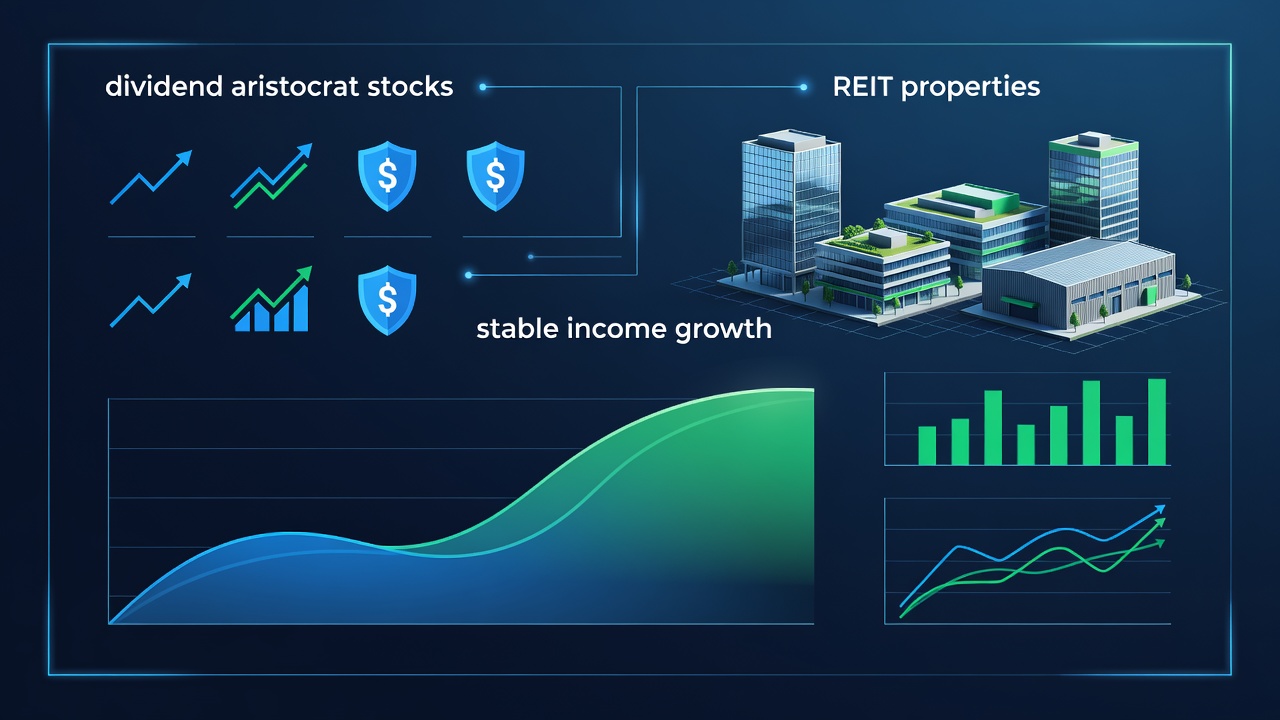
Investors seeking reliable passive income in 2026 often turn to proven strategies that combine the consistent dividend growth of Dividend Aristocrats with the income-generating power of Real Estate Investment Trusts (REITs). This approach creates a diversified portfolio designed for resilience against market volatility while supporting long-term compounding. Dividend Aristocrats are companies in the S&P 500 that have increased dividends for at least 25 consecutive years, offering stability. REITs, which own and operate income-producing real estate, provide high yields through mandatory distributions. Together, they form a blueprint for passive income focused on sustainability and growth.
The search for dependable long-term income strategies highlights the need for careful selection, balanced allocations, and ongoing management. This guide covers practical steps, real-world examples, and performance considerations to help investors construct such a portfolio. By understanding how these asset classes complement each other, individuals can build a foundation that generates steady cash flow while protecting principal over decades.
Selection Criteria for Dividend Aristocrats
Choosing the right Dividend Aristocrats requires evaluating payout ratios, dividend growth history, and financial health. Focus on companies with payout ratios below 60% to ensure room for future increases. Examine sectors like consumer staples, healthcare, and industrials for defensive qualities. For example, firms such as Procter & Gamble or Johnson & Johnson have demonstrated decades of dividend raises, making them core holdings. Additional factors include consistent earnings growth, strong balance sheets, and competitive advantages that support ongoing dividend hikes.
Investors should review metrics like free cash flow and earnings stability. Cross-reference with resources from Investopedia for deeper analysis tools. Avoid chasing high yields alone, as unsustainable payouts can lead to cuts during downturns. A practical approach involves screening for aristocrats with at least 30 years of increases and low debt-to-equity ratios to enhance resilience in 2026 market conditions.
REIT Selection Criteria for Reliable Yields
REITs offer exposure to real estate without direct ownership, but selection demands scrutiny of property types, occupancy rates, and debt levels. Prefer equity REITs in diversified sectors like residential, industrial, and healthcare properties. Look for funds with strong balance sheets and consistent funds from operations (FFO) growth. Examples include established players in logistics or data centers that benefit from e-commerce and technology trends. Investors can further refine choices by analyzing cap rates and lease expiration schedules to gauge future income stability.
Yield sustainability analysis involves checking dividend coverage ratios and historical performance through economic cycles. Sector diversification within REITs—spreading across at least three property classes—reduces risk from localized downturns. Mortgage REITs may offer higher yields but carry greater interest rate risk, so most income-focused portfolios stick primarily to equity REITs for steadier results.
Ideal Allocation Ratios for Risk Balance
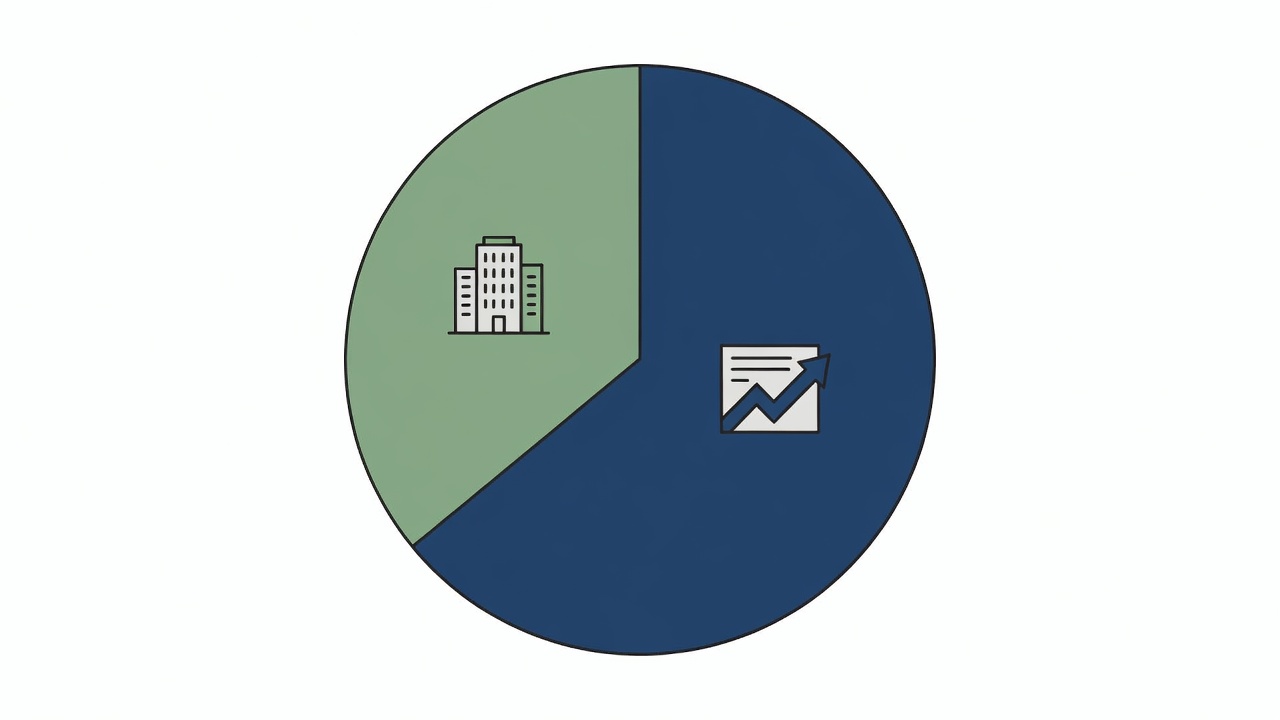
A balanced allocation typically favors 60% Dividend Aristocrats and 40% REITs for moderate risk tolerance, emphasizing equity stability while capturing real estate income. More conservative investors might shift to 70/30, while those comfortable with higher yields could consider 50/50. These ratios help manage interest rate sensitivity in REITs against the steadier equity returns of aristocrats. Performance scenarios show that such blends historically weather recessions better than single-asset portfolios, with the equity component providing growth and the REIT allocation delivering current income.
Adjust based on personal goals, age, and market conditions using periodic rebalancing. For instance, younger investors may tilt toward higher aristocrat weightings for capital appreciation, whereas retirees often favor increased REIT exposure for immediate cash flow needs.
Practical Portfolio Construction Steps
Start by opening a brokerage account suited for dividend investing. Research and select 8-12 aristocrats across industries, then add 4-6 REITs or a REIT ETF for efficiency. Use dollar-cost averaging to build positions gradually. Monitor quarterly for any dividend changes. A sample starting portfolio might include blue-chip aristocrats such as Coca-Cola and Abbott Laboratories alongside REITs focused on warehouses and apartments.
Compounding techniques include reinvesting distributions automatically to accelerate growth. Track total returns annually and rebalance when allocations drift more than 5% from targets. This disciplined process helps maintain the portfolio’s income-generating potential over time.
A sample allocation table might look like this:
| Asset Type | Allocation | Example Holdings | Expected Role |
|---|---|---|---|
| Dividend Aristocrats | 60% | Consumer staples & healthcare stocks | Steady dividend growth |
| REITs | 40% | Industrial & residential REITs | High current yield |
Sector Diversification Tactics and Yield Sustainability
Effective diversification spans multiple sectors to mitigate concentration risk. Combine aristocrats from utilities with REITs in commercial properties for broader coverage. Analyze yields by comparing trailing twelve-month figures against peers, ensuring sustainability through earnings coverage. Investors should also consider macroeconomic factors such as inflation trends and interest rate outlooks that influence both asset classes differently.
Common pitfalls include over-concentration in one sector or ignoring tax implications. For tax considerations, hold assets in tax-advantaged accounts where possible, and consult IRS guidelines at IRS.gov for qualified dividend treatment. REIT distributions often count as ordinary income, so strategic placement in IRAs or 401(k)s can optimize after-tax returns.
Comparing Performance Scenarios
In bull markets, REITs may outperform on total return, while aristocrats provide downside protection in bears. Historical data from authoritative sources like the SEC underscores the value of this hybrid approach for income-focused investors. Scenario analysis reveals that a 60/40 mix tends to deliver smoother income streams with lower drawdowns during periods of economic stress compared to pure equity or pure real estate strategies.
FAQs for 2026 Investors
- What are good entry points? Begin with established aristocrats during market dips and core REITs with proven track records. Dollar-cost averaging helps smooth purchase prices over time.
- How do taxes affect returns? Qualified dividends receive favorable rates, while REIT distributions are often ordinary income—plan accordingly by using tax-advantaged accounts.
- What common mistakes should be avoided? Ignoring fees, failing to diversify, and chasing unsustainable yields top the list. Always review expense ratios and total costs before committing capital.
- How often should the portfolio be reviewed? Conduct a full review at least twice per year and rebalance whenever allocations shift significantly due to market movements.
In conclusion, blending Dividend Aristocrats with REITs delivers a robust framework for passive income in 2026. By applying rigorous selection, thoughtful allocations, and disciplined compounding, investors can build lasting wealth with reduced volatility and reliable cash flow for years to come.


No comments yet. Be the first!