 Bullish Portfolio
Introduction to Sustainable ETF Investing in 2026
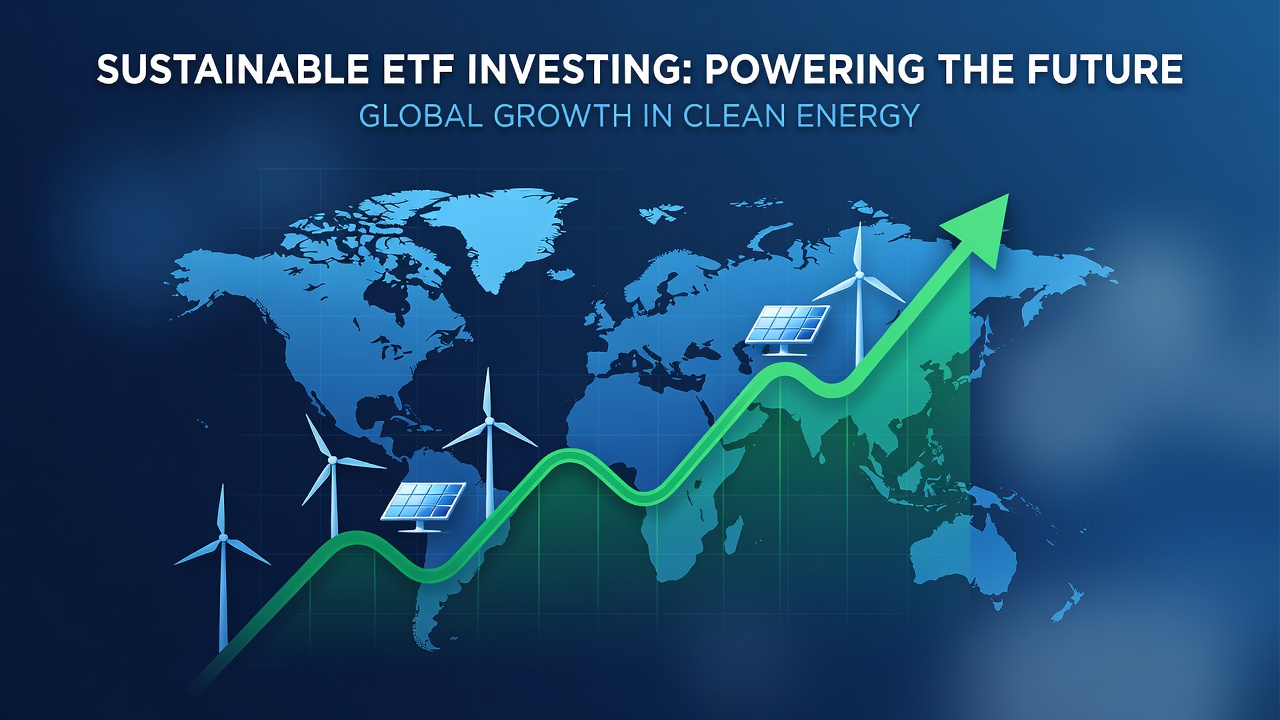
As investors increasingly prioritize environmental responsibility alongside financial returns, sustainable ETF investing has emerged as a powerful strategy for 2026. This approach combines ESG-focused sector ETFs in areas like clean energy and technology with broad traditional index funds to achieve both impact and diversification. Whether you're a beginner or seasoned investor, understanding these tools can help build resilient portfolios that align with global sustainability goals. The growing emphasis on climate action, regulatory shifts toward net-zero targets, and consumer demand for responsible products make this hybrid strategy particularly relevant this year. By integrating targeted ESG sectors with passive index exposure, investors can pursue competitive returns while supporting companies that demonstrate strong environmental practices.
Understanding ESG Sector ETFs and Index Fund Integration
ESG sector ETFs target companies meeting environmental, social, and governance criteria, particularly in high-growth areas such as renewable energy and green technology. Pairing them with traditional index funds provides broad market exposure while tilting toward sustainability. This hybrid method reduces concentration risk and supports long-term growth amid evolving regulations and consumer preferences. Traditional index funds, such as those tracking the S&P 500 or total market indices, offer low-cost diversification across thousands of stocks. Adding ESG sector ETFs introduces intentional exposure to themes like clean energy infrastructure and sustainable innovation without sacrificing overall portfolio balance. Investors benefit from the liquidity and transparency of ETFs while advancing personal values around climate responsibility.
Top ESG Sector ETFs in Clean Energy and Technology
Leading options include ETFs focused on solar, wind, and electric vehicle supply chains, as well as tech firms advancing sustainable innovations. Investors often consider funds tracking global clean energy indices for exposure to international opportunities. These vehicles emphasize companies with strong carbon reduction commitments and ethical practices. For example, funds concentrating on renewable power generation may hold positions in major solar manufacturers and wind turbine producers. Technology-focused ESG ETFs often include firms developing energy-efficient semiconductors or software for carbon tracking. When selecting these, review the underlying index methodology to ensure it aligns with credible third-party ESG ratings and avoids greenwashing concerns.
Performance Comparisons Versus Standard Index Funds
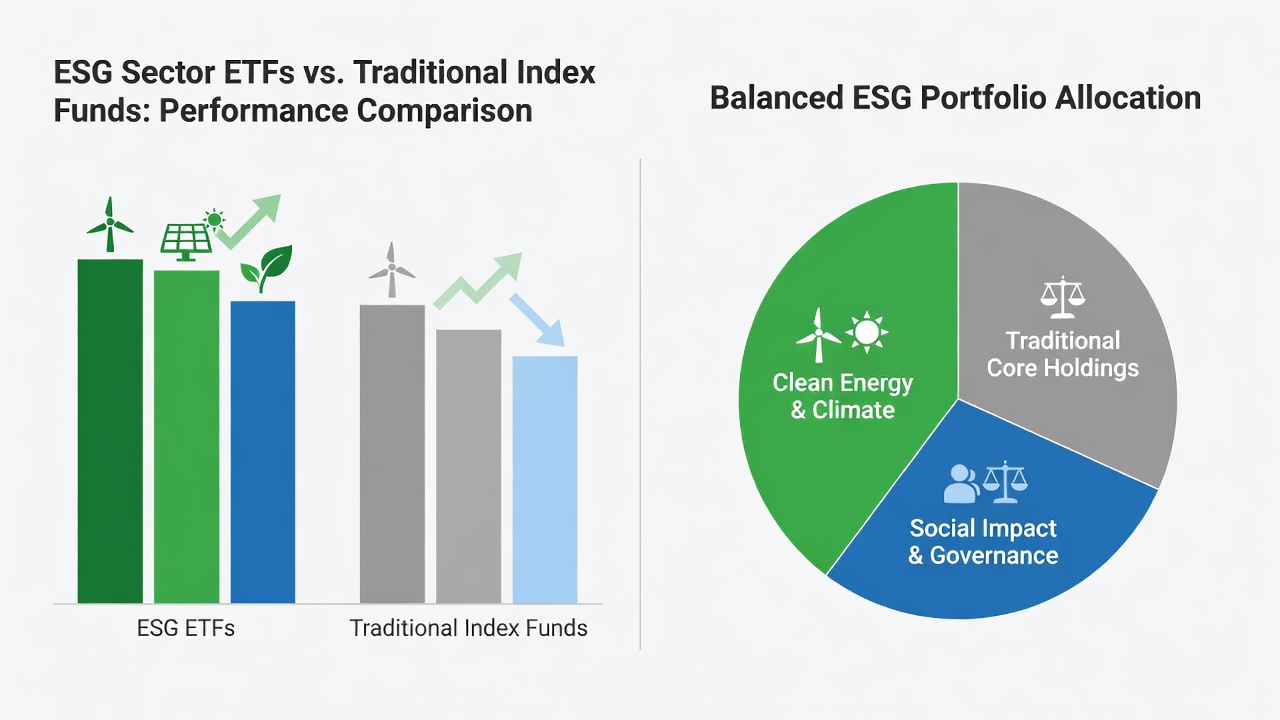
While ESG ETFs may exhibit different volatility patterns compared to broad market indices, many have demonstrated competitive returns during periods of green technology adoption. Historical data shows that sustainable sectors can outperform in policy-driven environments, though results vary by economic cycle. Diversification through index funds helps mitigate sector-specific downturns. In recent market conditions, clean energy ETFs have shown resilience during periods of rising energy prices and government incentives, sometimes matching or exceeding broad equity benchmarks over multi-year horizons. However, they may lag during fossil fuel booms. A blended approach allows investors to capture upside from traditional market leaders while positioning for growth in the transition to a low-carbon economy. Regular rebalancing ensures the allocation remains aligned with long-term objectives.
Steps to Screen for Credible ESG Metrics
Begin by reviewing third-party ratings from established providers to verify data quality. Next, examine fund holdings for alignment with international standards, such as those promoted by global organizations. Finally, assess transparency reports and engagement policies. This process ensures your selections reflect genuine sustainability efforts rather than superficial claims. A thorough screening involves multiple layers of analysis to confirm that the ETF truly supports measurable environmental outcomes.
- Evaluate exclusion criteria for controversial industries such as fossil fuels or weapons manufacturing
- Check carbon intensity metrics and reduction targets reported by portfolio companies
- Review board diversity and governance scores for evidence of ethical oversight
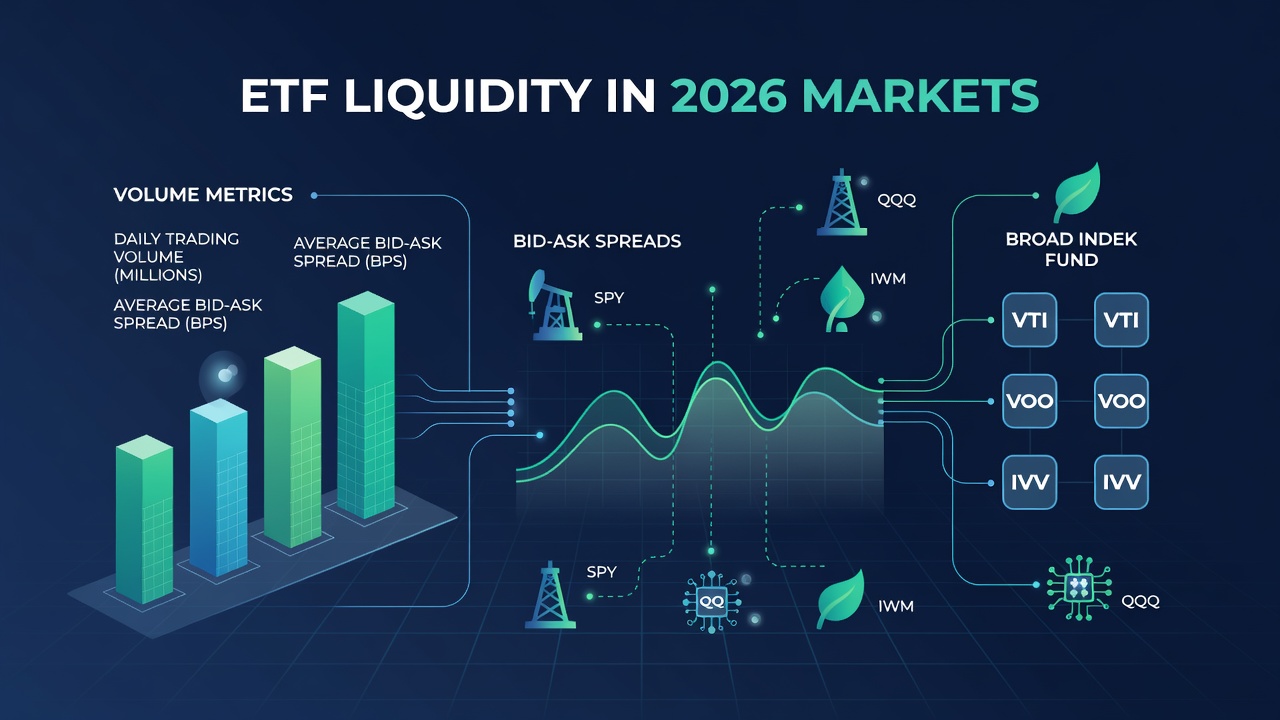
- Compare expense ratios and liquidity profiles to ensure cost efficiency and ease of trading
- Analyze shareholder engagement activities and proxy voting records
Beginner-Friendly How-To Guide for Building a Sustainable Portfolio
Start by defining your investment goals, time horizon, and risk tolerance. Open a brokerage account that offers commission-free ETF trading. Research available ESG and index options using screening tools provided by the platform. Allocate funds according to a predetermined mix, such as 60 percent traditional index funds and 40 percent ESG sectors. Set up automatic contributions and schedule quarterly reviews to rebalance. This systematic process helps beginners avoid emotional decisions and maintain focus on long-term sustainability objectives.
Sample Portfolio Allocations with Real-World Examples
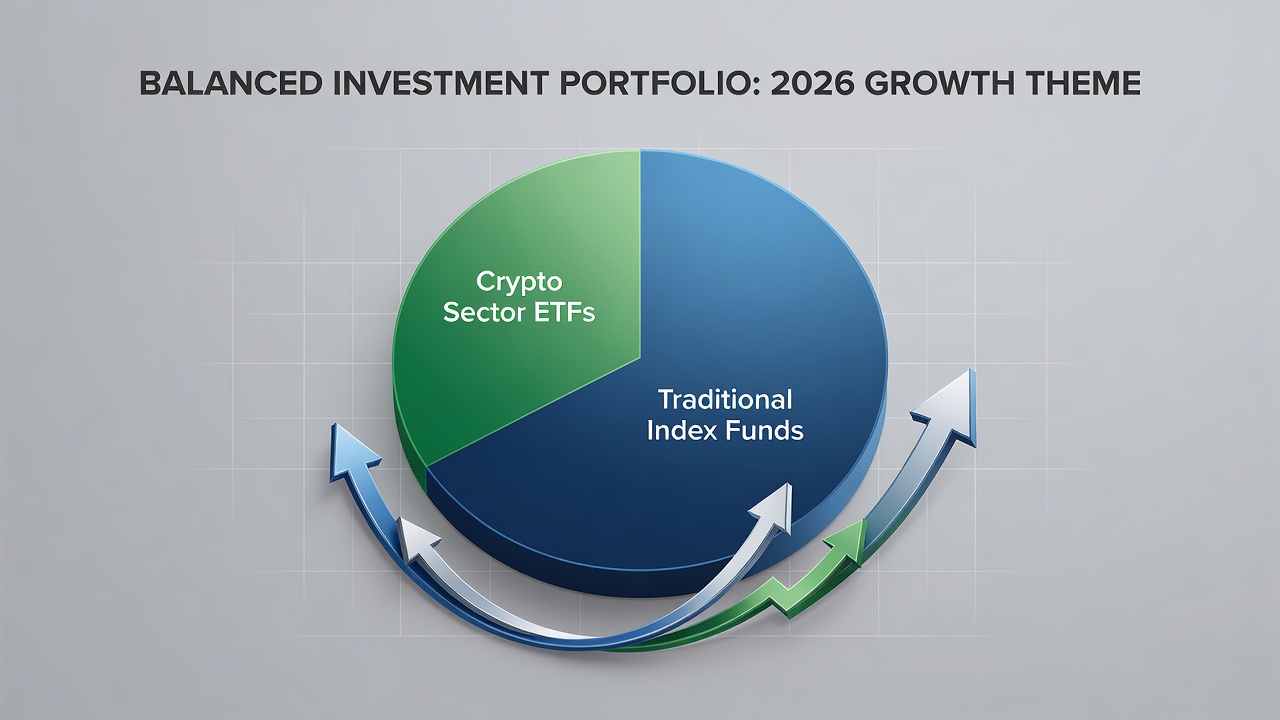
A balanced 2026 allocation might dedicate 60% to traditional index funds tracking major equity benchmarks and 40% to ESG sector ETFs split between clean energy and sustainable technology. For instance, an investor could allocate portions to broad U.S. equity indices alongside targeted renewable funds, adjusting based on risk tolerance and time horizon. Consider a 35-year-old professional saving for retirement who places 50 percent in a total stock market index fund, 25 percent in a global clean energy ETF, and 25 percent in a sustainable technology sector ETF. This mix provides growth potential from established companies while capturing thematic upside. Another example is a conservative investor nearing retirement who reduces ESG sector exposure to 25 percent and increases bond index funds for stability.
Risk Assessment Tips for Sustainable Portfolios
Key risks include regulatory changes, technological shifts, and potential liquidity challenges in niche sectors. Mitigate these by maintaining geographic diversification, monitoring policy developments, and rebalancing periodically. Stress-testing your allocation against various scenarios provides additional confidence. Investors should also consider currency fluctuations in international clean energy holdings and the possibility of sector rotation away from renewables during economic slowdowns. Diversifying across multiple ESG providers and combining with broad index exposure reduces single-fund risk. Regular monitoring of holdings for changes in ESG scores helps maintain portfolio integrity.
2026 Market Outlook and Emerging Trends
Looking ahead, policy support for renewable infrastructure and corporate net-zero pledges are expected to drive continued interest in sustainable ETFs. Advances in battery storage technology and green hydrogen may create new opportunities within clean energy sectors. At the same time, traditional index funds will continue to benefit from broad economic expansion. Monitoring global climate agreements and corporate sustainability reporting requirements can help investors anticipate shifts in sector performance.
FAQ: Addressing Common Concerns
Do sustainable ETFs carry higher fees?
Many ESG options involve modestly elevated costs due to specialized research, though competitive offerings exist across providers.
How is impact measured accurately?
Impact is tracked through standardized reporting on emissions avoided, renewable capacity added, and social metrics, often verified by independent auditors.
Can these strategies deliver competitive returns?
Yes, when properly diversified with index funds, sustainable portfolios have shown resilience and growth potential in supportive market conditions.
What happens if an ESG company fails its sustainability goals?
Fund managers typically engage with companies or remove them from the index, though short-term performance may be affected until rebalancing occurs.
Conclusion
Integrating ESG sector ETFs with traditional index funds offers a practical path to sustainable investing in 2026. By following structured screening, thoughtful allocation, and ongoing risk management, investors can pursue both financial objectives and positive environmental outcomes. Start small, educate continuously, and consult professionals to tailor strategies to your unique situation. For further guidance, explore resources from BlackRock, Vanguard, and SEC.gov.
No comments yet. Be the first!