 Bullish Portfolio
Introduction to ETF Portfolio Construction
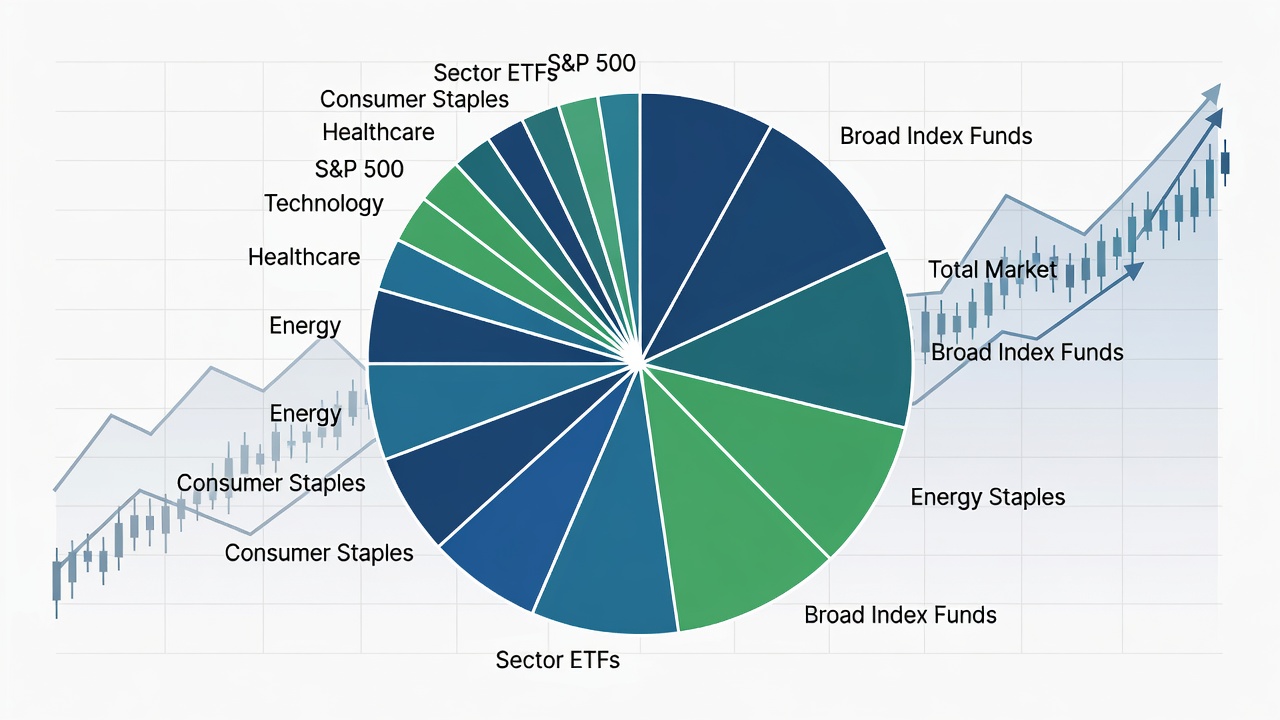
Investors seeking a structured approach to ETF investing can follow this sequential roadmap to blend sector ETFs with core index funds. This method emphasizes actionable allocation tactics, helping you define objectives, select holdings, and maintain the portfolio over time. The focus remains on practical execution rather than market forecasts. Many beginners and intermediate investors benefit from a methodical process that reduces emotional decision-making and promotes consistency across market cycles. By combining broad index funds for stability with sector-specific ETFs for targeted growth opportunities, portfolios can achieve both diversification and strategic emphasis on high-potential areas of the economy.
Defining Risk Tolerance and Investment Goals
Start by assessing your risk tolerance through questionnaires available on brokerage platforms or by reviewing past reactions to market volatility. Set clear goals such as retirement income, wealth accumulation, or education funding, including time horizons and required returns. Align these with your overall financial plan to determine suitable equity exposure levels. Consider factors like age, income stability, existing savings, and emergency fund size when calibrating risk. For instance, younger investors with longer horizons may tolerate higher equity allocations, while those nearing retirement often shift toward more conservative mixes. Document your goals in writing and revisit them annually to account for life changes such as marriage, home purchases, or career shifts.
Screening the Best ETFs by Key Criteria
Evaluate ETFs using three primary filters: expense ratio, liquidity, and sector exposure. Prioritize funds with low expense ratios to minimize costs over time. Check average daily trading volume for liquidity to ensure easy entry and exit. Match sector exposure to your desired economic themes, such as technology or healthcare, while verifying underlying holdings. Authoritative resources like SEC.gov provide regulatory insights on fund disclosures. Follow these practical screening steps: 1) Use your broker’s ETF screener to filter by asset class and sector. 2) Eliminate funds with expense ratios above industry averages for the category. 3) Confirm minimum trading volume exceeds several hundred thousand shares daily. 4) Review top holdings and geographic exposure to avoid unintended overlaps. 5) Compare tracking error against the benchmark index to ensure close replication.
Determining Optimal Weighting Ratios
Establish core-satellite allocations where index funds form 60-80% of the portfolio for broad market coverage and sector ETFs comprise the remaining 20-40% for targeted exposure. Adjust based on risk tolerance; conservative investors may favor higher index fund weightings. Example allocation for a moderate investor: 50% total market index, 15% technology sector ETF, 15% healthcare sector ETF, 10% financials sector ETF, and 10% consumer staples sector ETF. A more aggressive example might increase sector exposure to 40% by adding an energy sector ETF and a consumer discretionary ETF while reducing the core index holding to 60%. Always calculate dollar amounts based on total portfolio value and place trades in whole shares where possible to minimize cash drag.
Real-World Portfolio Examples and Comparisons
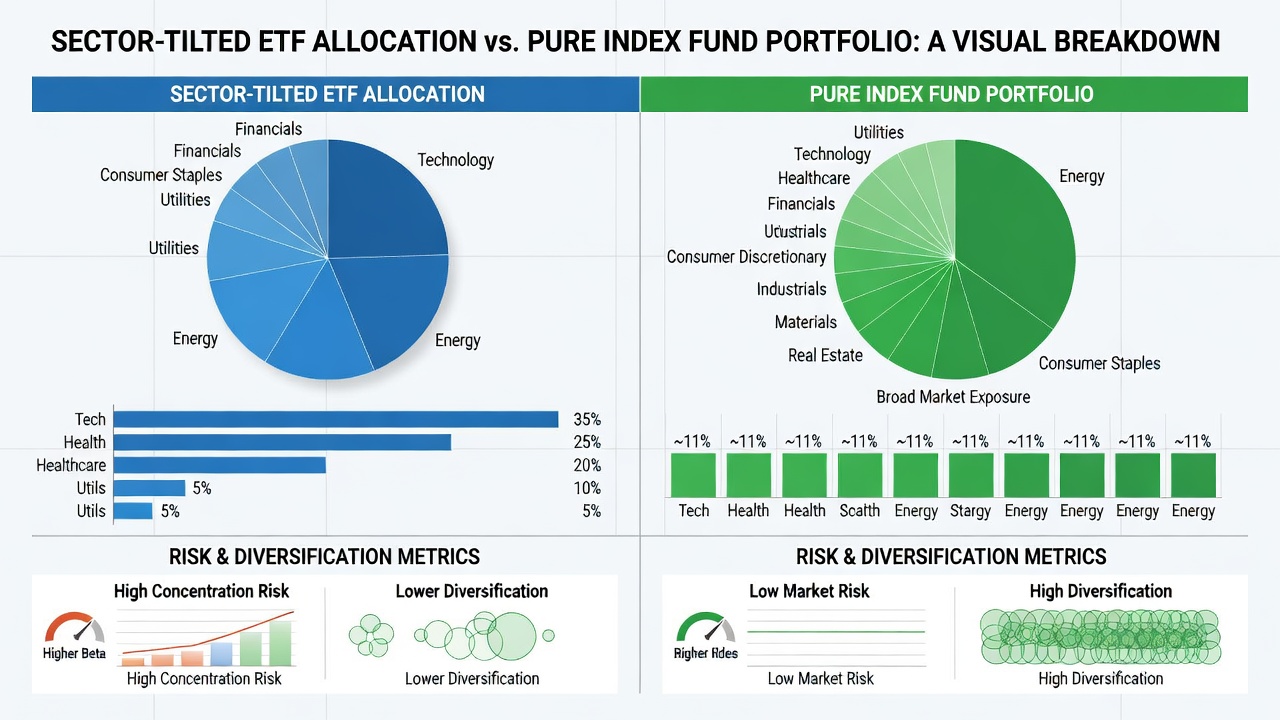
Consider a moderate-risk portfolio with 70% in a broad index fund like a total stock market ETF and 30% split across three sector ETFs. This contrasts with a pure index approach that holds only market-cap weighted funds. Sector tilts can enhance diversification when sectors show low correlation, though they introduce concentration risk compared to passive indexing. Side-by-side analysis reveals sector-tilted portfolios may outperform in specific cycles but require more monitoring. In one example, a sector-tilted portfolio allocated 25% to technology during periods of innovation-driven growth demonstrated stronger returns than a pure index fund but experienced sharper drawdowns during sector rotations. Investors should model multiple scenarios using historical data to understand potential outcomes before committing capital.
Executing Trades Efficiently
Use limit orders during market hours to control execution prices. Fund accounts through bank transfers or existing cash positions before purchasing. Rebalance initially by buying underrepresented holdings to reach target weights. Brokerage tools often include ETF screeners to streamline selection. Follow this execution checklist: verify account cash availability, input ticker symbols correctly, set limit prices near current market levels, confirm order details, and review trade confirmations immediately after execution. Avoid market orders during high-volatility periods to prevent unfavorable fills. Consider dollar-cost averaging for larger initial investments by spreading purchases over several weeks.
Quarterly Review and Rebalancing Processes
Conduct reviews every three months by comparing current allocations to targets. Sell overweight positions and buy underweight ones to restore balance. Track performance using total return metrics and benchmark against relevant indices. Performance tracking tips include logging dividend reinvestments and monitoring tracking error for each ETF. During reviews, also assess whether any sector thesis has changed due to economic shifts and adjust allocations accordingly. Use portfolio software to generate reports showing contribution by sector and overall volatility measures. Rebalancing should account for tax implications by prioritizing tax-advantaged accounts when possible.
Performance Tracking Tips and Common Pitfalls
Maintain a spreadsheet or use portfolio analytics software to log quarterly returns, expense impacts, and sector contributions. Avoid frequent trading that increases costs and taxes. Common mistakes include ignoring liquidity during volatile periods and failing to update risk tolerance after life changes. Additional pitfalls involve over-concentration in recently hot sectors without regard to valuation and neglecting international exposure within sector ETFs. Regular education through reputable sources helps investors stay informed without chasing short-term trends.
Mistakes to Avoid When Building Sector-Tilted Portfolios
New investors often overlook correlation between chosen sectors, leading to unintended concentration. Another frequent error is selecting ETFs based solely on past performance rather than forward-looking fundamentals and expense efficiency. Always maintain a written investment policy statement that outlines rules for adding or removing sector exposure to enforce discipline.
Conclusion
This roadmap provides a repeatable process for constructing and managing an ETF portfolio that combines sector ETFs with index funds. Consistent application of screening, allocation, execution, and review steps supports long-term discipline. Additional guidance appears on sites like Vanguard.com for index fund education and IRS.gov for tax-related considerations.
FAQ
How often should I rebalance my ETF portfolio?
Rebalance quarterly or when allocations drift more than 5% from targets to maintain intended risk levels without excessive trading.
What tax considerations apply to ETF investing?
ETFs often generate fewer capital gains distributions than mutual funds due to their structure, but consult tax professionals for rules on short-term versus long-term gains and tax-loss harvesting opportunities. Resources from IRS.gov outline current guidelines.
Should I include international sector ETFs?
Yes, adding a modest allocation to international sector ETFs can improve diversification, provided you account for currency risk and additional expense ratios.
How do I handle dividends within my ETF portfolio?
Choose whether to reinvest dividends automatically or use them for rebalancing purchases, depending on your cash flow needs and tax situation.
No comments yet. Be the first!