 Bullish Portfolio
Introduction
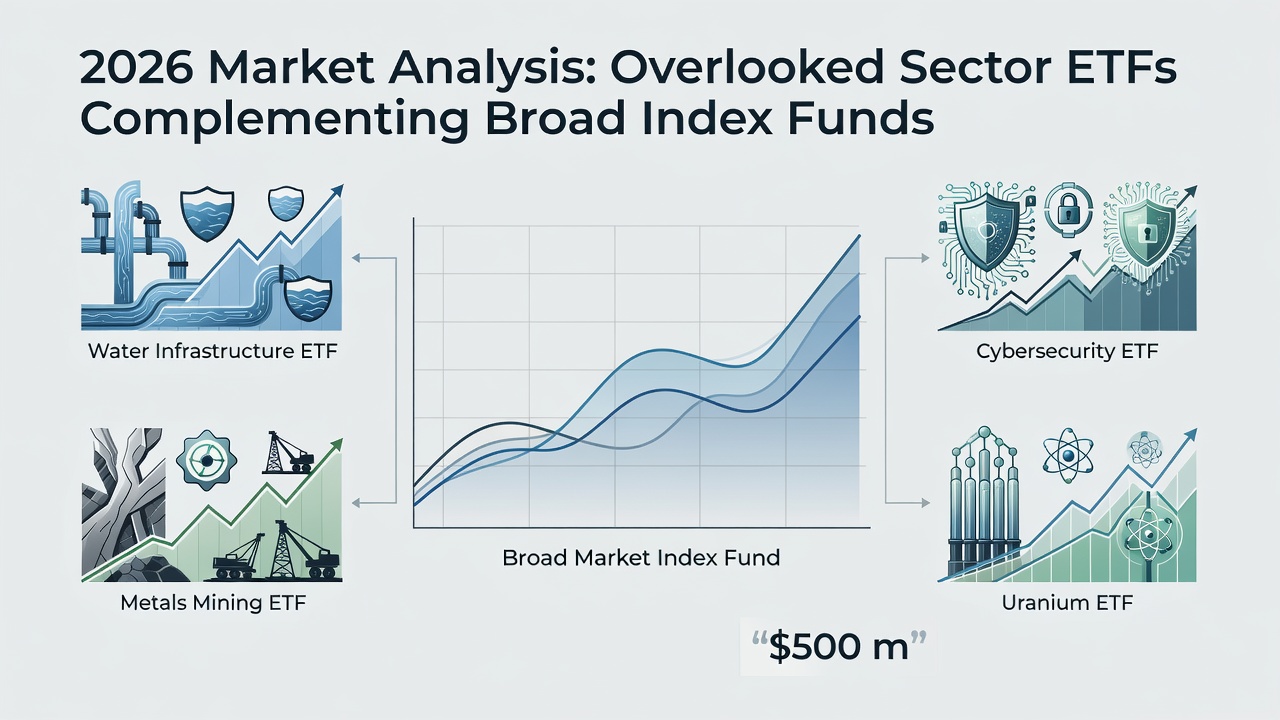
Index funds deliver reliable broad market exposure, yet many investors seek additional layers of diversification and potential outperformance through overlooked sector ETFs in 2026. While headlines often highlight artificial intelligence or green energy plays, sectors such as water infrastructure, cybersecurity infrastructure, specialty metals and mining, and uranium nuclear power present compelling opportunities with lower correlations to standard large-cap indexes. These areas benefit from long-term structural trends including aging global infrastructure, escalating digital security needs, electrification demands, and the push for reliable low-carbon baseload energy. Adding modest allocations to these ETFs can reduce overall portfolio volatility without sacrificing growth potential when chosen carefully based on liquidity, expense ratios, and holdings overlap.
This comprehensive guide explores how to identify and integrate such ETFs alongside core holdings. Readers will find detailed selection criteria, real-world allocation examples, performance context relative to broad benchmarks, and a repeatable integration framework. Practical tables and lists help translate concepts into actionable steps for portfolios of varying sizes.
Why Overlooked Sector ETFs Matter in 2026
Market conditions in 2026 feature elevated valuations in popular technology and clean energy sectors alongside persistent geopolitical and supply-chain uncertainties. Overlooked sectors often exhibit defensive characteristics because they serve essential needs less tied to economic cycles. Water infrastructure ETFs, for example, gain from mandatory upgrades to aging pipes and treatment facilities worldwide. Cybersecurity ETFs respond to rising regulatory requirements and threat frequency across every industry. Specialty metals support battery production and defense applications, while uranium-focused ETFs align with renewed interest in nuclear power for energy security. These themes operate somewhat independently from the dominant AI narrative, offering ballast during rotations away from mega-cap growth stocks. Incorporating them can improve risk-adjusted returns and prepare portfolios for inflation, regulatory shifts, or commodity cycles that broad index funds alone may not fully capture.
Selection Criteria for Overlooked Sector ETFs
Choosing the right ETFs begins with quantitative screens focused on liquidity and correlation. Investors should target vehicles with average daily trading volume exceeding 500,000 shares to minimize bid-ask spreads and slippage during rebalancing. Correlation coefficients below 0.7 versus the S&P 500 historically deliver meaningful diversification. Expense ratios matter because they compound over decades; seek options under 0.70 percent when possible. Holdings overlap analysis reveals redundancy with existing index funds—ideally under 25 percent shared positions. Additional qualitative factors include fund size above $500 million for stability and transparent index methodology. Reviewing regulatory filings helps confirm the underlying basket aligns with stated objectives.
Key Metrics Comparison Table
| ETF Ticker | Sector Focus | Expense Ratio | Est. Holdings Overlap with S&P 500 |
|---|---|---|---|
| FIW | Water Infrastructure | 0.54% | 18% |
| HACK | Cybersecurity | 0.60% | 22% |
| PICK | Global Metals & Mining | 0.39% | 15% |
| URA | Uranium & Nuclear | 0.69% | 12% |
These representative figures illustrate favorable liquidity and overlap profiles compared with mainstream thematic ETFs. Always verify latest data through fund prospectuses before purchase.
Performance Comparisons with Broad Indexes
Historical rolling returns demonstrate that overlooked sectors can deliver competitive or superior risk-adjusted results during specific regimes. Water and nuclear ETFs, for instance, often exhibit lower drawdowns than the broader market because demand remains steady regardless of GDP fluctuations. Cybersecurity holdings have shown resilience during periods of heightened cyber incidents. When comparing Sharpe ratios and maximum drawdowns over three- and five-year windows, these ETFs frequently post better downside protection than pure growth-oriented peers. However, they may lag during strong momentum rallies in technology. Investors benefit from viewing them as complements rather than replacements. Detailed regulatory disclosures available from the U.S. Securities and Exchange Commission allow verification of holdings and performance attribution.
Allocation Examples Across Four Sectors
A practical starting point for most investors involves a combined 8–12 percent satellite allocation spread across the four sectors. A moderate-risk portfolio might look like this:
- Water Infrastructure (3 percent): Exposure to companies building desalination plants, smart meters, and pipeline rehabilitation projects in both developed and emerging markets.
- Cybersecurity (3 percent): Holdings in firms providing endpoint protection, cloud security platforms, and managed detection services for enterprises and governments.
- Specialty Metals & Mining (3 percent): Diversified basket covering copper, lithium, and rare-earth producers essential for electric vehicles and renewable hardware.
- Uranium & Nuclear (3 percent): Focus on miners, enrichment facilities, and reactor technology developers benefiting from policy support for carbon-free power.
These weights can be scaled down for conservative investors or increased modestly for those with higher risk tolerance. Revisit percentages annually to reflect changing market conditions and personal goals.
Step-by-Step Integration Framework
- Map existing correlations using portfolio analytics tools to identify gaps in sector exposure.
- Apply liquidity and fee screens to narrow candidates to three or four ETFs that meet the thresholds outlined earlier.
- Execute small initial purchases representing 1–2 percent of total equity allocation and track performance versus benchmarks for at least one quarter.
- Establish rebalancing rules such as quarterly calendar reviews or tolerance bands of plus or minus 2 percent around target weights.
- Document cost basis and holding periods to optimize tax outcomes during any future sales.
- Review annually against broader economic indicators including interest rates and commodity prices.
" alt="Visual comparison of sector ETF performance metrics">
Common Mistakes to Avoid
Many investors over-allocate to hot themes without checking correlations, leading to unintended concentration. Others ignore liquidity and suffer wide spreads during volatile periods. Failing to consider tax implications of frequent trading can erode returns, particularly outside tax-advantaged accounts. Another frequent error involves neglecting ongoing monitoring; sector dynamics evolve, and an ETF that once offered low overlap may drift over time. Finally, some treat these positions as short-term trades rather than long-term portfolio enhancers, missing the compounding benefits of patient allocation.
FAQs on Rebalancing Timing and Tax Implications
When should investors rebalance these ETF positions?
Quarterly reviews combined with tolerance-band triggers work well for most individuals. Significant market moves exceeding 10 percent in either direction may warrant interim adjustments, but avoid reacting to every daily fluctuation to keep transaction costs low.
What are the tax considerations for sector ETFs?
These products are generally treated as equities, so gains realized within one year face ordinary income rates while longer holdings qualify for preferential capital-gains treatment. Holding them inside IRAs or 401(k) plans defers taxation entirely. Consult official guidance from the Internal Revenue Service for current rules on wash sales and qualified dividends.
How do interest-rate changes affect these sectors?
Rising rates can pressure capital-intensive infrastructure and mining companies through higher borrowing costs, while cybersecurity firms with strong cash flows often prove more resilient. Monitor policy updates from the Federal Reserve when adjusting allocations.
Conclusion
Overlooked sector ETFs offer a practical route to enhanced diversification and potential alpha when added thoughtfully to index-fund cores. By applying rigorous liquidity and correlation screens, using modest allocation weights, and following a disciplined integration process, investors can position portfolios for the unique opportunities and risks of 2026. Regular monitoring and adherence to tax-efficient practices further strengthen long-term outcomes. Align any additions with individual risk tolerance and consult a qualified advisor for personalized implementation.
No comments yet. Be the first!