 Bullish Portfolio
Introduction
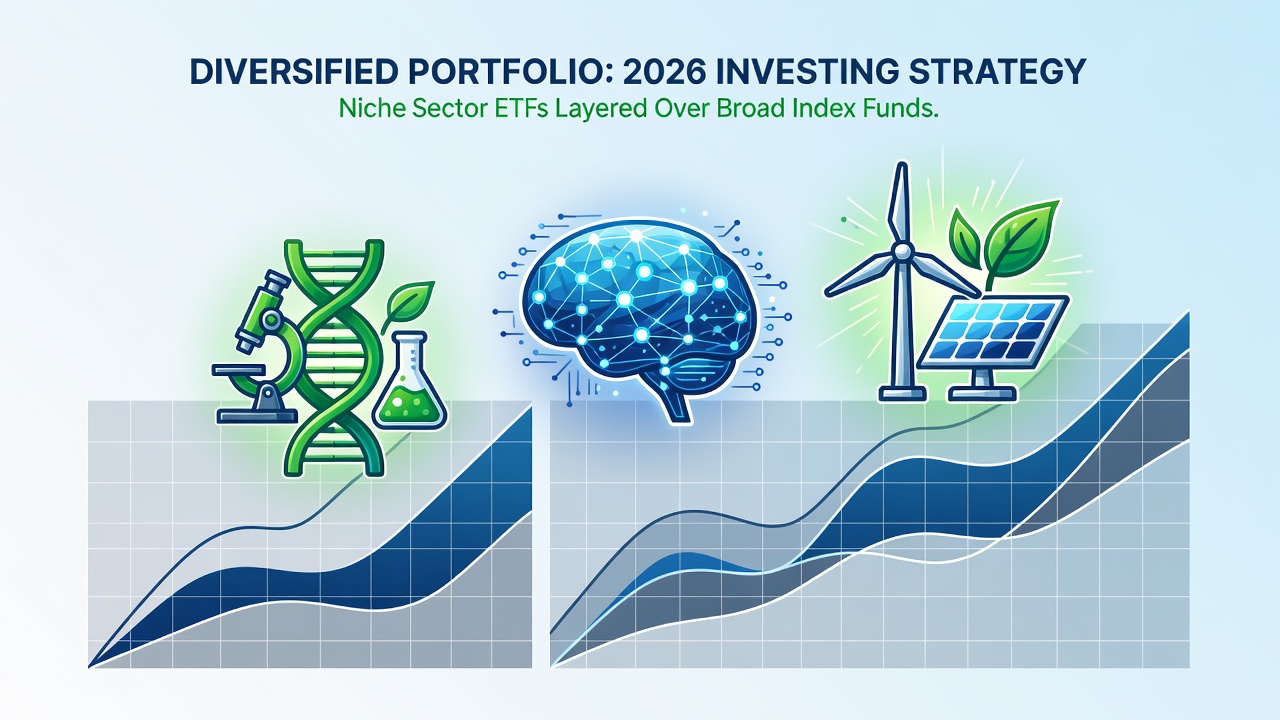
Index funds have long served as the backbone of many investment portfolios due to their low costs and broad market exposure. However, as markets evolve in 2026, investors are increasingly looking at niche sector ETFs to enhance returns while maintaining diversification. This article explores practical strategies for identifying, evaluating, and integrating these specialized ETFs into existing index holdings. With global economic shifts, technological advancements, and sector-specific opportunities emerging rapidly, adding targeted exposure can help portfolios capture growth that broad indexes might miss. Investors seeking to optimize their core holdings must balance the stability of traditional index strategies with the potential upside of niche sectors like artificial intelligence infrastructure, precision medicine, and sustainable agriculture technologies.
Understanding Niche Sector ETFs
Niche sector ETFs target specific sub-industries or emerging themes such as clean energy storage, biotechnology breakthroughs, or artificial intelligence infrastructure. Unlike broad market index funds, these ETFs offer concentrated exposure that can capture outsized growth in high-potential areas. For instance, an ETF focused on quantum computing components allows investors to participate in early-stage innovation without selecting individual stocks. These vehicles often track custom indexes composed of companies deriving significant revenue from the niche, providing a streamlined way to access specialized markets. In 2026, themes like advanced robotics and carbon capture are gaining traction due to policy support and corporate adoption, making them attractive supplements to standard S&P 500 or total market index funds.
Key Evaluation Criteria
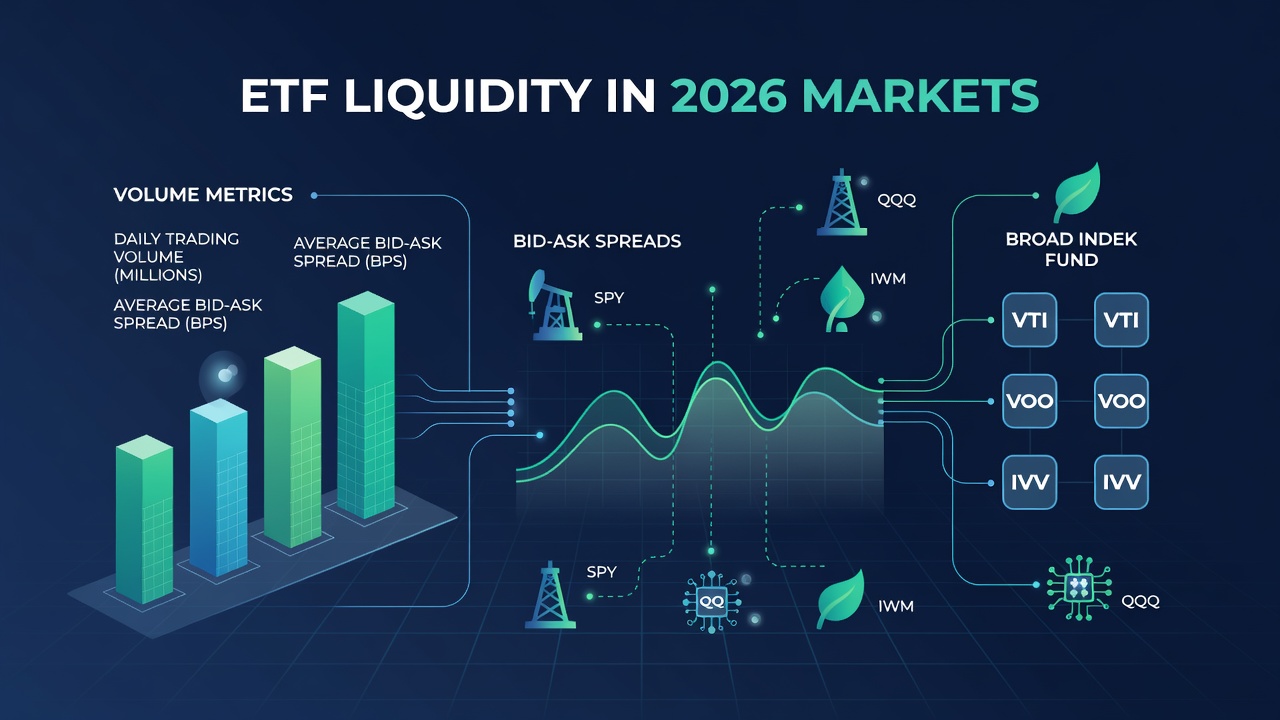
When assessing niche sector ETFs, focus on three pillars: growth potential, liquidity, and correlation risks. Growth potential requires analyzing underlying holdings, revenue trends, and macroeconomic tailwinds. Liquidity ensures easy entry and exit without significant price impact, measured by average daily trading volume and bid-ask spreads. Correlation risks involve examining how the ETF moves relative to your core index funds to avoid unintended concentration. Additional factors include the ETF's methodology for selecting holdings, its rebalancing frequency, and any use of derivatives that could introduce tracking discrepancies. Investors should review historical performance during various market regimes, such as inflationary periods or technological disruptions, to gauge resilience. Regulatory developments and technological adoption rates within each niche also play critical roles in long-term viability.
Allocation Frameworks
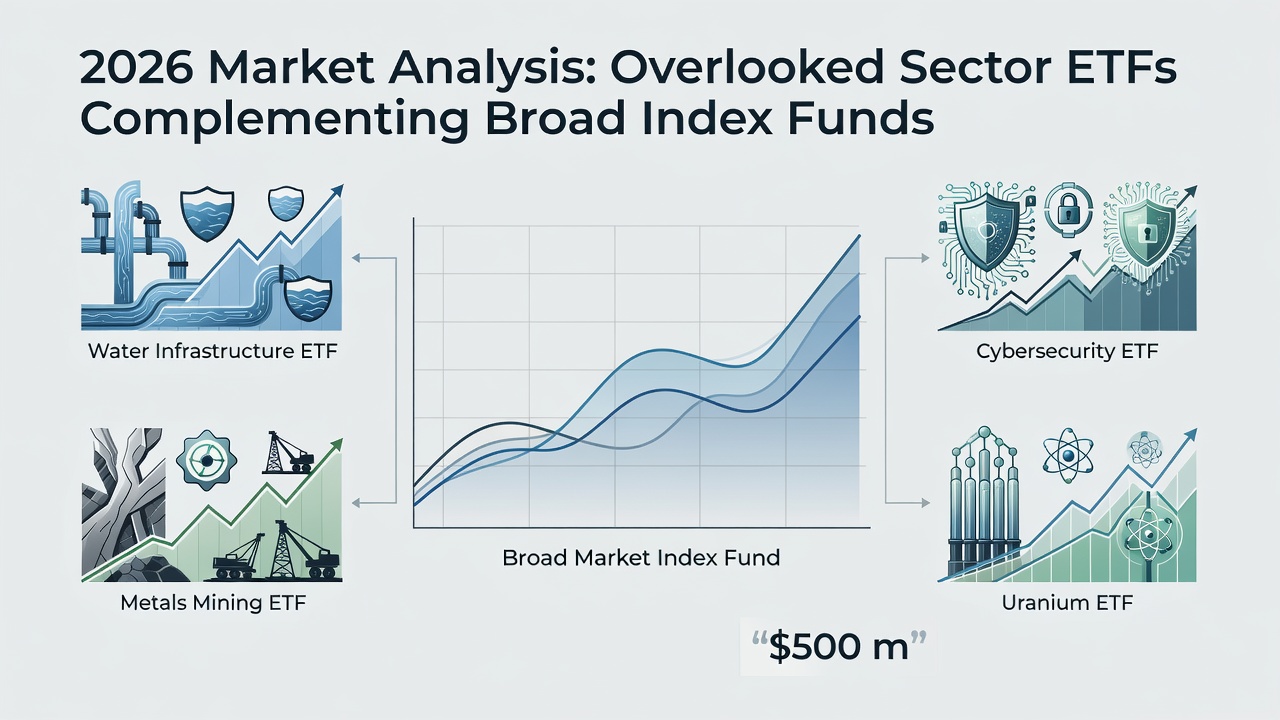
A balanced approach starts with determining your risk tolerance and time horizon. A common framework allocates 5-15% of the equity sleeve to niche ETFs, with the remainder in broad index funds. Rebalancing annually helps maintain target weights and captures gains from outperforming sectors. Consider your overall asset allocation across stocks, bonds, and alternatives before layering in niche exposure. For conservative investors, begin with a 5% tilt toward established niches like cybersecurity; more aggressive portfolios might allocate up to 12% across multiple themes. Stress testing the proposed mix against historical downturns provides insight into potential volatility increases.

Real-World Portfolio Examples
Consider an investor with a 70% S&P 500 index fund allocation. Adding 10% to a renewable energy ETF and 5% to a semiconductor ETF can improve sector diversity. Historical simulations show such mixes can reduce drawdowns during broad market corrections while boosting upside in thematic rallies. Another example involves a retirement portfolio starting with 60% total stock market index and 40% bonds. Introducing 8% in a biotech innovation ETF and 7% in an electric vehicle supply chain ETF created measurable outperformance during periods of strong sector momentum between 2023 and 2025. These cases illustrate how modest allocations can enhance returns without derailing the core passive strategy.
Performance Tracking Methods
Use tools like portfolio analytics platforms to monitor Sharpe ratios, maximum drawdowns, and sector contribution to returns. Set quarterly review checkpoints to adjust based on performance data and changing market conditions. Track metrics such as information ratio to evaluate active return per unit of active risk, and compare the hybrid portfolio against a pure index benchmark on a rolling basis. Investors can also employ factor analysis to ensure the niche additions are not inadvertently duplicating exposures already present in broad indexes. Regular reporting from brokerage dashboards or third-party software helps maintain discipline and identify when reallocation is warranted.
Comparison to Pure Index Strategies
Pure index strategies excel in simplicity and cost efficiency. Adding niche ETFs introduces active elements that may enhance returns but also increase complexity and potential underperformance in certain cycles. The hybrid approach often delivers superior risk-adjusted outcomes when niches are chosen thoughtfully. Pure indexes provide unmatched diversification across thousands of securities, whereas niche ETFs concentrate bets that can amplify both gains and losses. Over long periods, the combination tends to smooth returns by capturing growth in underrepresented areas while retaining the reliability of market-cap weighting. Investors must weigh the trade-off between potential alpha generation and the added research required.
Step-by-Step Implementation Tips
- Assess current portfolio gaps using correlation matrices from financial data providers.
- Screen ETFs on reputable platforms for liquidity, assets under management, and expense structures.
- Start with small test allocations and scale gradually over several months.
- Document investment thesis for each ETF added, including expected catalysts and exit criteria.
- Monitor and rebalance on a set schedule, such as every 12 months or when allocations drift beyond 2% thresholds.
- Consult tax implications, especially in taxable accounts where ETF distributions may trigger capital gains.
Risks and Mitigation Strategies
Niche sector ETFs carry higher volatility and potential for prolonged underperformance if the theme fails to materialize. Liquidity can dry up during market stress, widening spreads and complicating exits. To mitigate these risks, diversify across three to five non-overlapping niches rather than concentrating in one area. Maintain a core allocation of at least 80% in broad indexes to anchor the portfolio. Use limit orders when trading less liquid ETFs and avoid allocating funds needed in the short term. Understanding these limitations upfront prevents common pitfalls such as chasing recent performance or ignoring correlation spikes during crises.
FAQ
What are typical expense ratios for niche sector ETFs?
Expense ratios vary but often range higher than broad indexes due to specialized management. Always compare against peers before investing and review the prospectus for hidden costs.
How important is market timing with these ETFs?
Market timing is difficult; focus instead on long-term thematic conviction and dollar-cost averaging to mitigate timing risks. Attempting to predict short-term movements often reduces overall returns.
Can niche ETFs replace core index holdings?
They are best used as supplements rather than replacements to preserve broad diversification benefits and reduce single-theme concentration risk.
Conclusion
Integrating niche sector ETFs thoughtfully can elevate index fund portfolios in 2026 by adding targeted growth and diversification. By applying rigorous evaluation criteria and disciplined allocation, investors position themselves for improved outcomes. For official guidance, consult resources from the SEC and Federal Reserve. Consistent monitoring and adherence to a structured framework remain essential for long-term success.
No comments yet. Be the first!