 Bullish Portfolio
Introduction to Low-Cost ETF Investing in 2026
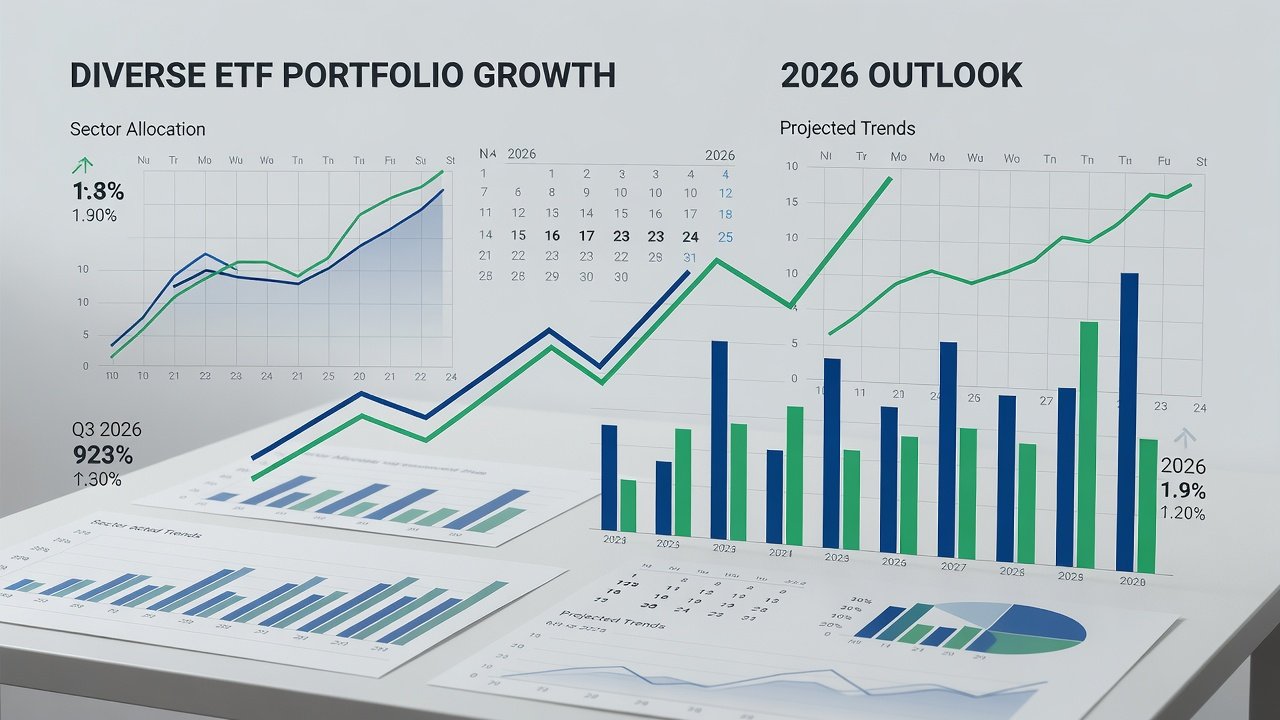
Building a diversified portfolio while keeping costs low remains a priority for investors focused on long-term growth. In 2026, sector ETFs and broad index funds offer accessible ways to gain exposure to specific industries or the overall market without the high fees associated with active management. This guide examines practical strategies for selecting low-cost options, evaluating key metrics, and constructing portfolios that stand the test of time. Cost-conscious investors increasingly turn to these vehicles because they provide transparency, liquidity, and the ability to tailor exposure without paying premium management fees. Understanding the nuances of expense ratios, tracking performance, and hidden frictions helps create resilient allocations suited to varying market conditions.
Understanding Expense Ratios and Their Long-Term Impact
Expense ratios represent the annual fee charged by fund managers as a percentage of assets. Lower ratios compound significantly over decades. Investors should prioritize funds with minimal ongoing costs to maximize net returns. Hidden costs such as bid-ask spreads and turnover-related transaction fees can also erode performance, making thorough due diligence essential. Over extended periods, even modest differences in fees can meaningfully affect ending wealth, which is why many advisors recommend focusing on the lowest-cost providers within each category. When evaluating options, consider not only the stated ratio but also how the fund’s structure supports efficiency across bull and bear markets.
Evaluating Tracking Error in Index Funds and Sector ETFs
Tracking error measures how closely a fund replicates its benchmark index. Low tracking error indicates efficient management and minimal deviation from expected performance. When comparing options across sectors like technology, healthcare, or energy, focus on funds that consistently stay within tight error bands. This metric becomes especially relevant during volatile market periods common in 2026. Investors can review historical tracking data on provider websites and third-party platforms to identify funds that deliver reliable replication. High tracking error often signals operational inefficiencies or securities lending practices that may introduce unintended risks.
Comparing Low-Fee Options Across Major Sectors
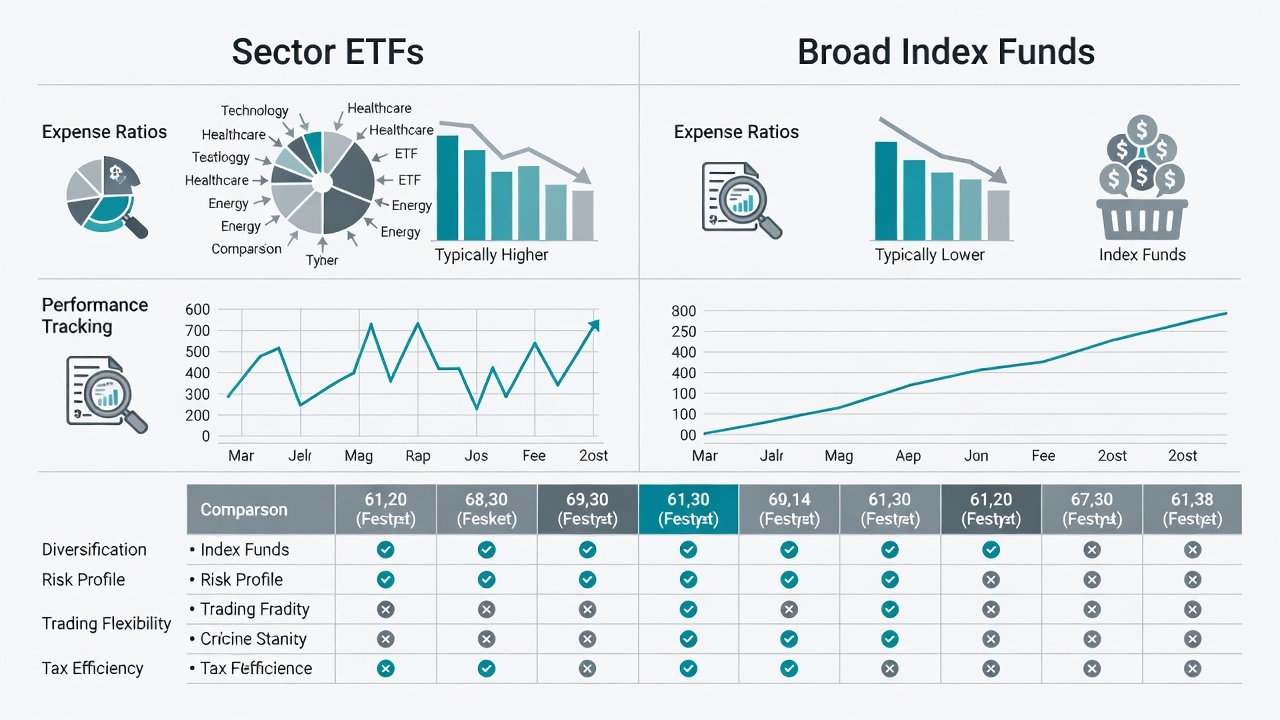
Sector ETFs allow targeted exposure while index funds provide broad diversification. Core passive index funds tracking the S&P 500 or total stock market often serve as foundational holdings. In contrast, sector-specific choices can tilt portfolios toward growth areas. Real-world examples demonstrate how small fee differences accumulate: a portfolio mixing broad market index funds with select sector ETFs can deliver strong results over 10- and 20-year horizons when costs stay minimal. Technology sector funds, for instance, may offer higher growth potential but require careful cost scrutiny, while defensive sectors like utilities or consumer staples typically feature even lower expense structures. Healthcare ETFs provide another avenue for thematic exposure with varying fee profiles depending on the issuer.
Practical Steps for Screening Funds on Popular Platforms
Start by using built-in screeners on brokerage sites to filter by expense ratio, assets under management, and tracking error. Next, review historical performance relative to benchmarks and examine tax efficiency through turnover rates. Cross-reference data from multiple sources to confirm consistency. Finally, simulate portfolio allocations to project fee impact over time using available calculators. Additional steps include verifying the fund’s creation date to ensure sufficient history, analyzing premium or discount to net asset value for ETFs, and confirming the underlying index methodology aligns with investment goals. Investors should also evaluate the provider’s scale and resources, as larger issuers often maintain tighter tracking and lower operational costs.
- Filter for expense ratios in the lowest quartile for the category
- Check average daily volume to ensure liquidity
- Compare dividend yields and distribution history
- Assess provider reputation for operational stability
- Review securities lending policies that may affect returns
Real-World Portfolio Examples Showing Fee Impact
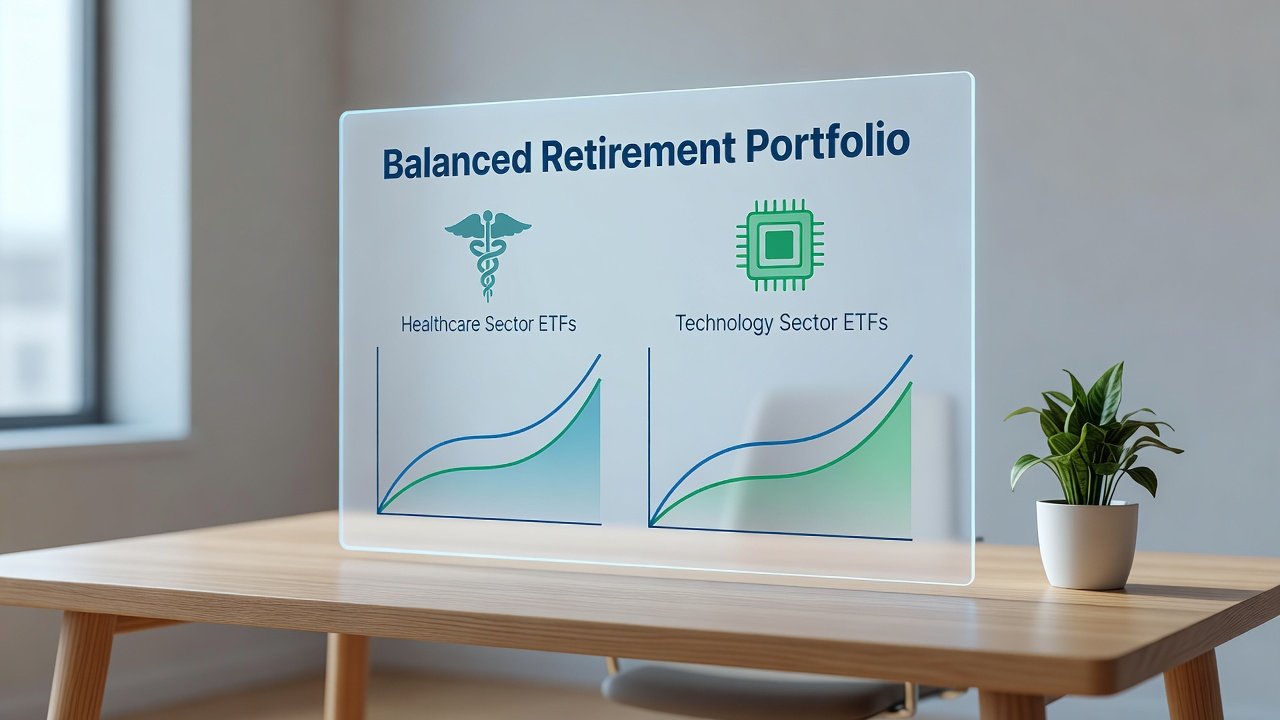
Consider a sample allocation: 60% broad market index fund, 20% technology sector ETF, 10% healthcare sector ETF, and 10% international index fund. Over more than a decade, the compounding effect of lower fees versus higher-cost alternatives can result in substantially larger ending balances. These examples highlight why cost-conscious choices compound advantages, particularly when rebalancing occurs efficiently. Another illustration might involve a more conservative mix with heavier weighting toward total bond market index funds paired with defensive sector ETFs. In both cases, minimizing expenses preserves more capital for growth, allowing the power of compounding to work more effectively across market cycles.
Hidden Costs Beyond Stated Expense Ratios
Beyond the headline expense ratio, investors must account for trading spreads, premium or discount volatility, and potential tax drag from capital gains distributions. Sector ETFs can exhibit wider spreads during periods of lower liquidity, while broad index funds generally maintain tighter spreads. Understanding these frictions requires reviewing average bid-ask spreads over recent quarters and considering the impact of frequent trading. Resources from authoritative bodies such as the U.S. Securities and Exchange Commission’s investor education site provide guidance on recognizing and mitigating these costs. Similarly, official disclosures available through sec.gov help investors examine fund prospectuses for details on additional expenses.
Active Sector Picks Versus Core Passive Index Funds
Active sector strategies attempt to outperform through timing and selection but often incur higher expenses. Core passive index funds emphasize low costs and broad exposure. Blending both approaches allows investors to maintain a stable base while opportunistically adding sector exposure. In 2026, market conditions favor disciplined cost control over frequent trading. Passive vehicles typically deliver returns close to the benchmark minus minimal fees, whereas active sector funds must overcome both higher costs and the challenge of consistent outperformance. A hybrid portfolio that anchors with low-cost index funds and selectively adds sector ETFs can balance growth opportunities with expense discipline.
Mistakes to Avoid When Building Low-Cost Portfolios
Common pitfalls include chasing recent sector performance without regard to costs, overlooking liquidity differences, and failing to rebalance regularly. Another frequent error is selecting funds based solely on past returns rather than current expense structures and tracking metrics. Investors should also avoid over-concentration in a single sector without corresponding risk management. Maintaining a written investment policy statement helps enforce discipline and prevents emotional decisions that increase trading costs.
Conclusion
Selecting low-cost sector ETFs and index funds requires attention to expense ratios, tracking accuracy, and overall portfolio fit. By following systematic screening processes and monitoring long-term examples, investors can build resilient allocations suited to 2026 and beyond.
FAQ
How can I rebalance without incurring extra fees?
Many platforms offer commission-free ETF trading and automatic reinvestment options. Use tax-advantaged accounts to minimize taxable events during rebalancing. Scheduling rebalancing on a calendar basis rather than reacting to short-term market moves also helps control costs.
What are the tax implications of low-cost ETF choices?
Low-turnover index funds and ETFs typically generate fewer capital gains distributions. Holding periods longer than one year qualify for favorable long-term rates, enhancing after-tax returns. Investors should consult tax professionals for personalized strategies involving qualified dividends and loss harvesting opportunities.
Should I prioritize sector ETFs or broad index funds first?
Most cost-conscious investors begin with broad index funds as the core holding and then layer sector ETFs for targeted tilts. This approach maintains diversification while allowing modest adjustments based on economic outlook and risk tolerance.
No comments yet. Be the first!