 Bullish Portfolio
Introduction to Advanced ETF Hedging in 2026
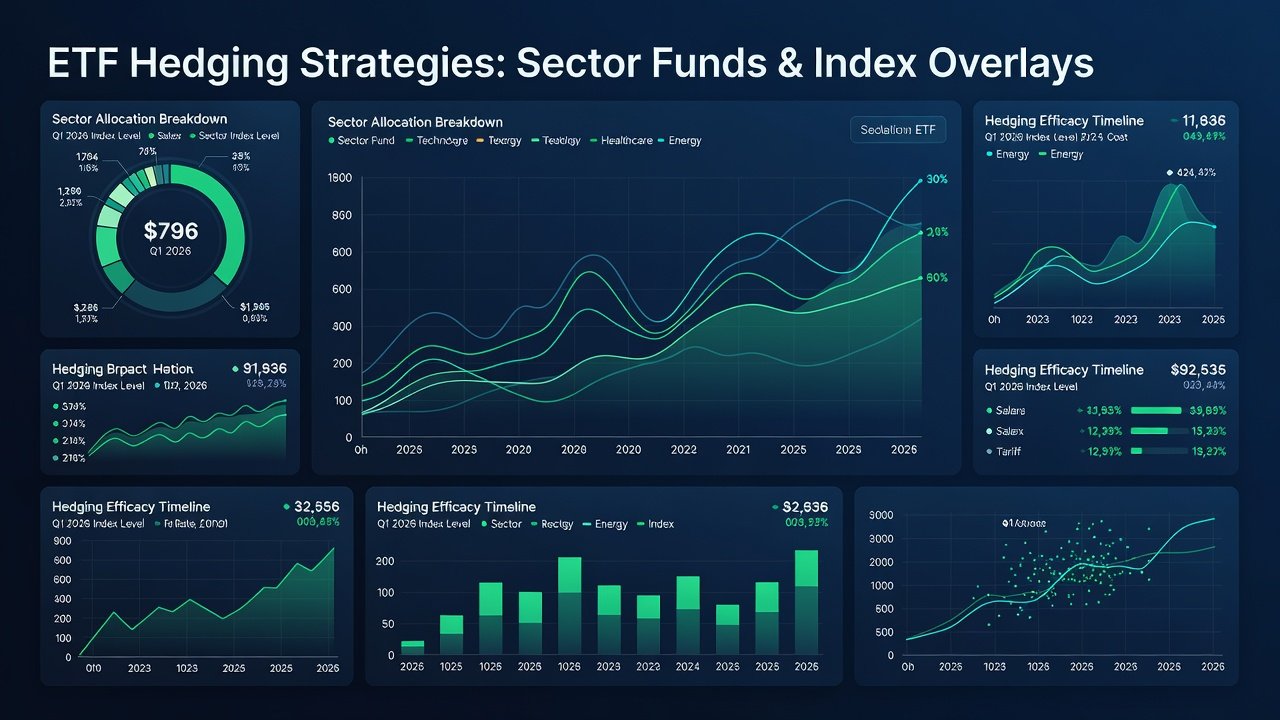
Experienced investors face unique challenges in 2026 as market uncertainties persist due to geopolitical tensions, inflation fluctuations, and technological disruptions. Basic diversification often falls short, prompting the need for sophisticated hedging tactics using sector ETFs and index funds. This guide explores targeted strategies like inverse ETFs, options overlays, and defensive pairings to create volatility buffers while preserving upside potential. Investors must move beyond simple asset allocation to implement dynamic protections that respond to shifting economic indicators and sector rotations. Understanding these methods allows portfolios to maintain resilience without sacrificing growth opportunities in favorable conditions.
Step-by-Step Risk Assessment for ETF Portfolios
Before implementing any hedge, conduct a thorough risk assessment. Begin by evaluating your portfolio's beta exposure to major indices. Next, analyze sector-specific vulnerabilities using tools from authoritative sources. Consider correlation breakdowns during stress periods and quantify potential drawdowns. A comprehensive assessment includes reviewing liquidity profiles of holdings and assessing macroeconomic factors such as interest rate trajectories and earnings season impacts. Investors should also factor in geopolitical events that could trigger sudden sector declines.
- Calculate portfolio volatility using historical data from the past 12 months.
- Identify high-beta sectors such as technology or energy that may amplify losses.
- Stress-test against scenarios like a 20% market correction.
- Review cross-asset correlations to detect hidden risks in seemingly diversified holdings.
- Document tolerance levels for maximum acceptable drawdown before selecting hedge ratios.
This structured process ensures hedges are calibrated precisely rather than applied generically.
Leveraging Inverse ETFs for Direct Downside Protection
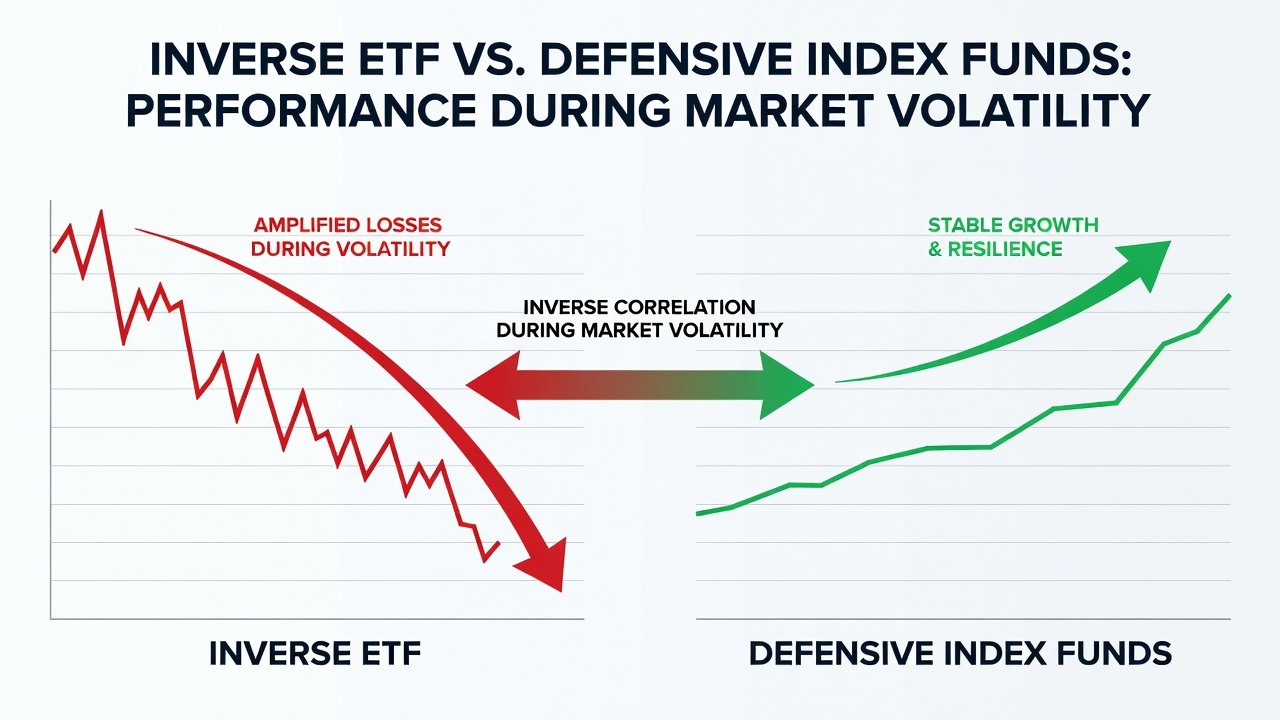
Inverse ETFs provide a straightforward way to profit from declines in targeted sectors or indices. For example, pairing a broad market index fund with an inverse S&P 500 ETF can offset losses during downturns. These instruments reset daily, making them suitable for short-term hedges rather than long-term holds. In practice, an investor might use an inverse technology sector ETF during periods of regulatory scrutiny on big tech companies. Real-world application: During periods of elevated volatility, allocate 10-15% of a portfolio to inverse sector ETFs focused on cyclicals. This creates a natural buffer without liquidating core holdings. Monitoring daily resets is critical to avoid unintended compounding effects in choppy markets.
Options Overlays on Sector ETFs
Advanced investors can enhance protection by overlaying options strategies on sector ETFs. Protective puts on a healthcare sector ETF, for instance, cap downside while allowing participation in sector rallies. Collar strategies combine covered calls with puts to reduce net hedging costs. These overlays provide flexibility that pure ETF positions lack, enabling fine-tuning based on volatility forecasts. Practical checklist for options overlays:
- Select liquid sector ETFs with tight bid-ask spreads.
- Choose strike prices 5-10% out-of-the-money for cost efficiency.
- Monitor expiration dates to align with expected volatility windows.
- Rebalance quarterly based on changing market conditions.
- Backtest strategies using at least three years of historical data before live deployment.
- Account for implied volatility skew when selecting contracts.
Examples include using put spreads on energy sector ETFs ahead of OPEC meetings to manage event-driven risks efficiently.
Pairing with Defensive Index Funds for Balanced Hedging
Combining aggressive hedges with defensive index funds, such as those tracking utilities or consumer staples, adds stability. This approach diversifies protection across asset classes while maintaining overall equity exposure. Defensive index funds tend to exhibit lower betas and consistent dividend yields, serving as anchors during equity market turbulence. Investors often blend these with inverse positions to create a layered defense that adapts across market cycles.
Cost Comparisons and Performance Tracking
Evaluate expense ratios, tracking errors, and liquidity when selecting hedging vehicles. Track performance using metrics like maximum drawdown reduction and Sharpe ratio improvements. Regular reviews ensure hedges remain effective as market dynamics shift. Compare total costs including bid-ask spreads and potential tax implications from frequent trading. Performance dashboards should incorporate rolling volatility measures and hedge effectiveness ratios calculated monthly. Authoritative guidance on risk management practices can be found via SEC resources and Federal Reserve reports.
Scenario Analyses and Common Pitfalls
Consider bull, bear, and sideways market scenarios to refine your approach. In a prolonged bear market, layered hedges combining inverse ETFs and protective puts may outperform single-strategy methods. In bull markets, over-hedging reduces net returns, so dynamic scaling is essential. A key pitfall is over-hedging, which can erode returns in strong uptrends. Another is ignoring decay in inverse and leveraged products. Always align hedges with your risk tolerance and time horizon. Additional mistakes include neglecting liquidity during crisis periods and failing to account for dividend impacts on option pricing.
FAQ
What are the main risks of using inverse ETFs?
Daily reset mechanics can lead to compounding losses in volatile but directionless markets. They perform best in sustained trends.
How do options overlays compare to plain inverse ETFs?
Options offer customizable protection but introduce premium decay and complexity, whereas inverse ETFs provide simpler, direct exposure.
Should beginners attempt these advanced strategies?
These tactics suit experienced investors; novices should master basic diversification first and consult professionals.
How often should hedges be rebalanced?
Quarterly reviews are typical, but event-driven adjustments may be needed during earnings seasons or policy announcements.
What role does correlation play in multi-sector hedging?
Monitoring changing correlations prevents over-reliance on hedges that may break down when sectors decouple unexpectedly.
Conclusion
Advanced ETF hedging using sector and index funds equips sophisticated investors with robust tools for 2026 uncertainties. By integrating risk assessment, inverse products, options, and defensive pairings, portfolios can weather volatility more effectively. Continuous monitoring and adaptation remain essential for long-term success. Investors are encouraged to reference additional regulatory frameworks at Investor.gov for ongoing education on derivatives usage.
No comments yet. Be the first!