 Bullish Portfolio
Introduction: Building Resilient ETF Portfolios in 2026
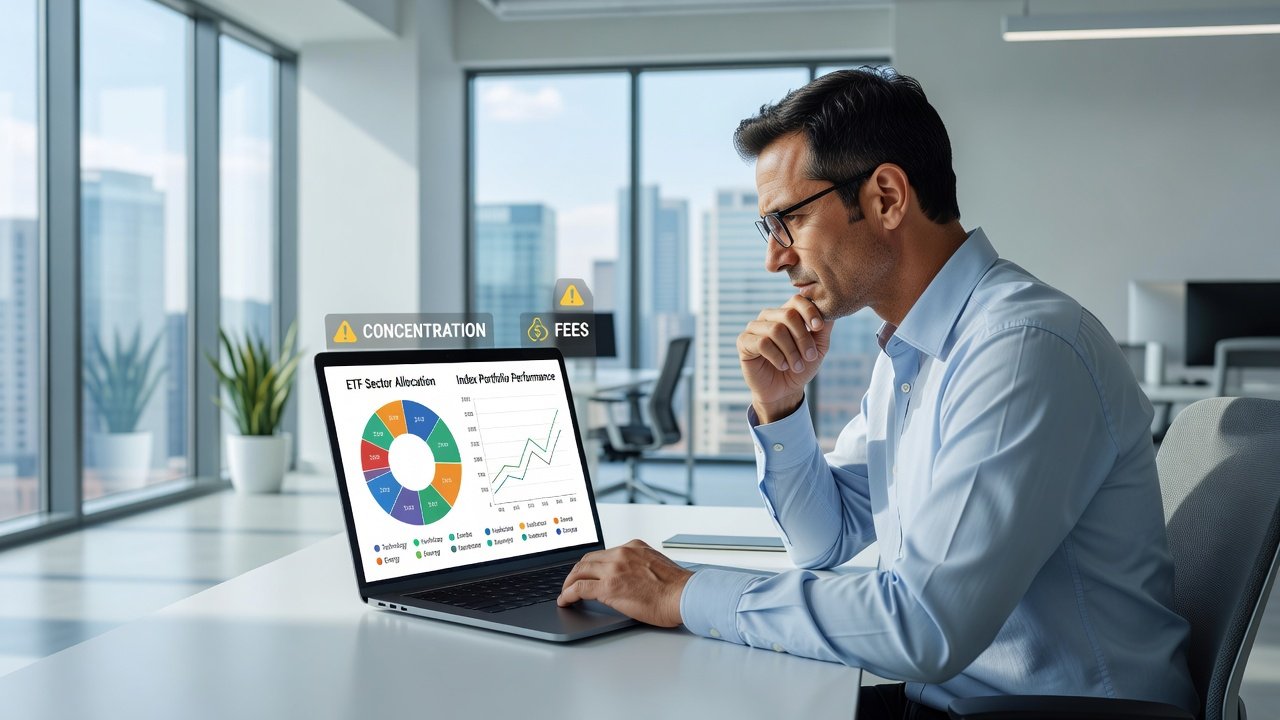
Blending sector-specific ETFs with broad index funds offers diversification and targeted growth opportunities. However, even experienced investors often fall into traps that erode returns over time. This guide examines the five most common ETF investing pitfalls in mixed sector and index portfolios for 2026, supported by practical checklists, real-world scenarios, and step-by-step evaluation methods. Market conditions in 2026 emphasize the need for careful construction as sector rotations accelerate due to technological shifts, regulatory changes, and economic cycles. Understanding these risks helps maintain balanced exposure while minimizing unnecessary costs and volatility surprises. Investors who overlook these elements frequently experience underperformance compared to those who implement disciplined processes from the outset.
Successful portfolio construction starts with recognizing that sector ETFs are not standalone additions but complementary tools that must align with the core index holdings. Without this alignment, even well-intentioned diversification efforts can backfire, leading to unintended risk concentrations and higher costs.
Pitfall 1: Over-Concentration in a Few Sectors
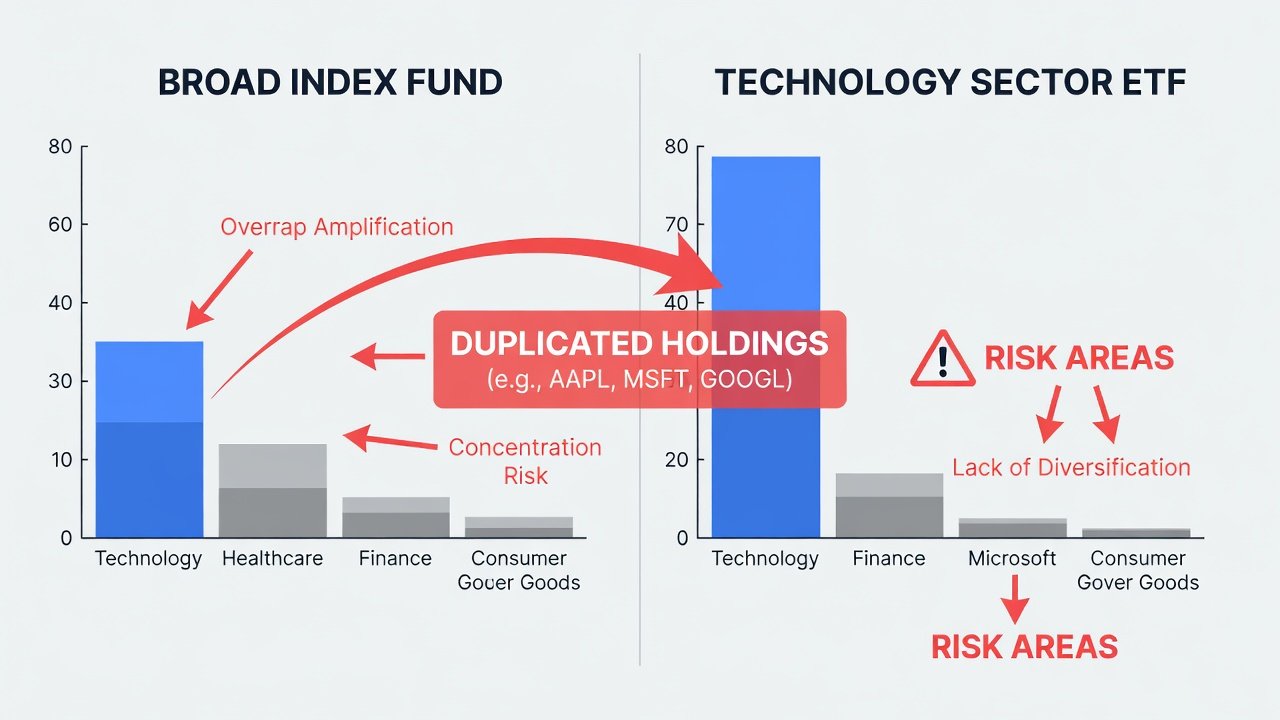
Many investors load up on high-performing sectors like technology or healthcare without realizing their overall portfolio becomes heavily skewed. A single sector downturn can then drag down the entire allocation. This issue becomes particularly pronounced when sector ETFs are added on top of an already sector-heavy index fund. For instance, technology often comprises 25-30% of major broad-market indexes, so adding another dedicated tech ETF can push exposure beyond 50% without the investor noticing until a correction hits.
Real-world example: An investor holding 40% in a tech sector ETF alongside an S&P 500 index fund saw amplified losses during the 2022 correction because the index already contained substantial tech weight. Recovery took longer than anticipated due to the double exposure. In 2025 simulations using similar allocations, portfolios with unchecked concentration experienced drawdowns 15-20% deeper than diversified counterparts. To avoid this, investors should map every holding's sector breakdown using data from fund providers and set hard limits on individual sector weights.
How to Spot and Fix Over-Concentration
- Calculate sector weights across all holdings using fund fact sheets and third-party analyzers.
- Cap any single sector at 15-20% of total portfolio unless intentionally tactical with a defined exit plan.
- Rebalance quarterly if drift exceeds 5% from target allocations.
- Monitor macroeconomic indicators that could trigger sector-specific volatility, such as interest rate changes or supply chain disruptions.
Pitfall 2: Ignoring Expense Ratios and Hidden Fees
Low-cost index ETFs are attractive, but layering multiple sector funds can quietly inflate total costs. Even small differences in expense ratios compound significantly over decades, reducing the net returns available for retirement or other goals. Many sector ETFs carry expense ratios two to three times higher than broad index funds, and when combined with trading commissions or bid-ask spreads, the drag becomes material. Investors should always calculate the weighted average expense ratio of the entire portfolio rather than focusing on individual funds in isolation.
Optimized investors compare total expense ratios and trading costs before adding positions. They also review turnover rates, as high-turnover sector funds can generate additional implicit costs through less efficient trading.
Pitfall 3: Failing to Evaluate Sector Overlap
Index funds already contain sector exposure, so adding dedicated sector ETFs often creates unintended duplication. This overlap reduces the true diversification benefit and increases correlation risk during market stress. For example, adding a semiconductor sector ETF to a portfolio that already holds a broad technology index fund may result in 70% or more overlap in top holdings such as major chip manufacturers.
Step-by-Step Overlap Evaluation
- Review top holdings of both the index and sector ETF side by side, noting the percentage of shared companies.
- Use free portfolio analyzers to measure overlap percentage and correlation statistics over multiple time periods.
- Adjust by swapping overlapping sector funds for purer alternatives in less-represented areas such as utilities or materials.
- Document the final blended sector exposures in a simple spreadsheet for ongoing monitoring.
Pitfall 4: Missing Rebalancing Triggers
Without clear rules, portfolios drift and risk profiles change. Market rallies in one sector can leave investors overexposed without realizing it. In 2026, with potential volatility from geopolitical events and policy shifts, having predefined triggers is essential to maintain intended risk levels.
Recommended Rebalancing Triggers
| Trigger Type | Common Error | Optimized Approach |
|---|---|---|
| Calendar-based | Rebalance only annually | Review quarterly with 5% drift threshold |
| Threshold-based | No set limits | Rebalance when any sector exceeds target by 5% |
| Tax-aware | Sell winners in taxable accounts | Use tax-loss harvesting opportunities first |
Implementing these triggers prevents emotional decision-making and keeps the portfolio aligned with long-term objectives.
Pitfall 5: Overlooking Tax Implications
Capital gains distributions and frequent trading in taxable accounts can reduce net returns. Sector ETFs sometimes distribute gains more frequently than broad indexes, especially during periods of high sector rotation. Placing sector funds in tax-advantaged accounts such as IRAs or 401(k)s while keeping the core index in taxable accounts often improves after-tax performance. Investors should also consider the tax-lot accounting method when selling to minimize realized gains.
SEC investor resources provide guidance on tax-efficient ETF structures. Consider holding sector funds in tax-advantaged accounts when possible.
Comparison Table: Common Errors vs Optimized Approaches
| Scenario | Common Error | Optimized Approach |
|---|---|---|
| Sector addition | Buying popular sector ETF without checking index overlap | Analyze holdings and select complementary pure-play sectors |
| Fee evaluation | Focusing only on index expense ratio | Calculate blended portfolio expense ratio across all funds |
| Rebalancing | Waiting for major market moves | Set automatic alerts at 5% allocation drift |
| Taxes | Trading frequently in taxable accounts | Prioritize tax-efficient index core with sector satellite in IRAs |
Practical Checklist for 2026 ETF Portfolio Construction
- Define core index allocation (60-80%) first before considering any sector additions.
- Add sector satellites only after completing a thorough overlap analysis using multiple data sources.
- Document rebalancing rules and tax location strategy in writing to avoid ad-hoc changes.
- Review total costs and projected long-term drag on an annual basis.
- Stress-test the portfolio against sector-specific downturns using historical and forward-looking scenarios.
- Consult with a tax advisor when implementing changes in taxable accounts.
FAQs on Volatility and Long-Term Performance
How volatile are mixed sector-index portfolios?
Sector funds increase short-term volatility compared to pure index holdings. Proper sizing and rebalancing help manage drawdowns while preserving upside potential. Historical data shows that well-structured mixed portfolios can deliver higher risk-adjusted returns over 10-year periods despite interim swings.
Do these strategies work for long-term investors?
Yes. A disciplined approach to overlap, fees, and rebalancing supports sustainable growth. Investor.gov offers tools for projecting outcomes based on historical data.
Should beginners start with sector ETFs?
Core index funds provide a simpler foundation. Add sectors gradually after mastering basic allocation principles and understanding individual sector drivers.
What about performance during bear markets?
Mixed portfolios with clear rebalancing rules tend to recover faster than concentrated ones because they avoid permanent capital loss from overexposure. Regular monitoring reduces the chance of holding declining sectors too long.
Vanguard and BlackRock both publish educational materials on ETF portfolio construction.
Conclusion
Avoiding these five ETF pitfalls positions investors for more consistent results when combining sector funds with index holdings. Regular evaluation of overlap, costs, rebalancing, and taxes turns potential mistakes into structured advantages for 2026 and beyond. By following the checklists and comparison frameworks outlined here, investors can build portfolios that withstand market fluctuations while capturing sector-specific opportunities efficiently.
No comments yet. Be the first!