 Bullish Portfolio
Introduction to ETF Investing for Retirement in 2026
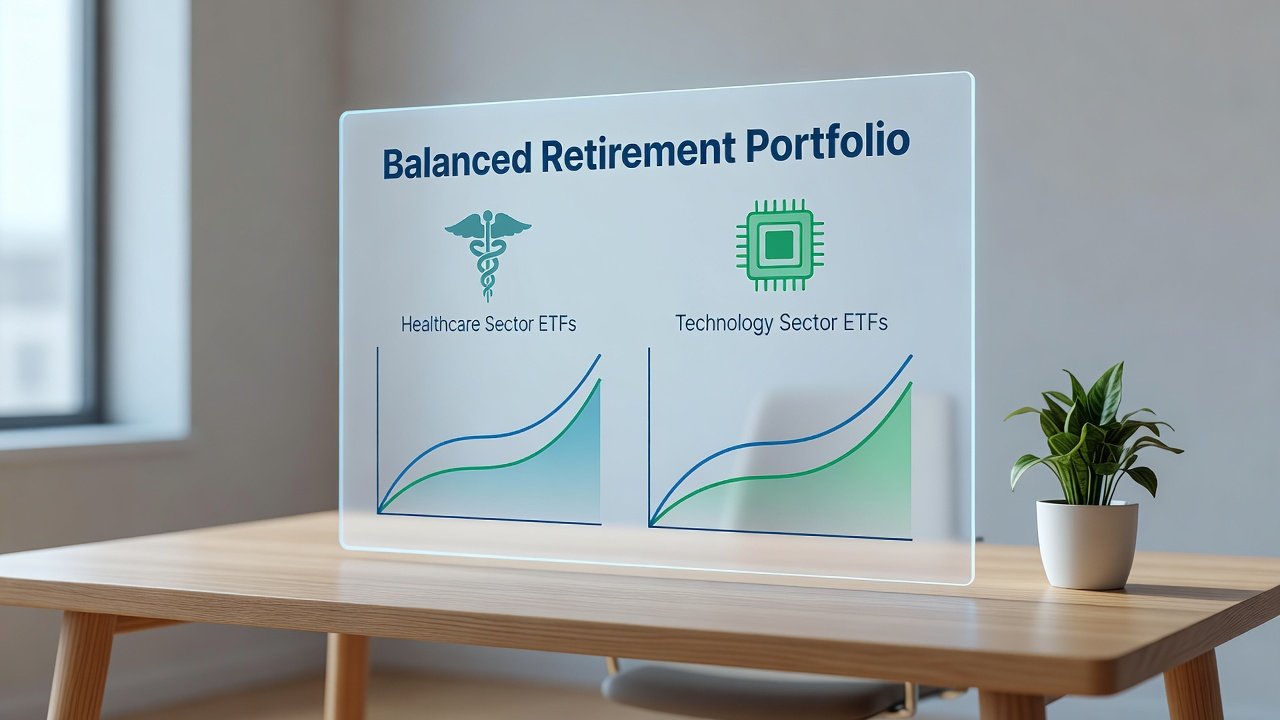
Planning for retirement requires a strategic approach to investing that balances growth potential with stability. ETFs offer low-cost exposure to broad markets and specific sectors, making them ideal for long-term portfolios. This guide focuses on combining sector ETFs in areas like healthcare and technology with core index funds to create resilient retirement strategies tailored to 2026 market conditions. Investors must consider how economic cycles, technological advancements, and demographic shifts influence returns over decades rather than short-term fluctuations.
Investors seeking retirement-specific ETF solutions often prioritize diversification, low expense ratios, and inflation protection. By blending targeted sector exposure with passive index tracking, you can build a portfolio that adapts to economic shifts while supporting sustainable withdrawals. Understanding the interplay between growth sectors and defensive holdings helps mitigate sequence-of-returns risk during early retirement years.
Understanding Asset Allocation Models for Retirement
Effective retirement portfolios start with thoughtful asset allocation. A common model allocates 60% to equities for growth and 40% to fixed income for stability, but adjustments for 2026 may emphasize sectors resilient to inflation and technological disruption. Consider your age, risk tolerance, and time horizon when determining the mix. Younger investors might tilt toward 70-80% equities, while those nearing retirement reduce equity exposure. Sector ETFs allow fine-tuning within the equity portion, focusing on defensive areas like healthcare alongside growth-oriented technology. Historical patterns show that allocations incorporating 15-25% sector exposure often improve risk-adjusted returns compared to pure index strategies.
Dynamic allocation models incorporate glide paths that gradually shift from aggressive to conservative holdings. For example, an investor 15 years from retirement might maintain 65% equities split between 45% core indexes and 20% sectors, then adjust downward annually. This approach accounts for changing life circumstances such as healthcare needs or market volatility spikes.
Risk Assessment for 2026 Market Conditions
Evaluating risks involves analyzing interest rates, geopolitical factors, and sector-specific trends. In 2026, technology faces regulatory scrutiny while healthcare benefits from aging populations. Use tools like volatility metrics and correlation analysis to assess how sector ETFs interact with broad index funds. Macroeconomic indicators including employment data and global supply chain stability further inform risk models.
Stress testing your portfolio against scenarios such as market downturns or rising inflation helps identify vulnerabilities. Diversification across sectors mitigates concentration risk, ensuring no single area dominates performance. Incorporate scenario analysis covering interest rate hikes, recessionary pressures, and sector-specific disruptions to build robustness into the overall strategy.
Selection Criteria for Retirement ETFs
Key factors include expense ratios, historical performance, liquidity, and alignment with retirement goals. Prioritize ETFs with expense ratios below industry averages and strong track records of tracking their benchmarks. Compare dividend yields and total returns across options in healthcare and technology sectors. Liquidity matters for larger portfolios to avoid wide bid-ask spreads during rebalancing.
Look for funds from established providers with robust governance. Review holdings to confirm genuine exposure to desired sectors without excessive overlap with core index holdings. Additional criteria encompass assets under management, tracking error statistics, and the presence of securities lending programs that can generate modest additional income.
Step-by-Step Portfolio Construction
- Assess your current savings, expected retirement date, and income needs through detailed cash-flow projections.
- Choose a core index fund such as a total market or S&P 500 ETF for broad diversification across thousands of holdings.
- Select 2-3 sector ETFs in healthcare and technology to add targeted growth while monitoring overlap with core positions.
- Determine allocation percentages based on risk profile, incorporating buffers for unexpected expenses.
- Rebalance annually or when allocations drift more than 5% to maintain intended risk levels.
- Document every decision with rationale tied to personal goals and market outlook.
This methodical process ensures a cohesive strategy rather than ad-hoc purchases. Regular reviews incorporate life events such as inheritance or changes in employment status.
Comparisons of Expense Ratios and Historical Returns
Healthcare sector ETFs typically offer lower volatility than technology counterparts. Historical data shows technology ETFs delivering higher long-term returns but with greater drawdowns during corrections. Expense ratios for leading index funds often range in the 0.03-0.10% range, while sector ETFs may average 0.10-0.35% depending on the provider. Investors should weigh these costs against potential alpha generation from sector tilts.
When comparing options, examine 5- and 10-year annualized returns alongside maximum drawdowns. This reveals trade-offs between growth and stability essential for retirement planning. Technology sectors historically outperform during expansion phases, whereas healthcare provides defensive characteristics during contractions.
Real-World Examples of Sample Allocations
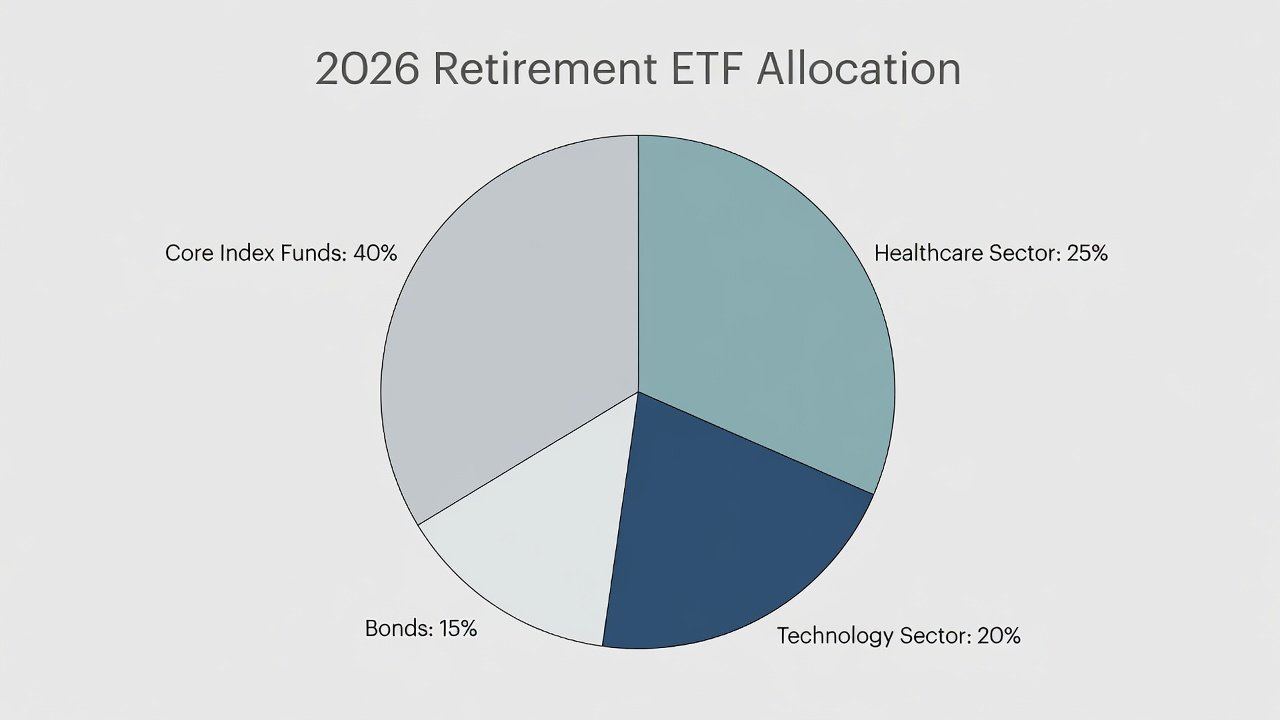
A sample moderate-risk retirement portfolio might include 50% in a broad U.S. equity index ETF, 20% in an international index fund, 15% healthcare sector ETF, 10% technology sector ETF, and 5% in bond index ETFs. Adjust these weights based on personal circumstances and market outlook. For an investor with moderate risk tolerance, this mix balances growth from sectors with stability from indexes.
Another aggressive example increases sector exposure to 30% combined while maintaining 60% core indexes and 10% fixed income. Conservative versions reduce sectors to 10% and increase bond allocations. Review these allocations periodically to maintain alignment with goals, especially after major life milestones.
Tax Implications of ETF Investing
ETFs generally provide tax efficiency through in-kind creations and redemptions that minimize capital gains distributions. Hold investments in tax-advantaged accounts like IRAs when possible to defer taxes. For taxable accounts, consider tax-loss harvesting opportunities during rebalancing. Sector ETFs may distribute higher qualified dividends in certain years compared to broad indexes.
Understand qualified dividend treatment and how sector ETFs may generate different tax profiles than broad indexes. Consult official resources such as IRS guidelines for current rules. Additional considerations include state tax implications and the benefits of holding international ETFs in taxable accounts to utilize foreign tax credits.
Inflation Protection Strategies Within ETF Portfolios
Inflation erodes purchasing power over long retirement horizons. Healthcare and technology sectors often demonstrate resilience due to pricing power and innovation. Complement core holdings with Treasury Inflation-Protected Securities ETFs when inflation expectations rise. Monitor real return metrics rather than nominal figures alone.
Periodic stress tests incorporating 3-4% inflation scenarios help quantify impacts on withdrawal rates. Sector selection focused on companies with strong pricing flexibility provides natural hedges without requiring complex derivatives.
Practical Checklists for Investors
- Review expense ratios and holdings quarterly using provider fact sheets.
- Monitor sector performance relative to benchmarks and peer ETFs.
- Ensure adequate diversification across at least 5-7 holdings with no single sector exceeding 25%.
- Evaluate inflation-hedging features like TIPS exposure if needed based on economic data.
- Document rebalancing decisions and rationale in a dedicated investment journal.
- Assess correlation changes between sectors and core indexes annually.
- Verify account beneficiary designations remain current.
Common Mistakes to Avoid in Retirement ETF Strategies
Many investors chase recent sector performance without considering long-term correlations. Over-concentration in technology during bull markets increases downside risk. Ignoring expense ratio differences compounds over decades. Failing to rebalance allows drift that alters intended risk levels. Always maintain a written investment policy statement to guide decisions.
FAQ: Common Concerns in Retirement ETF Strategies
How often should I rebalance my ETF portfolio?
Annual rebalancing is sufficient for most retirement investors, though some prefer semi-annual reviews to keep allocations on target without excessive trading costs.
What role do sector ETFs play in inflation protection?
Healthcare and technology sectors often demonstrate resilience during inflationary periods due to pricing power and innovation-driven demand, complementing broad index funds.
Are there risks in over-allocating to specific sectors?
Yes, excessive concentration increases volatility. Limit sector ETFs to 20-30% of the equity allocation to maintain balance.
How do I evaluate new sector ETFs entering the market?
Compare tracking error, liquidity, and holdings overlap with existing positions before adding any new fund. Review prospectus details and historical performance under varied market regimes.
Conclusion
Blending sector ETFs with core index funds creates a powerful framework for retirement investing in 2026. By following structured allocation, rigorous selection, and ongoing monitoring, investors can pursue growth while managing risks effectively. Start with your personal financial assessment and build gradually for lasting results. Resources from authoritative bodies such as SEC investor information and Investor.gov retirement guides provide additional educational support.

No comments yet. Be the first!