 Bullish Portfolio
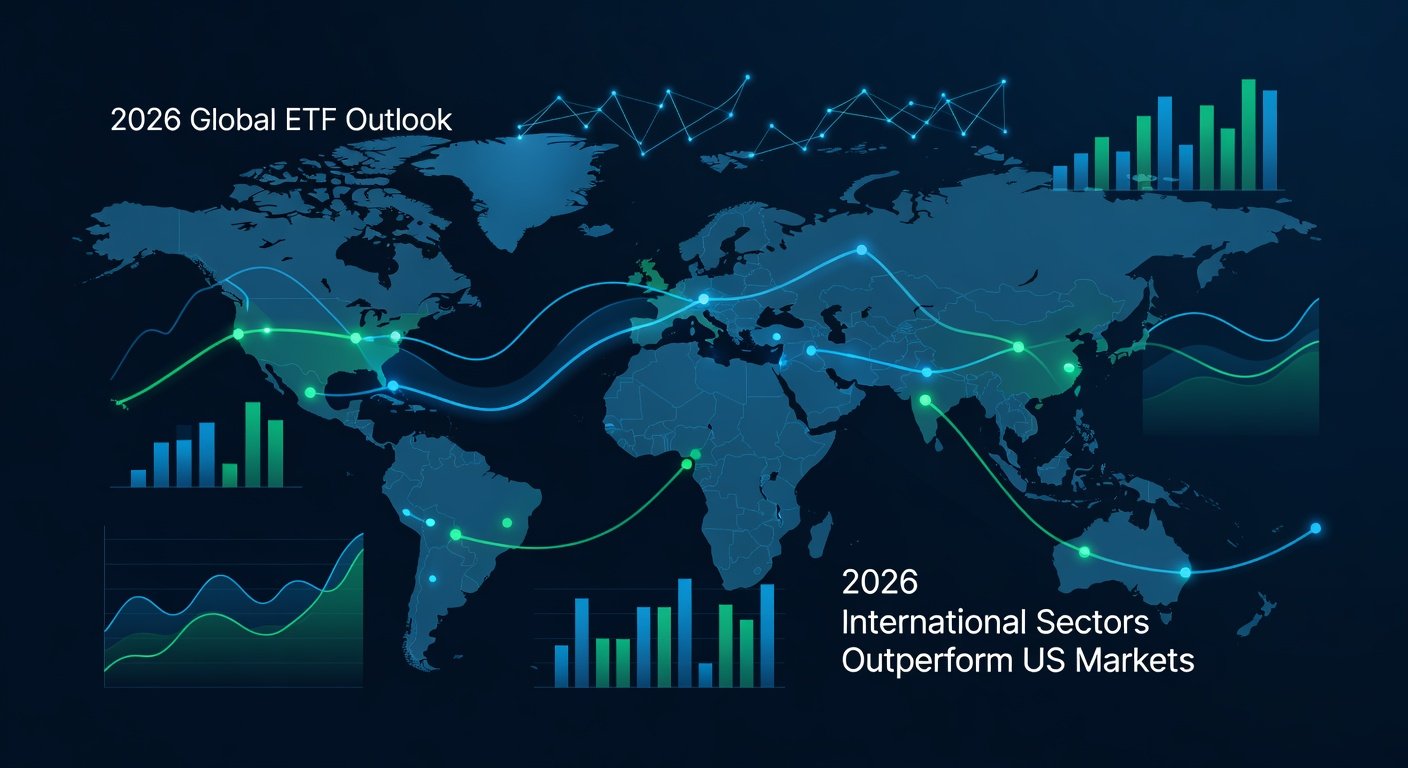
Global diversification through international sector ETFs offers investors a powerful way to potentially achieve superior returns compared to traditional US index funds in 2026. As markets evolve, focusing on specific sectors outside the United States provides exposure to growth opportunities in Europe, Asia, and emerging economies.
Why International Sector ETFs May Outperform US Index Funds
US index funds like those tracking the S&P 500 have delivered strong results historically, but international sectors often benefit from unique economic cycles, demographic trends, and innovation hotspots. In 2026, sectors such as European healthcare and Asian technology stand out due to aging populations and digital transformation in key regions.
Top International Sector ETF Picks for 2026
Investors should consider targeted ETFs rather than broad international indexes. Key options include:
- European healthcare ETFs for exposure to pharmaceutical innovation and medical device leaders.
- Asian technology ETFs capturing semiconductor and AI advancements in markets like Taiwan and South Korea.
- Emerging markets consumer staples ETFs that benefit from rising middle-class spending in India and Southeast Asia.
Real-world examples include VGK Health for European healthcare exposure and FXI Tech variants focused on Chinese technology giants.
Performance Data Versus S&P 500 Index Funds
Recent analyses show international sector ETFs delivering competitive or higher total returns in diversified portfolios, particularly when currency movements favor non-US assets. While past performance does not guarantee future results, sector-specific international funds have shown resilience during US market corrections.
Currency Hedging Strategies
To mitigate foreign exchange volatility, many investors use hedged ETF versions. Hedging protects against USD strengthening, which can erode international returns. Unhedged options may appeal to those bullish on foreign currencies.
Step-by-Step Guide to Portfolio Integration
- Assess your risk tolerance through a detailed review of investment goals and time horizon.
- Allocate 20-30% of your equity portfolio to international sectors for balanced global exposure.
- Select specific ETFs matching your sector views, such as healthcare or technology.
- Rebalance quarterly to maintain target allocations and capture gains.
Pros and Cons Comparison
International sector ETFs offer diversification benefits and growth potential but come with higher expense ratios and geopolitical risks compared to simple US index funds. They require more active monitoring but can enhance long-term portfolio performance.
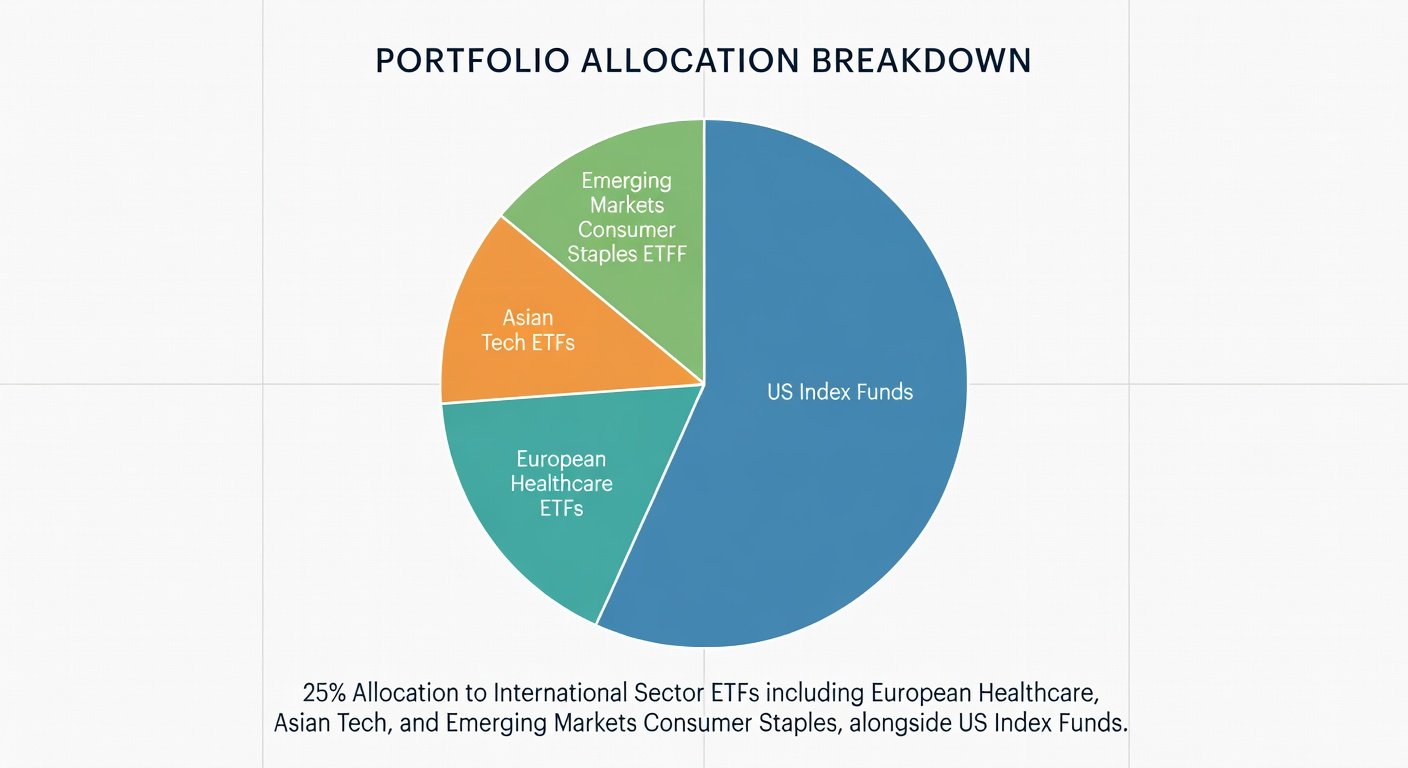
FAQs on Geopolitical Risks and Expense Ratios
What geopolitical risks should investors consider? Trade tensions and regional conflicts can impact emerging market ETFs, so diversification across multiple sectors and regions is essential.
How do expense ratios compare? International sector ETFs typically carry slightly higher fees than broad US index funds, but the potential for alpha justifies the cost for many investors.
For more authoritative guidance on ETF regulations, visit the SEC website. Additional resources are available at Vanguard and BlackRock.
No comments yet. Be the first!