 Bullish Portfolio
Introduction to Covered Call ETF Strategies
Covered call ETFs provide a structured approach for investors seeking enhanced income through options overlays on equity holdings. In 2026, with markets expected to experience moderate volatility amid economic transitions and interest rate adjustments, these strategies can deliver consistent yields while maintaining core equity exposure. Unlike basic index funds, covered call techniques allow for premium collection that offsets potential flat or slightly declining periods. This comprehensive guide examines ETF selection criteria, return modeling, downside protection methods, and real-world applications to help investors build resilient income streams.
Understanding the Mechanics of Covered Calls on ETFs
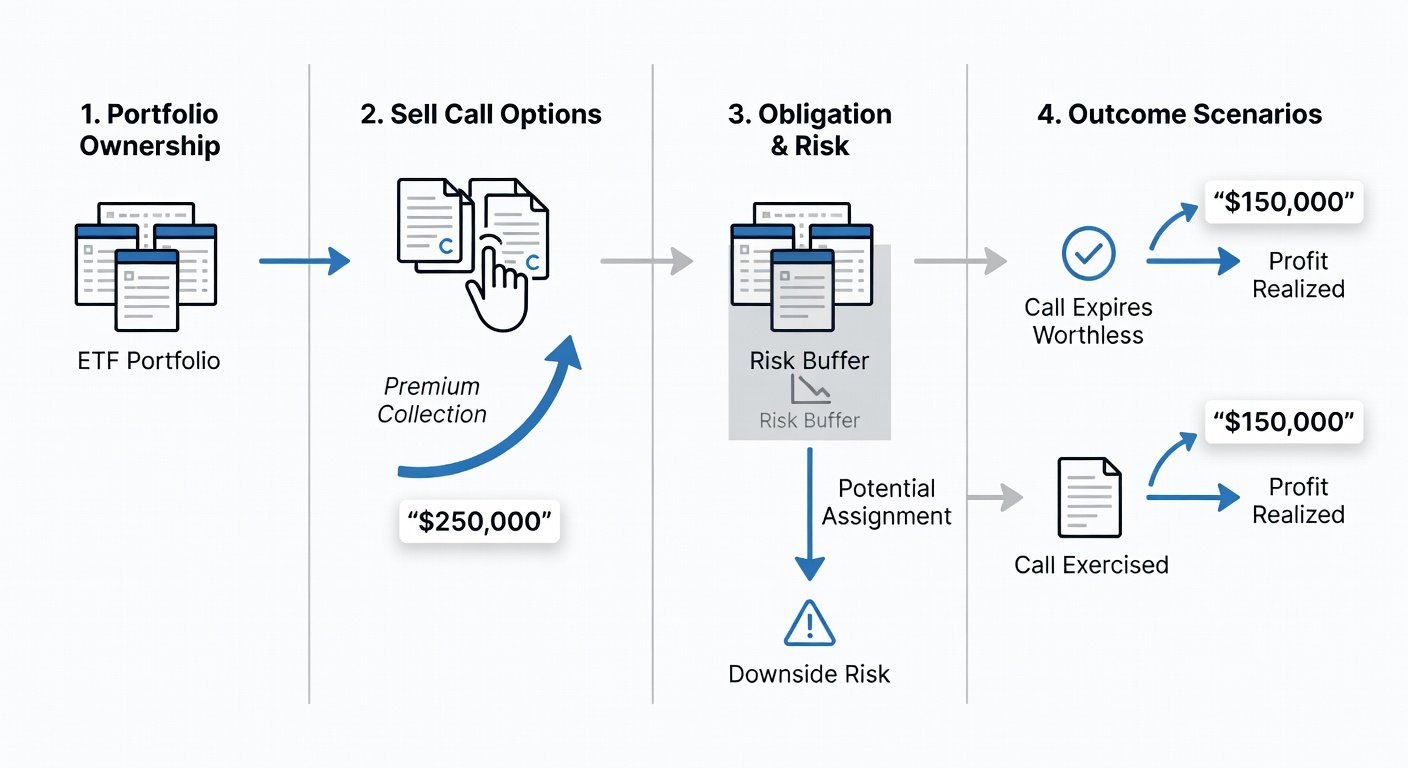
The core of a covered call strategy rests on owning an ETF and simultaneously selling call options on that same position. The sold calls generate premium income upfront, which supplements dividends and any capital appreciation up to the strike price. Because the ETF shares cover the obligation, the position avoids naked call risks. Key variables include choosing at-the-money or slightly out-of-the-money strikes, selecting expiration cycles typically ranging from 30 to 45 days, and monitoring implied volatility to maximize premium capture. Theta decay works in the seller's favor as time passes, accelerating premium erosion near expiration. Investors must also account for delta exposure, which measures how much the position moves with the underlying ETF. In 2026 conditions, where volatility may spike around earnings seasons or geopolitical events, dynamic adjustments such as rolling calls early can preserve income while limiting opportunity costs.
Selecting Suitable ETFs for Covered Call Overlays
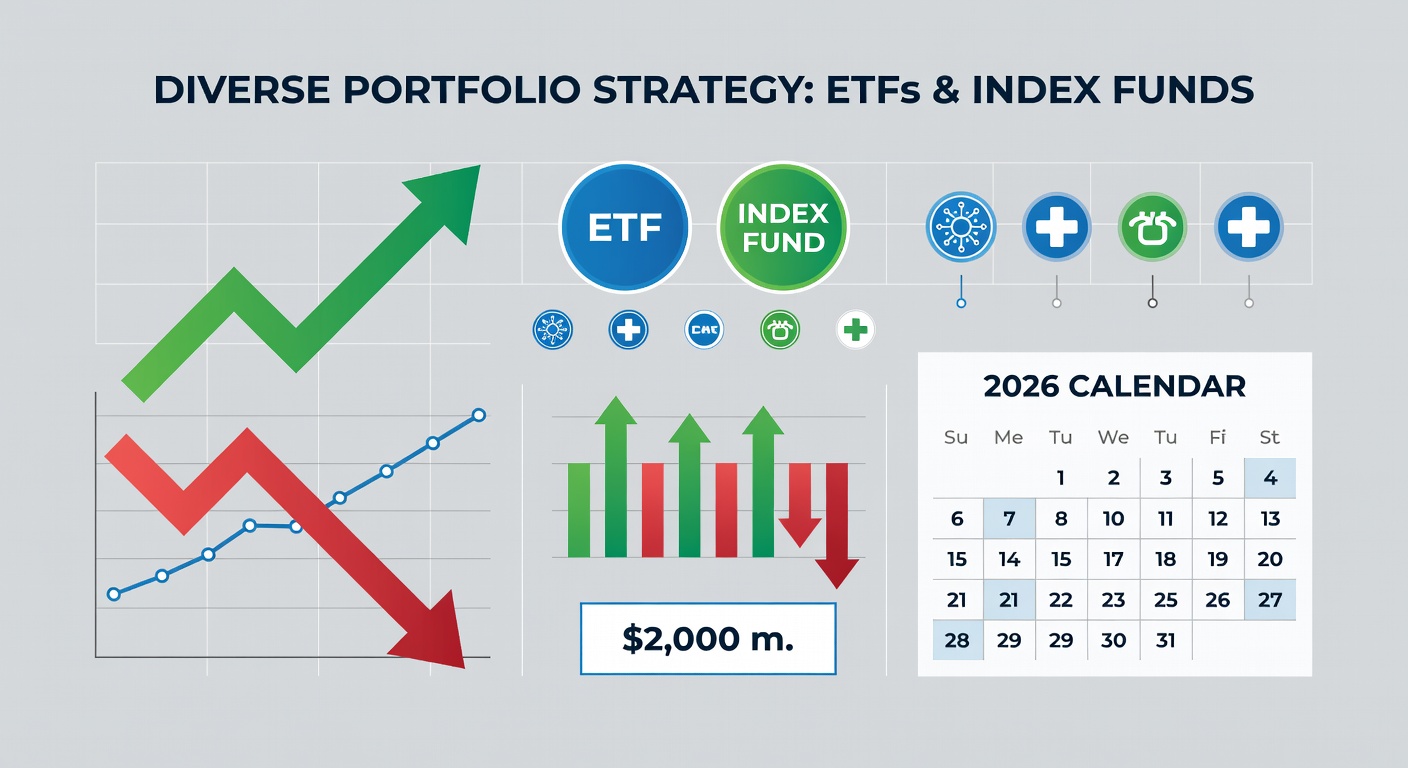
Choosing the right ETF forms the foundation of success. Prioritize funds with tight bid-ask spreads, substantial average daily volume exceeding several million shares, and robust options chains with multiple strike and expiration choices. Broad-market ETFs tracking major indices offer diversification benefits and consistent liquidity. Sector ETFs in areas like technology, healthcare, or financials can provide targeted exposure when volatility profiles support higher premiums. Evaluate metrics such as historical tracking error, dividend consistency, and correlation to broader markets. Additionally, review the ETF's holdings concentration to avoid unintended sector bets. Funds with lower expense ratios preserve more of the generated income for the investor. Testing multiple candidates through paper trading helps identify which products align best with individual risk parameters before committing real capital.
Calculating Potential Returns and Income
Accurate return projections combine three elements: expected ETF price movement, reinvested dividends, and collected option premiums. A practical model begins with forecasting the underlying ETF's total return over the period, then adds the annualized premium yield derived from historical or current option pricing. For instance, an investor might estimate a 6% annual ETF return plus 12% from premiums, yielding an 18% gross figure before subtracting any missed upside above the strike. Sensitivity analysis is essential—model scenarios where the ETF rises 10%, stays flat, or declines 8% to reveal net outcomes. Tools such as option pricing calculators or brokerage analytics platforms assist in quantifying breakeven points and maximum loss thresholds. Regular recalibration accounts for changing volatility surfaces throughout 2026.
Managing Downside Risks in 2026 Conditions
Downside protection requires proactive measures. Position sizing should generally stay within 10-20% of overall portfolio value to prevent concentration. When implied volatility rises, shifting to out-of-the-money strikes can provide greater cushion while still generating meaningful premiums. Collar strategies, which involve buying protective puts financed by call sales, offer defined risk during uncertain periods. Monitoring macroeconomic indicators such as inflation data and central bank announcements helps anticipate volatility spikes. Stop-loss orders on the ETF or predefined rules for halting new call sales after a 5% drawdown provide mechanical discipline. Diversifying across multiple covered call ETFs with differing underlying exposures further mitigates single-strategy risk.
Real Portfolio Examples with Step-by-Step Trade Setups
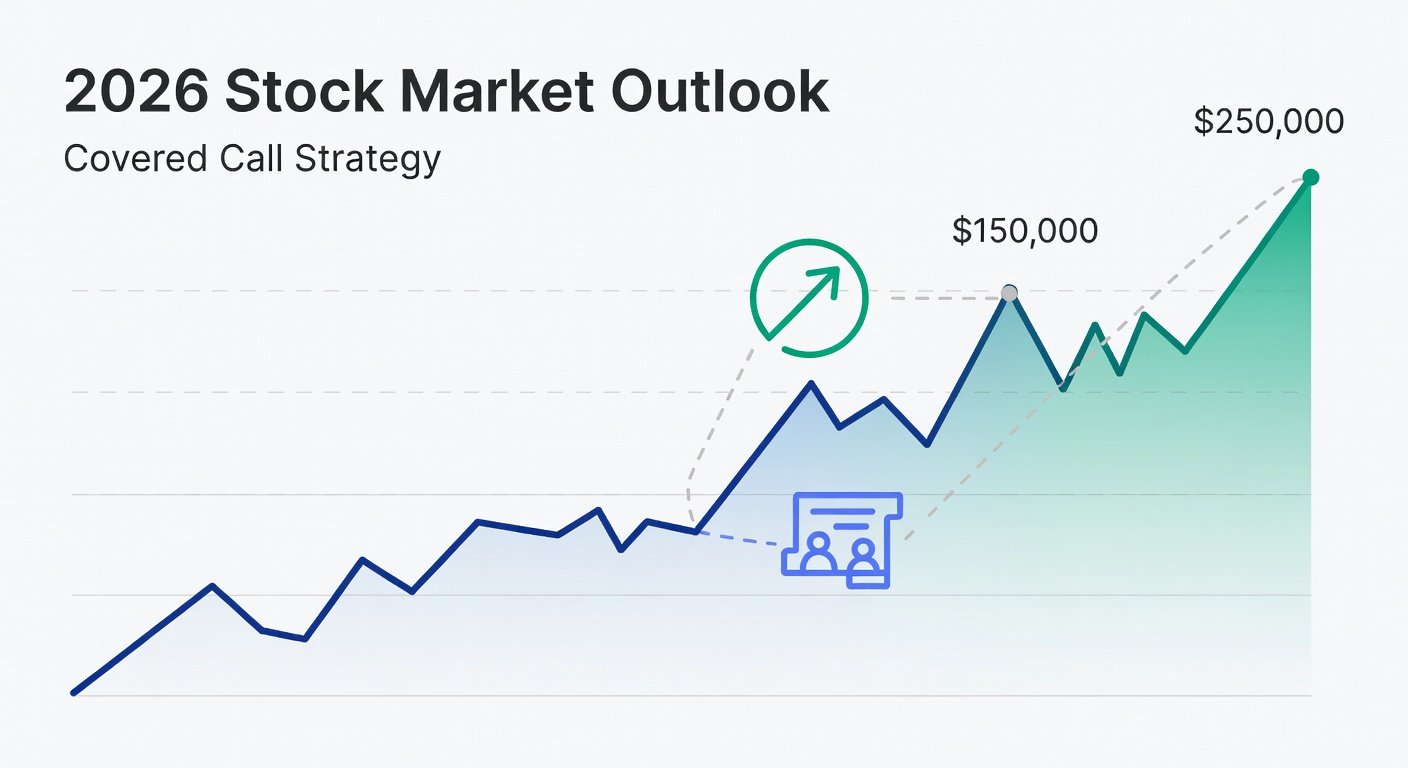
Example one involves a $250,000 allocation to a large-cap growth ETF. The investor purchases 1,000 shares and immediately sells 10 near-term at-the-money call contracts. Premiums are collected and held in a money-market position until expiration or early close. If the ETF remains below the strike at expiration, the process repeats the following month. Quarterly reviews compare total income against a plain ETF benchmark. Example two uses a dividend-focused ETF within a $150,000 sleeve. Here, slightly out-of-the-money calls are sold to allow modest upside participation while collecting premiums. Both setups incorporate automated alerts for volatility thresholds and predefined rolling protocols to maintain consistency across market regimes.
Comparisons of Popular Covered Call ETFs
- Products emphasizing broad equity indices versus those targeting specific sectors show differing beta levels and premium magnitudes.
- Monthly payout structures versus quarterly schedules influence compounding frequency and investor cash-flow planning.
- Actively managed call selection versus systematic rules-based approaches affect upside capture ratios during strong trending markets.
- Liquidity differences between flagship products and newer entrants impact execution costs and slippage.
Tax Implications for Different Account Types
Tax treatment varies significantly by account. In taxable brokerage accounts, option premiums generally receive short-term capital gains treatment, while ETF dividends may qualify for preferential rates if holding periods are met. Retirement accounts such as traditional or Roth IRAs defer or eliminate current taxation, allowing full reinvestment of premiums. Investors should examine cost-basis tracking for the underlying shares and any wash-sale implications if positions are closed and reopened. Detailed guidance is available from official sources including IRS.gov and the SEC.gov investor education sections. Professional tax counsel is recommended to optimize across multiple account types.
Practical Checklists for Implementation
- Verify ETF liquidity metrics and options chain depth before entry.
- Establish allocation caps and rebalancing triggers in writing.
- Define strike selection rules based on volatility rankings.
- Set monthly review schedules for premium performance and market outlook.
- Document exit criteria for both profitable and loss scenarios.
- Backtest the full strategy across at least three market cycles.
Common Pitfalls to Avoid
Common errors include over-allocating during low-volatility environments where premiums shrink, neglecting to adjust for dividend ex-dates that can trigger early assignment, and failing to maintain diversification across underlying sectors. Another frequent mistake is chasing maximum yield without stress-testing for large drawdowns. Investors sometimes overlook transaction costs that erode net income on smaller accounts. Maintaining a written investment policy statement helps enforce discipline and prevents emotional overrides during volatile 2026 periods.
FAQ: Addressing Volatility Concerns and Strategy Adjustments
How does high volatility affect covered call ETFs?
Elevated volatility increases option premiums, boosting short-term income, yet it often coincides with larger potential price swings. Adjusting to further out-of-the-money strikes or shortening duration can balance income with participation.
Should the strategy change during strong bull markets?
Reducing coverage percentage or selecting higher strikes preserves more upside while still generating baseline income. Some investors temporarily pause overwriting during clear upward trends.
What happens if the ETF drops sharply?
Premiums cushion only a portion of losses. Predefined rules for pausing sales or adding protective puts help manage extended declines. Reassessing allocation size after significant drops maintains overall portfolio balance.
How often should positions be reviewed?
Monthly reviews aligned with expiration cycles allow timely adjustments, while quarterly deep dives incorporate macroeconomic updates and performance benchmarking.
Conclusion
Covered call ETF strategies deliver a disciplined framework for income generation suited to 2026 market dynamics. Through careful ETF selection, precise return modeling, and structured risk controls, investors can enhance portfolio yields without abandoning equity participation. Success depends on consistent execution, ongoing education, and alignment with personal financial goals. For foundational information on options and market regulations, consult authoritative resources such as Investor.gov. Always pair these techniques with personalized advice from qualified professionals.
No comments yet. Be the first!