 Bullish Portfolio

Introduction: Beyond the Usual Suspects in ETF Investing
Index funds have long been the backbone of many portfolios, offering broad market exposure at low cost. Yet in 2026, investors seeking an edge are turning to hidden gem sector ETFs in specialized areas like cybersecurity, water infrastructure, and genomics. These lesser-known options can introduce meaningful alpha and true diversification when blended thoughtfully with core holdings. Popular themes such as technology or clean energy often overlap heavily with broad indices like the S&P 500. In contrast, niche sectors provide exposure to emerging trends with lower correlation, potentially enhancing returns without dramatically increasing volatility. The key lies in understanding how these ETFs function within a larger portfolio framework and identifying those that truly complement rather than duplicate existing positions.
Many investors already hold large allocations to mega-cap growth stocks through standard index products. Adding targeted sector exposure allows for participation in high-conviction themes that may not be fully represented. This approach requires careful analysis of underlying holdings, index construction methods, and historical behavior during different economic regimes. By focusing on areas with structural tailwinds such as digital security needs, global water management challenges, and advances in genetic research, portfolios can gain resilience and growth potential simultaneously.
Cybersecurity ETFs: Defending Digital Assets
Cybersecurity remains a critical growth area as threats evolve rapidly. ETFs focused on this sector target companies developing firewalls, encryption, and threat detection technologies. These holdings often operate outside traditional tech giants, reducing overlap with standard index funds. Demand stems from increasing regulatory requirements around data protection and the proliferation of connected devices across industries. Investors benefit from exposure to both established providers and innovative startups that specialize in zero-trust architectures and AI-driven threat response systems.
Water Infrastructure ETFs: The Essential Resource Play
Global water scarcity and aging infrastructure create opportunities in treatment, distribution, and purification technologies. Water-focused ETFs capture utilities and equipment providers that benefit from steady demand driven by population growth and regulatory mandates. Climate variability further amplifies the need for resilient systems, including desalination plants, smart metering solutions, and advanced filtration methods. This sector tends to exhibit defensive characteristics because water services remain essential regardless of economic cycles, offering a counterbalance to more cyclical equity exposures.
Genomics ETFs: Unlocking Biological Innovation
Genomics ETFs invest in gene editing, sequencing, and personalized medicine firms. This sector offers exposure to breakthroughs in healthcare that broad market indices capture only indirectly through large pharmaceutical companies. Applications range from CRISPR-based therapies to companion diagnostics that tailor treatments to individual genetic profiles. The long-term potential arises from an aging population and rising chronic disease prevalence, positioning these ETFs to benefit from sustained research and development spending across biotech and healthcare equipment manufacturers.
Selection Criteria for Hidden Gem ETFs
When evaluating these ETFs, prioritize three key factors. Expense ratios should remain competitive to preserve net returns. Liquidity ensures easy entry and exit without wide bid-ask spreads. Low overlap with core index holdings is essential—review top holdings and sector weightings to confirm genuine diversification benefits. Additional considerations include assets under management for stability and the ETF provider’s track record in niche markets. Investors should also examine the underlying index methodology to understand rebalancing rules and constituent selection processes. For instance, equal-weighted approaches may provide broader exposure compared to market-cap weighted structures that concentrate in a few dominant names.
Another practical step involves checking premium or discount to net asset value over time, as persistent deviations can signal liquidity concerns. Reviewing annual reports and prospectus documents helps clarify any securities lending practices or derivatives usage that might affect risk profiles. SEC website offers official filings that detail these aspects for registered ETFs.
Performance Data Comparisons
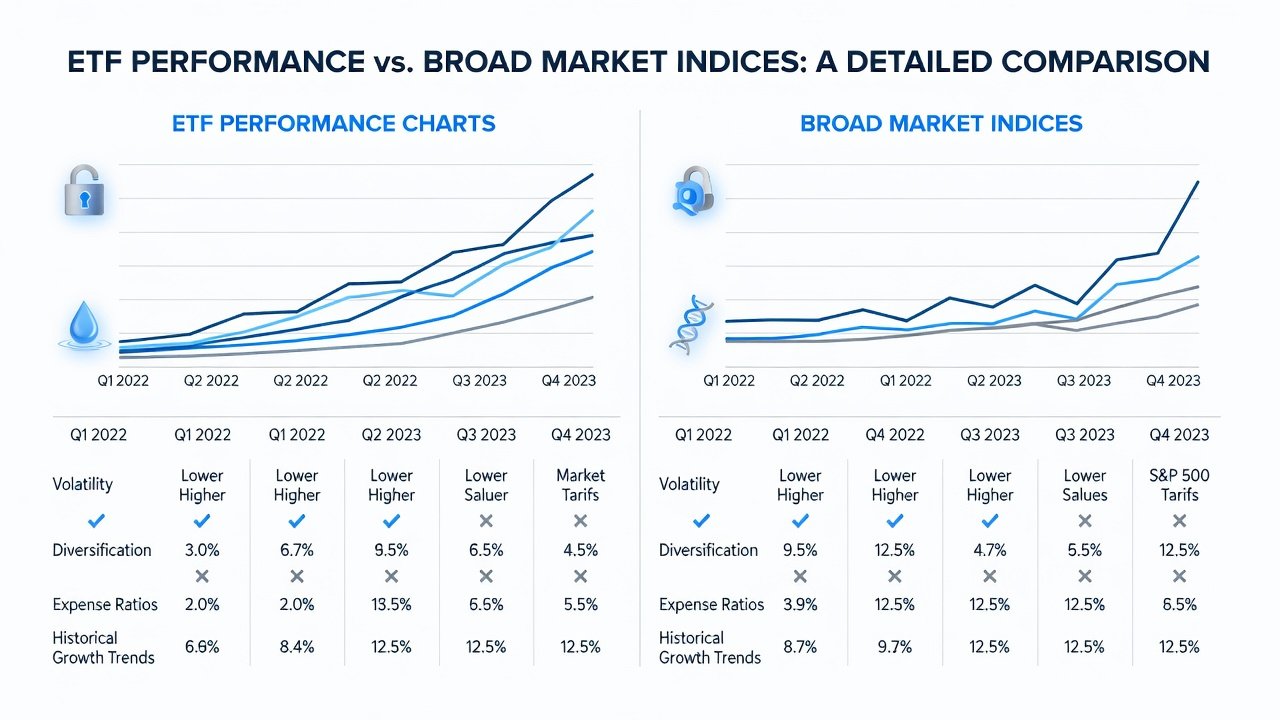
Historical patterns show that well-chosen sector ETFs in these areas have delivered periods of outperformance relative to broad benchmarks, particularly during technological shifts or infrastructure spending cycles. However, results vary by market environment, with these ETFs sometimes experiencing sharper drawdowns than diversified indices. Comparing rolling returns and correlation metrics over multiple market cycles provides a more reliable picture than focusing solely on recent performance. For example, cybersecurity ETFs have shown resilience during periods of heightened digital threat activity, while water infrastructure holdings often perform steadily amid environmental policy changes. Genomics ETFs may exhibit higher volatility tied to clinical trial outcomes and regulatory approvals.
Investors benefit from examining Sharpe ratios and maximum drawdown statistics to gauge risk-adjusted outcomes. Blending these with core index holdings can smooth overall portfolio volatility when correlations remain low during stress events.
Sample 2026 Allocation Examples
A balanced approach might allocate 5-10% of the equity sleeve across these three themes while maintaining 70-80% in core index funds. For example, a moderate-risk portfolio could include 4% in a cybersecurity ETF, 3% in water infrastructure, and 3% in genomics, with the remainder in total market or S&P 500 trackers. Conservative investors may start with 2-3% per theme and scale gradually after monitoring performance and rebalancing needs. Aggressive growth-oriented portfolios could increase exposure to 15% total across the themes, concentrating more heavily in genomics where innovation cycles offer higher upside potential.
Consider tax location when implementing these allocations. Placing sector ETFs in tax-advantaged accounts minimizes the impact of potentially higher turnover and capital gains distributions compared to broad market index funds.
Step-by-Step Screening Tips
- Define your diversification goals and maximum sector allocation limits based on overall risk tolerance and time horizon.
- Use ETF screeners to filter by expense ratio below industry averages and minimum average daily volume to ensure tradability.
- Analyze holdings overlap using portfolio analysis tools to quantify correlation with existing index positions and identify unintended concentrations.
- Review the underlying index methodology for transparency and relevance to the theme, noting any biases toward specific company sizes or geographies.
- Examine recent fact sheets for turnover rates and tax efficiency indicators that affect long-term holding costs.
- Simulate the blended portfolio using backtesting features where available to understand historical behavior under various market scenarios.
- Consult regulatory filings for any material changes in strategy or management that could impact future performance.
- Monitor news flow around the sector for emerging risks such as policy shifts or technological disruptions before finalizing selections.
Risk Considerations When Blending These ETFs
These hidden gem sectors carry higher concentration risk and can be sensitive to regulatory changes, technological disruption, or macroeconomic shifts. Cybersecurity faces evolving threat landscapes that require continuous innovation, potentially leading to rapid obsolescence of certain technologies. Water infrastructure contends with political and environmental variables, including drought conditions and government spending priorities that may fluctuate. Genomics deals with lengthy approval cycles, ethical debates around gene editing, and reimbursement uncertainties from healthcare payers.
Rebalancing should occur on a disciplined schedule, such as annually or when allocations drift beyond preset thresholds, to maintain intended risk levels. Diversification across multiple themes helps mitigate single-sector shocks, but investors must remain prepared for periods of underperformance relative to broad indices. Investor.gov provides educational resources on understanding these risks in the context of overall portfolio construction.
Conclusion
Hidden gem sector ETFs in cybersecurity, water infrastructure, and genomics offer compelling ways to supercharge index fund portfolios in 2026. By applying rigorous selection criteria and thoughtful allocation, investors can achieve enhanced diversification and potential alpha while managing the unique risks these niches present. The most successful implementations combine ongoing monitoring with clear rules for entry, sizing, and rebalancing to ensure these additions truly complement core holdings over the long term.
FAQ
What are good entry points for these ETFs?
Consider dollar-cost averaging over several months to mitigate timing risk, especially given sector volatility. Monitor for temporary price dislocations following broader market corrections.
How often should I rebalance?
Annual reviews paired with threshold-based adjustments help maintain target weights without excessive trading costs. Quarterly reviews may suit more active investors.
Do these ETFs pay dividends?
Many distribute modest yields, though total return is typically driven more by capital appreciation in growth-oriented themes. Dividend-focused investors should review current yields before purchase.
Are there tax implications?
Hold these in tax-advantaged accounts when possible, as sector ETFs may generate higher capital gains distributions than broad index funds due to higher turnover.
How do these compare to thematic ETFs in popular areas?
Hidden gem sectors often show lower correlation with mainstream themes, providing better diversification but requiring deeper research into niche drivers.

No comments yet. Be the first!