 Bullish Portfolio

Introduction to Emerging Market Sector ETFs for 2026
Investors seeking greater resilience in their portfolios for 2026 are increasingly turning to emerging market sector ETFs. These vehicles target high-growth areas such as technology, healthcare, and consumer goods, offering a strategic complement to traditional broad-market index funds. By diversifying beyond US-centric holdings, portfolios can potentially reduce overall risk while capturing opportunities in rapidly developing economies across Asia, Latin America, and Eastern Europe. Core index funds provide stability through exposure to large-cap US equities, but they often lack the growth potential found in emerging sectors where innovation and demographic shifts drive expansion. Adding targeted ETFs allows for better alignment with global economic shifts expected in 2026, including rising digital adoption and healthcare infrastructure investments. This article explores selection criteria, allocation strategies, real-world blending examples, performance comparisons, and actionable steps to build a more robust portfolio.
Why Emerging Market Sectors Matter for Diversification
Emerging markets represent dynamic economies with expanding middle classes and technological adoption that differ markedly from mature markets. Sector-specific ETFs in tech, healthcare, and consumer goods focus on these trends, providing exposure that broad indexes may overlook. For instance, technology ETFs capture advancements in semiconductor manufacturing and e-commerce platforms prevalent in countries like Taiwan and India, while healthcare ETFs benefit from aging populations and increased medical spending in Brazil and South Korea. Consumer goods ETFs tap into rising discretionary spending as urbanization accelerates. This approach enhances resilience against domestic market volatility by introducing assets with lower correlations to US benchmarks. Historical patterns indicate that such diversification can smooth returns during periods of US-specific economic stress, supporting improved risk-adjusted performance when allocations are managed thoughtfully.
Selection Criteria Using Performance Metrics
When evaluating emerging market sector ETFs, focus on key metrics including historical returns over multiple market cycles, volatility measures such as standard deviation and beta, expense ratios, liquidity via average daily trading volume, and tracking error relative to benchmarks. Investors should also review holdings concentration, geographic distribution within each ETF, and underlying index methodology to ensure alignment with desired exposure. For technology-focused options, examine exposure to hardware versus software subsectors. Healthcare selections benefit from analysis of pharmaceutical versus medical device weightings. Consumer goods ETFs require scrutiny of staples versus discretionary categories. Compare these against US-centric alternatives to identify meaningful diversification benefits. Reliable data sources include regulatory filings that detail risks and holdings, accessible through the SEC. Additional context on emerging market trends can come from institutions like the IMF, which tracks global economic developments relevant to sector growth.
Allocation Models for Different Risk Tolerances
Conservative investors might allocate 5-10% of their equity sleeve to emerging market sector ETFs, emphasizing lower-volatility healthcare options to limit downside exposure. Moderate risk profiles could target 15% with a balanced mix across tech and consumer goods, adjusting based on current valuations and economic indicators. Aggressive portfolios may reach 20-25%, incorporating higher-growth tech ETFs with regular monitoring to capture upside while maintaining core stability. These models integrate well with broad-market indexes by maintaining 60-80% in total market or S&P 500 equivalents while layering satellite positions in emerging sectors. Example allocations could include 5% tech, 5% healthcare, and 5% consumer for moderates, scaled up proportionally for higher risk. Rebalancing annually or when drifts exceed thresholds helps preserve intended risk levels and prevents over-concentration in any single sector.
Real-World Blending Examples
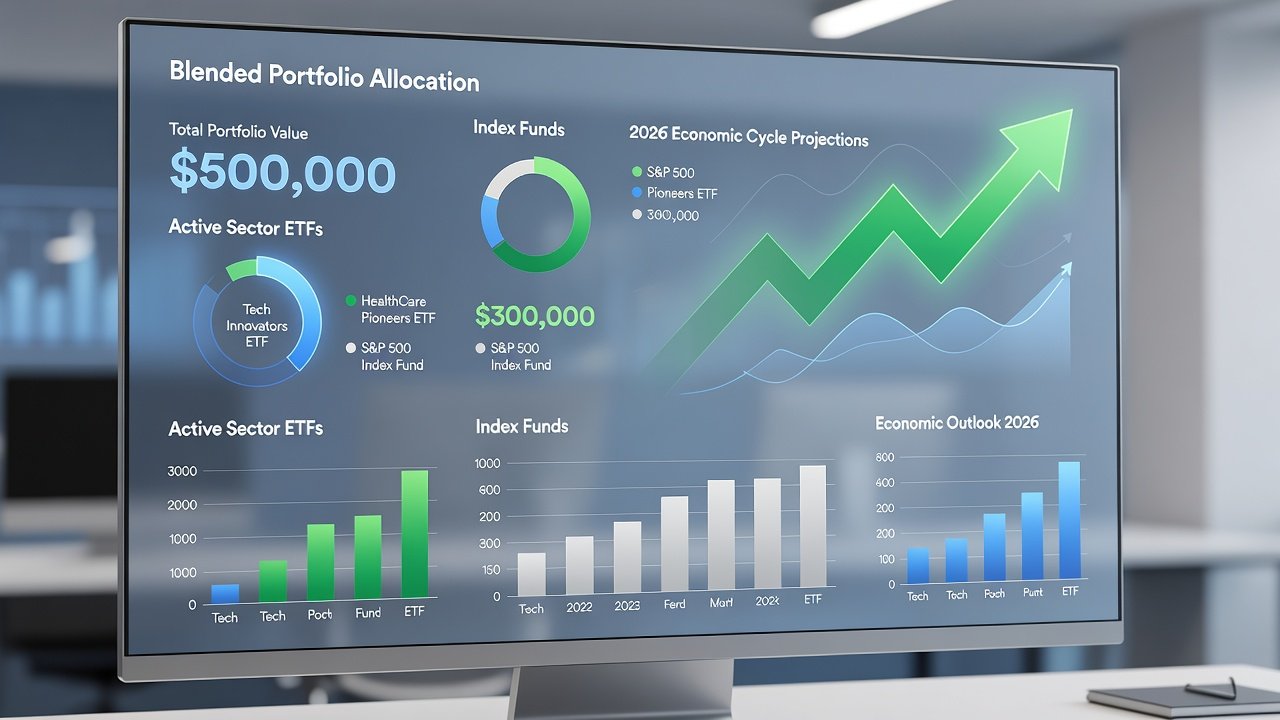
Consider a sample portfolio starting with 70% in a total US stock market index fund and 10% in international developed markets. Adding 8% to a tech-focused emerging market ETF, 7% to healthcare, and 5% to consumer goods creates layered exposure that balances growth and defense. Over recent cycles, such blends have demonstrated smoother performance curves than pure US allocations during certain global shifts, as emerging consumer spending patterns offset US tech corrections. Another example involves a retiree portfolio with 65% broad index, 15% bonds, and 20% split evenly among three emerging sector ETFs, providing income stability alongside modest growth. These illustrations highlight how modest satellite allocations can enhance overall resilience without disrupting core holdings.
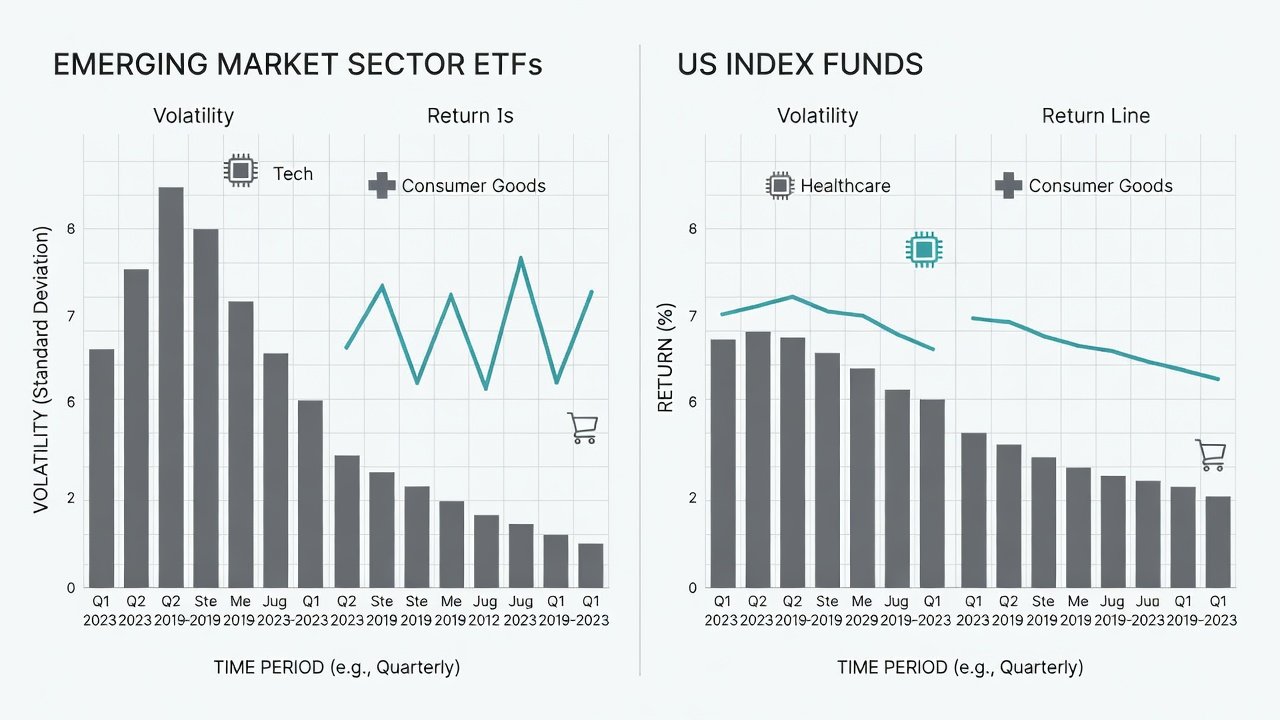
Data-Driven Comparisons of Returns and Volatility
Emerging market sector strategies frequently show higher average returns alongside elevated volatility when measured against US-centric approaches. Technology sectors in emerging regions have delivered stronger growth in expansionary cycles driven by digital infrastructure buildout, while healthcare has provided defensive characteristics during downturns due to essential service demand. Volatility metrics, including higher standard deviations, highlight the importance of modest allocations to avoid excessive swings that could impact long-term compounding. In contrast, US-centric strategies often exhibit lower volatility but may underperform in periods of global recovery. These comparisons underscore the value of blending rather than replacing core indexes, creating more resilient overall portfolios for 2026 by combining stability with selective growth opportunities.
Practical Steps for Screening and Rebalancing
- Define investment objectives and risk tolerance first, documenting target returns and maximum drawdown limits.
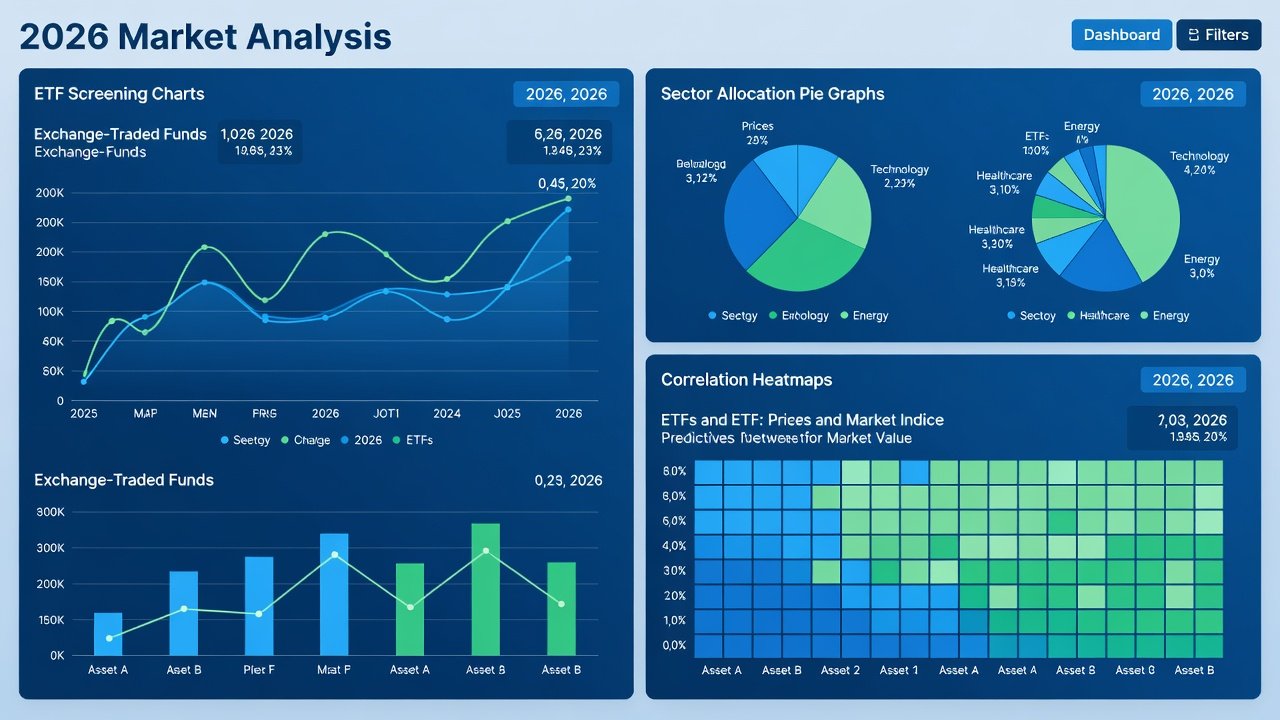
- Use ETF screening platforms to filter by sector focus, assets under management above a liquidity threshold, and competitive expense ratios.
- Analyze correlation data with existing holdings using free portfolio tools to confirm diversification value.
- Implement initial allocations gradually over several months to mitigate timing risk.
- Schedule quarterly reviews and rebalance when sector allocations drift beyond 5% thresholds from targets.
- Monitor macroeconomic indicators such as currency movements and trade policies that affect emerging markets.
- Document all decisions in a simple investment policy statement for consistency.
Consistent application of these steps supports long-term success and reduces emotional decision-making.
Common Pitfalls to Avoid
- Over-allocating to a single sector without diversification checks across multiple ETFs.
- Ignoring currency risks inherent in emerging market investments that can amplify or erode returns.
- Failing to account for potentially higher expense ratios compared to broad indexes, which compound over time.
- Neglecting tax-efficient account placement for these holdings, leading to unnecessary tax drag.
- Chasing recent performance without fundamental analysis of sector fundamentals and valuations.
- Overlooking liquidity differences that may increase trading costs during market stress.
Monitoring and Adjusting for 2026 Conditions
Regular portfolio reviews should incorporate updated economic forecasts and sector-specific developments. Investors can track changes in emerging market regulations or technological breakthroughs that influence ETF holdings. Adjustments may involve tilting toward healthcare if demographic trends strengthen or reducing tech exposure if valuation multiples expand rapidly. Using resources from the Federal Reserve for global economic signals aids informed decisions.
FAQs on Tax Implications and Long-Term Outlook
What are the tax considerations for these ETFs?
Distributions from emerging market sector ETFs may trigger capital gains taxes depending on account type. Holding them in tax-advantaged accounts like IRAs or 401(k)s can mitigate impacts. Investors should review qualified dividend treatment and foreign tax credits where applicable. Consult current IRS guidelines via IRS resources for detailed rules on international investments.
What is the long-term outlook for blending these with indexes?
Analysts anticipate continued growth in emerging sectors through 2026 and beyond, driven by innovation, urbanization, and demographic trends. Blended strategies are expected to remain relevant for investors prioritizing resilience against concentrated risks. Ongoing monitoring of trade policies and technological adoption will help refine allocations.
How often should rebalancing occur in these blended portfolios?
Annual rebalancing is often sufficient, but investors may check semi-annually if market movements cause significant drifts. This maintains the intended diversification benefits without excessive trading.
In conclusion, emerging market sector ETFs offer a powerful way to enhance 2026 index diversification when selected and managed with discipline, providing both growth potential and risk mitigation through thoughtful integration with core holdings.
No comments yet. Be the first!