 Bullish Portfolio
Introduction to AI in ETF Screening
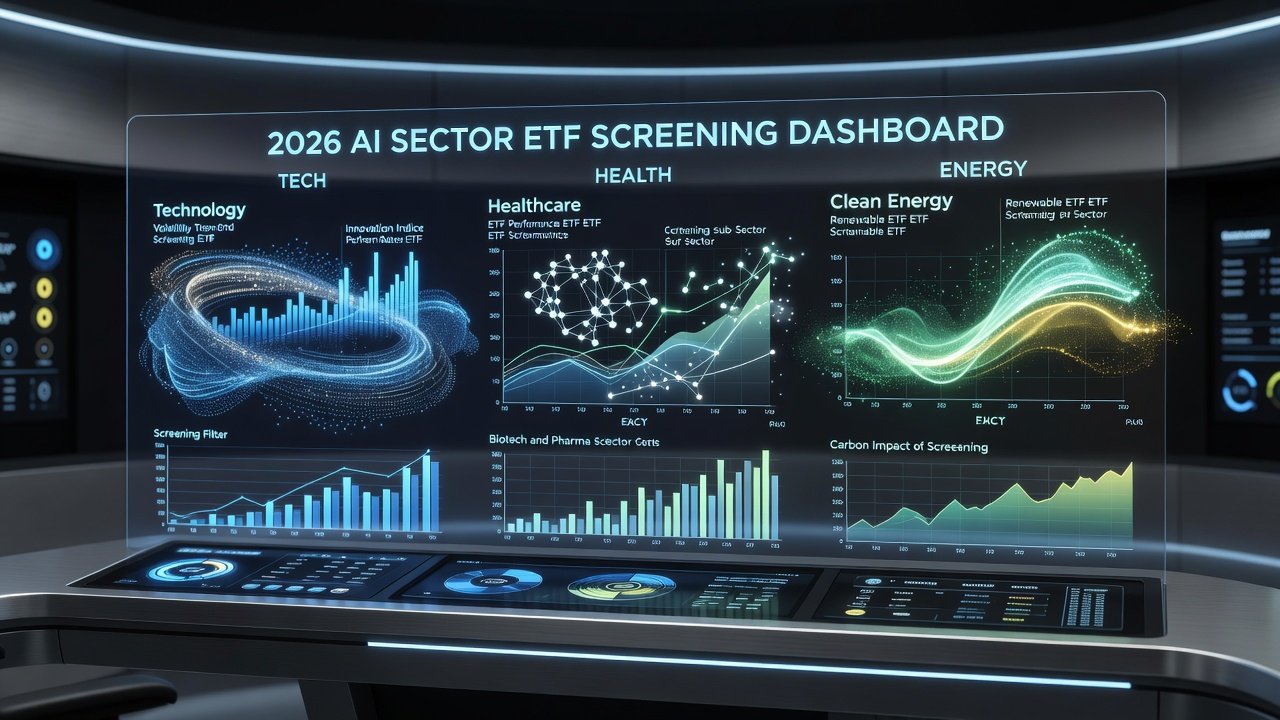
In 2026, investors increasingly rely on AI-driven platforms to evaluate sector ETFs and index fund blends. These tools analyze vast datasets faster than traditional methods, helping identify opportunities across volatile markets. Expense ratios, liquidity metrics, and correlation data become more actionable when processed through machine learning algorithms. AI screening reduces manual effort while improving accuracy in portfolio construction. This article examines leading platforms, practical workflows, and real performance impacts in depth, providing investors with actionable strategies for tech, healthcare, and clean energy sectors.
The shift toward AI reflects broader market complexity. Sector rotations happen quickly, and manual analysis often lags behind real-time data feeds. By leveraging natural language processing and predictive modeling, these platforms deliver insights that support both novice and experienced investors seeking optimized blends of sector-specific ETFs and broad index funds.
Key Metrics AI Tools Prioritize
Modern AI systems evaluate multiple factors simultaneously for comprehensive screening. Expense ratios remain critical for long-term cost efficiency, directly affecting net returns over multi-year horizons. Liquidity measures, such as average daily trading volume and bid-ask spreads, help avoid slippage in large allocations during market stress. Correlation data reveals how sector funds interact with broader indices, enabling better diversification and risk management.
Additional metrics include tracking error relative to benchmarks, dividend yield stability across economic cycles, and sector-specific ESG scores that incorporate regulatory changes. AI models weigh these dynamically based on user risk profiles, historical volatility patterns, and forward-looking macroeconomic indicators. For example, in high-growth sectors, the algorithm might prioritize innovation pipeline data alongside traditional financial ratios.
Understanding these metrics allows investors to set precise filters. AI dashboards often visualize correlations through heatmaps, making it easier to spot unintended overlaps between a tech ETF and a broad market index fund. This level of detail supports more informed decisions than static spreadsheets alone.
Comparing Leading AI Screening Platforms
Several platforms stand out for sector ETF analysis in 2026. Bloomberg Terminal integrates AI for real-time correlation modeling and institutional-grade liquidity forecasts. Morningstar Direct offers predictive analytics on liquidity trends with strong visualization tools suited for detailed fund comparisons. Specialized tools like ETF-focused suites provide sector rotation signals derived from sentiment analysis of news and filings.
Comparisons show differences in data depth and user interfaces. Bloomberg excels in institutional-grade features but requires significant training. Morningstar focuses on retail-friendly visualizations and educational overlays. Hybrid users often combine outputs from multiple platforms to cross-verify results. Practical testing reveals that platforms with strong API integrations allow seamless export of screened lists into portfolio management software.
Step-by-Step Workflow: Technology Sector
- Input sector focus and risk tolerance into the AI dashboard, including target allocation percentages.
- Review expense ratio filters, emphasizing funds with competitive structures relative to peers.
- Analyze liquidity thresholds to ensure sufficient trading volume for intended position sizes.
- Examine multi-year correlation with benchmarks like the Nasdaq-100 to assess overlap risks.
- Generate allocation blends with complementary index funds for overall portfolio stability.
- Run scenario simulations for interest rate changes and supply chain disruptions.
- Export results and review against qualitative factors such as management team tenure.
Example allocation: 55% dedicated tech ETF, 30% broad equity index fund, and 15% thematic sub-sector fund for targeted exposure. This workflow can be repeated quarterly to adapt to evolving market conditions.
Workflows for Healthcare and Clean Energy Sectors
Healthcare screening emphasizes regulatory risk factors, patent expirations, and innovation pipelines. AI scans FDA approval trends, clinical trial data, and demographic shifts alongside fund holdings to identify resilient options. Investors set parameters for correlation with defensive indices, producing blends that balance growth and stability during economic uncertainty.
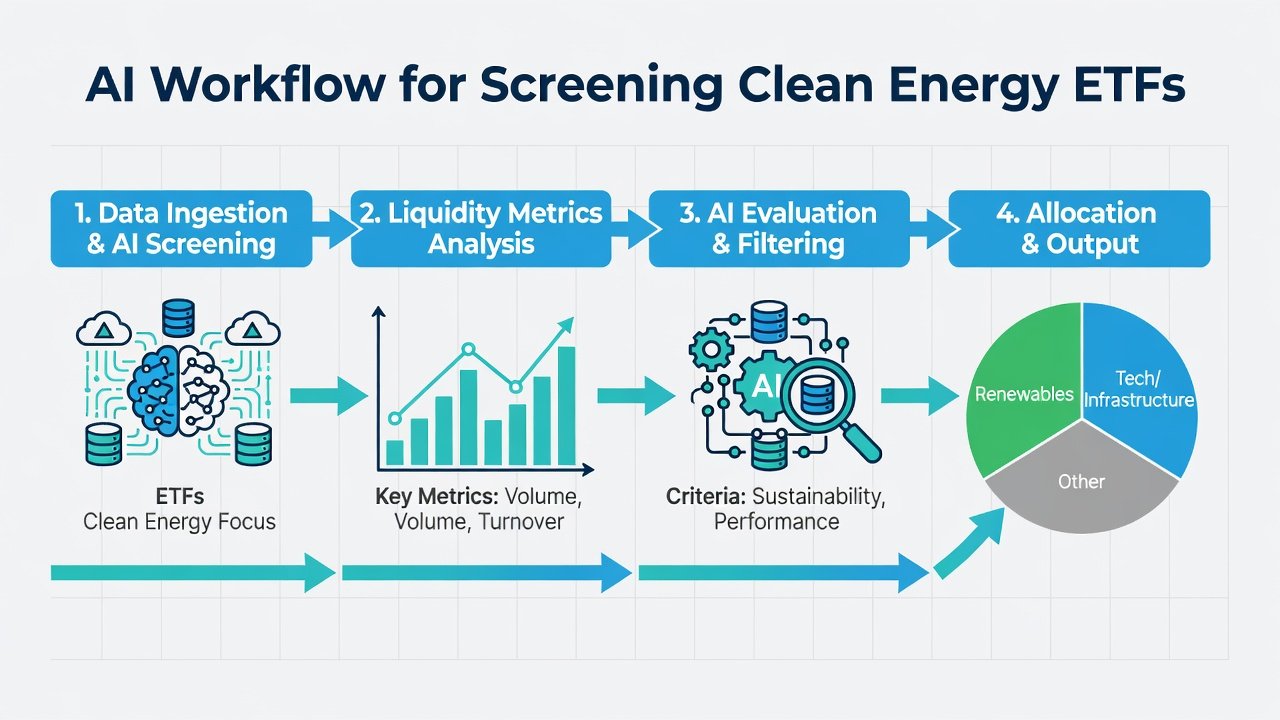
Clean energy workflows prioritize policy impact data, renewable adoption rates, and supply chain metrics for solar and wind components. Users customize thresholds for correlation with traditional energy indices while incorporating carbon transition scores. The process includes stress testing against subsidy changes and commodity price swings.
Both sectors benefit from iterative refinement. After initial screening, investors adjust weights based on AI-generated risk reports and then validate outputs manually. This produces balanced portfolios with sector tilts supported by data.
Real-World Case Studies Showing Performance Impact
A mid-sized advisory firm used AI screening to rebalance a tech-heavy portfolio in early 2026. By identifying lower-correlation index fund blends, the firm improved the portfolio Sharpe ratio by approximately 0.3 points over six months while maintaining sector exposure. Another case involved clean energy allocations where AI liquidity alerts helped avoid positions in thinly traded funds ahead of a policy announcement, preserving capital during a short-term sector dip.
A third example from a healthcare-focused investor demonstrated how correlation analysis prevented over-concentration in biotech ETFs. The AI flagged high overlap with broader market movements, prompting a shift toward more defensive pharmaceutical index funds. These cases illustrate measurable performance benefits from integrating AI insights with traditional allocation discipline.
Common Pitfalls to Avoid
- Over-reliance on historical data without incorporating forward-looking AI projections for emerging risks.
- Ignoring transaction costs and tax implications in high-frequency rebalancing recommendations generated by tools.
- Neglecting integration with traditional fundamental analysis available from authoritative sources such as the U.S. Securities and Exchange Commission.
- Failing to cross-check AI outputs against educational materials on Investor.gov for regulatory context.
- Overlooking platform-specific biases in data sources, which can be mitigated by using multiple tools and the Federal Reserve economic data feeds.
Integrating AI with Traditional Screening Methods
Best results come from hybrid approaches that combine AI speed with human oversight. Use AI for rapid initial screening of thousands of funds, then apply qualitative judgment on factors like governance changes or geopolitical events. Regular backtesting against historical periods ensures model relevance amid 2026 market dynamics. Documentation of decisions also supports compliance and performance attribution reviews.
FAQ
How accurate is AI-generated ETF data in practice?
Accuracy depends on input quality, platform algorithms, and validation against regulatory filings, often reaching high reliability when cross-referenced with multiple sources.
Can AI fully replace traditional screening methods?
No. AI augments analysis significantly but does not replace fundamental research, advisor expertise, or ongoing market monitoring.
What sectors benefit most from AI-powered screening?
Tech, healthcare, and clean energy demonstrate strong results due to rapid data evolution and complex interdependencies that algorithms handle efficiently.
How often should investors rerun AI screening workflows?
Quarterly reviews aligned with earnings seasons and policy updates provide a practical cadence without excessive turnover.
Conclusion
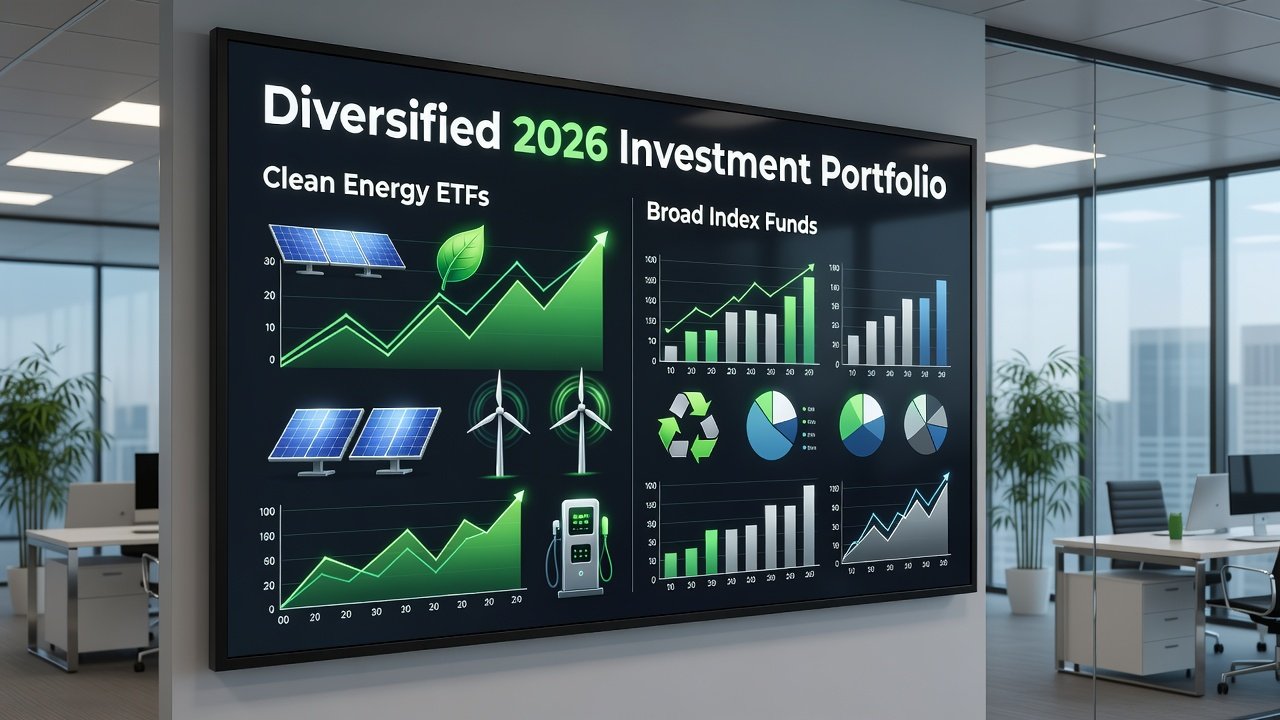
AI tools transform sector ETF and index fund selection in 2026 by delivering precise, multi-metric analysis at scale. Investors who combine these platforms with detailed workflows, case study insights, and hybrid methods gain competitive edges in portfolio construction and risk-adjusted performance.
No comments yet. Be the first!