 Bullish Portfolio
Introduction to Sustainable Sector ETFs and Index Fund Integration
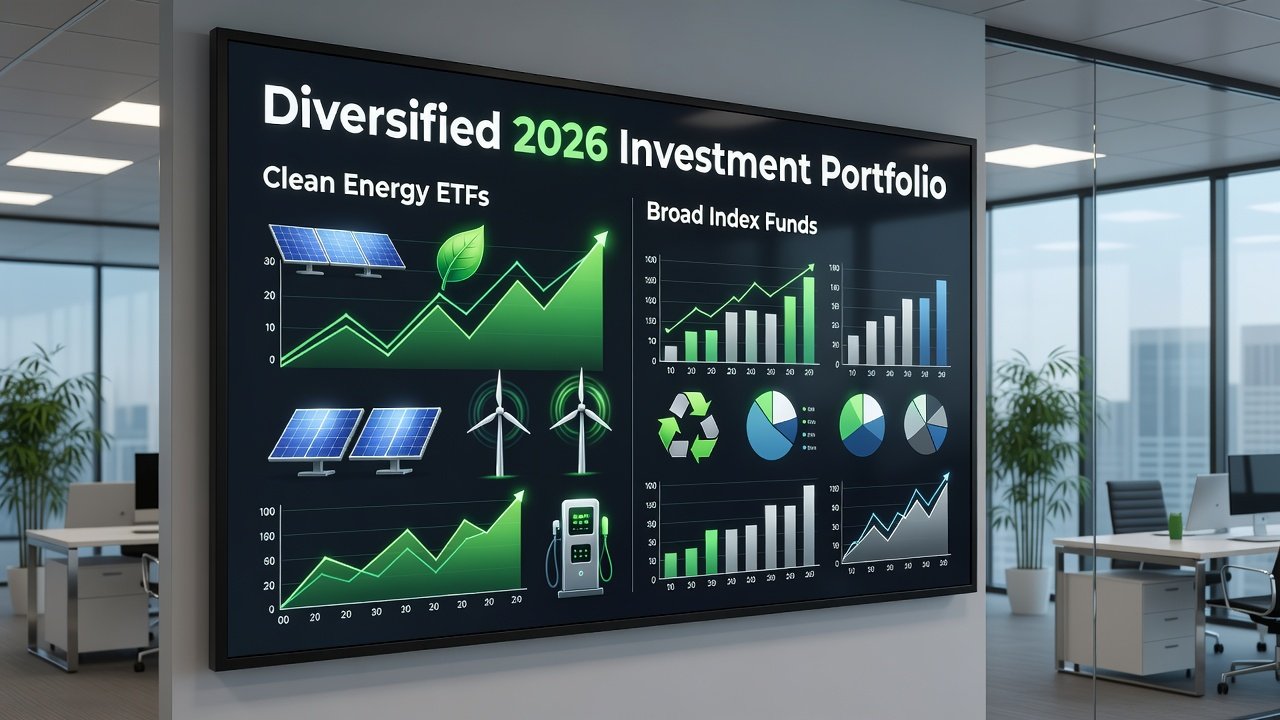
Building resilient portfolios in 2026 requires thoughtful integration of ESG-focused sector ETFs with traditional index funds. Investors seeking long-term growth amid economic uncertainty can benefit from combining clean energy and green tech ETFs with broad market indexes. This approach balances sustainability goals with diversification and stability while addressing evolving regulatory landscapes and investor preferences for responsible investing.
The strategy emphasizes data-driven decisions to navigate market volatility while aligning with environmental and social criteria. By blending these assets, portfolios can capture growth in emerging sustainable sectors without sacrificing core exposure to established markets. This guide explores practical methods to achieve that balance effectively.
Understanding ESG Sector ETFs and Core Index Funds
ESG sector ETFs target specific industries such as clean energy, green technology, and sustainable infrastructure. These funds screen companies based on environmental impact, social responsibility, and governance standards. Core index funds, by contrast, provide broad market exposure through low-cost tracking of benchmarks like the S&P 500 or total stock market indexes.
Integration allows investors to tilt portfolios toward high-potential sustainable areas while maintaining overall market participation. This hybrid model supports both thematic growth and foundational stability for 2026 planning. Understanding the distinctions helps in creating allocations that mitigate concentration risks inherent in sector-specific vehicles.
Key Selection Criteria for Sustainable ETFs
When evaluating ESG sector ETFs, focus on expense ratios, liquidity, underlying holdings quality, and alignment with specific sustainability themes. Assess the fund's methodology for ESG screening to ensure it matches your values and risk tolerance. Review historical tracking error against benchmarks and consider the fund provider's reputation for transparent reporting and stewardship.
Additional factors include sector concentration risks and dividend yields. Prioritize ETFs with strong assets under management for better trading efficiency during market swings. Examine carbon footprint metrics and exclusion criteria for controversial industries to refine choices further. Investors should also evaluate the index methodology, such as whether it uses positive screening for leaders or negative screening for laggards.
Allocation Models for Resilient 2026 Portfolios
Effective allocation models typically range from conservative to aggressive tilts. A balanced approach might dedicate 10-20% of equity exposure to sustainable sector ETFs, with the remainder in core index funds. More growth-oriented investors could increase sustainable allocations to 30% while monitoring overall volatility through regular portfolio reviews.
- Conservative model: Heavy core index weighting with modest clean energy exposure for stability during downturns.
- Moderate model: Equal emphasis on green tech ETFs and broad indexes for balanced growth across economic cycles.
- Aggressive model: Larger sustainable sector bets paired with tactical rebalancing to capitalize on policy-driven opportunities.
These models should adjust based on personal goals, time horizon, and market conditions. Practical implementation involves stress-testing allocations against various scenarios, including inflation spikes or supply chain disruptions affecting green technologies.
Performance Comparisons Against Traditional Benchmarks
Sustainable sector ETFs have shown varying performance relative to traditional indexes, often outperforming during periods of policy support for green initiatives. Core index funds deliver consistent market returns with lower tracking costs. Comparative analysis reveals that blended portfolios can reduce downside risk in certain cycles while capturing upside in thematic areas such as renewable energy adoption.
Long-term data indicates sustainable strategies may deliver competitive returns when paired with disciplined allocation, though short-term deviations occur based on economic factors like interest rates and commodity prices. Investors benefit from reviewing rolling returns and Sharpe ratios to understand risk-adjusted performance over multiple market regimes.
Step-by-Step Integration Tactics
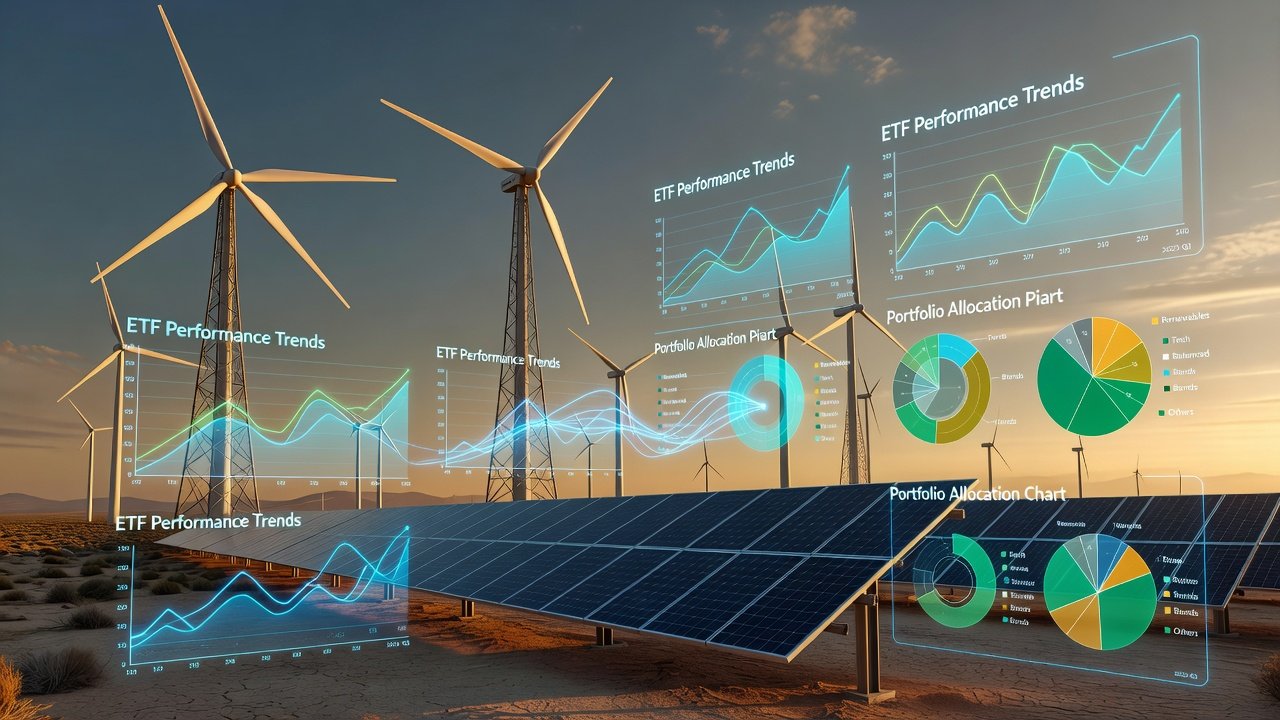
Begin by assessing your current portfolio allocation and risk profile through detailed asset class breakdowns. Next, research and select 2-3 ESG sector ETFs that complement your core holdings by analyzing holdings overlap and correlation data. Determine target percentages and implement changes gradually through dollar-cost averaging to minimize timing risks associated with market entry points.
Monitor integration quarterly, adjusting for drift caused by market movements. Use tax-advantaged accounts where possible to optimize efficiency. Document each decision with rationale tied to your investment policy statement for accountability and future reviews.
Real-World Examples of Top Sustainable ETFs
Popular options include funds focused on clean energy leaders and green technology innovators. These ETFs typically hold companies in solar, wind, electric vehicles, and energy efficiency sectors. Review their top holdings and sector breakdowns to ensure fit within your overall strategy, such as exposure to global supply chains for battery materials or semiconductor advancements in clean tech.
Examples often feature diversified baskets spanning North America, Europe, and Asia to capture regional policy differences. Cross-reference with core index funds to identify gaps in coverage, like underweight positions in emerging market sustainable infrastructure.
Risk Management Tips for Economic Cycles
During downturns, sustainable ETFs may experience heightened volatility due to sector concentration. Mitigate this by maintaining core index fund buffers and setting rebalancing rules that trigger at predefined thresholds. Diversify across multiple ESG themes rather than concentrating in one area like clean energy alone to spread exposure across wind, solar, and efficiency plays.
Stay informed on regulatory changes and macroeconomic indicators that influence green investments. Consider stress-testing your blended portfolio against historical cycle data from events like the 2008 financial crisis or post-pandemic recovery periods. Incorporate hedging instruments sparingly if needed for downside protection.
Data-Driven Screening Tools
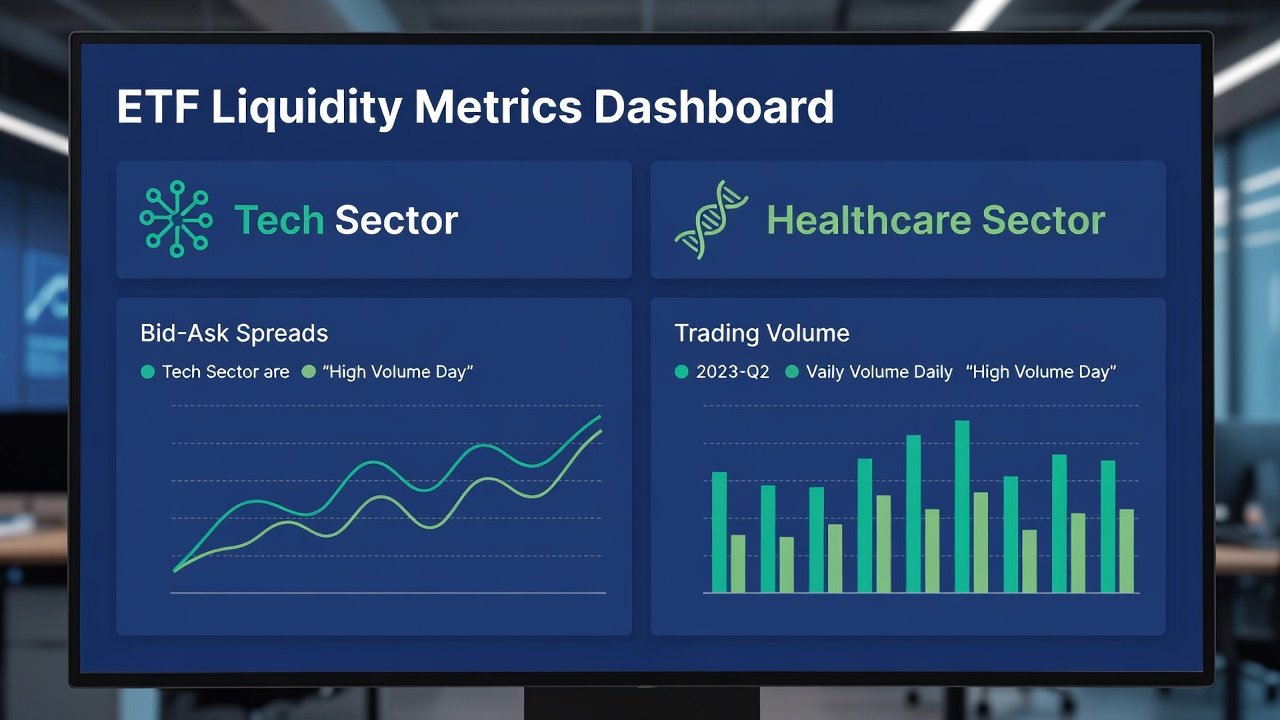
Investors can leverage platforms from major providers and independent research firms for ESG scoring and portfolio analytics. Tools that aggregate company-level sustainability metrics help refine ETF selections by providing standardized scores on emissions, labor practices, and board diversity. Combine these with standard financial screeners for comprehensive evaluation of liquidity and expense metrics.
Advanced users may integrate third-party databases to simulate forward-looking scenarios, including climate risk modeling for long-term resilience in 2026 and beyond.
Common Pitfalls to Avoid
Avoid over-allocating to trendy sustainable themes without proper research into underlying business models. Watch for greenwashing in fund prospectuses and ensure true ESG integration rather than superficial labeling. Do not neglect rebalancing or ignore tax implications during integration, as frequent trading can erode returns.
Steer clear of chasing past performance without forward-looking analysis of sector fundamentals and competitive landscapes. Always verify data sources for accuracy before making allocation shifts.
Conclusion
Integrating sustainable sector ETFs with core index funds offers a forward-looking path for 2026 portfolios. Through careful selection, strategic allocation, and ongoing risk management, investors can build resilient strategies that support both financial goals and sustainability priorities while adapting to changing market dynamics.
FAQ
How do sustainable ETFs impact tax efficiency?
Many ESG ETFs qualify for favorable tax treatment in taxable accounts when held long-term, similar to traditional index funds. Distributions may include qualified dividends, but investors should review turnover rates. Consult tax professionals for personalized guidance on capital gains and dividend distributions, referencing resources from the Internal Revenue Service.
What rebalancing frequency works best for long-term investors?
Annual or semi-annual rebalancing often suffices to maintain target allocations without excessive trading costs. Adjust based on significant market shifts or life changes, and track deviations using simple spreadsheets or portfolio software for disciplined execution.
Are there specific regulatory considerations for ESG funds?
Funds must adhere to disclosure rules enforced by bodies like the U.S. Securities and Exchange Commission. Review prospectuses for compliance details on ESG claims and potential future standards.
How do economic cycles affect sustainable sector performance?
Policy support and technological advances can boost these sectors during expansion phases, while interest rate changes may introduce volatility. The Federal Reserve provides relevant economic data for monitoring cycle impacts on investment decisions.

No comments yet. Be the first!