 Bullish Portfolio

Introduction to Neurotech Growth Opportunities
Neurotechnology is emerging as a transformative sector, with brain-computer interfaces (BCIs), neural implants, and cognitive enhancement tools positioning for rapid expansion by 2026. Investors seeking growth stocks in this space are drawn to the potential for explosive adoption across healthcare, productivity, and human augmentation applications. Unlike broader biotech or AI sectors, neurotech focuses specifically on direct neural interfaces and signal processing hardware that bridge the gap between the human brain and external devices.
Market drivers include advancing miniaturization of implants, improved signal fidelity, and increasing regulatory clarity that together create a fertile environment for innovation. Projections indicate the global neurotech market could see substantial compound annual growth rates through the decade, fueled by clinical successes and consumer device launches. This forward-looking outlook makes 2026 a pivotal year for early investors who understand the underlying technologies and competitive landscape.
Key Market Drivers Behind Neurotech Adoption
Several factors are accelerating neurotech's trajectory toward 2026. First, technological breakthroughs in electrode materials and wireless data transmission enable safer, more effective devices that reduce surgical risks and improve long-term patient outcomes. Second, demographic shifts such as aging populations increase demand for treatments addressing neurological conditions like Parkinson's disease, epilepsy, and spinal cord injuries. Third, venture capital inflows and corporate R&D investments signal strong momentum from both specialized startups and established players.
Additional drivers include rising interest in cognitive enhancement for healthy individuals, such as tools that boost focus or memory through non-invasive headsets. Supply chain improvements for biocompatible materials further support scalable manufacturing. These elements combine to create a multi-billion-dollar opportunity that extends beyond medical applications into enterprise and consumer markets.
Regulatory Milestones Shaping the Sector
Regulatory milestones play a pivotal role in determining which companies will lead by 2026. The U.S. Food and Drug Administration has streamlined pathways for breakthrough devices, shortening approval timelines for innovative implants. Similarly, international bodies are aligning standards to facilitate global commercialization, while the National Institutes of Health continues to fund foundational research that de-risks early-stage development.
Recent policy updates emphasize patient safety data and cybersecurity protocols for connected implants. Companies that successfully navigate these requirements gain significant first-mover advantages. Investors should track public announcements from regulatory agencies closely, as positive decisions often trigger sharp stock movements in the neurotech space.
Leading Company Profiles and Financial Metrics
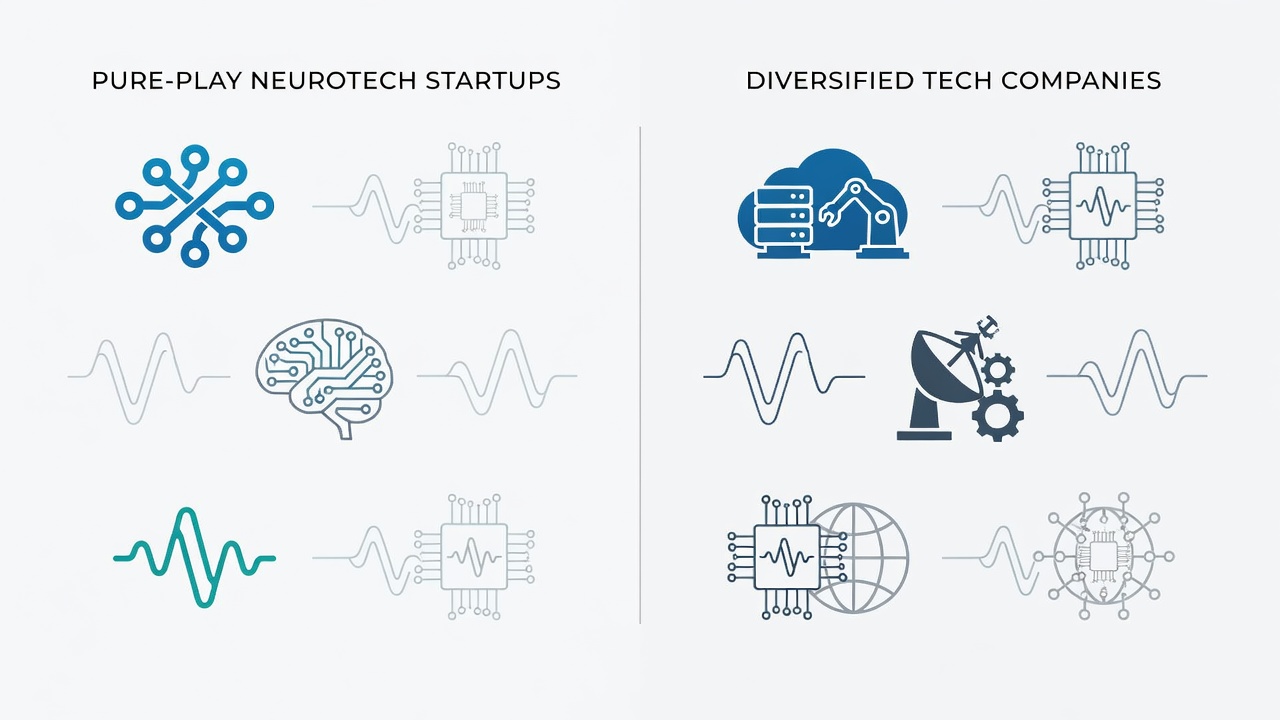
Pure-play neurotech firms offer targeted exposure, while diversified tech giants provide stability through adjacent innovations. Pure-plays typically focus exclusively on neural interfaces, carrying higher volatility but greater upside potential. Diversified players integrate neurotech elements into broader portfolios, reducing risk through diversified revenue streams.
Examples of pure-play candidates include early-stage public entities with core BCI platforms that report high R&D spend relative to revenue and strong clinical trial pipelines. Diversified options encompass companies with established medical device divisions expanding into neural tech, often showing steady cash flow from legacy products that fund new initiatives. Investors should review metrics such as revenue growth, R&D expenditure ratios, and cash runway when evaluating these stocks, paying particular attention to quarterly updates on trial progress and partnership announcements.
Pure-Play Neurotech Firms vs. Diversified Tech Giants
Comparing the two approaches reveals distinct investment profiles. Pure-play companies often demonstrate higher beta to sector news but face execution risks around clinical trials and scaling manufacturing. Diversified giants benefit from cross-subsidy from other divisions and established distribution channels that can accelerate market entry.
- Pure-play advantages: Direct alignment with neurotech breakthroughs; potential for outsized returns on successful product launches; focused management teams with deep domain expertise.
- Pure-play risks: Limited revenue diversification; dependency on single-product pipelines; vulnerability to funding droughts during extended trial periods.
- Diversified advantages: Broader revenue streams; proven regulatory navigation experience; ability to bundle neurotech solutions with existing hardware ecosystems.
- Diversified risks: Neurotech contributions may be diluted within overall corporate performance; slower decision-making due to bureaucratic layers.
Valuation methods for these stocks include discounted cash flow models emphasizing future adoption curves and comparable company analysis using enterprise value to projected revenue multiples. Practical investors often combine both approaches while factoring in intellectual property strength and partnership quality.
Risk Factors for Neurotech Investors
Investing in neurotech growth stocks involves notable risks that require careful consideration. Technical hurdles such as long-term biocompatibility and data security concerns could delay timelines or lead to product recalls. Market adoption may hinge on reimbursement policies from insurers and ethical debates surrounding cognitive enhancement for non-medical uses. Geopolitical factors affecting supply chains for specialized components also warrant monitoring, as do potential shifts in government funding priorities.
Additional risks include clinical trial failures, competitive patent disputes, and slower-than-expected consumer acceptance of invasive devices. Beginners should diversify across multiple holdings and consider dollar-cost averaging to mitigate volatility while building positions gradually.
Practical Valuation Methods and Entry Strategies
Effective valuation starts with assessing clinical pipeline progress and intellectual property strength. Forward-looking metrics like projected 2026 user adoption rates help contextualize current pricing. Common mistakes include overemphasizing short-term clinical trial results without considering commercialization hurdles or manufacturing scalability.
Practical steps for entry include the following: First, review quarterly filings with the U.S. Securities and Exchange Commission for cash positions and burn rates. Second, monitor regulatory announcements for breakthrough designations. Third, consult sector-specific analyst reports and attend investor conferences focused on medtech. Fourth, build a watchlist of three to five companies across pure-play and diversified categories. Timelines for meaningful returns may span 3-5 years given typical development cycles, making patience and ongoing education essential.
2026 Projections and Forward-Looking Considerations
By 2026, analysts anticipate multiple commercial launches of next-generation BCIs with improved wireless capabilities and lower power consumption. These advancements could open new markets in rehabilitation, gaming, and workplace productivity. Investors positioned early in companies with robust clinical data and manufacturing partnerships stand to benefit most from the anticipated adoption wave. However, success will depend on continued collaboration between regulators, clinicians, and technologists to address safety and accessibility concerns.
FAQ: Common Questions on Neurotech Stock Entry Points and Timelines
When is the best time to enter neurotech growth stocks?
Ideal entry points often follow positive regulatory updates or major funding rounds, though dollar-cost averaging reduces timing pressure and allows investors to build positions across market fluctuations.
How long until widespread 2026 adoption?
Commercial launches of consumer-grade devices are anticipated in select markets by late 2026, with broader availability following additional clinical data and reimbursement approvals in key regions.
What distinguishes neurotech from related sectors?
Neurotech emphasizes hardware interfaces with the nervous system, separate from pharmaceutical developments or general software algorithms, creating a unique risk-reward profile for growth-oriented portfolios.
How should beginners approach due diligence?
Start by studying peer-reviewed publications on BCI efficacy, then examine company pipelines for milestone achievements before committing capital.
Conclusion
Neurotech growth stocks represent a compelling opportunity for 2026, supported by technological convergence, regulatory progress, and expanding clinical applications. By understanding company profiles, risks, valuation approaches, and entry strategies, investors can position portfolios for potential gains in this emerging field. Always conduct thorough due diligence and consider professional financial advice before investing, as the sector's high-growth potential comes with commensurate uncertainties.


No comments yet. Be the first!