 Bullish Portfolio

Introduction to Sports Tech Investment Opportunities
The sports technology sector is emerging as a high-growth niche for investors looking beyond traditional markets in 2026. With rising global health awareness and technological advancements, companies developing wearable devices, smart fitness equipment, and digital training platforms are positioned for substantial revenue expansion. This guide examines the key drivers, top stock candidates, valuation considerations, and practical evaluation methods to help investors identify bullish opportunities in this space. Health consciousness has accelerated post-pandemic, encouraging more individuals to adopt tech-enabled fitness solutions. As a result, sports tech firms are integrating AI, data analytics, and IoT to create personalized experiences that boost user engagement and recurring revenue streams. Investors seeking differentiation from saturated sectors like traditional tech or energy will find sports tech particularly compelling because it combines consumer trends with enterprise applications in professional athletics and corporate wellness programs.
Beyond consumer gadgets, the industry benefits from partnerships with sports leagues that generate high-margin data licensing deals. This creates multiple revenue layers that can weather economic cycles better than pure hardware plays. The 2026 outlook appears constructive as hybrid fitness models continue gaining traction among both recreational users and elite athletes who rely on precise performance analytics.
Key Market Drivers Shaping 2026 Growth
Several factors are fueling expansion in sports tech. Wearable devices continue to dominate, offering real-time biometric tracking that appeals to both athletes and casual users. Smart equipment, such as connected treadmills and resistance machines, enables immersive home workouts with performance metrics. Digital training platforms leverage subscriptions and app ecosystems for scalable growth. Broader economic trends like increasing disposable incomes in emerging markets and corporate wellness programs further support demand. Integration with telehealth and preventive care models adds another layer of opportunity, as fitness data informs medical decisions.
- Advancements in sensor technology improving accuracy and battery life, allowing longer continuous monitoring sessions during training
- AI-driven personalization enhancing user retention rates through adaptive workout recommendations based on individual progress
- Partnerships between tech firms and professional sports leagues that validate product efficacy and open new B2B revenue channels
- Growing emphasis on mental wellness through guided meditation and recovery tools integrated into the same platforms
- Expansion of 5G networks enabling seamless real-time data syncing across devices and cloud services
These drivers collectively create a compounding effect where hardware sales seed recurring software revenue, making the overall business model more resilient. For example, companies that successfully embed their devices into professional team protocols often see elevated consumer adoption as fans emulate their favorite athletes.
Top Bullish Stock Picks in Sports Tech
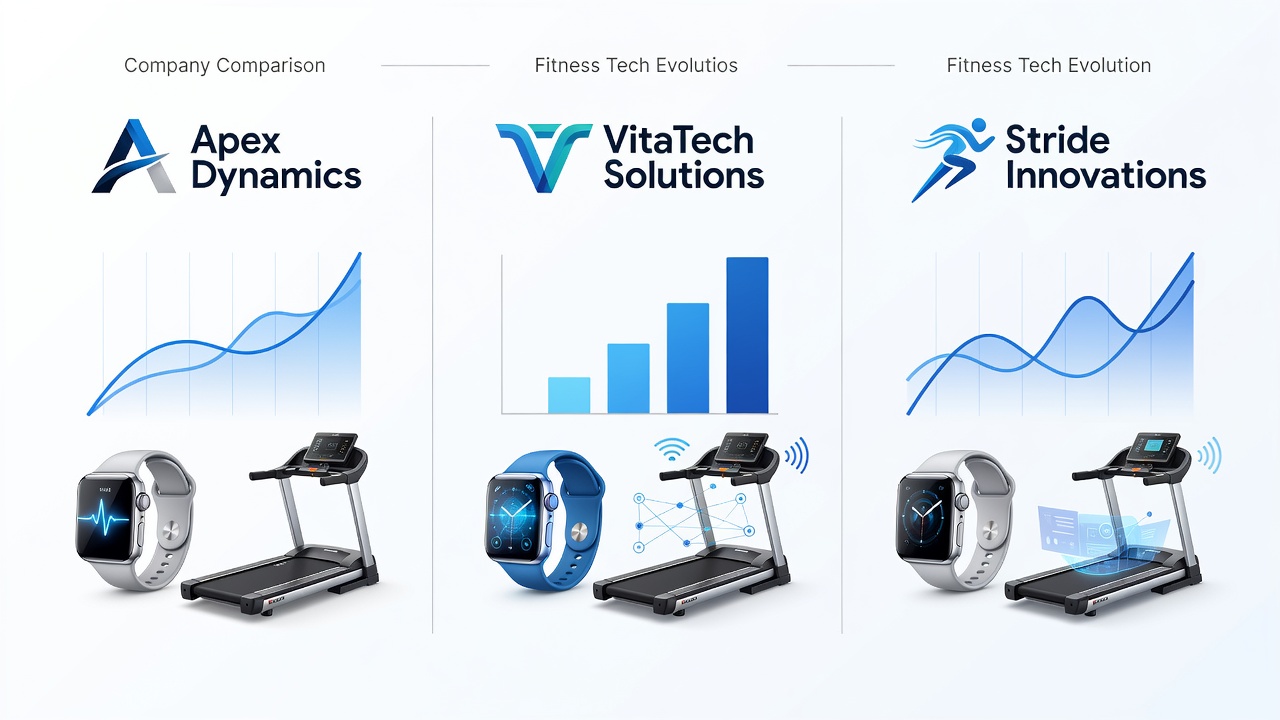
Several established and emerging companies stand out for their innovation pipelines and market positioning. Comparisons often focus on revenue growth projections, market share in wearables versus equipment, and diversification into B2B solutions like gym management software. One leader excels in wearable ecosystems with strong brand loyalty and ecosystem lock-in through companion apps that aggregate data across multiple device types. Another focuses on premium smart equipment, benefiting from hybrid gym models that combine physical and virtual training sessions. A third player leverages data platforms for professional teams, creating high-margin software revenue alongside hardware sales.
Valuation metrics such as forward price-to-earnings ratios and revenue multiples highlight relative attractiveness, with firms demonstrating consistent double-digit growth outpacing broader market averages. Investors should compare balance sheets for cash reserves that fund R&D amid competitive pressures. Real-world examples include firms that expanded their product lines into youth sports analytics, tapping an underserved demographic while building long-term user relationships. Others have integrated sustainability features, such as recyclable materials in wearables, which resonates with environmentally conscious consumers and can support premium pricing power over time.
When evaluating these picks, consider how each company balances hardware margins with software stickiness. Those with robust developer ecosystems tend to create stronger moats because third-party apps increase overall platform value without proportional increases in internal development costs.
Valuation Metrics and Company Comparisons
Understanding valuation requires looking beyond simple multiples to factors like customer acquisition cost relative to lifetime value and the pace of new feature rollouts. Companies with lower churn in their subscription segments often command higher multiples because predictable recurring revenue reduces overall risk. Comparing two leading firms side by side might reveal one with superior international distribution networks while the other maintains tighter control over its supply chain, affecting gross margins differently during periods of component shortages.
Practical comparisons also involve reviewing patent filings to gauge future technological leadership. Firms investing heavily in machine learning algorithms for injury prediction, for instance, may enjoy longer competitive advantages than those focused solely on basic activity tracking.
Step-by-Step Criteria for Evaluating Sports Tech Stocks
Building a disciplined approach helps navigate this volatile sector. Follow these practical steps:
- Assess revenue diversification by examining hardware versus subscription contributions to identify stability during hardware sales slowdowns.
- Review user engagement metrics like monthly active users and churn rates from earnings reports to gauge product stickiness.
- Analyze competitive moats through patent portfolios and exclusive league partnerships that create barriers to entry for newcomers.
- Evaluate supply chain resilience, especially for semiconductor-dependent devices, by checking geographic diversification of manufacturing partners.
- Compare historical and projected growth against sector benchmarks from reliable financial databases to spot outliers.
- Examine management commentary on capital allocation priorities during earnings calls for insight into long-term strategy execution.
- Monitor regulatory developments around health data privacy that could impact product roadmaps and compliance costs.
Real-world examples include companies that pivoted successfully during supply disruptions by localizing manufacturing, resulting in improved margins. Others expanded into corporate wellness contracts, illustrating how B2B channels stabilize earnings. Investors applying these criteria consistently can better distinguish between short-term hype and sustainable growth stories.
Aligning with Economic Trends and Health Awareness
Rising health awareness, supported by global initiatives, directly benefits sports tech adoption. Organizations such as the World Health Organization emphasize physical activity guidelines that align with tech-enabled tracking. Similarly, resources from the Centers for Disease Control and Prevention highlight preventive fitness benefits that encourage device usage. These trends intersect with economic recovery patterns, where consumers prioritize wellness spending. Investors can monitor macroeconomic indicators like consumer confidence indices for timing entries into sports tech equities. Additional authoritative perspectives come from institutions tracking occupational health trends that increasingly incorporate fitness technology into workplace programs.
Risks, Mitigation Strategies, and Portfolio Considerations
While growth prospects are attractive, investors must account for risks including rapid technological obsolescence, intense competition from larger electronics conglomerates, and sensitivity to discretionary consumer spending. Mitigation involves diversifying across multiple sports tech sub-sectors and maintaining position sizes that allow for volatility without portfolio disruption. Pairing these holdings with more defensive sectors can further balance overall risk exposure.
Conclusion and Risk Management
Sports tech stocks offer compelling growth potential for 2026 when selected with rigorous analysis. By focusing on innovation leaders and applying structured evaluation, investors can capitalize on this niche while managing exposure. The sector rewards those who combine fundamental research with awareness of evolving consumer health priorities.
Frequently Asked Questions
How volatile are sports tech stocks? The sector experiences fluctuations tied to product launch cycles and consumer spending shifts, though diversified portfolios can mitigate impacts through careful allocation across hardware and software revenue streams.
What allocation makes sense for a balanced portfolio? Consider limiting sports tech exposure to a modest percentage of equity holdings, adjusting based on individual risk tolerance and time horizon while monitoring correlation with broader market movements.
Are there regulatory risks to monitor? Data privacy regulations affecting wearable health metrics require ongoing compliance attention from portfolio companies, potentially influencing future product development timelines.
How do economic downturns affect the sector? During slower economic periods, subscription-based models often prove more resilient than pure hardware sales, providing a buffer for well-diversified companies in the space.


No comments yet. Be the first!