 Bullish Portfolio

Introduction to the Booming Pet Care Sector
The pet care industry continues to demonstrate remarkable resilience and growth potential heading into 2026. Investors seeking bullish stocks are increasingly turning to this sector due to sustained demand from pet owners who treat animals as family members. This article examines key market drivers, highlights top growth picks across pet food, veterinary services, and e-commerce, and provides practical tools for evaluation. Beyond surface-level trends, understanding the underlying consumer behaviors and technological advancements helps investors make informed decisions in a competitive landscape. The sector benefits from demographic shifts, including younger generations prioritizing pet wellness, and economic factors that support premium spending even during moderate downturns.
Key Market Drivers Fueling Growth
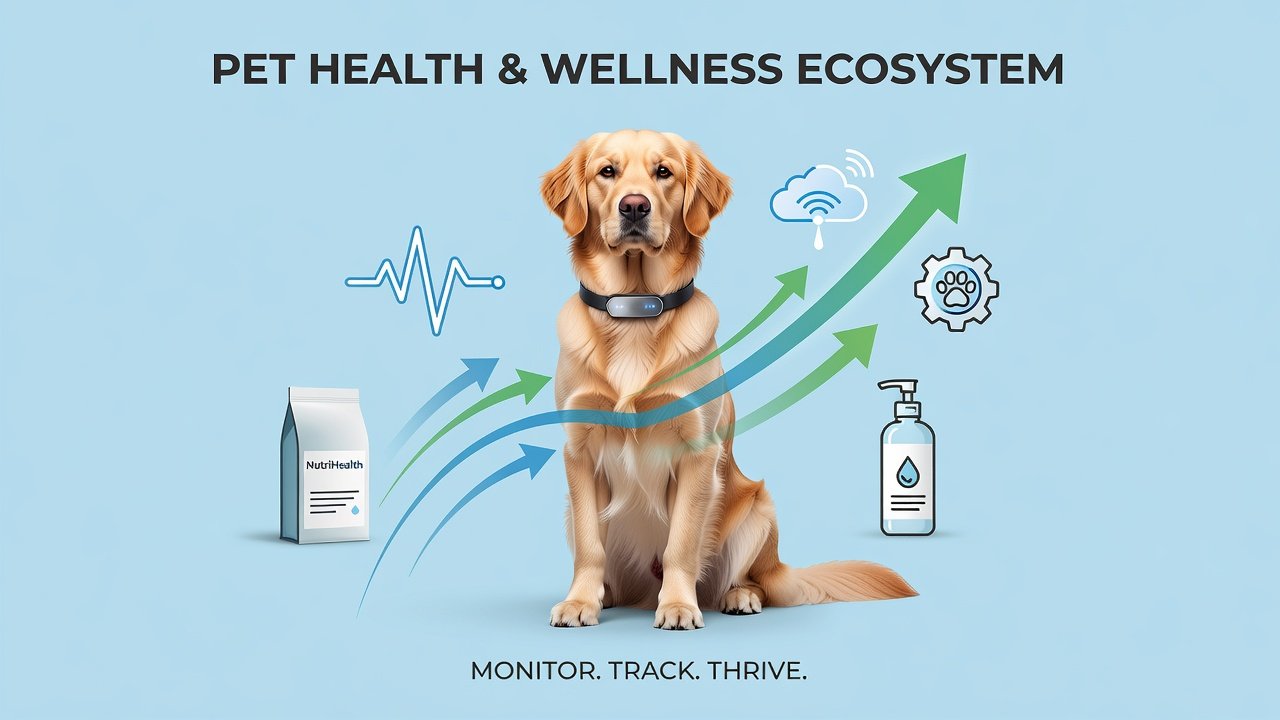
Rising pet ownership rates remain a primary catalyst. More households are adopting pets, fueled by lifestyle shifts and emotional benefits. Premiumization trends see consumers spending more on high-quality nutrition, grooming, and wellness products. Technology integration, including wearable health monitors and AI-driven diagnostics, is transforming the landscape and creating new revenue streams for innovative companies. Additional drivers include increasing urbanization that favors smaller pets suited to apartment living, alongside greater awareness of pet mental health and preventive care. Regulatory support for safe ingredients and international trade expansions also contribute to scalable opportunities. These factors combine to create a favorable environment for both established players and emerging innovators. ASPCA resources highlight ongoing trends in companion animal welfare that support long-term industry expansion.
Top Stock Picks in Pet Food and Nutrition
In the pet food segment, companies focusing on natural and specialized diets stand out. Large-cap names offer stability with diversified portfolios, while smaller innovators target niche markets like grain-free or functional foods. Growth forecasts point to continued premium segment expansion as owners prioritize health-focused options. For instance, established manufacturers leverage extensive supply chains to introduce limited-ingredient recipes and sustainable sourcing practices that appeal to environmentally conscious buyers. Smaller firms often differentiate through direct-to-consumer channels or novel protein sources such as insect-based or plant-derived alternatives. Investors should examine earnings reports for indicators of volume growth alongside pricing power in the premium tier. Case studies from leading brands show how subscription-based delivery models reduce customer acquisition costs and improve lifetime value. This segment rewards companies that adapt quickly to dietary trends backed by veterinary recommendations.
Established Large-Cap Examples
Companies with broad distribution networks and strong brand loyalty provide defensive growth characteristics. Their scale allows investment in research and development for next-generation products, including fortified foods that address specific health concerns like joint support or digestive health. These firms often report consistent margins due to economies of scale and global brand recognition.
Innovative Smaller Players
Emerging firms often lead in specialized formulations or direct-to-consumer models. These can deliver higher growth rates but come with increased volatility compared to blue-chip peers. Examples include startups pioneering personalized nutrition based on genetic testing of pets, which could disrupt traditional mass-market approaches over the coming years.
Veterinary Services and Health Tech Stocks
Veterinary care represents another high-potential area. Providers integrating telehealth and advanced diagnostics benefit from rising wellness visits. Wearable monitors that track activity, heart rate, and location appeal to tech-savvy owners and create recurring revenue through data services. Public companies in this space range from large pharmaceutical suppliers serving animal health to specialized clinics expanding via acquisitions. Practical growth comes from partnerships between tech firms and traditional practices, enabling remote monitoring that reduces emergency interventions. Investors evaluating these stocks should consider regulatory pathways for new devices and the adoption rates among veterinarians. Expansion into emerging markets where pet ownership is rising rapidly offers additional upside potential.
E-Commerce Platforms for Pet Products
Online retailers dominate convenience-driven shopping. Subscription models for recurring deliveries of food, treats, and supplies enhance customer retention and predictable cash flows. Integration with mobile apps and loyalty programs further strengthens competitive positions. Success stories illustrate how seamless checkout experiences and personalized recommendations based on purchase history drive higher average order values. Companies that optimize logistics for perishable items or bulky supplies gain advantages in customer satisfaction scores. This channel also benefits from data analytics that predict inventory needs and minimize waste.
Comparing Large-Cap vs. Smaller Growth Stocks
Large-cap stocks typically feature lower volatility, established dividends, and global reach. Smaller players may offer faster revenue growth through disruptive technologies but require careful risk assessment. Investors should balance portfolios with both categories for diversification. A detailed comparison reveals that large-caps excel in navigating supply chain challenges thanks to vertical integration, whereas smaller entities often pioneer breakthroughs in areas like probiotic supplements or smart collars. Portfolio allocation strategies might involve weighting toward larger firms during uncertain economic periods while allocating smaller portions to high-growth names with strong intellectual property. Historical performance patterns suggest that blending both types mitigates sector-specific downturns.
Simple Checklist for Evaluating Bullish Pet Care Stocks
Evaluating opportunities requires a systematic approach that goes beyond basic financial ratios. Here is an expanded checklist with practical considerations:
- Review revenue growth trends over the past three years and compare against industry averages. Look for consistent double-digit increases driven by organic expansion rather than acquisitions alone.
- Assess profit margins, focusing on gross margins in premium product lines. Higher margins often signal successful differentiation through branding or proprietary formulations.
- Evaluate debt levels and cash flow stability to ensure resilience during economic shifts. Companies with strong free cash flow can fund innovation without excessive borrowing.
- Analyze market share in key segments like e-commerce or veterinary services. Dominant positions create barriers to entry for competitors.
- Consider management track record and innovation pipeline, including tech integrations. Leadership with prior successes in scaling consumer brands adds credibility.
- Examine valuation multiples relative to growth forecasts for 2026 and beyond. Compare price-to-earnings ratios against peers to identify potential undervaluation.
Applying this checklist helps filter out hype-driven names and focus on fundamentally sound investments. Regular updates to these metrics through quarterly filings ensure ongoing relevance.
FAQ: Risks and Entry Strategies
What are the main risks in pet care investing?
Key risks include regulatory changes in pet food standards, competition from private labels, and economic sensitivity affecting discretionary spending. Supply chain disruptions can also impact margins. Additional concerns involve shifting consumer preferences toward homemade diets or potential recalls that damage brand trust. Investors must monitor legislative developments in animal welfare and ingredient sourcing that could raise compliance costs.
How should investors approach entry points?
Dollar-cost averaging into positions during market dips helps mitigate timing risk. Focus on companies with strong fundamentals and monitor quarterly earnings for signs of sustained momentum. Consider pairing stock purchases with broader sector ETFs for balanced exposure. Timing entries around earnings seasons or product launch announcements can enhance returns when positive surprises occur.
Are there sector-specific considerations for 2026?
Watch for advancements in personalized nutrition and regulatory approvals for new health technologies. Diversification across sub-sectors reduces exposure to any single trend. Geopolitical factors affecting raw material imports, such as proteins from overseas suppliers, warrant attention. Long-term holders should also factor in demographic tailwinds from aging pet populations requiring specialized care products.
Conclusion
The pet care sector offers compelling opportunities for growth-oriented investors in 2026. By understanding market drivers, evaluating specific stock categories, and applying structured checklists, investors can identify promising bullish picks while managing risks effectively. This space rewards those who combine fundamental analysis with awareness of evolving consumer preferences and technological shifts. Staying informed through industry reports and earnings calls positions investors to capitalize on sustained tailwinds in this resilient market.


No comments yet. Be the first!