 Bullish Portfolio

Introduction to Longevity Stocks in 2026
The longevity sector continues to attract significant investor attention as biotech innovators develop therapies that address the root causes of aging rather than individual symptoms. With populations worldwide growing older at unprecedented rates, companies focused on gene therapy, senolytics, and cellular rejuvenation stand poised for substantial expansion through 2026 and beyond. This comprehensive guide examines the core market drivers, methods for evaluating financial health in high-growth biotech names, head-to-head comparisons of leading approaches, recent IPO case studies, and a detailed beginner checklist for identifying promising opportunities.
Key Market Drivers Fueling Growth
Demographic shifts represent the most powerful tailwind. According to projections from the World Health Organization, the global population aged 60 and older will double by 2050, creating sustained demand for therapies that extend healthspan. Regulatory support has also strengthened, with the FDA granting more breakthrough designations for age-related conditions. Scientific progress in areas such as senescent cell clearance, mitochondrial repair, and CRISPR-based gene editing is translating into clinical-stage assets that could reach commercialization windows within the next several years. These factors combine to create a favorable environment for bullish longevity stocks, though investors must remain mindful of typical biotech volatility tied to trial outcomes.
Evaluating Financial Metrics for Longevity Growth Stocks
Traditional valuation tools require adaptation when analyzing pre-revenue biotech companies. Focus first on cash runway and burn rate, which indicate how many quarters of operations are funded before additional capital raises become necessary. Next, review the depth and breadth of clinical pipelines, noting the number of programs in Phase 2 or later and any strategic partnerships with established pharmaceutical firms that provide milestone payments. Intellectual property portfolios, including patent expirations and freedom-to-operate analyses, offer insight into long-term competitive moats. Investors should also track upcoming catalysts such as data readouts, regulatory submissions, or new financing rounds. Qualitative assessment of management teams with prior successful exits or deep experience in drug development further refines the selection process. By combining these quantitative and qualitative lenses, investors can better distinguish durable growth stories from speculative plays.
Comparing Top Contenders in Gene Therapy and Senolytics
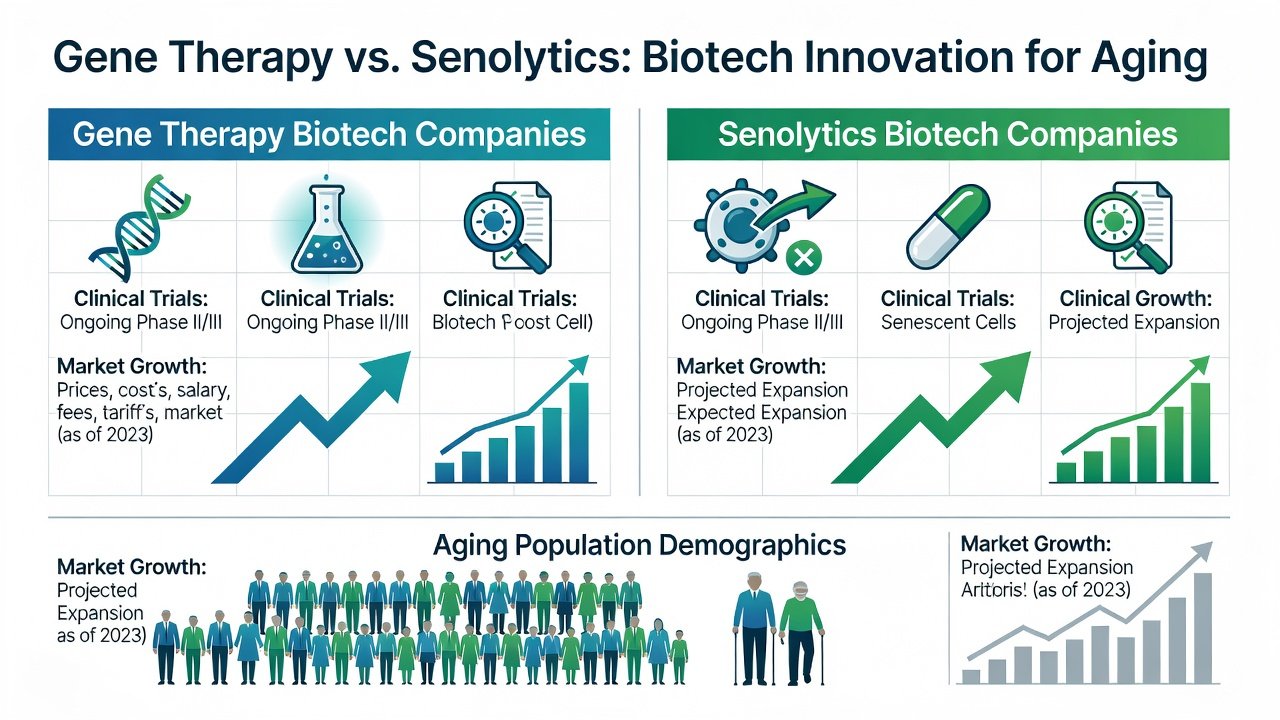
Gene therapy platforms aim to correct genetic defects or introduce protective genes that slow cellular aging processes. These approaches often target tissues such as muscle, liver, or neural cells and require precise delivery vectors. In contrast, senolytics focus on selectively clearing senescent cells that accumulate with age and drive chronic inflammation. Clinical timelines differ: gene therapy candidates frequently involve single-administration treatments with durable effects, while senolytic regimens may require periodic dosing. Both modalities face manufacturing scale-up challenges and immunogenicity risks, yet each offers distinct advantages depending on the target indication. Comparing pipeline maturity, partnership quality, and addressable patient populations helps investors identify which subsector aligns best with their risk tolerance and investment horizon.
Real-World Case Examples of Recent IPOs
Recent longevity-focused IPOs provide instructive examples of how market reception evolves after debut. Several companies entered public markets with strong institutional backing and initial price pops driven by sector enthusiasm. Post-listing performance has varied based on clinical progress, with some names experiencing sharp corrections after mixed trial data while others sustained gains on positive regulatory feedback. These cases underscore the importance of monitoring post-IPO lock-up expirations and subsequent equity offerings. They also illustrate how early investors who conduct thorough due diligence on pipeline catalysts can navigate volatility more effectively than those reacting solely to headline sentiment.
Beginner-Friendly Checklist for Screening Bullish Opportunities
A structured screening process helps new investors avoid common pitfalls in the longevity space. Begin by confirming the company maintains a diversified pipeline spanning multiple aging hallmarks rather than relying on a single asset. Next, verify sufficient cash reserves to reach key clinical milestones without immediate dilution pressure. Examine recent 10-Q or 10-K filings for R&D expense trends and any collaboration revenue. Review analyst reports and institutional ownership patterns to gauge professional sentiment. Confirm the presence of regulatory incentives such as fast-track or orphan-drug designations that can accelerate review timelines. Compare enterprise value against peer benchmarks using available public data. Finally, assess leadership experience in advancing therapies from bench to market. Applying this checklist systematically reduces emotional decision-making and improves the odds of selecting resilient growth candidates.
Additional Considerations: Risks, Timelines, and Portfolio Integration
Longevity stocks carry elevated risks, including binary clinical outcomes, lengthy development cycles, and potential shifts in healthcare policy. Investors should size positions modestly within a broader portfolio and consider dollar-cost averaging to manage entry points. Timelines to meaningful revenue often stretch into 2027 or later, meaning these holdings function best as satellite positions rather than core holdings. Monitoring scientific conferences and publications from organizations such as the National Institutes of Health provides early signals of emerging breakthroughs. Pairing longevity exposure with more stable healthcare or technology names can balance overall portfolio volatility while capturing upside from demographic and innovation trends.
FAQ: Addressing Investor Concerns on Volatility and Timelines
How volatile are longevity stocks?
These equities frequently experience large price swings around clinical data releases or regulatory announcements. Position sizing and ongoing news monitoring help mitigate downside surprises.
What timelines should investors expect for returns?
Most advanced programs remain in mid-stage trials, with potential product launches still several years away. Revenue visibility may first appear through milestone payments from partners rather than direct sales.
Are there risks from regulatory changes?
While current policies favor innovation, future adjustments in approval standards or reimbursement rules could extend development timelines. Diversification across subsectors and geographies provides a buffer.
How should beginners start investing in this sector?
Begin with exchange-traded funds that hold multiple biotech names, then gradually add individual stocks after building familiarity with clinical trial processes and financial statements.
Conclusion
Longevity stocks offer a compelling blend of demographic necessity and scientific innovation that could drive meaningful returns through 2026. By applying disciplined financial analysis, comparing therapeutic modalities, studying recent IPO precedents, and following the structured checklist, investors can construct informed positions while respecting the sector’s inherent risks. Continued attention to regulatory developments and clinical milestones will remain essential for capitalizing on this emerging growth theme.


No comments yet. Be the first!