 Bullish Portfolio

Introduction to IoT Investment Opportunities in 2026
The Internet of Things continues to reshape industries through connected devices that enable smarter operations and data-driven decisions. Investors seeking growth in this space can benefit from forward-looking analysis focused on 2026 forecasts rather than historical results. This article examines adoption trends, supply chain dynamics, regulatory developments, and key stock selections that demonstrate expansion potential across multiple verticals including manufacturing, healthcare, logistics, and smart infrastructure. By emphasizing diversification, the piece helps readers identify opportunities that balance innovation with practical risk management.
Current IoT Adoption Trends Shaping 2026
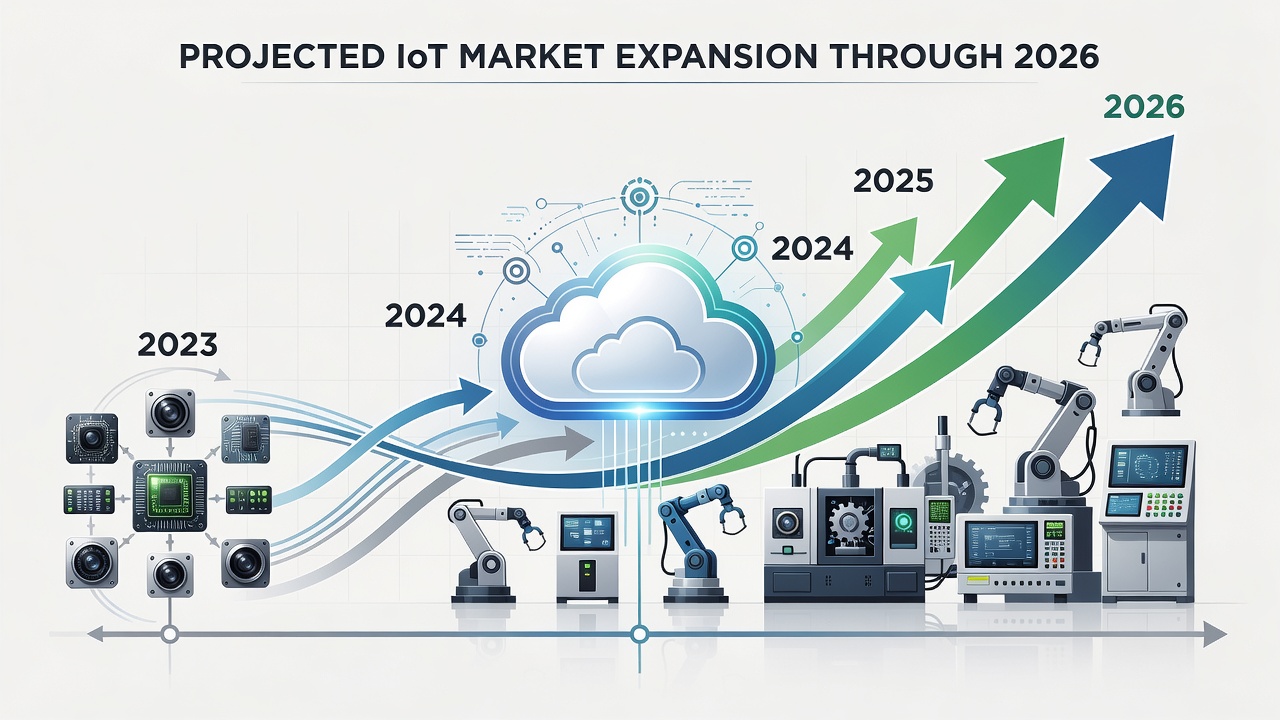
Businesses across manufacturing, healthcare, and logistics are accelerating IoT integration to improve efficiency and reduce operational costs. Projections indicate sustained demand for sensors, platforms, and analytics tools that support real-time monitoring and predictive maintenance. Emerging applications in smart cities and edge computing further position the sector for broad adoption by 2026, with connected devices enabling everything from traffic optimization to remote patient care. Companies that combine hardware with advanced software platforms often enjoy higher margins and recurring revenue streams. IEEE standards continue to guide interoperability, allowing different devices and systems to communicate seamlessly across global networks.
Regulatory Tailwinds Supporting Sector Growth
Government initiatives promoting digital infrastructure and data standards create favorable conditions for IoT expansion. Policies encouraging secure connectivity and innovation incentives help companies scale solutions without excessive friction. Regulatory bodies are also addressing spectrum allocation and data privacy frameworks that support wider deployment of connected technologies. These tailwinds reduce barriers and encourage investment in compliant technologies that meet evolving requirements. Staying aligned with these developments allows firms to accelerate product rollouts and capture larger market shares by 2026.
Supply Chain Impacts on IoT Companies
Global supply networks influence component availability and production timelines for IoT hardware such as sensors, microcontrollers, and communication modules. Firms with diversified sourcing strategies and resilient partnerships stand to gain advantages during periods of volatility. Efficient supply management supports consistent revenue growth amid evolving market conditions, while vertical integration in some cases provides greater control over quality and delivery schedules. Investors evaluating these stocks should consider how each company mitigates disruptions through nearshoring or strategic inventory practices.
Top Bullish Stock Picks for 2026
Here are seven companies positioned for notable expansion based on their IoT focus and competitive strengths. Each selection highlights forward-looking attributes such as technology leadership, addressable markets, and differentiation strategies.
1. Qualcomm
Qualcomm develops wireless technologies central to IoT connectivity. Its platforms support automotive and industrial applications with advanced processing capabilities that enable low-latency communications. The company’s investments in 5G and edge AI position it to benefit from increased device density and real-time analytics demands projected through 2026.
2. Cisco Systems
Cisco provides networking infrastructure essential for secure IoT deployments. Its enterprise solutions emphasize integration and management across large-scale environments, offering visibility and control that appeal to organizations expanding their connected ecosystems. Cybersecurity features embedded in its hardware and software further strengthen its market position.
3. Amazon
Amazon's cloud services power IoT data processing and device management at scale. Expansion in connected ecosystems through services that handle ingestion, storage, and machine learning offers diversified revenue streams. Its global infrastructure supports rapid scaling for customers in multiple industries.
4. Microsoft
Microsoft delivers cloud-based IoT platforms that enable analytics and automation for enterprise clients. Its enterprise partnerships and hybrid cloud capabilities strengthen market reach while providing tools for developers to build custom solutions. Integration with productivity suites adds additional value for business users.
5. Honeywell
Honeywell integrates IoT into industrial and building automation systems. Its sensor and control technologies address operational efficiency needs in manufacturing and facilities management. Long-standing relationships with industrial customers provide a stable base for recurring service revenue.
6. PTC
PTC specializes in industrial IoT software for product lifecycle management. Augmented reality features enhance its competitive offerings by allowing remote collaboration and training. The company’s focus on digital twins supports predictive capabilities that customers increasingly demand.
7. Samsara
Samsara focuses on fleet and equipment monitoring through connected solutions. Its subscription model supports recurring revenue growth while delivering actionable insights on safety, utilization, and maintenance. Expansion into new verticals broadens its total addressable market heading into 2026.
Valuation Comparisons and Strategic Considerations
Comparing these companies involves evaluating revenue models, market positioning, and innovation pipelines. Diversification across hardware, software, and services helps balance exposure within the IoT sector. Investors may examine metrics such as recurring revenue percentages and customer acquisition costs to assess long-term sustainability. A mix of established players and specialized providers can create a balanced portfolio that captures growth from multiple angles.
Risk Factors Including Cybersecurity Concerns
Cybersecurity remains a primary consideration as connected devices increase vulnerability surfaces. Companies investing in robust encryption and threat detection demonstrate stronger resilience. Investors should assess each firm’s approach to data protection and compliance with frameworks that evolve over time. NIST cybersecurity resources offer guidance that many organizations reference when building secure IoT architectures. Additional risks include regulatory shifts and technology obsolescence, which require ongoing monitoring.
Practical Steps for Investors
- Review company reports for IoT-specific revenue contributions and segment performance to understand true exposure.
- Monitor regulatory updates from relevant authorities to anticipate policy changes that could affect deployment timelines.
- Consider portfolio allocation that spreads risk across multiple picks spanning hardware, software, and services layers.
- Stay informed on supply chain developments affecting component costs and availability through industry publications and earnings calls.
- Evaluate competitive moats such as patents, ecosystem partnerships, and switching costs before committing capital.
Frequently Asked Questions
What are suitable entry points for new IoT investors?
Beginners can start by researching company fundamentals and sector reports before making initial positions. Dollar-cost averaging offers one approach to managing timing risks while building exposure gradually. Consulting educational materials on connected technologies can also provide helpful context.
How do supply chain issues affect these stocks?
Disruptions can delay product launches and increase costs, but firms with strong supplier relationships and flexible manufacturing often recover faster and maintain growth trajectories. Tracking lead times and inventory levels in quarterly updates helps identify potential headwinds early.
Are regulatory changes likely to impact 2026 forecasts?
Positive policy developments around data standards and infrastructure typically support expansion, though ongoing compliance efforts require attention. Reviewing updates from bodies such as the FCC provides insight into spectrum and connectivity rules that influence deployment pace.
How important is diversification within the IoT sector?
Diversification reduces concentration risk by balancing exposure to hardware cycles with software subscription stability. Spreading investments across several of the highlighted companies can help capture varied growth drivers while mitigating single-stock volatility.
Conclusion
The IoT sector presents compelling opportunities for 2026 through technological advancement and market expansion. By focusing on companies with clear competitive advantages and monitoring key risks such as cybersecurity, investors can build a diversified approach aligned with forward-looking growth. Regular review of fundamentals and regulatory developments supports informed decision-making in this dynamic space.


No comments yet. Be the first!