 Bullish Portfolio

Introduction to Defense Sector Growth in 2026
The defense industry stands at a pivotal moment as geopolitical tensions and technological advancements fuel unprecedented demand. Investors seeking bullish opportunities are turning to defense stocks that combine stable government contracts with innovation in artificial intelligence and autonomous systems. This article provides in-depth analysis of leading companies, key market drivers, and actionable strategies for building exposure to this resilient sector. With global security challenges evolving rapidly, the sector offers a unique blend of defensive stability and growth upside that appeals to both institutional and retail investors alike. Rising procurement needs across multiple regions are creating multi-year opportunities that reward patient capital allocation and careful stock selection.
Key Drivers Fueling Defense Stock Growth
Rising global security demands remain the primary catalyst. Nations worldwide are increasing military budgets to address evolving threats, including cyber warfare and advanced missile systems. AI integration is transforming traditional platforms, enabling smarter surveillance, predictive maintenance, and autonomous drones. These trends create durable revenue streams for companies positioned at the intersection of hardware and software innovation. Supply chain modernization efforts are also accelerating, as governments prioritize resilient domestic production capabilities following recent disruptions. For example, investments in secure semiconductor manufacturing directly benefit firms with established defense electronics divisions.
Additional tailwinds include allied defense cooperation through frameworks like NATO partnerships. Long-term procurement cycles provide visibility that few other industries match, supporting consistent earnings growth even during economic uncertainty. For instance, increased focus on space-based assets and hypersonic technologies is opening new revenue avenues. Investors should monitor official budget releases for signals on sustained spending trajectories. Another important driver is the push toward digital transformation in military operations. This includes integrating machine learning for threat detection and logistics optimization, which favors firms with strong software capabilities alongside traditional manufacturing strengths. Geopolitical flashpoints continue to underscore the need for rapid modernization, further supporting bullish sentiment across the sector.
Profiles of Leading Defense Companies
Established players dominate through scale and proven track records. Lockheed Martin continues to lead in aerospace and missile systems, benefiting from multi-year contracts across fighter jets and missile defense programs. Raytheon Technologies excels in radar and propulsion technologies, while Northrop Grumman focuses on space and autonomous systems. Each firm demonstrates strong backlog visibility and diversified international revenue. Competitive analysis shows these giants maintain advantages through vertical integration and long-standing relationships with procurement agencies.
Emerging innovators are gaining traction by specializing in AI-driven solutions. Companies developing next-generation cybersecurity and unmanned vehicles offer higher growth multiples but carry execution risks compared to legacy contractors. Revenue forecasts for major players point to steady mid-single-digit growth supported by existing programs and new AI integrations. Investors can examine earnings reports for details on segment performance, noting how traditional hardware lines provide stability while software add-ons drive margin expansion. This dual focus allows established names to partner with or acquire smaller innovators, blending reliability with technological agility.
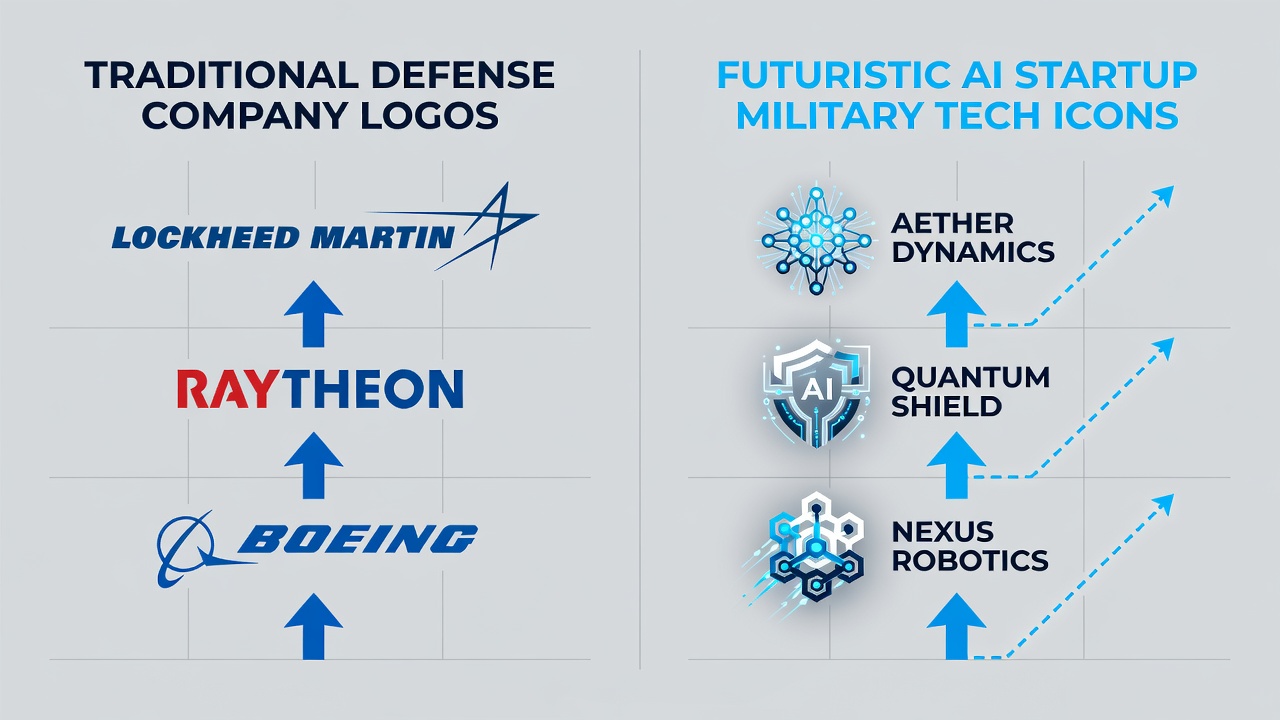
Traditional Giants Versus Innovative Startups: Investor Comparison
Traditional defense giants appeal to conservative investors through predictable cash flows and dividend yields. Their competitive moats stem from decades of regulatory expertise and classified program access. In contrast, innovative startups attract growth-oriented portfolios by delivering disruptive technologies that can rapidly scale with new budget priorities. This comparison highlights trade-offs in volatility, dividend reliability, and innovation speed that every investor must weigh carefully.
- Traditional advantages: Established supply chains, lower volatility, proven reliability in large-scale programs, and easier access to classified contracts.
- Startup advantages: Faster iteration on AI and software, potential for outsized returns, flexibility in niche markets such as drone swarming or quantum sensing.
- Risk considerations: Giants face slower adaptation to emerging tech; startups may struggle with certification, scaling production, and securing long-term government approvals.
- Portfolio fit examples: A retiree might favor dividend-paying giants for income stability, while a growth investor could allocate to startups targeting electronic warfare breakthroughs that legacy firms have yet to fully commercialize.
Real-world scenarios demonstrate how a legacy firm’s steady missile program wins can be complemented by a startup’s breakthrough in autonomous navigation software that could redefine battlefield tactics over the coming decade.
Practical Steps for Screening Bullish Defense Stocks
Begin by reviewing government budget documents and defense spending trends from official sources such as the U.S. Department of Defense. Next, analyze company financials for backlog growth, operating margins, and international exposure. Use screening tools to filter for revenue forecasts above sector averages and positive analyst revisions. This foundational research helps narrow the universe to stocks with genuine momentum.
- Assess geopolitical risk exposure through geographic revenue breakdowns and monitor developments via NATO resources, paying attention to how regional alliances influence contract flows.
- Evaluate R&D spending as a percentage of sales to gauge innovation commitment and future competitiveness, comparing figures across both legacy and emerging players.
- Compare valuation multiples against historical averages and peer groups, focusing on free cash flow generation and debt levels to identify sustainable leaders.
- Monitor contract win rates and pipeline announcements for forward visibility, including joint ventures with tech firms that signal expanding capabilities in AI and autonomy.
- Diversify across subsectors such as aerospace, electronics, and cybersecurity to balance risk and reward while reviewing quarterly earnings transcripts for management commentary on AI adoption and supply chain resilience.
Finally, consider macroeconomic factors like inflation impacts on contract pricing and potential shifts in export policies that could affect international sales. Regular portfolio reviews every quarter ensure alignment with evolving threats and budget realities.
FAQ: Geopolitical Risks and Portfolio Allocation
How do geopolitical events impact defense stocks? Sudden escalations can accelerate contract awards, while de-escalation may cause short-term volatility. Long-term structural spending trends typically outweigh isolated events, though investors should track regional hotspots closely for early signals.
What allocation makes sense for a diversified portfolio? Many advisors recommend 5-10% exposure depending on risk tolerance, with rebalancing during periods of heightened global tension to maintain strategic weighting and avoid over-concentration.
Are there regulatory hurdles for new entrants? Yes, strict export controls and security clearances create barriers that favor established firms but also protect incumbent revenues over time, creating a moat that rewards experienced operators.
How should investors handle AI-related risks in defense portfolios? Focus on companies with proven integration roadmaps and partnerships with leading technology providers to mitigate obsolescence concerns and capture upside from rapid technological shifts.
Conclusion
Defense stocks offer compelling growth prospects for 2026 as governments prioritize security and technology modernization. By focusing on companies with strong backlogs, AI capabilities, and global reach, investors can position for sustained performance across multiple market cycles. Conduct thorough due diligence using reliable sources like the U.S. Department of State for policy context and consider professional advice to align selections with individual objectives and risk parameters. A disciplined approach combining fundamental analysis with awareness of geopolitical developments can help unlock the sector’s full potential while managing inherent uncertainties.


No comments yet. Be the first!