 Bullish Portfolio

Introduction to Bullish Emerging Markets in 2026
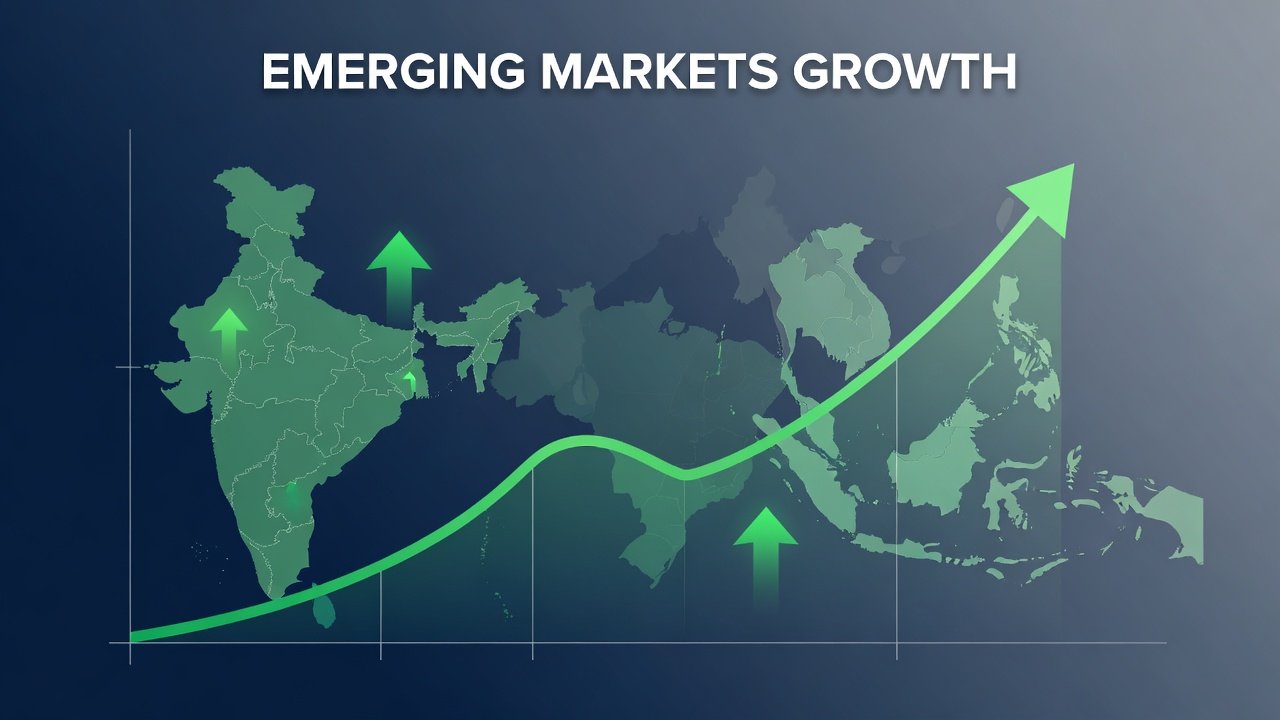
Emerging markets continue to offer compelling growth opportunities for investors seeking diversification beyond developed economies. This comprehensive guide focuses on bullish prospects in India, Brazil, and Southeast Asia, highlighting key sectors such as technology, energy, and consumer goods. Beginners will find detailed frameworks to evaluate stocks, compare risks across borders, and build thoughtful allocation strategies using the latest 2026 data. India’s digital economy and Brazil’s commodity strength stand out as primary drivers of potential outperformance, while Southeast Asian markets add valuable regional exposure through manufacturing and rising consumer trends. Understanding these dynamics requires more than surface-level overviews; investors need concrete examples, valuation context, and step-by-step processes to navigate volatility effectively.
India's High-Growth Sectors and Company Examples
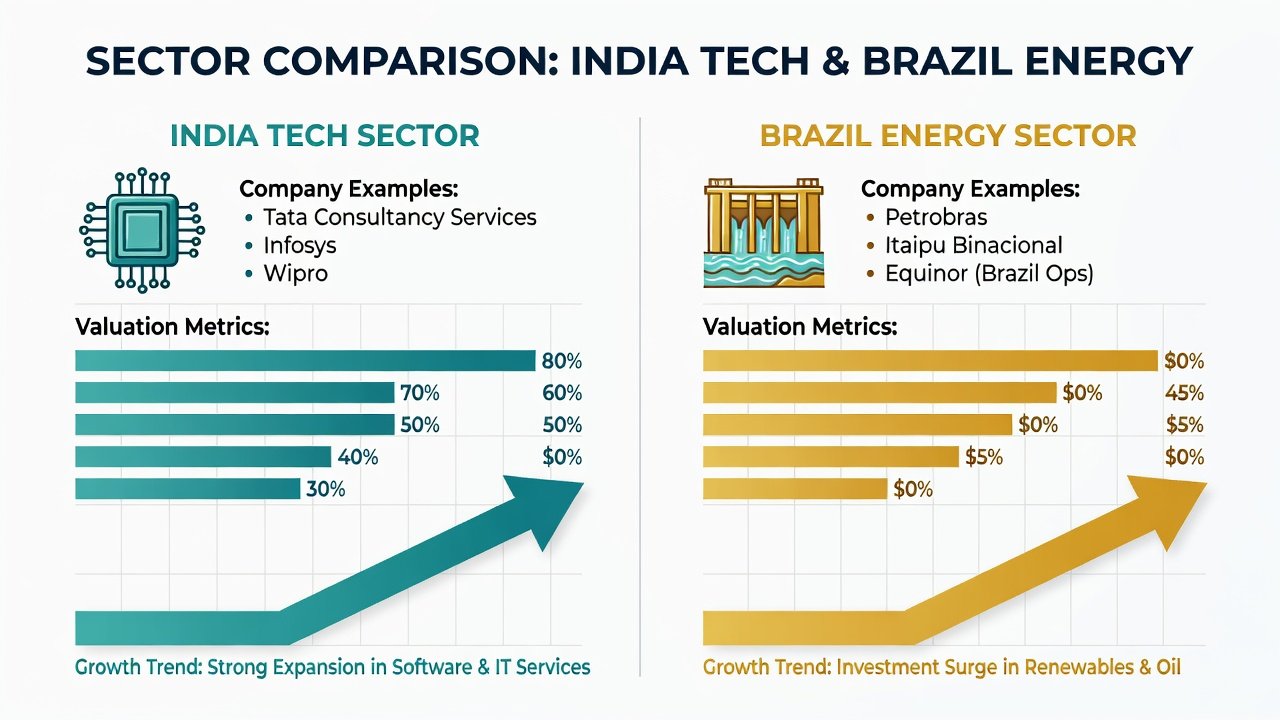
India’s technology sector remains a cornerstone for bullish investors in 2026. Leading firms such as Tata Consultancy Services and Infosys continue to demonstrate resilience through sustained global demand for IT services, digital transformation projects, and cloud migration. The energy sector is undergoing a major renewable transition, with companies like Adani Green Energy and Reliance Industries expanding solar and green hydrogen initiatives. Consumer goods companies including Hindustan Unilever and ITC benefit from rising middle-class spending on packaged foods, personal care, and premium products. Valuation metrics worth monitoring include forward price-to-earnings ratios, earnings growth rates, and return on equity. For instance, many Indian tech names trade at premiums justified by consistent double-digit revenue expansion and strong cash-flow generation. Investors should cross-reference these figures against broader macroeconomic indicators such as India’s projected GDP growth and digital infrastructure spending.
Brazil's Key Sectors and Notable Stocks
Brazil provides exposure to energy giants and agribusiness-linked consumer companies that can deliver strong results when global commodity cycles align favorably. Petrobras remains central to the energy narrative, with operations tied to oil production, refining, and emerging biofuel projects. Consumer goods and retail players such as Magazine Luiza and JBS illustrate how domestic consumption rebounds during periods of economic stabilization and lower interest rates. Comparative valuations often center on enterprise value to EBITDA multiples, allowing investors to gauge operational efficiency relative to international peers. Additional considerations include currency movements of the Brazilian real and policy developments around fiscal reforms that can influence corporate margins.
Southeast Asia Opportunities Across Key Markets
Regional markets in Vietnam, Indonesia, and Thailand present distinct manufacturing and digital consumer opportunities. In Vietnam, electronics and apparel exporters benefit from supply-chain diversification away from China. Indonesian e-commerce and logistics firms capitalize on a young population and rising smartphone penetration. Thailand’s tourism recovery and automotive sector add cyclical upside. These markets often feature lower valuations than India yet deliver faster structural growth in select industries, making them attractive for portfolio diversification when screened for governance standards and liquidity.
Evaluation Framework for Emerging Market Stocks
A structured evaluation process helps beginners separate promising opportunities from speculative bets. Begin by assessing macroeconomic stability, including inflation trends, central bank policy, and currency volatility. Next, examine company-specific metrics such as revenue growth consistency, operating profit margins, debt-to-equity ratios, and free cash flow generation. Compare sector peers using standardized ratios like price-to-book and dividend yield where applicable. Factor in geopolitical and regulatory risks unique to each country, including trade policy shifts and tax changes. Finally, review corporate governance indicators and environmental, social, and governance (ESG) disclosures to avoid hidden liabilities. This multi-layered approach reduces emotional decision-making and supports more consistent results over multi-year horizons.
Risk Comparisons Across Markets
India generally presents lower political risk than Brazil but carries higher valuation premiums in technology names. Currency risk remains moderate due to the rupee’s managed float and large foreign-exchange reserves. Brazil’s commodity exposure introduces greater volatility from global oil and agricultural price swings, compounded by occasional fiscal policy uncertainty. Southeast Asian markets balance moderate political risks with faster structural reforms in several economies, though liquidity can be thinner outside major indices. Investors should stress-test portfolios against scenarios such as rising U.S. interest rates, commodity shocks, or regional trade disruptions to understand potential drawdowns.
Allocation Strategies for New Investors
Begin with a diversified basket that allocates 40-50% to India for its growth visibility, 30-40% to Brazil for commodity and value exposure, and 10-20% to Southeast Asia for additional regional balance. Within each allocation, favor a mix of large-cap leaders and select mid-cap growth names. Rebalance quarterly based on performance drift and updated economic forecasts. Dollar-cost averaging through regular purchases helps mitigate timing risk, while maintaining a modest cash buffer allows opportunistic additions during market corrections. Consider using exchange-traded funds as core holdings alongside individual stocks for broader coverage without excessive single-stock concentration.
Practical Steps for Screening and Monitoring Bullish Stocks
- Use established financial data platforms to filter stocks by sector, market capitalization, revenue growth above 10%, and reasonable debt levels.
- Set automated alerts for quarterly earnings releases, regulatory filings, and macroeconomic data releases from central banks.
- Track benchmark indices such as India’s Nifty 50, Brazil’s Bovespa, and the MSCI Southeast Asia Index for broader market context and relative performance.
- Review quarterly and annual reports for changes in management commentary, margin trends, and capital expenditure plans.
- Cross-reference analyst consensus estimates and revision trends while maintaining awareness that forward projections can shift rapidly in emerging economies.
Common Mistakes to Avoid When Investing in These Markets
Many new investors chase recent winners without checking valuations or over-allocate to a single country. Others ignore currency hedging options or fail to account for higher transaction costs and tax implications in cross-border accounts. Avoiding these pitfalls requires discipline and a long-term perspective rather than reacting to short-term news cycles.
Conclusion
India and Brazil present distinct bullish pathways in 2026 through targeted sectors and disciplined evaluation. Combining structured frameworks with ongoing monitoring and prudent allocation equips new investors for informed participation in emerging markets. Consistent application of these principles supports better risk-adjusted outcomes over time.
FAQ
How do I start investing in Indian stocks as a beginner?
Open an international brokerage account that offers direct access to Indian exchanges, begin with established large-cap names in technology and energy, and gradually expand after reviewing quarterly results.
What risks should I watch in Brazilian markets?
Monitor currency fluctuations of the real, commodity price movements, and policy shifts that can affect energy producers and consumer-facing companies.
How often should I review my emerging markets allocation?
Conduct formal reviews every quarter while staying informed on annual economic forecasts from sources like the World Bank and IMF.
Which tools help track performance of these stocks?
Financial terminals, broker research portals, and official exchange websites provide earnings calendars, price charts, and fundamental data needed for ongoing monitoring.

No comments yet. Be the first!