 Bullish Portfolio
Introduction to AI in Senior Care Investing
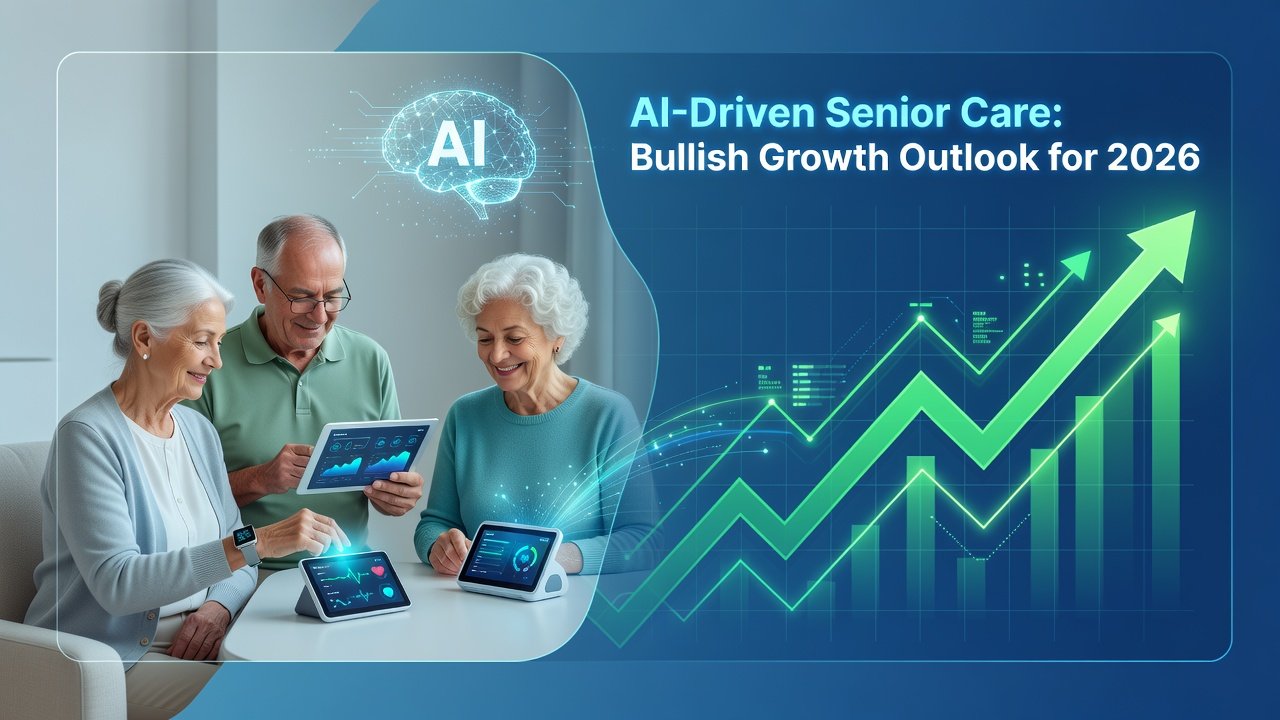
The convergence of artificial intelligence and senior care represents one of the most promising investment themes for 2026. With global populations aging rapidly, demand for technology-enabled healthcare solutions continues to surge. This article examines the key market drivers, profiles leading stocks integrating AI into senior care, compares risks, and provides practical frameworks for investors. Beginners will find detailed explanations of how AI technologies such as machine learning algorithms for predictive health monitoring, natural language processing for patient communication tools, and computer vision for fall detection systems are transforming the sector. These innovations not only improve quality of life for seniors but also create substantial growth opportunities for publicly traded companies positioned at the intersection of healthcare and technology.
Market Drivers Fueling Growth
Aging demographics form the foundation of this sector. By 2026, the number of people aged 65 and older is projected to exceed 1.5 billion worldwide, according to data from the World Health Organization. Regulatory tailwinds, including expanded Medicare coverage for remote monitoring technologies, further accelerate adoption. AI applications such as predictive analytics for fall prevention, personalized medication management, and remote patient monitoring reduce costs while improving outcomes. Additional drivers include the rising prevalence of chronic conditions like diabetes and cardiovascular disease among older adults, which AI can help manage more effectively through continuous data analysis. Government initiatives promoting digital health infrastructure also play a role, creating favorable conditions for companies that develop compliant AI solutions. Investors should note how these macro trends interact with technological advancements, such as improved sensor accuracy in wearable devices and cloud-based AI platforms that scale efficiently across large senior populations.
These factors create a fertile environment for companies blending healthcare expertise with advanced AI capabilities. Investors seeking exposure should focus on firms demonstrating scalable technology and strong competitive moats. For instance, companies with proprietary datasets from millions of patient interactions gain an edge in training more accurate AI models over time.
Top AI-Powered Senior Care Stocks for 2026
Here are seven standout companies positioned for growth through AI integration in senior care:
- UnitedHealth Group (UNH): Leverages AI for claims processing and personalized care plans, enhancing efficiency in its Optum division while serving millions of senior beneficiaries.
- Teladoc Health (TDOC): Uses machine learning for virtual consultations tailored to chronic conditions common in seniors, offering 24/7 access that reduces unnecessary hospital visits.
- ResMed (RMD): Integrates AI into sleep apnea devices for real-time data analysis and predictive alerts, helping caregivers intervene early.
- Dexcom (DXCM): Applies AI algorithms to continuous glucose monitoring, benefiting elderly diabetes patients by providing actionable insights without constant manual checks.
- NVIDIA (NVDA): Powers AI infrastructure used by healthcare platforms for senior-focused diagnostics, enabling faster processing of complex medical imaging data.
- Alphabet (GOOGL): Develops AI tools through Google Health for early disease detection in aging populations, including projects focused on voice analysis for cognitive decline.
- iRhythm Technologies (IRTC): Employs AI for cardiac monitoring wearables suited to senior health tracking, with algorithms that detect irregular heart rhythms accurately.
Each stock offers distinct competitive edges, from proprietary datasets to regulatory approvals that create barriers to entry. For example, established players benefit from existing relationships with hospitals and insurance providers, allowing quicker deployment of new AI features.
Risk Comparisons and Evaluation Framework
While opportunities abound, risks vary across these picks. Regulatory changes, data privacy concerns, and reimbursement uncertainties represent primary challenges. A simple evaluation framework includes assessing revenue growth from AI segments, patent portfolios, and partnerships with senior living facilities. Compare metrics such as R&D spending relative to peers and customer retention rates in healthcare verticals. Diversification across device makers, software providers, and infrastructure enablers helps mitigate sector-specific volatility. Investors should also consider execution risks, where companies fail to integrate AI seamlessly into existing workflows, leading to slower adoption among care providers. Geopolitical factors affecting supply chains for hardware components used in AI-enabled devices add another layer of complexity.
Step-by-Step Stock Selection Guide
- Identify companies with proven AI deployments in eldercare settings by reviewing case studies and customer testimonials from nursing homes or home care agencies.
- Review financial health through balance sheet strength and cash flow from operations, focusing on consistent investment in AI research without excessive debt.
- Analyze competitive positioning via market share in remote monitoring and the uniqueness of their AI algorithms compared to open-source alternatives.
- Assess regulatory compliance and recent FDA clearances, which serve as validation for safety and efficacy in senior populations.
- Evaluate valuation multiples against projected growth rates, considering long-term contracts with healthcare systems as a positive indicator.
This structured approach helps beginners avoid common emotional biases and build a disciplined investment process.
Practical Portfolio Allocation Examples
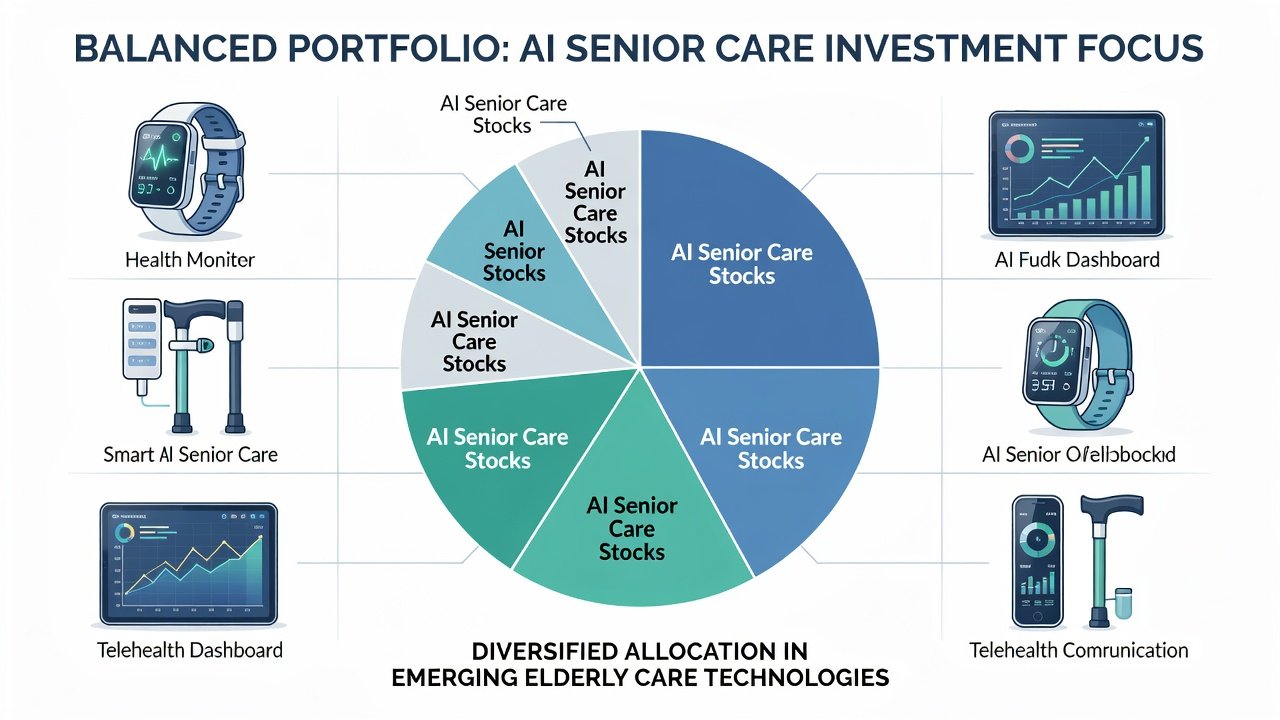
For a moderate-risk portfolio, allocate 15-25% to AI senior care stocks, splitting exposure between established players like UnitedHealth and growth-oriented names like Dexcom. Rebalance quarterly based on earnings reports highlighting AI contributions. Beginners might start with 5-10% allocations while building familiarity with the sector. An example allocation could include 40% in diversified healthcare giants, 30% in specialized device companies, 20% in tech infrastructure providers, and 10% in emerging AI pure plays, adjusted for individual risk tolerance and time horizon.
Common Mistakes to Avoid When Investing
Many new investors overlook the importance of understanding the full AI ecosystem, focusing only on flashy technology without verifying real-world clinical validation. Another pitfall is ignoring liquidity risks in smaller stocks within the sector. Always cross-reference news from reliable sources and maintain a long-term perspective rather than chasing short-term hype around new product launches.
FAQ: Avoiding Common Pitfalls
Q: How volatile are these stocks compared to broad healthcare ETFs?
A: AI-focused senior care names often exhibit higher volatility due to rapid tech adoption cycles but offer greater upside potential when paired with solid fundamentals.
Q: Should I invest only in pure-play AI companies?
A: Hybrid models combining healthcare expertise with AI tend to deliver more sustainable results than pure software plays, as they navigate complex regulatory environments more effectively.
Q: What role does regulation play in 2026 outlooks?
A: Positive regulatory developments around telehealth reimbursement can significantly boost valuations, while stricter data privacy rules may increase compliance costs for smaller firms.
Q: How can beginners get started without overwhelming research?
A: Begin by reviewing annual reports for mentions of AI initiatives and consider index funds with exposure to healthcare technology before selecting individual stocks.
Conclusion
AI-powered senior care stocks present compelling opportunities for 2026 driven by demographic shifts and technological innovation. By applying the frameworks outlined above, investors can build informed positions while managing risks effectively. Always conduct thorough due diligence or consult a financial advisor before making investment decisions, and stay updated on evolving AI applications in eldercare through ongoing market analysis.

No comments yet. Be the first!