 Bullish Portfolio

Introduction to Neurotech and Longevity Stocks
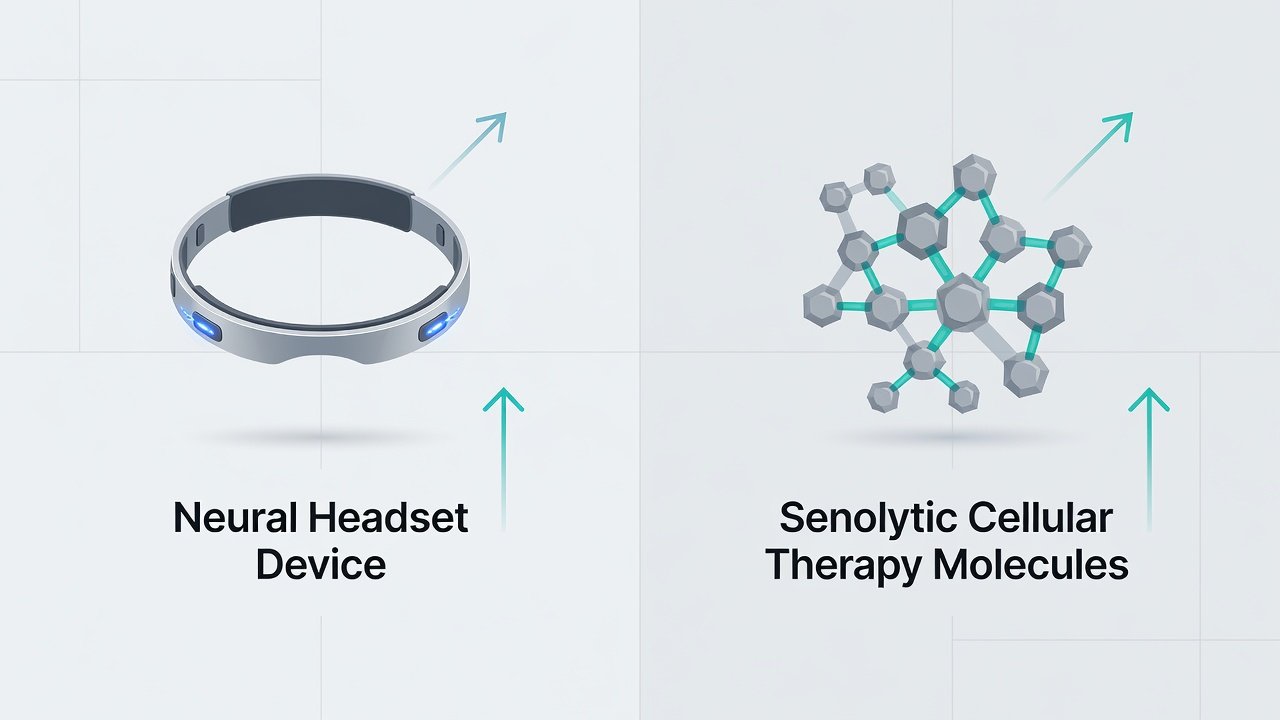
The intersection of neuroscience technology and longevity biotechnology presents compelling investment opportunities heading into 2026. Driven by aging populations and rapid technological advances, these sectors combine high-growth potential with significant societal impact. Neurotech focuses on brain-computer interfaces and neural therapies, while longevity biotech targets cellular aging processes through innovations like senolytics. Investors seeking bullish growth must weigh demographic tailwinds against regulatory complexities and clinical timelines. This analysis explores both sectors in depth, profiling leading companies and offering practical frameworks for portfolio decisions. As populations worldwide age rapidly, demand for solutions addressing cognitive decline and age-related diseases continues to surge, creating fertile ground for companies that can deliver breakthrough therapies and devices. The convergence of artificial intelligence, biotechnology, and medical devices further accelerates innovation cycles, positioning these fields for substantial expansion over the next several years.
Demographic Tailwinds Fueling Growth
Global population aging accelerates demand for neurotech solutions addressing Alzheimer's and Parkinson's, alongside longevity therapies extending healthy lifespans. The World Health Organization highlights rising neurological disorder prevalence, creating sustained market expansion. Regulatory agencies like the FDA are streamlining approvals for breakthrough devices and therapies, providing tailwinds for 2026 timelines. In developed economies, the proportion of individuals over age 65 is projected to increase dramatically, driving healthcare spending toward preventive and restorative interventions. Emerging markets are also experiencing similar shifts, albeit at different rates, which broadens the addressable patient populations for both neurotech implants and senolytic treatments. These demographic realities create structural demand that transcends short-term economic cycles, making the sectors resilient even during broader market downturns.
Regulatory Environment and Tech Breakthroughs
Brain-computer interfaces represent a core neurotech breakthrough, enabling direct neural communication for medical and potentially consumer applications. Senolytics in longevity biotech clear senescent cells, with promising preclinical data advancing toward human trials. The FDA has issued guidance accelerating device approvals, while NIH-funded research supports foundational longevity studies. These developments position both sectors for accelerated commercialization by 2026. Recent policy updates emphasize expedited review pathways for technologies addressing unmet medical needs, such as restoring motor function after spinal cord injuries or reversing aspects of cellular senescence. Companies that align their development programs with these regulatory priorities often experience faster time-to-market and stronger competitive positioning. Investors should track public announcements from regulatory bodies for signals of upcoming guidance that could further catalyze sector growth.
Leading Company Profiles and Competitive Analysis
Several firms stand out in neurotech and longevity. Neuralink leads brain-computer interfaces with ambitious human trial progress and partnerships in medical rehabilitation, focusing on high-bandwidth implants that could restore vision or mobility. Synchron offers less invasive endovascular approaches, competing on safety profiles and easier surgical implantation that may appeal to broader patient groups. In longevity, Unity Biotechnology advances senolytic candidates targeting osteoarthritis and other age-related conditions through targeted removal of damaged cells. Recursion Pharmaceuticals leverages AI for drug discovery across longevity pathways, using machine learning to identify novel compounds at scale. Competitors like Cassava Sciences focus on Alzheimer's while competing in the broader neuro space with small-molecule approaches. Additional players such as Blackrock Neurotech develop cortical implants for chronic neurological conditions, while Loyal Therapeutics explores longevity interventions in companion animals as a stepping stone to human applications. Revenue projections remain qualitative due to clinical stage, yet market analysts anticipate substantial top-line growth as approvals materialize, with neurotech firms potentially outpacing in device revenue streams versus drug-based longevity plays. Competitive analysis reveals neurotech's hardware-software integration creates moats through patents, while longevity biotech faces generic competition risks post-approval. Investors should monitor clinical milestones closely for differentiation, including readouts on safety, efficacy endpoints, and manufacturing scalability.
Evaluation Frameworks for Investors
Assess opportunities using metrics such as pipeline diversity, partnership strength, and cash runway. Compare market caps against addressable markets in neurological disorders versus age-related diseases. Tools from major exchanges help track volatility patterns specific to biotech. A practical framework begins with reviewing clinical trial phases and endpoints, followed by analysis of intellectual property strength and management execution history. Investors can also examine collaboration agreements with larger pharmaceutical or technology firms as validation signals. When evaluating neurotech versus longevity names, consider differences in capital intensity—device companies often require manufacturing infrastructure while drug developers face higher trial costs but potentially larger margins upon approval.
Risk Factors and Mitigation
Key risks include clinical trial failures, reimbursement hurdles, and ethical concerns around brain interfaces. Longevity stocks face extended development cycles. Diversification across both sectors and stages mitigates volatility. Monitor policy changes from bodies like the NIH for early signals. Additional risks encompass intellectual property disputes, supply chain disruptions for specialized components, and shifting public sentiment toward invasive neural technologies. Mitigation strategies involve maintaining exposure limits per position, staying informed through peer-reviewed publications, and pairing high-risk clinical-stage holdings with more mature healthcare equities. Scenario planning helps investors prepare for binary outcomes such as trial successes or setbacks.
Portfolio Allocation Tips
Allocate 5-15% of growth-oriented portfolios to these themes, balancing with established healthcare ETFs. Favor companies with multiple catalysts in 2026. Rebalance quarterly based on trial updates. Consider dollar-cost averaging into positions during periods of sector-wide volatility and maintain a watchlist of upcoming data readouts. Investors new to the space may start with smaller allocations while building familiarity with the unique regulatory and scientific drivers at play.
Beginner Guide: Spotting These Stocks
Beginners can identify candidates by screening for high R&D spend relative to revenue, recent FDA designations, and rising institutional ownership. Track market trends via sector indices focused on healthcare innovation. Use free financial platforms to compare debt levels and analyst ratings. Focus on firms with clear 2026 milestones rather than distant pipelines. Practical steps include setting up alerts for company press releases, reviewing 10-K filings for pipeline details, and cross-referencing trial registries. Pay attention to conference presentations at major medical meetings where new data often surfaces first. Building a simple checklist covering cash position, partnership news, and competitive landscape helps filter opportunities efficiently.
- Review quarterly earnings for cash burn rates and runway estimates.
- Monitor clinical trial registries for updates on enrollment and endpoints.
- Compare peer valuations in neurotech versus longevity subsectors using enterprise value metrics.
- Track insider and institutional filings for sentiment indicators.
- Evaluate management commentary on regulatory interactions and commercialization plans.
Conclusion
Neurotech and longevity stocks offer distinct yet complementary paths to 2026 growth. By understanding demographics, breakthroughs, and risks, investors can position portfolios strategically for long-term gains while contributing to meaningful medical advancements.
FAQ
What timelines apply to these investments? Most catalysts align with 2026-2028 clinical and regulatory milestones, though some may extend further depending on trial complexity.
How volatile are these stocks? Biotech and neurotech equities often experience 50%+ swings tied to trial data releases and regulatory feedback.
What diversification strategies work best? Spread across 4-6 companies plus sector ETFs to balance individual risks and capture both device and therapeutic opportunities.
Are there ethical considerations for neurotech? Yes, privacy, consent, and long-term effects of brain interfaces require careful oversight from developers and regulators.
How can investors stay updated? Subscribe to regulatory newsletters, follow key conferences, and review company investor presentations regularly.


No comments yet. Be the first!