 Bullish Portfolio
Introduction to Wearable Tech Investment Opportunities in 2026
The wearable technology sector continues to attract investor attention due to rapid advancements in health monitoring, fitness tracking, and applications tailored for senior care. Driven by global aging populations and seamless AI integration, these devices are evolving from simple fitness bands into sophisticated medical-grade tools. This article examines bullish stocks positioned for growth in 2026, offering company profiles, competitive insights, and practical evaluation tools for investors seeking actionable angles in the wearables space. As consumers increasingly seek proactive health management, companies that successfully combine hardware sensors with advanced analytics stand to capture significant market share over the coming years.
Market Drivers: Aging Demographics and AI Integration
Worldwide population aging is accelerating demand for remote health solutions. The World Health Organization highlights how longer lifespans are increasing chronic disease management needs, directly benefiting wearable devices that enable continuous monitoring. In parallel, AI algorithms are enhancing predictive analytics in fitness wearables, allowing personalized coaching and early health alerts that improve user outcomes and retention rates. These tailwinds create fertile ground for companies blending hardware innovation with software intelligence, particularly as telehealth adoption remains elevated following the pandemic era. Investors should note that regions with the fastest-growing elderly populations, such as parts of Europe and Asia, are becoming priority markets for product launches focused on fall prevention and medication adherence.
Leading Company Profiles and Revenue Outlook
Several established and emerging players stand out. Apple remains dominant with its Apple Watch ecosystem, expanding into ECG and blood oxygen features while exploring deeper AI-driven health insights that could unlock new subscription tiers. Alphabet’s Fitbit and Verily divisions focus on data platforms that integrate with Google’s AI capabilities, creating opportunities for population-level health insights through anonymized datasets. Emerging contenders like Garmin emphasize rugged fitness devices popular among athletes and outdoor enthusiasts, while specialists such as those developing senior-specific wearables incorporate fall detection and medication reminders to address caregiver concerns. Revenue forecasts hinge on subscription models for premium health insights, with supply chain resilience playing a key role amid semiconductor sourcing shifts. Additional players including Samsung and smaller innovators are investing heavily in cross-platform compatibility to broaden appeal.
Competitive analysis reveals differentiation through ecosystem lock-in versus open-platform flexibility. Supply chain insights show leaders investing in diversified manufacturing to mitigate geopolitical risks, particularly in Asia-based component production, ensuring steady availability of advanced sensors and batteries.
Competitive Analysis and Supply Chain Insights
Understanding the competitive landscape requires examining how each firm leverages proprietary technology and partnerships. Apple benefits from tight integration with its broader device ecosystem, creating high switching costs for users. In contrast, Garmin has built loyalty through specialized outdoor and sports metrics that appeal to niche but dedicated customer bases. Supply chain considerations are critical because many components, including high-precision accelerometers and optical heart-rate sensors, originate from a concentrated set of suppliers. Companies that have secured multi-year contracts or invested in alternative sourcing from North America and Europe are better positioned to avoid disruptions. This strategic diversification not only stabilizes production costs but also supports faster iteration cycles for new health-focused features.
Valuation Metrics Comparison
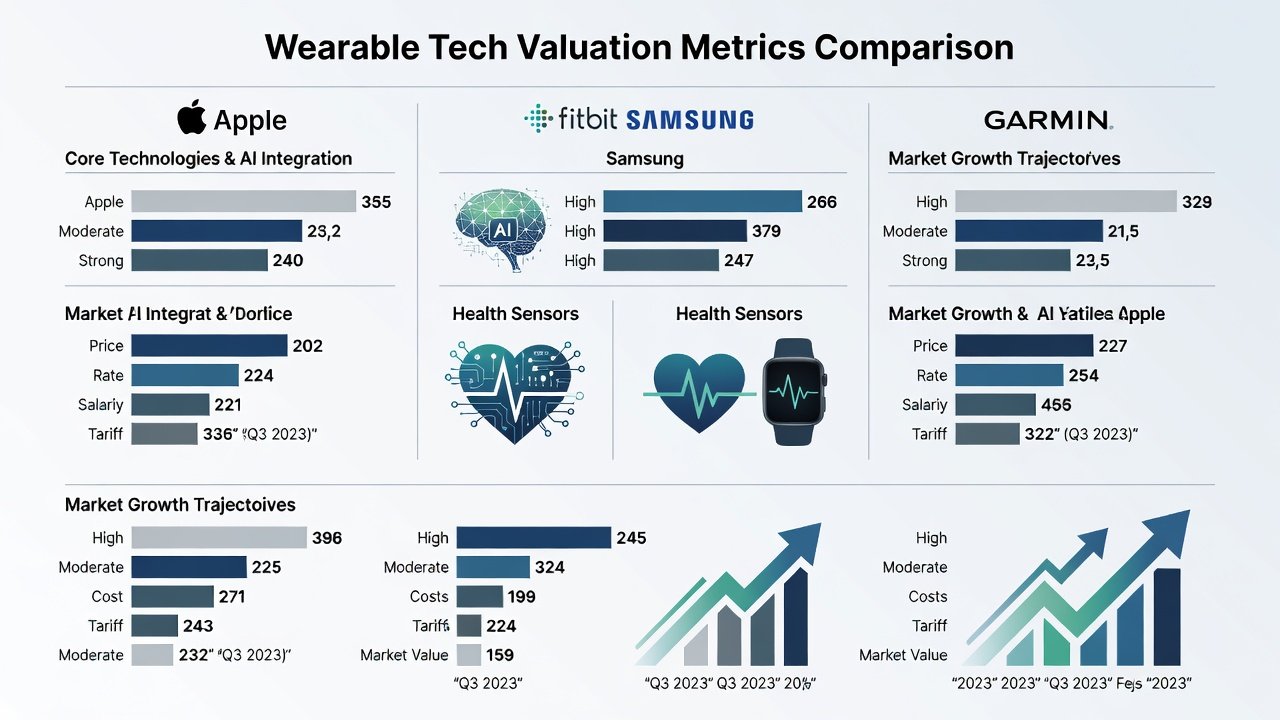
Investors should compare price-to-sales ratios, forward earnings growth, and gross margins across peers. Established names often trade at premium valuations justified by brand strength and recurring revenue, whereas smaller innovators may offer higher upside with elevated risk. Regulatory approvals from bodies like the FDA serve as catalysts that can re-rate valuations positively when new features gain clearance. Examining historical performance alongside current analyst projections helps identify stocks trading at reasonable multiples relative to their growth trajectories in the health and senior care segments.
Regulatory Tailwinds and Compliance Landscape
Supportive policies are boosting adoption. Clear pathways for software-as-medical-device classifications encourage innovation while maintaining safety standards. Investors should monitor updates from agencies that streamline approvals for AI-enhanced monitoring tools, particularly those addressing senior care gaps. The U.S. Food and Drug Administration has increasingly granted clearances for wearable features that detect irregular heart rhythms or monitor blood oxygen levels, creating clearer commercialization paths. Compliance investments by leading firms also act as barriers to entry for newer competitors lacking dedicated regulatory teams.
Practical Evaluation Framework for Investors
To assess opportunities systematically, follow these steps:
- Review recent product launches and clinical validation studies to confirm real-world efficacy claims.
- Analyze revenue mix between hardware sales and recurring software subscriptions, noting how subscription attach rates influence long-term margins.
- Evaluate supply chain diversification and component cost trends, paying attention to exposure in key manufacturing regions.
- Compare competitive positioning against both tech giants and niche health startups through feature benchmarking and user adoption metrics.
- Factor in regulatory milestones and demographic tailwinds specific to target markets, including partnerships with healthcare providers.
Applying this framework consistently allows investors to separate hype from sustainable growth stories, with examples including tracking how a new AI feature translates into measurable user engagement improvements.
Risk Assessment and Mitigation Strategies
Key risks include data privacy concerns, intense competition from smartphone-integrated features, and potential supply disruptions. Mitigation involves diversifying across multiple wearable stocks, staying informed on policy changes, and prioritizing companies with strong balance sheets and proven AI capabilities. Market volatility around new product cycles can also create entry points for long-term holders. Additional considerations involve currency fluctuations affecting international sales and evolving data protection regulations that could increase compliance costs. Investors who maintain a balanced portfolio across hardware leaders and software-focused innovators can better weather sector-specific headwinds while capturing upside from successful product launches.
Beginner-Friendly FAQ
What makes wearable tech stocks bullish for 2026?
Strong growth stems from AI enhancements, aging population needs, and expanding health applications beyond basic fitness tracking, supported by favorable regulatory environments.
How do I evaluate a wearable company’s competitive edge?
Focus on ecosystem integration, clinical partnerships, regulatory clearances, and subscription revenue potential while monitoring supply chain stability.
Are there specific risks in senior care wearables?
Yes, including regulatory hurdles, user adoption barriers among older demographics, and competition from traditional medical device makers entering the space.
What role does AI play in future wearable growth?
AI enables predictive health insights, personalized recommendations, and automated anomaly detection, increasing device stickiness and opening new monetization avenues.
How should beginners approach investing in this sector?
Start with established companies that have proven track records, diversify holdings, and stay updated on regulatory news and product announcements.
Conclusion
Wearable tech stocks aligned with health monitoring, fitness innovation, and senior care represent compelling 2026 growth stories. By applying structured evaluation frameworks and monitoring regulatory developments, investors can identify opportunities backed by powerful demographic and technological trends that are reshaping personal health management worldwide.

No comments yet. Be the first!