 Bullish Portfolio
Introduction to the AgriTech Revolution
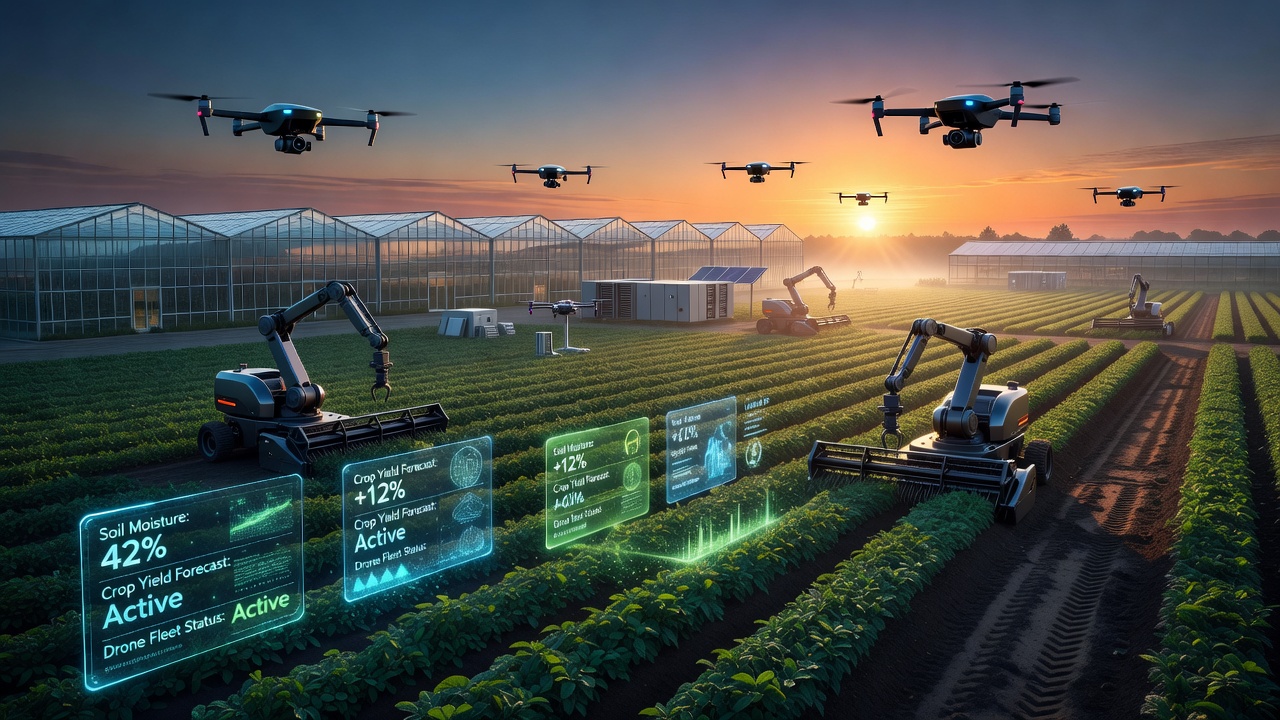
The agricultural sector is undergoing a profound transformation as technology meets the urgent needs of a growing global population and changing climate. Investors looking for bullish stocks beyond saturated fields like AI and biotech are turning to AgriTech. This space combines precision farming, data analytics, and sustainable practices to boost yields while addressing environmental challenges. As food security demands rise, companies innovating in this area present compelling opportunities for 2026 and beyond. The integration of sensors, machine learning, and automated equipment allows farmers to make data-driven decisions that were impossible just a decade ago, creating new revenue models centered on software subscriptions and predictive analytics.
Key Bullish Drivers in AgriTech
Climate change is intensifying pressures on traditional farming through erratic weather patterns and resource scarcity. At the same time, the United Nations projects significant population growth, increasing the need for efficient food production. These factors create strong tailwinds for AgriTech firms developing solutions like drone monitoring, soil sensors, and AI-driven crop management. Government initiatives worldwide further support adoption, making this sector ripe for growth-oriented investors seeking top stocks 2026. Food security concerns are amplified by supply chain vulnerabilities exposed in recent years. AgriTech addresses these by enabling localized, resilient production methods. Investors can benefit from companies that integrate real-time data to optimize water use and reduce waste, directly tackling both environmental and economic challenges. Additional drivers include rising input costs for fertilizers and labor shortages in rural areas, which push adoption of labor-saving robotics and variable-rate application technologies.
Emerging markets are particularly important as they face the dual challenge of expanding arable land use while minimizing environmental impact. Reports from organizations such as the Food and Agriculture Organization underscore how digital tools can help close yield gaps in developing regions. Policy support in the form of subsidies for smart equipment and carbon credit programs also accelerates market penetration for innovative players.
Top AgriTech Stock Examples for 2026
Several publicly traded companies stand out for their innovative approaches and market positioning. Deere & Company leads with advanced machinery featuring autonomous capabilities and precision tools that integrate seamlessly with farm management platforms. Corteva focuses on seed technology and crop protection enhanced by digital platforms that deliver tailored recommendations based on local conditions. Other notable players include Trimble, known for GPS and guidance systems that improve planting accuracy, and AGCO, advancing smart tractor solutions with connected diagnostics. Performance metrics for these firms have shown resilience amid market volatility, with emphasis on recurring revenue from software subscriptions. When evaluating bullish stocks, note their expanding margins from tech integrations compared to legacy equipment sales alone. These examples illustrate how AgriTech blends hardware with data services for sustained growth. Investors should also consider smaller specialists such as farmers using vertical farming systems or companies providing satellite imagery analytics, which often partner with larger players to scale rapidly.
Step-by-Step Evaluation Framework for AgriTech Investments
1. Assess technological moat: Review patents and proprietary algorithms that differentiate the company from competitors.
2. Analyze revenue diversification: Prioritize firms with growing software and service income streams over pure equipment sales.
3. Evaluate sustainability impact: Check alignment with global climate goals, including measurable reductions in emissions or water usage.
4. Review financial health: Examine balance sheets for strong cash flow supporting R&D investments.
5. Consider market expansion: Look for geographic reach into emerging regions facing acute food security issues.
6. Monitor competitive landscape: Track how quickly rivals adopt similar technologies and whether the company maintains pricing power.
7. Review customer retention data: High renewal rates on software platforms indicate sticky demand and lower churn risk.
This framework helps investors identify truly promising top stocks 2026 rather than hype-driven names. Applying it consistently reduces emotional decision-making during market swings.
Comparing AgriTech to Traditional Agribusiness
Traditional agribusiness relies on scale through commodity crops and basic machinery, often facing thin margins and weather dependency. In contrast, AgriTech introduces high-margin digital layers that improve efficiency and predictability. For instance, sensor-based irrigation can cut water costs dramatically while boosting output. Investors shifting from conventional plays to AgriTech gain exposure to tech-like multiples with real-world agricultural fundamentals. However, traditional firms may offer stability during downturns. A balanced portfolio could blend both for risk management. The key distinction lies in innovation velocity: AgriTech evolves rapidly with software updates, whereas traditional models change more slowly. Over time, many legacy agribusinesses are themselves acquiring AgriTech capabilities to remain competitive, creating acquisition opportunities for shareholders.
Practical Steps for Building an AgriTech Portfolio
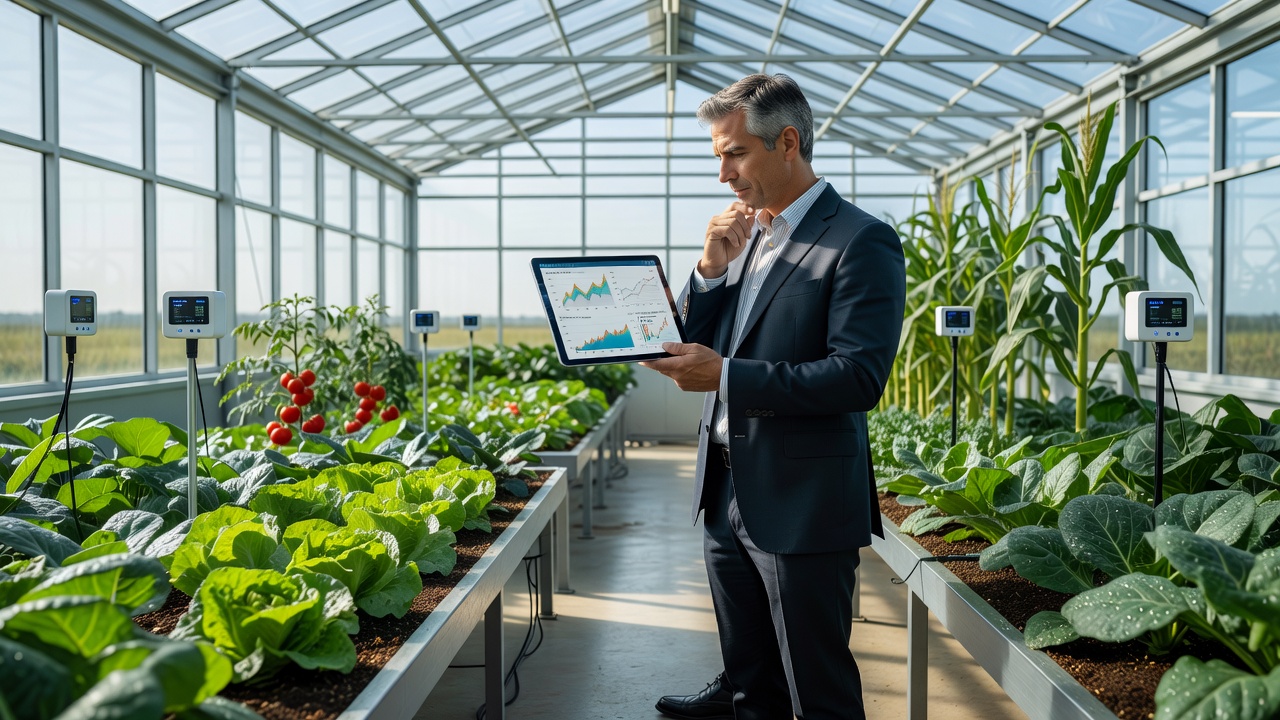
Begin by allocating a modest percentage of your equity holdings to the sector, typically 5-10 percent depending on risk tolerance. Next, spread exposure across hardware providers, seed innovators, and data platform companies to avoid single-point failures. Rebalance annually after reviewing quarterly earnings that highlight software revenue growth. Use dollar-cost averaging during periods of sector volatility to accumulate positions at favorable levels. Finally, stay informed through industry conferences and regulatory updates on topics such as drone usage and data ownership.
Investor Checklist for AgriTech Opportunities
- Verify regulatory compliance in target markets, especially around data privacy and environmental standards.
- Monitor partnerships with research institutions or governments that signal credibility and future contracts.
- Track adoption rates of precision tools among farmers through industry reports.
- Diversify across subsectors like robotics, biotech seeds, and farm management software.
- Set entry points based on valuation multiples relative to projected earnings growth.
- Review supply chain resilience, particularly sourcing of critical components such as semiconductors used in sensors.
FAQ on Risks and Entry Points
What are the main risks in AgriTech investing?
Key risks include regulatory changes, high R&D costs, and adoption barriers among traditional farmers. Weather extremes can still impact even tech-enabled operations. Diversification and long-term horizons help mitigate these.
When is a good time to enter AgriTech stocks?
Entry points often align with earnings seasons or after sector pullbacks. Focus on companies demonstrating consistent innovation and customer acquisition rather than short-term price swings.
How does AgriTech tie into broader market trends?
It intersects with sustainability mandates and digital transformation, offering exposure to themes like climate resilience. Resources from the U.S. Department of Agriculture provide ongoing data on technology adoption trends.
What role do global institutions play?
Organizations such as the World Bank fund AgriTech projects in emerging economies, indirectly supporting demand for the underlying technologies.
Conclusion
The AgriTech revolution offers investors a fresh avenue for bullish stocks in 2026, powered by climate realities and food demands. By applying structured evaluation and focusing on innovative leaders, portfolios can capture meaningful growth while supporting a more sustainable food system. Start with thorough research and consider consulting financial advisors for personalized strategies.


No comments yet. Be the first!