 Bullish Portfolio
Introduction to Compounding in 2026
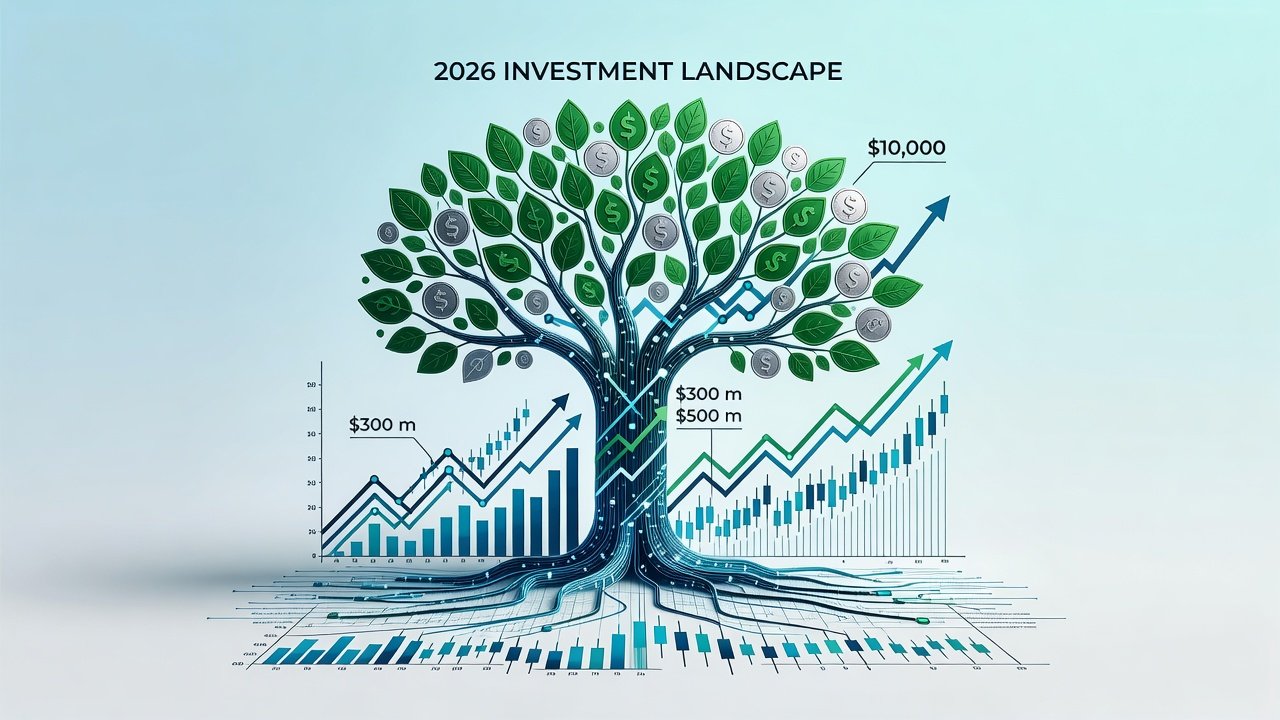
Compounding remains one of the most powerful forces in personal finance, allowing investors to build substantial wealth over time through consistent growth on both principal and accumulated returns. In 2026, with evolving market conditions and accessible investment tools, beginners and intermediate investors can accelerate their path to financial independence by focusing on this principle. This guide provides actionable steps, real-life calculations, vehicle comparisons, and strategies tailored to current opportunities. The concept is straightforward yet profound: earnings generate additional earnings, creating a snowball effect that accelerates as time passes. Whether you are just starting your investment journey or looking to optimize an existing portfolio, understanding how to harness compounding effectively can mean the difference between modest savings and true financial freedom.
Understanding compounding starts with recognizing that returns generate additional returns. For example, an initial investment grows not only from market gains but also from reinvested earnings, creating exponential growth over long horizons. In today's environment, digital platforms have lowered barriers, enabling seamless automation of contributions and dividend reinvestment. This accessibility makes 2026 an ideal time to commit to a compounding strategy, especially as global markets continue to offer diversified opportunities across equities, bonds, and alternative assets.
Core Principles of Compounding for Wealth Building
Consistent Contributions
Regular additions to your portfolio amplify compounding effects. Even modest monthly investments can lead to significant results when maintained over decades. The key is automation to ensure discipline regardless of market fluctuations. Setting up automatic transfers from your paycheck or bank account removes emotional decision-making and ensures every contribution begins its own compounding journey immediately. Over time, these steady inputs interact with market returns to produce outsized results compared to sporadic lump-sum investments.
Long Time Horizons
Time is the most critical factor. Starting early maximizes the period over which returns compound. Investors in 2026 benefit from extended market access through digital platforms, making it easier to maintain positions through volatility. A longer horizon also allows tolerance for higher-growth assets like equities, which historically deliver superior compounded returns despite short-term swings. Patience and consistency trump timing the market every time.
Reinvestment of Returns
Dividends, interest, and capital gains must be reinvested rather than spent. This reinvestment fuels the next cycle of growth. Many brokerage platforms now offer automatic reinvestment features that make this effortless, ensuring no opportunity for compounding is lost to cash drag.
Step-by-Step Portfolio Setup Examples
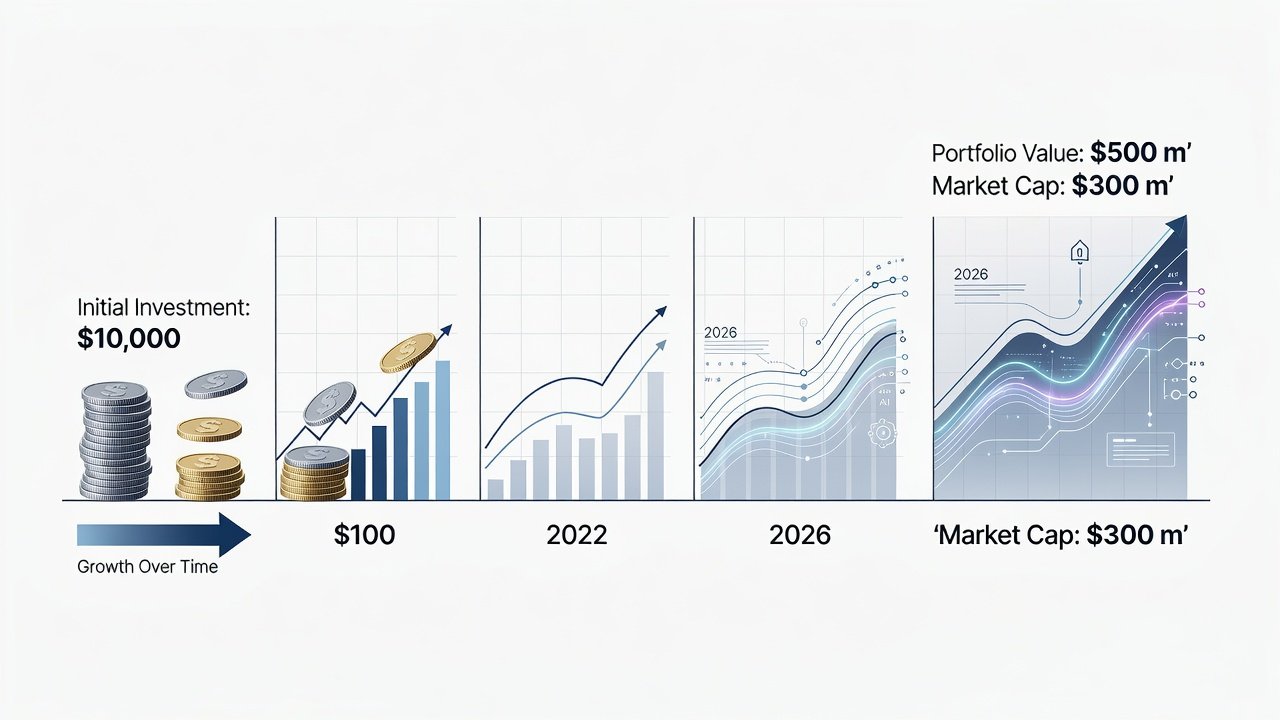
Follow these steps to establish a compounding-focused portfolio. First, assess your current finances and set clear independence goals, such as covering living expenses through passive returns. Calculate your target nest egg using a simple rule of thumb based on annual expenses multiplied by a safe withdrawal rate. Next, open tax-advantaged accounts like IRAs or 401(k)s for optimal growth. Select low-cost index funds or ETFs that track broad markets. Automate contributions and reinvest dividends. Review annually but avoid frequent trading. Consider a hypothetical case: An investor begins with $10,000 and adds $500 monthly. With disciplined execution and market participation, the portfolio benefits from both new capital and growing returns on existing holdings. Adjust allocations gradually as you approach your independence date to preserve gains while still allowing some compounding.
Comparisons of Compounding Vehicles
Different accounts offer varying benefits for compounding. Tax-advantaged retirement accounts allow tax-deferred or tax-free growth. Taxable brokerage accounts provide flexibility but incur annual taxes on gains. High-yield savings or CDs offer lower risk but limited compounding potential compared to equities. Equities historically outperform fixed-income options over long periods, making them ideal for wealth acceleration when time is on your side. Roth IRAs excel for younger investors because qualified withdrawals are tax-free, preserving more of the compounded gains. Traditional 401(k)s suit those expecting lower tax brackets in retirement. For those with higher risk tolerance, adding a small allocation to growth-oriented individual stocks or sector ETFs can enhance overall portfolio compounding without derailing diversification.
For authoritative guidance on investment basics, consult Investopedia. Additional regulatory insights are available at SEC.gov.
Real-Life Case Calculations
Examining concrete scenarios helps illustrate compounding power. Imagine two investors: one starts at age 25 contributing $300 monthly for 40 years, while another begins at age 35 contributing the same amount for 30 years. The earlier starter typically ends up with substantially more wealth due to the extra decade of compounding, even though total contributions are lower. Another example involves rate differences: a portfolio earning an average 6% annual return versus one earning 8% diverges dramatically over 30 years because of the exponential nature of compounding. These calculations assume reinvestment and consistent contributions but highlight why starting early and maintaining reasonable expectations matter more than chasing the highest possible return.
Common Pitfalls to Avoid
Many investors undermine compounding by withdrawing early, chasing high-risk trends, or ignoring fees. High expense ratios can erode returns significantly over decades. Another mistake is inconsistent contributions during downturns—staying the course preserves the compounding trajectory. Panic selling during market corrections interrupts the process and locks in losses. Over-concentration in single assets also increases risk without improving long-term compounded returns. Finally, neglecting to increase contribution amounts as income grows leaves potential growth on the table. Regular lifestyle audits can help redirect raises and bonuses into investments rather than consumption.
Simple Checklist for Success
- Define your financial independence number based on desired annual spending.
- Choose appropriate compounding vehicles aligned with your tax situation and risk tolerance.
- Set up automatic investments on payday to enforce consistency.
- Minimize fees and taxes through low-cost funds and tax-advantaged accounts.
- Monitor progress without overreacting to short-term market movements.
- Rebalance periodically to maintain target allocations.
- Increase contributions whenever income rises.
- Educate yourself continuously on market fundamentals.
FAQ on Timing and Rates
When is the best time to start compounding?
The ideal time is now. Delaying even a few years can reduce final wealth substantially due to lost compounding periods. Markets have historically recovered from downturns, rewarding those who remain invested.
What rates should investors expect?
Historical equity market averages provide a benchmark, but actual results vary. Focus on diversified, low-cost strategies rather than predicting exact figures. Broad market index funds have delivered solid long-term compounded growth across multiple economic cycles.
How do taxes impact compounding?
Using tax-advantaged accounts maximizes net returns. For details on retirement accounts, refer to IRS resources. Understanding contribution limits and withdrawal rules helps optimize after-tax compounding.
Should I adjust my strategy in 2026?
Stay diversified and continue contributing regardless of short-term economic headlines. Revisit your risk tolerance only if personal circumstances change significantly.
Conclusion
By prioritizing consistent contributions, long horizons, and suitable vehicles while avoiding common errors, investors can harness compounding effectively in 2026. This approach transforms regular savings into meaningful wealth, paving the way for financial independence. Start implementing these steps today to benefit from the exponential power of time and returns. The journey requires discipline but rewards patience with growing financial security.

No comments yet. Be the first!