 Bullish Portfolio

Introduction to Retirement Planning for U.S. Expats
Planning for retirement as a U.S. expat involves unique challenges, especially when using tax-advantaged accounts like Roth IRAs and 401(k)s while living overseas. In 2026, understanding contribution limits, tax rules under foreign residency, and currency fluctuations is essential for maximizing growth and compliance. This comprehensive guide provides in-depth strategies tailored for Americans abroad, covering everything from basic eligibility to advanced handling of required minimum distributions and international tax treaties. Expats often face questions about whether they can still contribute while earning foreign income, how to avoid double taxation, and which brokerages best support remote clients. By addressing these topics with practical examples and step-by-step processes, this article aims to give readers the tools needed for informed decision-making.
Understanding Roth IRA and 401(k) Basics for Expats
Roth IRAs allow after-tax contributions with tax-free qualified withdrawals, making them attractive for those expecting higher tax brackets in retirement. Traditional 401(k)s offer pre-tax deductions that reduce taxable income in the contribution year. Expats must navigate IRS rules that apply regardless of residence, including the same eligibility criteria based on earned income. Foreign earned income can count toward contributions if properly reported on U.S. tax returns, but exclusions like the foreign earned income exclusion may affect calculations. These accounts remain powerful tools for wealth building even from abroad, provided investors stay compliant with reporting requirements such as FBAR and FATCA.
Eligibility and Contribution Rules While Living Abroad
Expats can contribute to Roth IRAs and 401(k)s if they have U.S.-source earned income or meet specific foreign earned income criteria. The process begins with confirming your tax filing status and ensuring any foreign income is accurately documented. Contributions must come from earned income, not investment returns or pensions. For those working remotely for U.S. employers, direct payroll deductions into a 401(k) may still be possible. Timing contributions around personal cash flow is key, and many expats set up automatic transfers from international banks. Practical example: an American teacher in Japan earning local salary can contribute by converting yen to USD through a brokerage that handles international wires, always tracking the transaction for IRS purposes.
Tax Implications Under Foreign Residency and Treaties
Foreign tax treaties play a critical role in preventing double taxation on retirement account earnings and distributions. The U.S. maintains treaties with dozens of countries that address pensions and retirement income specifically. However, not all countries recognize Roth IRAs the same way, sometimes treating them as taxable upon distribution. Expats should review the specific treaty article on pensions and consult both IRS publications and local tax professionals. Reporting requirements extend to foreign financial accounts, adding layers of compliance. IRS official resources detail treaty provisions and filing forms. Missteps here can lead to penalties, so understanding the interplay between U.S. rules and host country laws is vital for long-term success.
Step-by-Step Setup Processes for Expats
Setting up these accounts from overseas follows a structured approach. First, verify eligibility based on your tax filing status and income sources. Second, select a brokerage that explicitly supports international clients and offers features like multi-currency accounts. Third, complete the application with your foreign address and provide necessary identification documents, which may include apostilled copies. Fourth, fund the account via international wire transfer or check, monitoring any conversion fees. Fifth, track every contribution annually to remain within allowable limits and maintain records for potential audits. Real-world example: an expat in Portugal opened a Roth IRA by uploading scanned passport and proof of address, then funded it quarterly after converting euros to dollars during favorable exchange periods.
Comparing International Brokerage Options
Several brokerages cater specifically to expats by offering low fees, robust global access, and compliance tools. Key factors to compare include currency conversion spreads, available investment options like international ETFs, customer support availability across time zones, and ease of handling foreign tax documents. Some platforms provide dedicated expat portals with educational resources on treaty benefits. 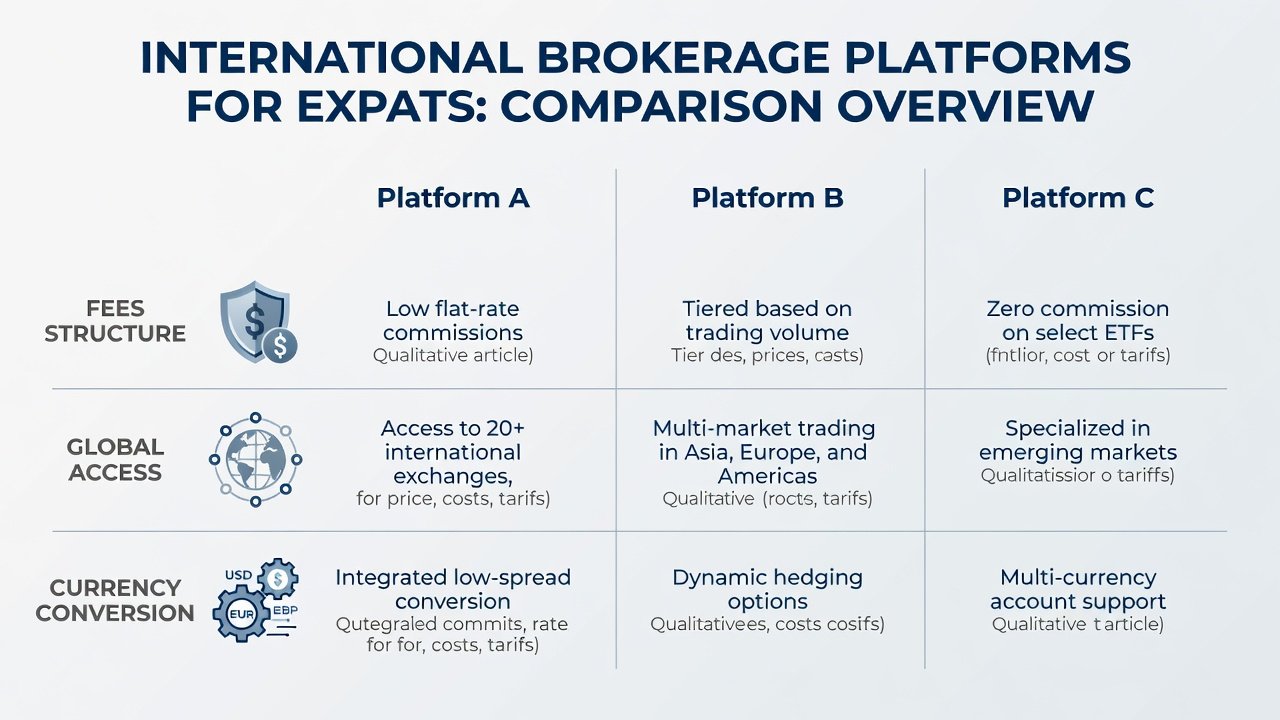
Others excel in seamless RMD processing for overseas residents. Readers should evaluate based on their primary residence country and expected investment activity rather than chasing the lowest advertised fee.
Currency Considerations When Funding Accounts
Exchange rate fluctuations can significantly impact the real value of contributions and eventual withdrawals. Expats benefit from monitoring USD strength relative to their local currency and considering strategies such as dollar-cost averaging or holding USD reserves. For instance, contributing during periods of local currency strength against the dollar allows more shares to be purchased. Conversely, a weakening dollar may erode returns when converting back for living expenses in retirement. Tools like forward contracts or multi-currency accounts offered by some brokerages help mitigate volatility, though they add complexity to tax reporting.
Handling Required Minimum Distributions Overseas
RMDs for traditional 401(k)s and IRAs must begin by age 73 in 2026, regardless of where the account holder resides. These withdrawals are taxable as ordinary income and must be reported to the IRS even if the funds stay in a foreign bank. Expats can arrange direct deposits or wire transfers to overseas accounts, but they should factor in potential withholding taxes and treaty relief claims. Planning ahead by converting to Roth accounts earlier in life can reduce or eliminate future RMD obligations, providing more flexibility for international lifestyles.
Real-World Expat Scenarios and Pitfalls with Tax Treaties
Consider an expat living in Germany who contributes to a Roth IRA: while U.S. rules allow tax-free growth, German tax authorities may view distributions differently, requiring careful coordination. Another scenario involves a retiree in Mexico facing currency devaluation that affects RMD timing. Common pitfalls include failing to report foreign accounts, misunderstanding treaty tie-breaker rules for residency, or neglecting to file Form 8938. U.S. Treasury guidance and IRS treaty tables help clarify these nuances. Avoiding these errors through proactive planning preserves account growth and prevents costly corrections.
Investment Growth Strategies Tailored for Expats
Beyond contributions, expats should focus on diversified portfolios that account for global market exposure and inflation differences. Allocating to low-cost index funds or ETFs that track broad markets provides steady growth while minimizing management fees. Rebalancing annually and reinvesting dividends can compound returns over decades. Those nearing retirement might shift toward more conservative allocations while maintaining some international holdings to match their spending currency. Regular reviews with a cross-border financial advisor ensure the strategy evolves with changing tax laws and personal circumstances.
FAQ
- Can I contribute to a Roth IRA if I live in a country with no tax treaty? Yes, provided you have qualifying earned income, though you must still comply with all IRS reporting and may face local tax questions on distributions.
- How do currency conversions affect my 401(k) growth? They introduce additional volatility; favorable rates can boost effective returns while unfavorable ones reduce them when measured in local purchasing power.
- What happens to RMDs if I am overseas? You remain obligated to take the distribution and report it, though treaties may reduce or eliminate U.S. withholding on the amount.
- Are there special rules for 401(k) rollovers when leaving a U.S. employer while abroad? Yes, direct rollovers to an IRA are usually straightforward, but confirm the new custodian accepts international addresses.
- How does the foreign earned income exclusion impact contribution eligibility? It can reduce your taxable earned income, potentially limiting how much you can contribute in a given year.
By following these strategies and staying informed, expats can build secure retirement portfolios that withstand both market and cross-border challenges. Additional tools and updates are available through Social Security Administration resources and official IRS channels.

No comments yet. Be the first!