 Bullish Portfolio
Introduction to Commodity Futures in Modern Portfolios
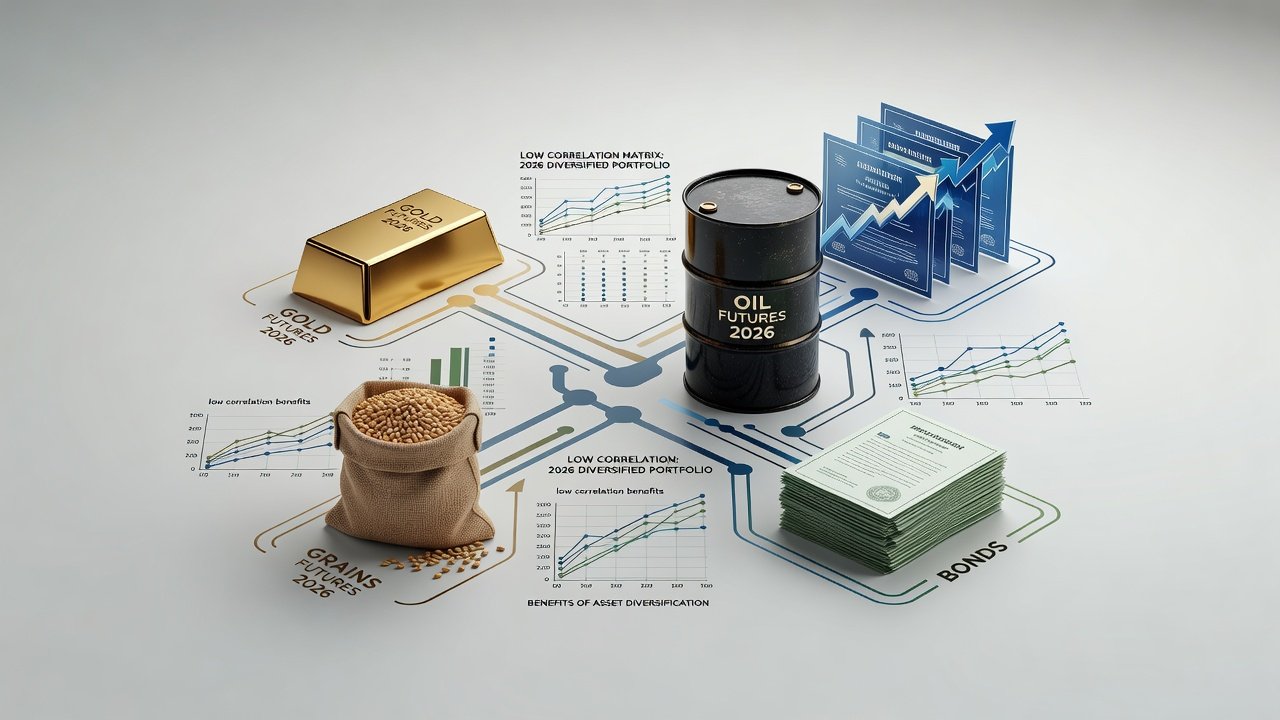
Commodity futures offer investors a powerful tactical tool for building resilient asset allocations in 2026. By incorporating contracts on gold, oil, and grains, portfolios can achieve meaningful diversification benefits that equities and bonds alone often fail to deliver. These instruments provide exposure to real assets with historically low correlations to traditional markets, helping to protect against inflation and market volatility. As global economic conditions evolve, futures allow precise positioning without the need to hold physical commodities. This comprehensive guide explores the mechanics, benefits, and implementation strategies for moderate and aggressive investors seeking 2026 portfolio resilience, including detailed examples and risk controls.
Investors increasingly turn to futures because they enable leveraged exposure to underlying assets while maintaining liquidity. Unlike spot markets, futures standardize contract sizes and expiration dates, creating an efficient marketplace. When equities experience sharp declines or bonds suffer from rising interest rates, commodity futures can act as a buffer. The low-correlation properties stem from fundamental drivers such as weather patterns for grains, geopolitical tensions for oil, and monetary policy shifts for gold.
Low-Correlation Benefits of Gold, Oil, and Grains
Gold futures have long served as a hedge during equity downturns, while oil contracts respond to geopolitical events and supply disruptions. Grains add exposure to agricultural cycles and weather risks that move independently of stock and bond markets. Together, these assets can lower overall portfolio volatility when properly allocated. Historical scenarios show that adding 10-15% commodity futures exposure has improved risk-adjusted returns during periods of rising inflation. This low-correlation characteristic becomes especially valuable when central banks adjust monetary policy.
Gold tends to rise when real interest rates fall or during currency devaluations. Oil prices fluctuate with OPEC decisions and global demand, often diverging from equity cycles. Grains, influenced by harvest yields and export policies, provide seasonal patterns that further decorrelate returns. Portfolio managers can quantify these benefits through correlation matrices updated quarterly. For instance, during the 2022 inflation surge, commodity futures outperformed broad equity indices while bonds declined. Extending this analysis into 2026 planning helps investors prepare for similar macroeconomic regimes.
Understanding Futures Rollover Mechanics
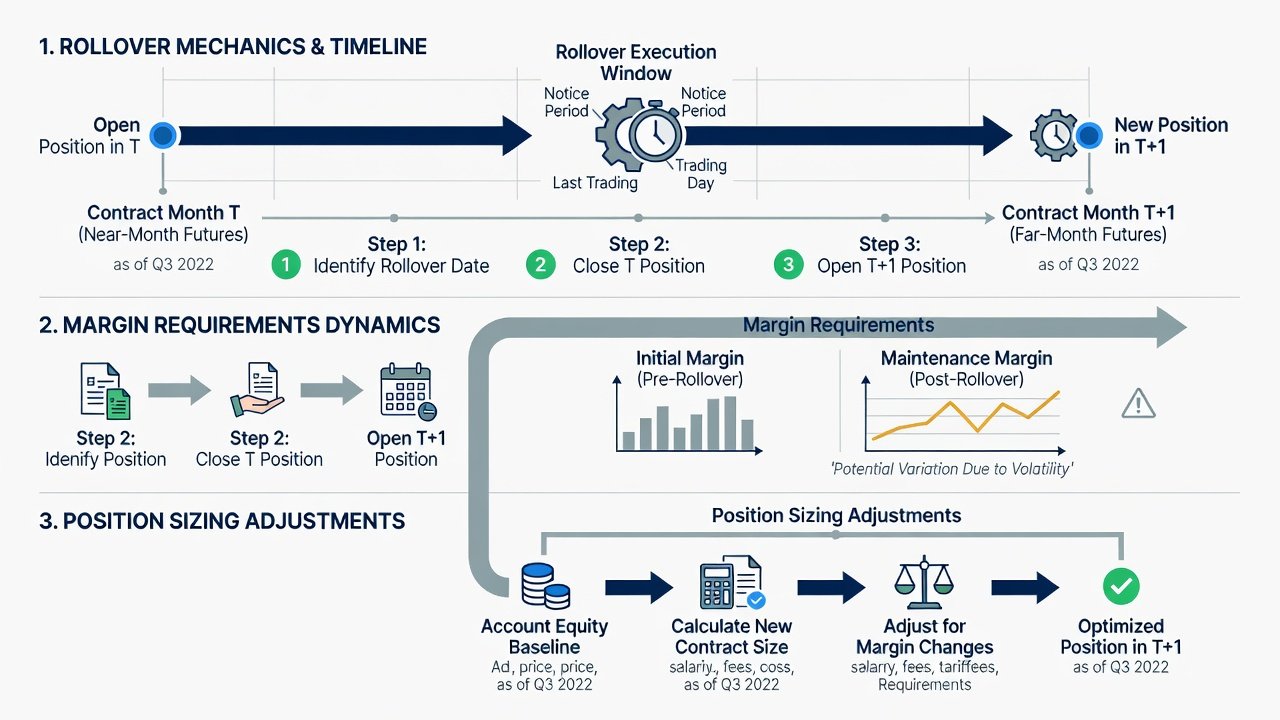
Rollover involves shifting positions from expiring contracts to the next available month to maintain continuous exposure. Traders must monitor expiration dates closely to avoid delivery obligations or unintended price gaps. Automated platforms often handle this process, but manual oversight ensures optimal execution prices. Key considerations include contango and backwardation market structures, which affect the cost of maintaining long-term positions. Investors should factor these dynamics into expected returns when modeling 2026 allocations.
A practical rollover strategy begins with identifying the front-month contract and calculating the spread to the deferred month. In contango markets, rolling forward incurs a cost that erodes returns over time. Backwardation offers a potential tailwind. Many professional traders use calendar spreads to hedge rollover risk. For retail investors, broker tools can automate notifications 10-15 days before expiration. Detailed guidance is available from the CME Group, which lists all contract specifications and expiration calendars for gold, crude oil, and grain futures.
Margin Requirements and Capital Efficiency
Futures trading uses margin to control larger positions with less capital than outright ownership. Initial and maintenance margins vary by contract and exchange rules, allowing efficient leverage. However, this efficiency demands strict risk controls to prevent margin calls during adverse moves. Position sizing based on account equity and volatility helps maintain discipline. Conservative investors may prefer lower leverage ratios to preserve capital during drawdowns.
Understanding margin calls requires monitoring daily mark-to-market settlements. A sudden price spike in oil futures, for example, could trigger additional margin deposits within hours. Risk managers often limit total margin usage to 20-30% of account equity. This buffer accommodates volatility spikes common in commodity markets. Educational resources from the Commodity Futures Trading Commission explain margin calculations and investor protections in detail.
ETF Alternatives for Simplified Exposure
For those preferring not to manage individual contracts, commodity ETFs and ETNs provide accessible alternatives. These vehicles track futures indices but introduce their own tracking errors and expense structures. Comparing direct futures versus ETF approaches reveals trade-offs in liquidity, tax treatment, and operational complexity. Many advisors blend both methods depending on account size and investor experience level. ETFs offer intraday trading and simpler tax reporting but may lag futures performance due to fees and roll costs.
Direct futures provide precise control over contract months and leverage ratios. Investors with smaller accounts often start with ETFs before graduating to futures. Hybrid approaches, such as using ETFs for core exposure and futures for tactical overlays, balance convenience with performance.
Step-by-Step Allocation Examples
Moderate Portfolio Example: Allocate 5% to gold futures, 3% to oil, and 2% to grains within a diversified 60/40 equity-bond framework. Rebalance quarterly using volatility targeting to keep commodity exposure stable. Begin by calculating current portfolio beta to commodities, then select specific contracts such as COMEX gold or NYMEX crude oil. Set position sizes so that a 2% adverse move does not exceed 1% of total portfolio value. Monitor correlations monthly and adjust if equity-commodity correlations rise above 0.4.
Aggressive Portfolio Example: Increase commodity futures to 20% total, with 8% gold, 7% oil, and 5% grains. Use dynamic hedging rules to scale exposure based on inflation indicators and equity correlations. Implement a rules-based system: increase gold allocation when CPI prints exceed expectations, reduce oil when inventories rise sharply. Stress-test the allocation against 2008 and 2022 scenarios to confirm maximum drawdown stays within tolerance. Rebalance more frequently, perhaps monthly, and maintain a cash reserve for margin calls.
These examples illustrate how futures can be integrated without overhauling core holdings. Document every trade decision and review performance quarterly against benchmarks.
Historical Performance Scenarios and Comparisons
Backtesting across multiple decades demonstrates commodity futures' ability to outperform during inflationary regimes while underperforming in strong equity bull markets. Investors should review scenario analysis covering 1970s-style inflation, 2008 financial crisis, and post-pandemic recovery periods. In the 1970s, gold futures delivered strong real returns when stocks struggled. During 2008, oil futures experienced extreme volatility but recovered faster than equities. Grains showed resilience in 2022 amid supply chain issues. Comparing futures directly against physical commodity holdings or equity commodity producers highlights the unique advantages of futures for tactical allocation. Investors can replicate these scenarios using free historical data from major exchanges to build custom 2026 projections.
Risk Mitigation Through Position Sizing
Effective risk management begins with defining maximum loss per trade and overall portfolio drawdown limits. Stop-loss orders, correlation monitoring, and diversification across contract types reduce the impact of any single adverse event. Regular stress testing against historical volatility spikes prepares portfolios for unexpected market shocks in 2026. Advanced tactics include using options on futures for downside protection and maintaining separate buckets for each commodity to avoid concentration. Position sizing formulas, such as the Kelly criterion adjusted for volatility, help determine optimal contract quantities. Always maintain a written risk policy and review it after every major market event.
Practical Checklist for Implementation
- Assess current portfolio correlations and inflation sensitivity using rolling 36-month windows.
- Select appropriate contracts based on liquidity and margin levels from exchange specifications.
- Establish rollover and rebalancing schedules with automated alerts.
- Choose a broker with robust futures trading tools and regulatory oversight.
- Review tax implications with a qualified advisor familiar with 60/40 treatment.
- Monitor regulatory updates from relevant authorities on a monthly basis.
- Conduct annual stress tests incorporating at least three historical crisis periods.
- Maintain detailed trade logs for performance attribution analysis.
FAQ: Tax Treatment and Broker Selection
How are commodity futures taxed?
Most U.S. futures contracts receive 60/40 long-term/short-term capital gains treatment regardless of holding period, simplifying tax reporting compared to equities. Consult IRS Publication 550 and a tax professional for individual circumstances.
What should investors look for in a futures broker?
Prioritize platforms with low commissions, reliable execution, educational resources, and strong regulatory oversight. Compare margin rates and available contract access before opening an account. Verify membership in the National Futures Association.
Are there restrictions on retirement accounts?
Many futures brokers offer IRA and 401(k) account types, but self-directed futures trading in retirement accounts requires careful compliance with contribution limits and prohibited transaction rules.
Conclusion
Commodity futures allocation represents a sophisticated yet accessible strategy for enhancing 2026 portfolio resilience. By thoughtfully integrating gold, oil, and grains exposure while managing rollovers, margins, and risks, investors can achieve meaningful diversification and inflation protection. Whether pursuing moderate or aggressive targets, the principles outlined here provide a foundation for informed decision-making and long-term success.

No comments yet. Be the first!