 Bullish Portfolio

Introduction to Global REIT Diversification in 2026
As investors seek stable passive income streams amid evolving market conditions, global REITs offer a compelling way to diversify beyond domestic borders. By expanding into non-US real estate investment trusts, you can access broader dividend opportunities while mitigating concentration risks tied to any single economy. This approach aligns well with 2026 market dynamics, where interest rate stabilization and sector growth create favorable conditions for international property investments. Geographic diversification helps balance portfolios against US-specific volatility, such as regulatory changes or localized economic slowdowns. Investors increasingly turn to Europe and Asia for attractive yields in resilient sectors like logistics and healthcare properties. In addition, global REITs provide exposure to different economic cycles, inflation hedges through real assets, and potential capital appreciation from urban development projects worldwide. This comprehensive strategy supports long-term wealth building by reducing overall portfolio beta while maintaining attractive distribution rates.
High-Yield Regions: Opportunities in Europe and Asia
Europe presents strong prospects through established markets in Germany, France, and the Netherlands. Logistics REITs benefit from e-commerce expansion, while healthcare-focused trusts capitalize on aging populations. In Asia, Singapore and Japan stand out for their transparent regulatory environments and growing demand for data centers and medical facilities. These regions often deliver competitive dividend yields compared to US counterparts, supported by steady rental incomes from essential properties. Key advantages include exposure to emerging urban development and infrastructure projects that drive long-term value appreciation alongside regular distributions. For instance, German industrial REITs have shown resilience due to strong manufacturing bases, while Singaporean retail and logistics trusts benefit from strategic port locations. Investors should examine local economic indicators, vacancy trends, and lease structures to identify the most promising opportunities in these high-yield areas.
Managing Currency Impacts on International REIT Returns
Currency fluctuations represent a notable consideration when investing abroad. A strengthening US dollar can erode foreign dividend values upon conversion, while favorable exchange rates enhance returns. To manage this, investors commonly employ hedging strategies through currency ETFs or select REITs with built-in natural hedges via multi-currency revenue streams. Monitoring central bank policies in target regions provides foresight into potential volatility. Practical tools include diversified currency baskets within your portfolio allocation to smooth out exchange rate effects over time. Advanced approaches may involve forward contracts or options for larger positions, though these require careful risk assessment. Understanding interest rate differentials between the US and target countries also helps anticipate currency movements and optimize entry and exit timing for international REIT holdings.
Sector-Specific Opportunities: Logistics and Healthcare REITs
Logistics properties continue to thrive due to global supply chain optimizations and online retail growth. Healthcare REITs offer defensive characteristics, with demand anchored by demographic trends and essential medical services. These sectors tend to exhibit lower vacancy rates and more predictable cash flows, making them suitable for income-focused strategies in 2026. Combining exposure across both sectors within international holdings can further stabilize overall portfolio performance. Additional considerations include technological advancements in warehousing for logistics assets and evolving healthcare delivery models such as outpatient facilities. Analyzing tenant credit quality and lease expiration schedules provides deeper insight into sustainable dividend potential across these specialized property types.
Practical Steps for Selecting and Purchasing International REITs
Begin by researching reputable brokers that provide access to global exchanges, such as those offering ADRs or direct listings on foreign markets. Evaluate REITs based on metrics like occupancy rates, debt levels, and dividend history. Use screening tools to filter for liquidity and tax efficiency. Follow these detailed steps to build a robust international REIT allocation:
- Assess your risk tolerance and define target allocation percentages based on overall portfolio goals and time horizon.
- Compare fund expense ratios and any applicable foreign transaction fees while reviewing historical performance data.
- Open or upgrade a brokerage account with international trading capabilities and confirm access to desired exchanges.
- Execute purchases during optimal market windows, considering time zone differences and liquidity patterns.
- Monitor holdings regularly using portfolio analytics tools and rebalance as needed to maintain target exposures.
Resources like official regulatory sites aid due diligence: Nareit and European Central Bank. Always review prospectus documents and consult licensed professionals for personalized guidance.
Sample Allocation Examples with Blended Yields
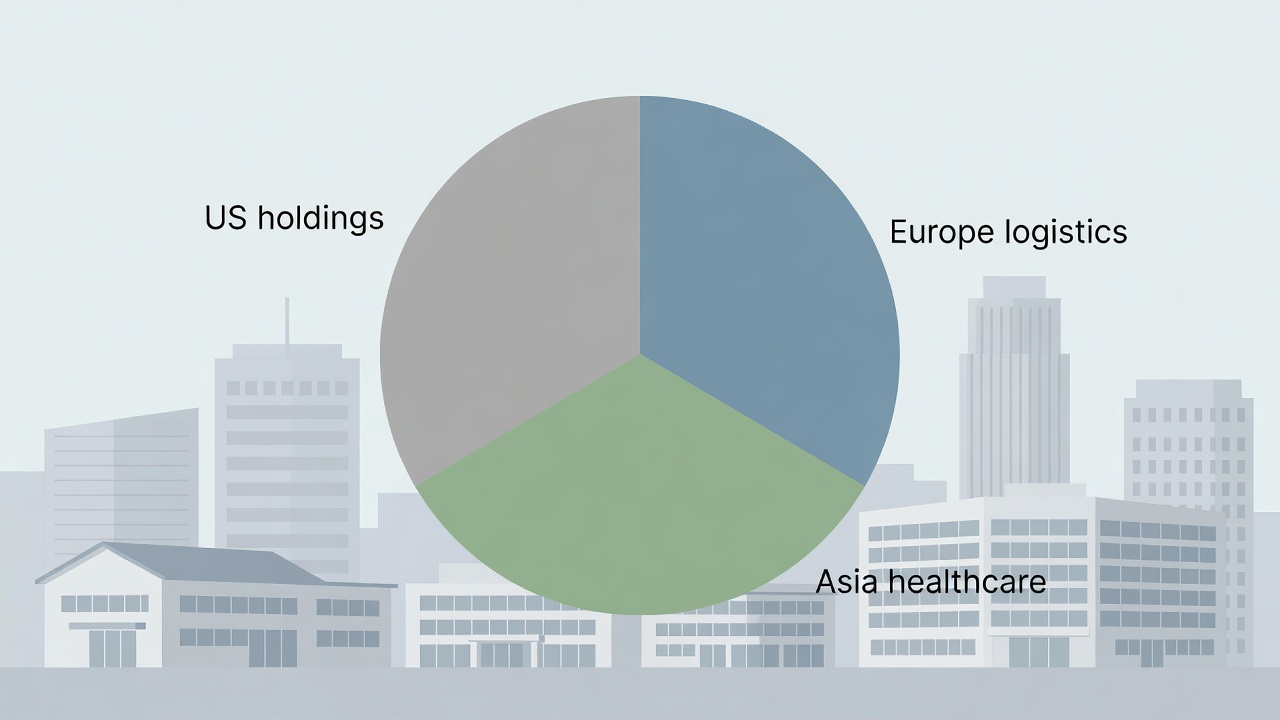
A balanced example might allocate 40% to European logistics REITs, 30% to Asian healthcare properties, and 30% to established US holdings. This mix aims for blended dividend yields while spreading geographic risk. An alternative conservative allocation could emphasize 50% Europe, 25% Asia, and 25% US for greater stability in uncertain environments. Aggressive investors might tilt toward 35% logistics-focused holdings across regions for higher growth potential. Adjustments depend on individual goals, with periodic reviews to maintain desired exposure levels amid shifting conditions. Tracking blended yields quarterly helps ensure the portfolio continues meeting income objectives without excessive concentration.
Risks and Mitigation Strategies for Global REIT Investing
While global REITs enhance diversification, they introduce risks including political instability, differing accounting standards, and liquidity variations across markets. Mitigation involves selecting large-cap REITs with strong governance, using broad ETFs for initial exposure, and maintaining emergency reserves. Regular stress testing of allocations against currency and interest rate scenarios further protects income streams. Understanding these factors allows investors to construct resilient portfolios suited to 2026 conditions.
FAQ: Addressing Common Barriers
How do withholding taxes affect international REIT dividends?
Many countries impose withholding taxes on dividends paid to foreign investors. Tax treaties can reduce rates, and holding REITs in tax-advantaged accounts often minimizes the impact. Consult a tax advisor for personalized strategies.
What about liquidity differences compared to US REITs?
Some international markets feature lower trading volumes, potentially leading to wider bid-ask spreads. Focus on larger, established REITs or use exchange-traded funds for improved liquidity access.
Are there additional regulatory hurdles?
Foreign investment rules vary, but major markets maintain investor-friendly frameworks. Staying informed through reliable financial platforms helps navigate compliance effectively.
How should beginners start with small allocations?
Start with 5-10% of your portfolio in global REIT ETFs to gain familiarity before selecting individual trusts. This gradual approach reduces complexity while providing meaningful diversification benefits.
Conclusion
Expanding into global REITs equips investors with diversified dividend streams suited to 2026 conditions. Through careful selection, currency management, and strategic allocation, these assets strengthen passive income resilience while opening doors to high-potential regions and sectors. Consistent monitoring and informed adjustments position portfolios for sustainable growth and income reliability over the long term.
No comments yet. Be the first!