 Bullish Portfolio

Introduction to Data Center REITs in the AI Era
Data center REITs have emerged as a compelling avenue for investors seeking reliable passive income through dividends, particularly as artificial intelligence infrastructure expands rapidly. These specialized real estate investment trusts own and operate facilities that house servers, networking equipment, and data storage systems essential for cloud computing, AI training, and digital services. With global data traffic surging due to AI applications, demand for these properties continues to rise, positioning data center REITs for potential dividend growth in 2026. Investors are increasingly turning to this niche within the broader REIT universe because traditional property sectors face headwinds from e-commerce shifts and changing retail patterns, while data centers benefit from structural, technology-driven demand that shows no signs of slowing.
Unlike traditional real estate, data centers benefit from long-term leases with technology giants, often featuring built-in rent escalations that support sustainable yields. Investors focused on passive income can integrate these REITs to diversify beyond conventional stocks while capitalizing on structural trends in digital transformation. The sector's resilience during economic cycles stems from the mission-critical nature of the assets, which support everything from everyday internet usage to advanced machine learning operations.
Why AI Infrastructure Fuels Dividend Potential
The proliferation of AI models requires massive computational power, driving hyperscale data center construction and leasing. Major cloud providers secure capacity years in advance, creating stable revenue streams for REIT operators. This dynamic supports higher occupancy and predictable cash flows, which translate into growing distributions for shareholders. AI training clusters demand specialized facilities with high power density and advanced cooling systems, areas where leading data center REITs have invested heavily to meet future needs.
Digital expansion across industries further amplifies the opportunity. E-commerce, remote work tools, and enterprise AI adoption all increase the need for reliable data hosting. Data center REITs stand to benefit from these tailwinds, offering yields that may outpace those from slower-growing property sectors. As enterprises migrate workloads to hybrid cloud environments, the requirement for interconnected data centers in strategic locations grows, providing operators with multiple avenues for organic expansion and incremental revenue.
Key Selection Criteria for Data Center REITs
When evaluating data center REITs for a dividend portfolio, focus on metrics that indicate long-term stability and growth. Occupancy rates above 90 percent signal strong demand and efficient asset utilization. Lease structures with weighted average remaining terms exceeding five years and annual escalators of 2-3 percent provide visibility into future income. Investors should examine tenant credit quality, prioritizing REITs with leases to investment-grade companies that reduce default risk over multi-year periods.
Yield sustainability depends on balance sheet strength, including manageable debt levels and access to capital for expansions. Investors should also assess geographic diversification across key markets like Northern Virginia, Dallas, and Frankfurt to mitigate regional risks. Finally, review management track records in securing new tenants and executing development pipelines. Additional considerations include power capacity utilization rates and the ability to develop AI-optimized facilities with liquid cooling capabilities.
- High occupancy and renewal rates
- Long-term leases with creditworthy tenants
- Development capabilities for AI-ready facilities
- Conservative leverage ratios
- Track record of distribution growth and payout ratios below 80 percent
Comparisons to Traditional Industrial and Retail REITs
Data center REITs differ markedly from industrial or retail counterparts. Industrial REITs, focused on warehouses and logistics, enjoy e-commerce tailwinds but face competition from new supply and shorter lease durations. Retail REITs contend with shifting consumer habits and higher tenant turnover. In contrast, data centers offer mission-critical infrastructure with sticky tenants and lower churn. While industrial properties may deliver steady dividends, data center yields often benefit from premium pricing tied to power capacity and connectivity. Retail REITs typically exhibit more cyclical performance linked to economic conditions. For passive income seekers prioritizing growth, data centers provide a technological edge that traditional sectors lack. 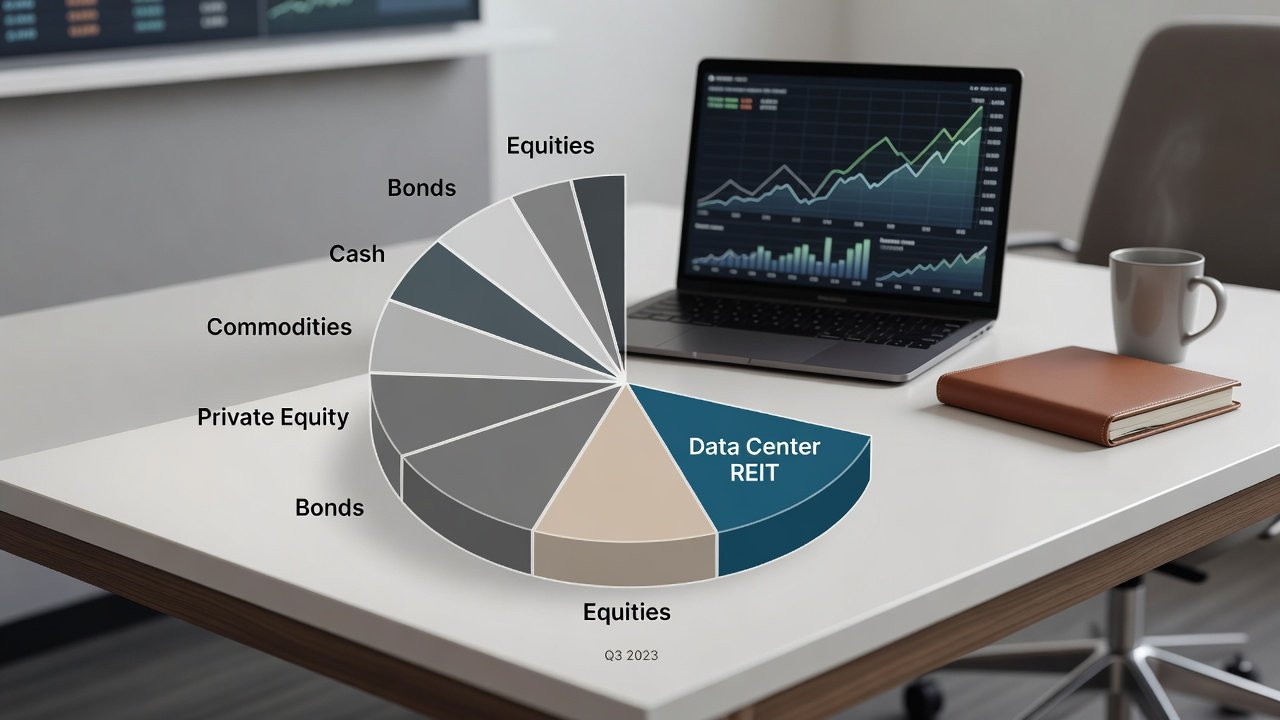
Example Holdings and Projected 2026 Outcomes
Several established data center REITs illustrate the sector's potential. Companies with significant exposure to hyperscale tenants have demonstrated consistent distribution increases. Projections for 2026 hinge on continued AI adoption, with analysts anticipating mid-single-digit dividend growth for well-positioned operators. Diversified portfolios holding multiple data center REITs can capture these gains while spreading exposure. Monitoring earnings reports reveals trends in same-store net operating income and signed lease backlog, which serve as leading indicators for future dividend sustainability.
Practical monitoring involves tracking quarterly earnings for updates on same-store revenue and development completions. Historical patterns show resilience during market volatility when backed by long leases. Investors can review filings for details on capital expenditure plans that support future rent growth.
Practical Steps for Portfolio Integration
Begin by allocating 5-15 percent of a dividend-focused portfolio to data center REITs, adjusting based on risk tolerance. Use dollar-cost averaging to build positions gradually. Combine with broader dividend stocks from utilities or consumer staples for balance. Consider layering in dividend aristocrats from other sectors to smooth overall portfolio volatility while maintaining exposure to the AI growth theme.
Rebalance annually to maintain target weights as valuations shift. Consider tax-advantaged accounts where possible to optimize after-tax returns. Review holdings quarterly for changes in tenant concentration or regulatory developments affecting data centers. Advanced investors may explore options strategies such as selling covered calls on REIT shares during periods of elevated implied volatility to enhance yield without altering core holdings.
Risk Factors Including Tech Sector Volatility
Despite growth prospects, data center REITs carry risks. Heavy reliance on the technology sector exposes investors to volatility from AI spending cycles or semiconductor shortages. Rising interest rates can pressure valuations and increase borrowing costs for expansions. Power availability and regulatory hurdles around energy consumption represent additional concerns. Geopolitical tensions may disrupt supply chains for equipment. Mitigation strategies include selecting REITs with diversified tenant bases and strong liquidity positions. Investors should also monitor local zoning changes and environmental regulations that could affect development timelines in key markets.
Advanced Yield Enhancement Techniques
For sophisticated investors, covered call strategies on data center REIT holdings can boost income while retaining upside participation. Pairing with dividend growth ETFs adds layering without excessive concentration. Focus remains on long-term stability by avoiding over-leveraged positions or speculative development bets. Reinvesting distributions compounds returns over multi-year horizons, enhancing passive income streams heading into 2026 and beyond. Another technique involves allocating across both publicly traded REITs and private data center vehicles when accessible through interval funds, though liquidity differences must be weighed carefully.
Short FAQ on Tax Implications
How are data center REIT dividends taxed? Most distributions qualify as ordinary income, though a portion may represent return of capital that reduces cost basis. Qualified dividends are rare in REITs. Investors can find detailed tax characterizations in annual Form 1099-DIV statements provided by brokers.
Can I hold them in IRAs? Yes, REITs fit well in tax-deferred accounts to defer taxes on distributions until withdrawal. This approach maximizes compounding for long-term passive income goals.
What about state taxes? REIT income is generally subject to state taxation unless held in retirement accounts. Some states offer deductions or credits that may reduce the effective rate for in-state residents.
Consult a tax advisor for personalized guidance. Additional resources are available through authoritative sites such as NAREIT and SEC Investor.gov.
Conclusion
Data center REITs represent a forward-looking addition to passive income strategies, propelled by AI-driven demand. By applying rigorous selection criteria, understanding comparisons to other REIT types, and managing risks thoughtfully, investors can position for dividend growth in 2026. Integration with broader holdings and advanced techniques further supports sustainable yields over time. Regular portfolio reviews and attention to evolving technology trends will help maintain alignment with long-term income objectives.

No comments yet. Be the first!